What the Repair Takes
Start with the money, because it decides the job before a spring or panel ever comes into it
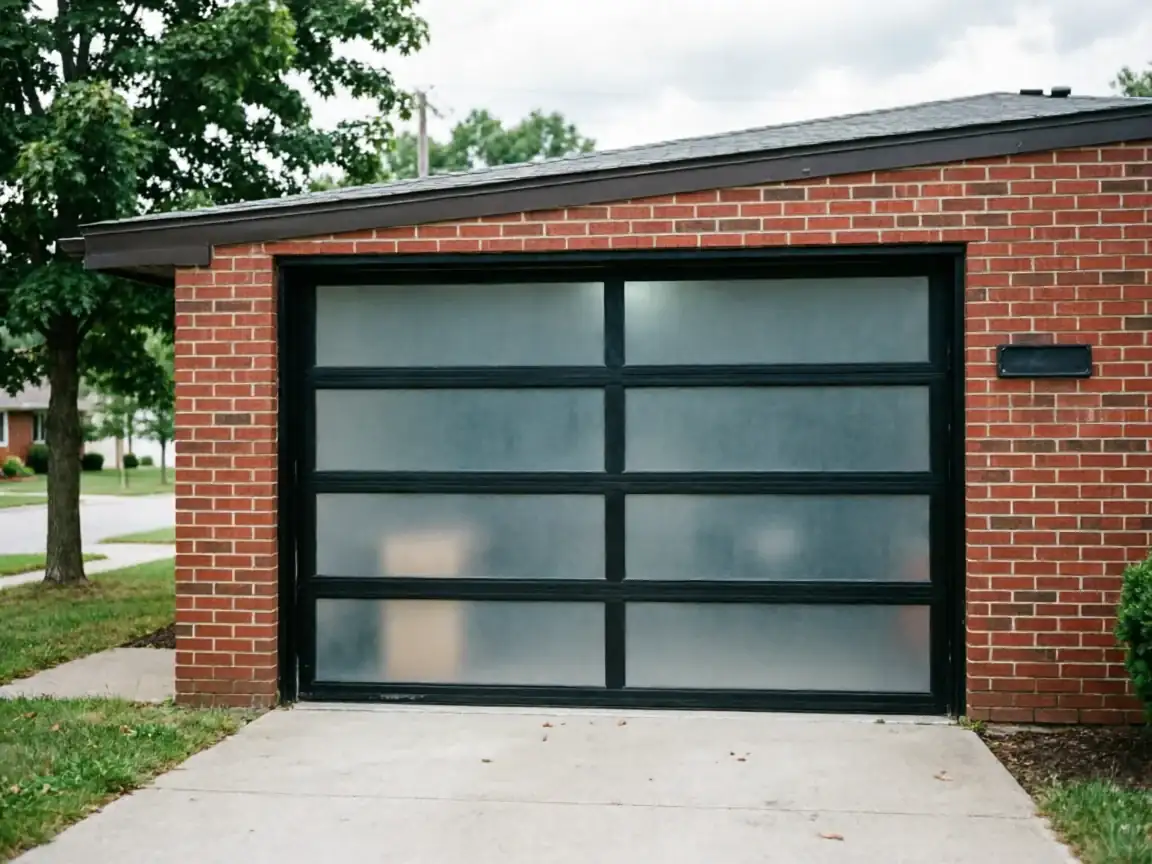
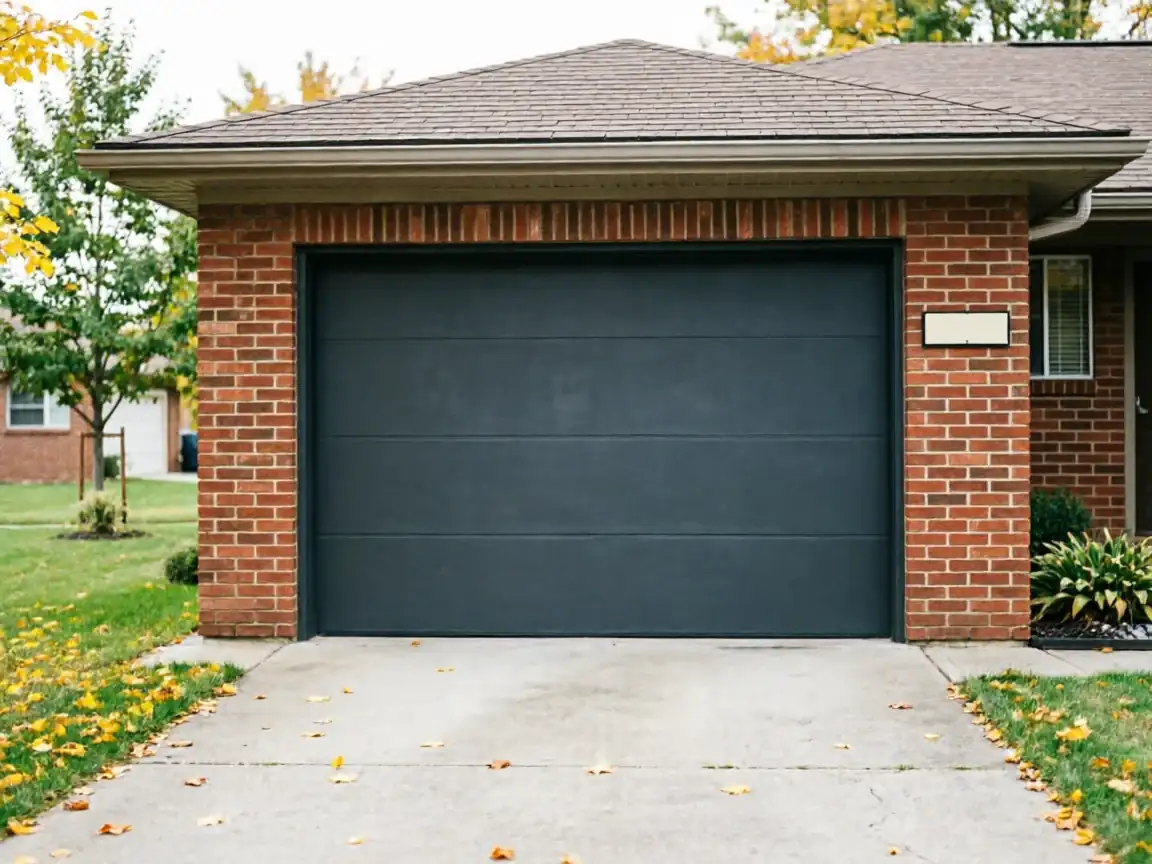
Harwood's median household income runs around $145,000 - well above the $116,364 median across the rest of the service area we cover out of Fargo. At that income level, most homeowners here aren't trying to squeeze another five years out of a 30-year-old door with a patched-up opener. They want it done once, done right, and they want the upgraded features - insulated panels, a quieter belt-drive opener, battery backup - rather than the cheapest door that fits the opening.
That changes the math on repair versus replace
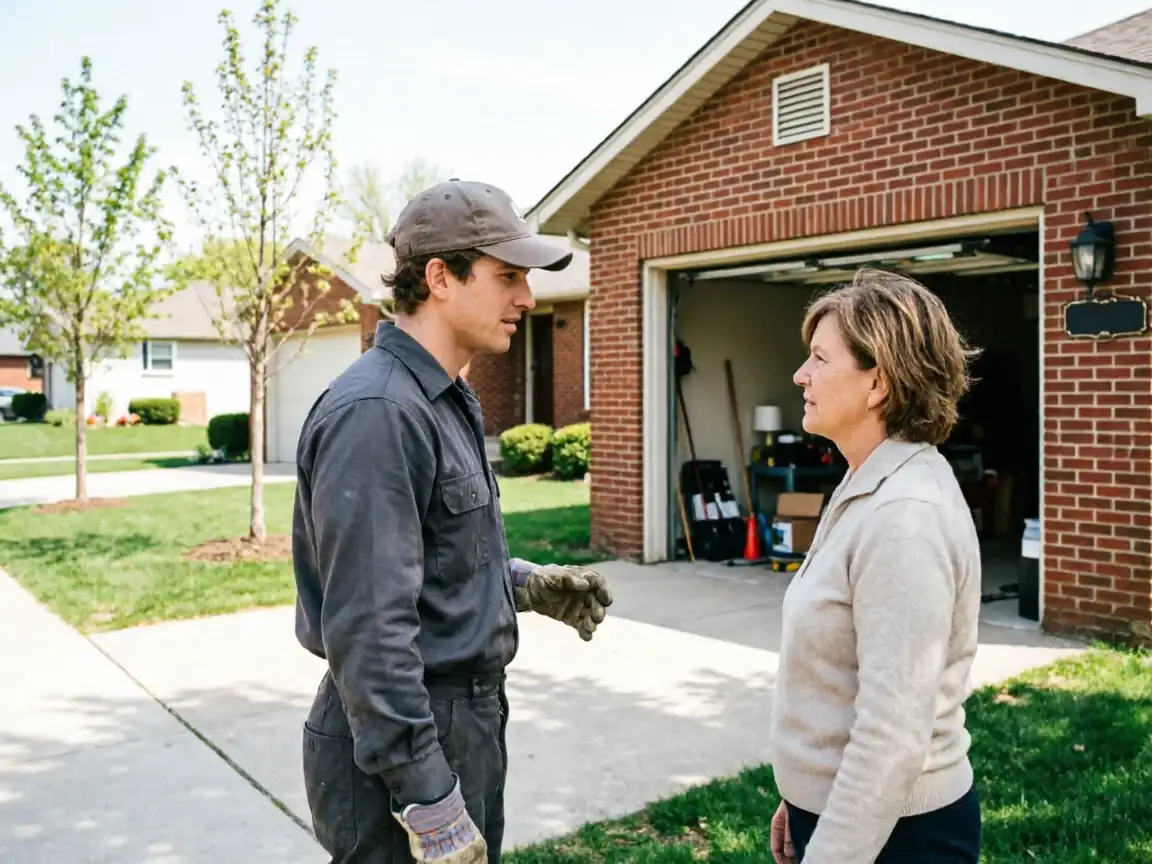
On a lower-income street, a $300 spring swap is worth doing even on a door that's seen better days. In Harwood, if a door is already past its expected service life, most owners would rather put that same $300 toward the first month of a new installation than toward buying another two years. We still quote repairs here - plenty of doors just need a spring or a cable - but we tell you straight when the smarter spend is a new door instead of a third patch job.
Why This Fails Locally
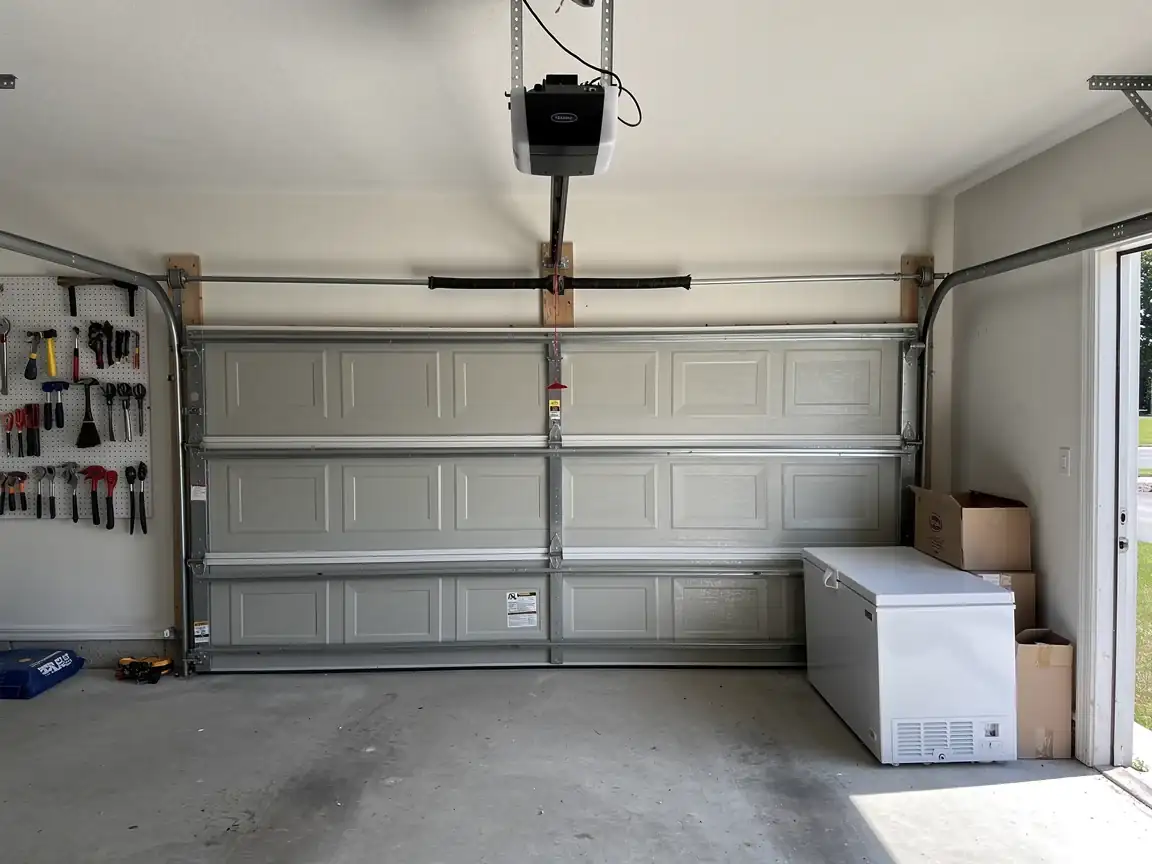
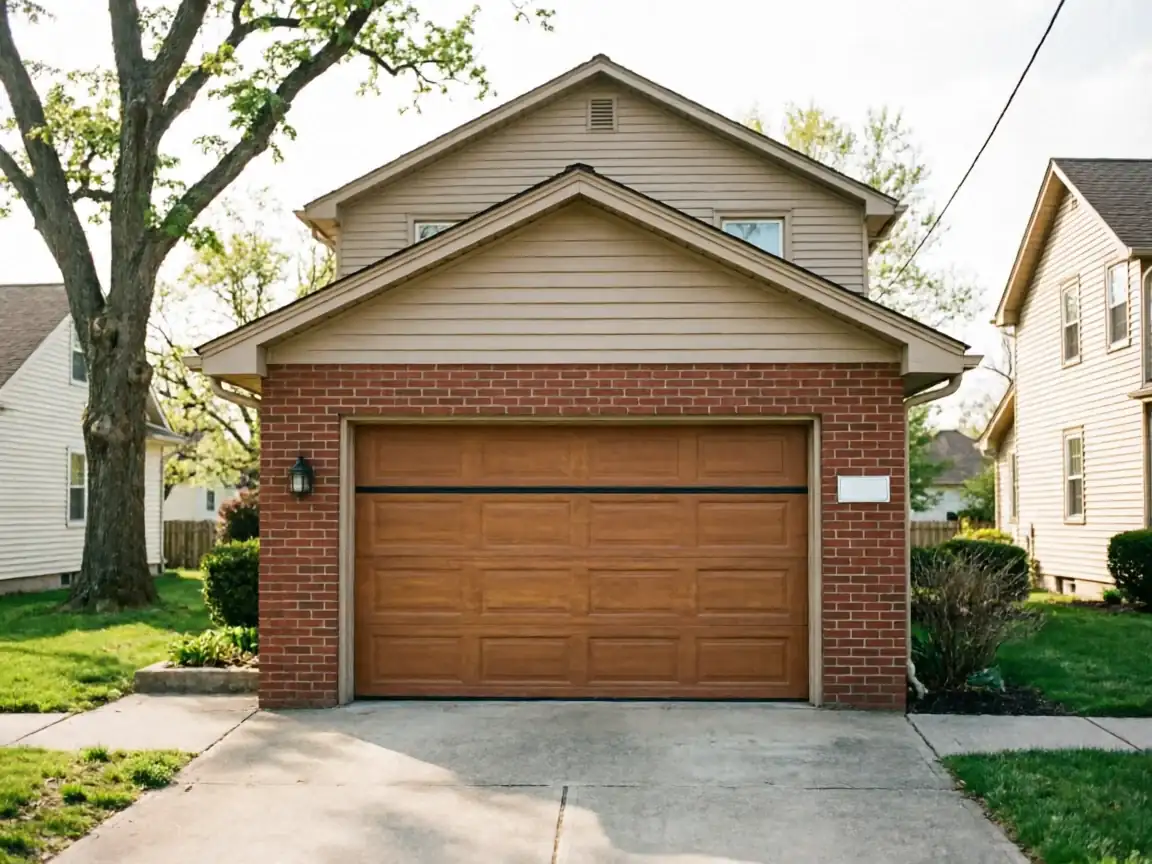
Most houses in Harwood went up around 1986, which puts the town roughly in the middle of the broader 1969 to 2006 build-out across the wider service area. That matters for doors specifically: an '86-built garage was almost certainly fitted with a single steel door, minimal insulation, and hardware sized to the lighter building codes of that era. Thirty-plus years on, those original doors and their torsion springs are past the point where a repair buys you much.
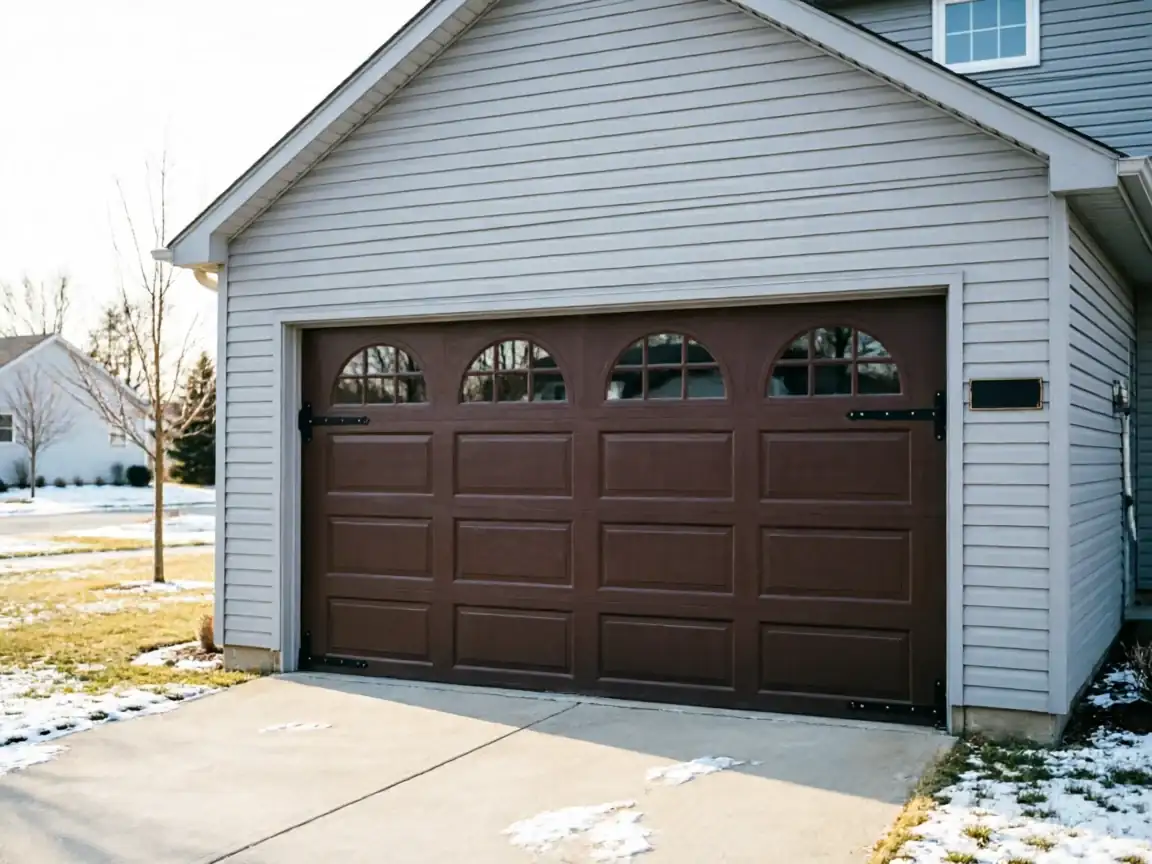
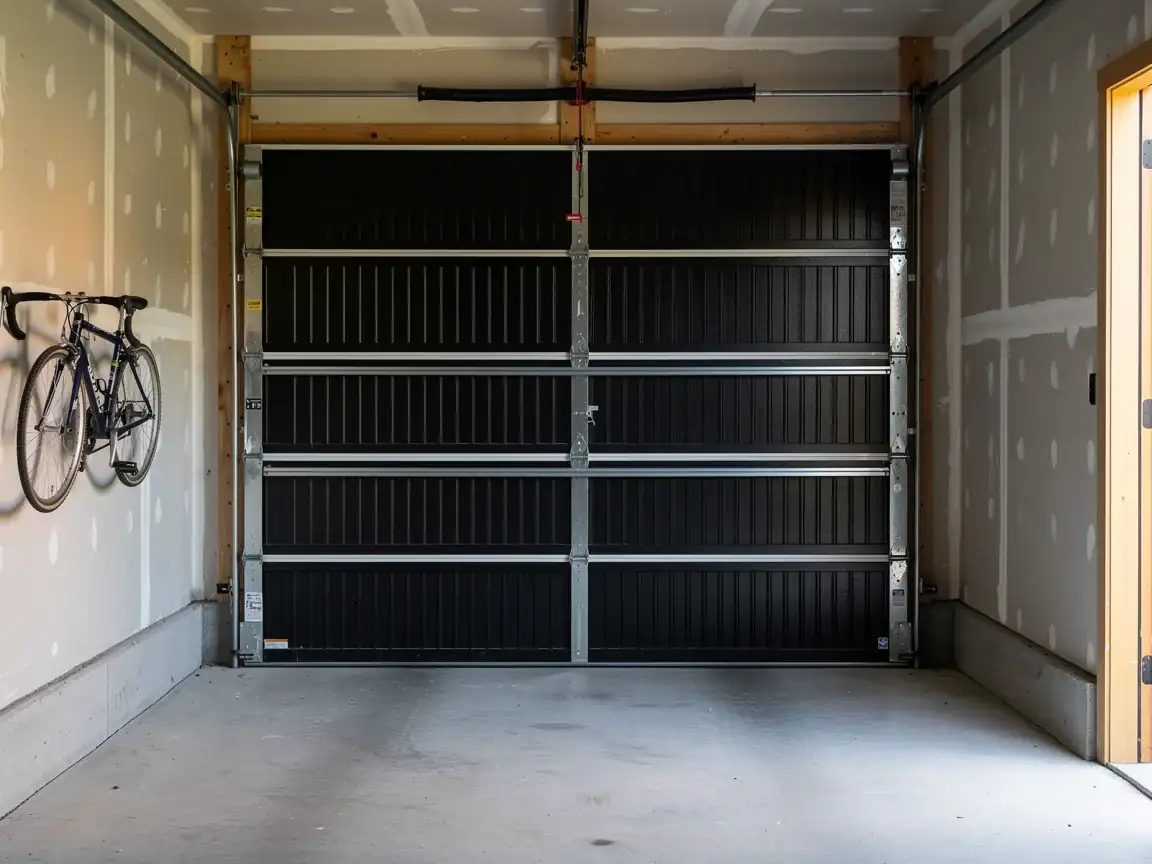
Add the climate. Harwood sits in a cold-severe band, and a steel door from the mid-80s without a thermal break doesn't hold up the same way a modern insulated panel does. Cold contracts the steel, dries out the seals, and stiffens the lift springs - all of which shows up as a door that's hard to open on a January morning and was never built to resist it in the first place. A new installation with foam-core panels and a weather-rated bottom seal isn't an upgrade for comfort alone here. It's matched to what the winters actually do to a door this age.
Doing It Yourself
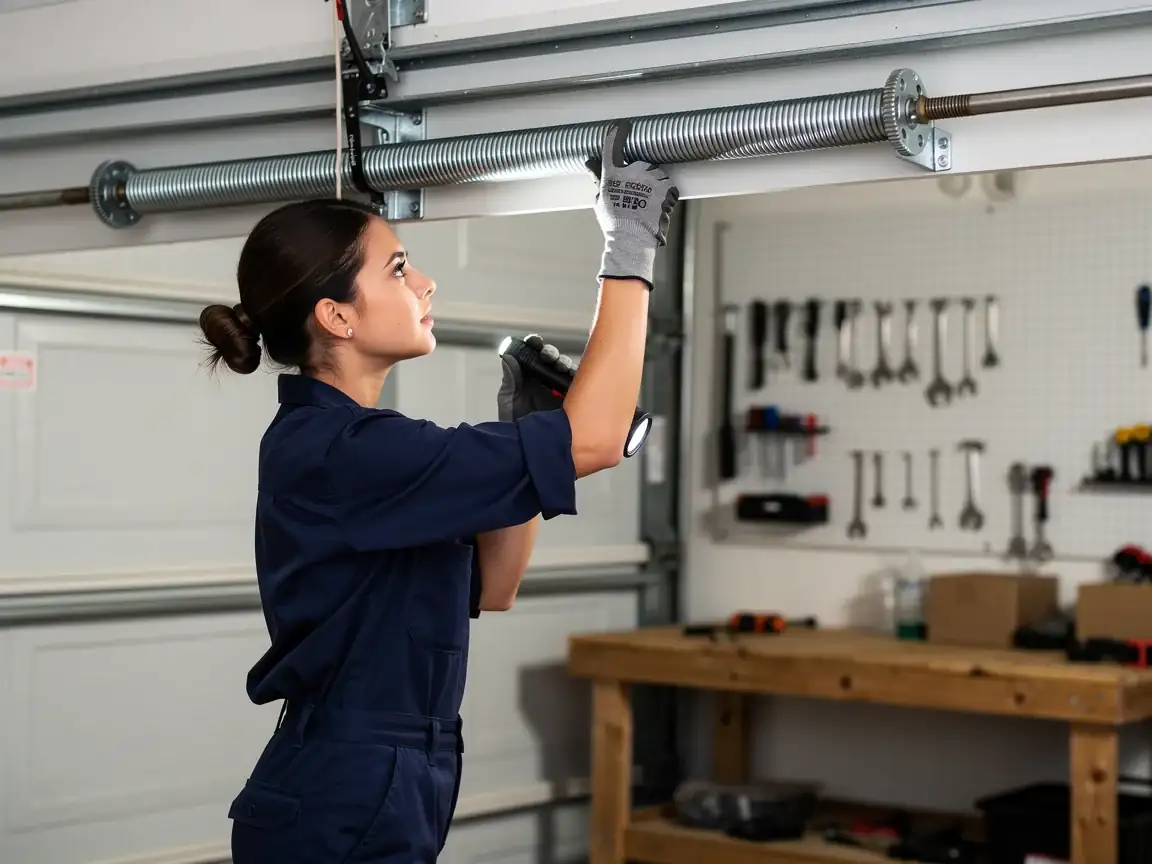
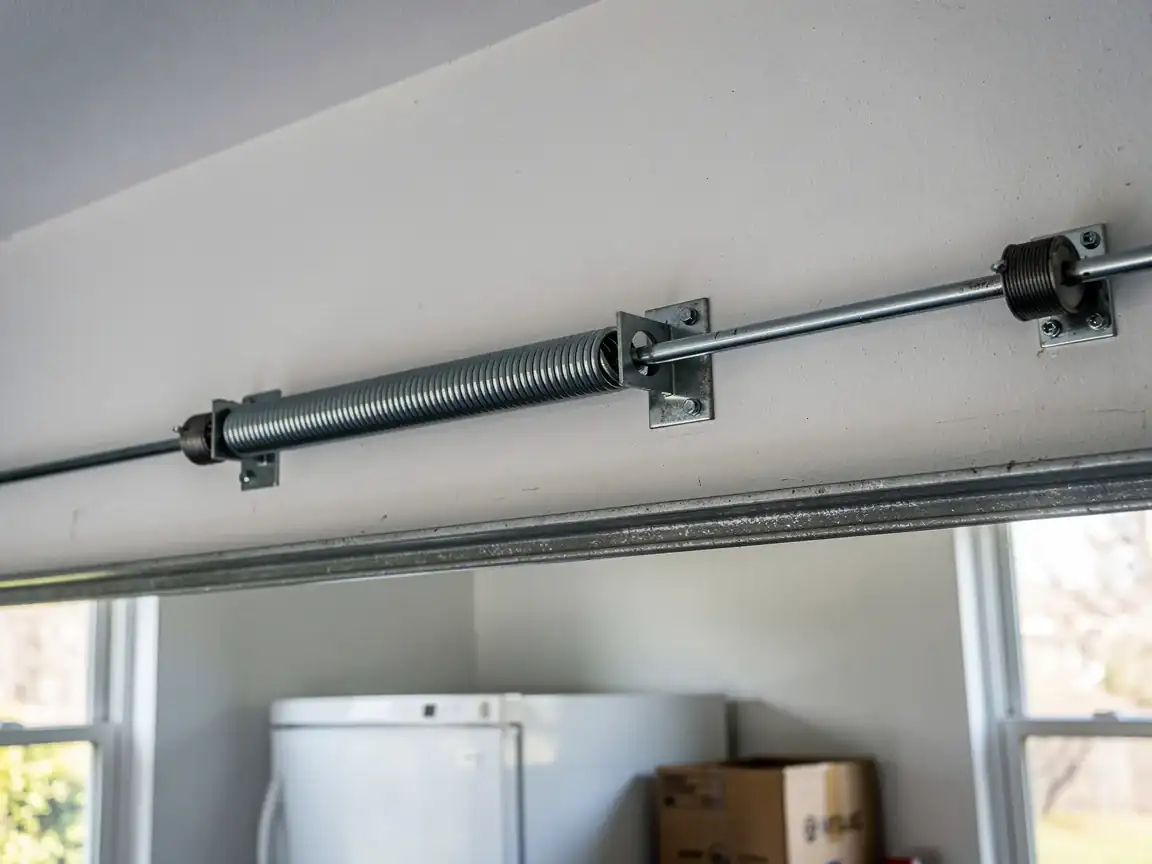
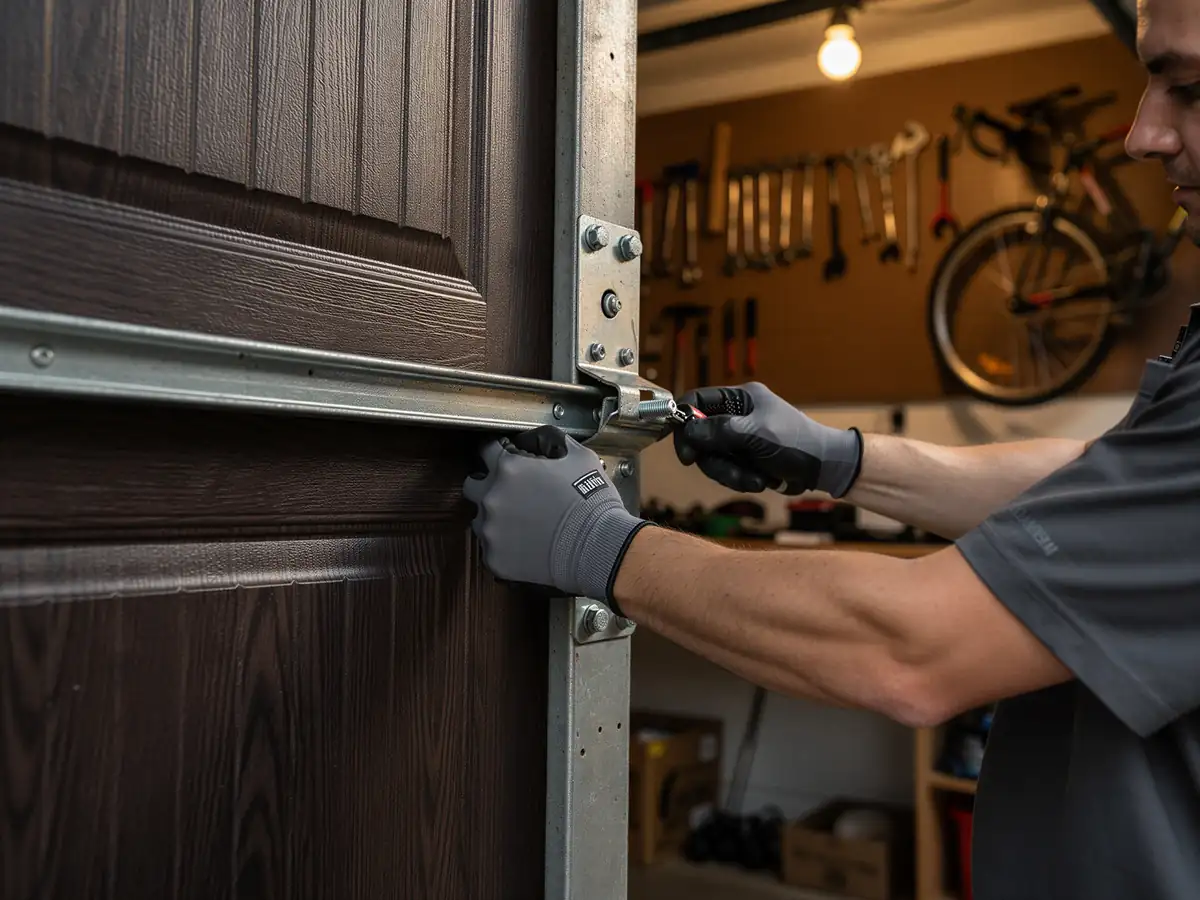
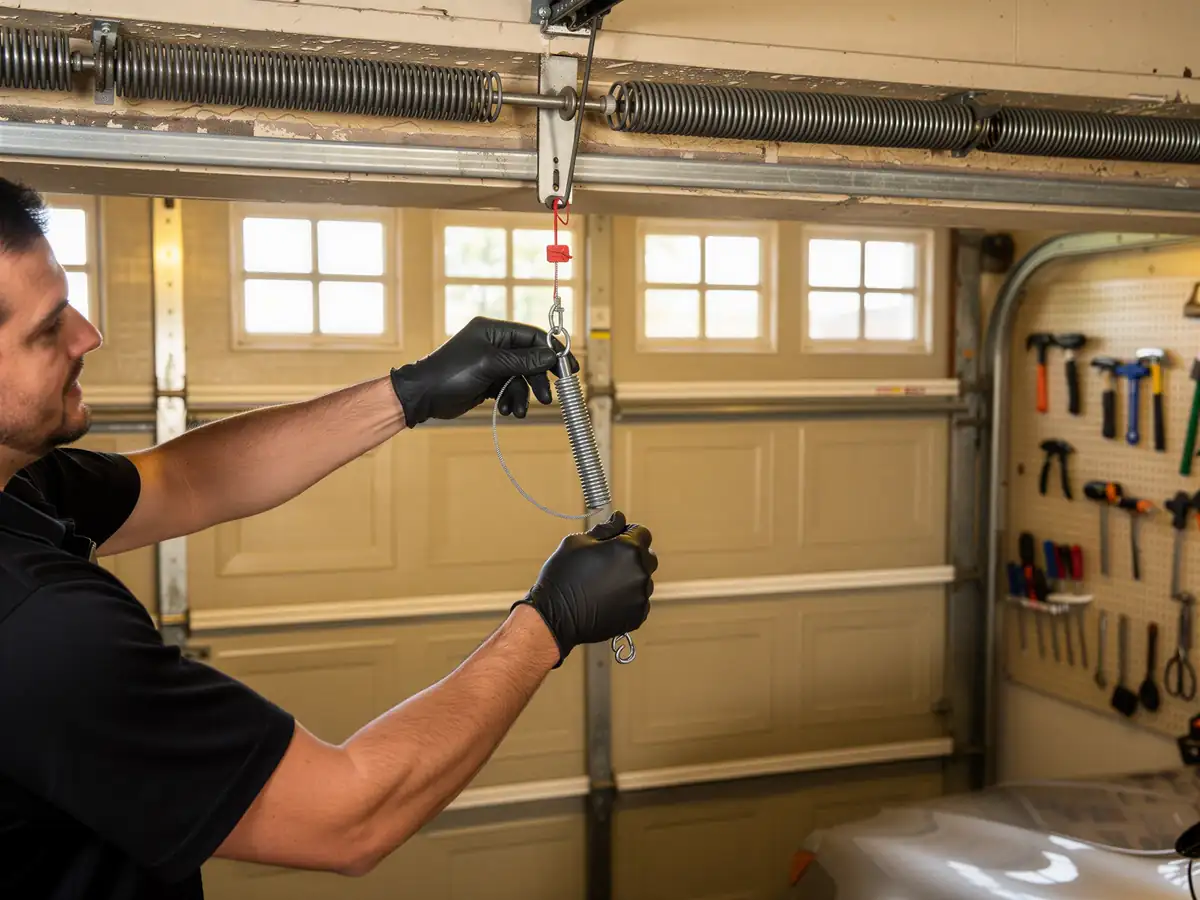
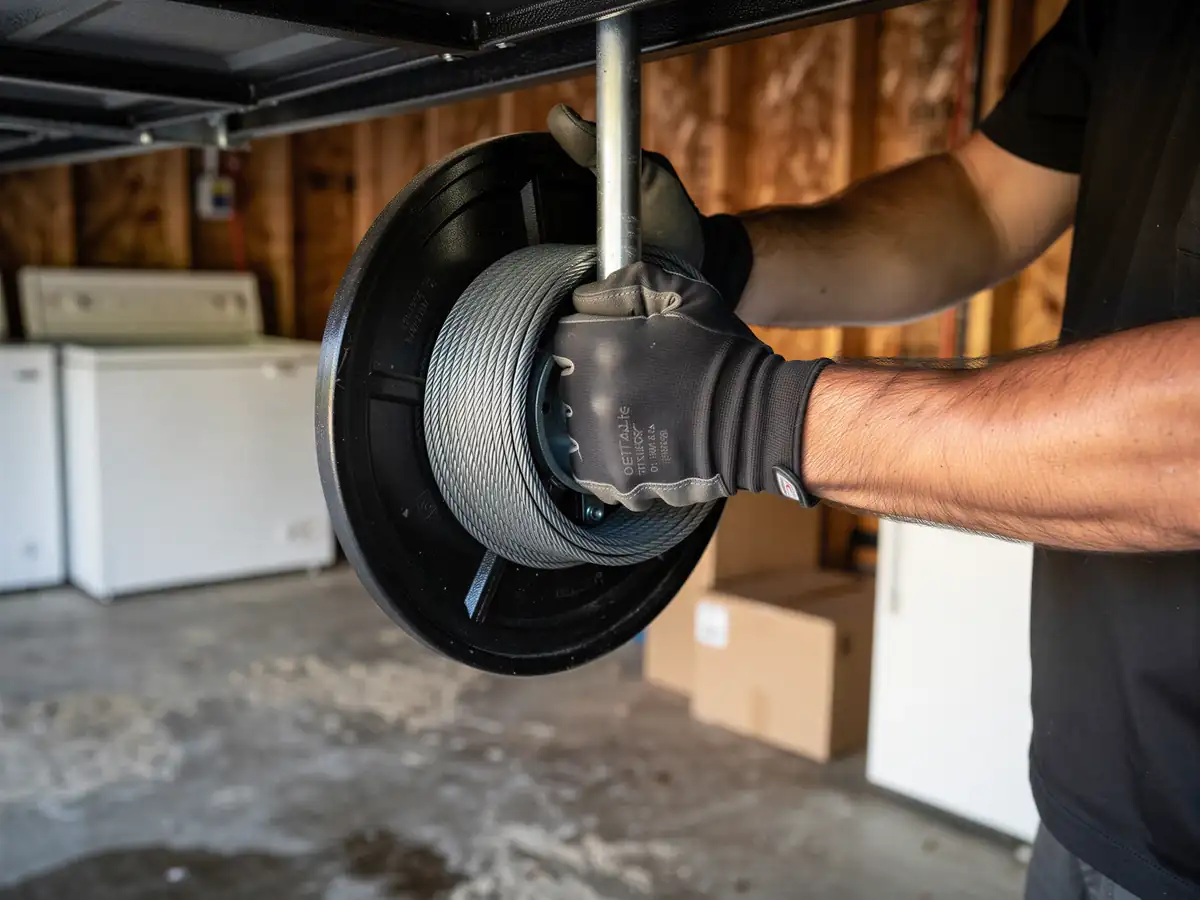
A new garage door installation isn't a weekend project, and we'll say that plainly rather than selling you on a kit. The panels are heavy, the torsion spring is under enough tension to do real damage if it lets go wrong, and getting the track plumb matters more than it looks like it should - a door that's a quarter-inch off at the top binds every single cycle after that.
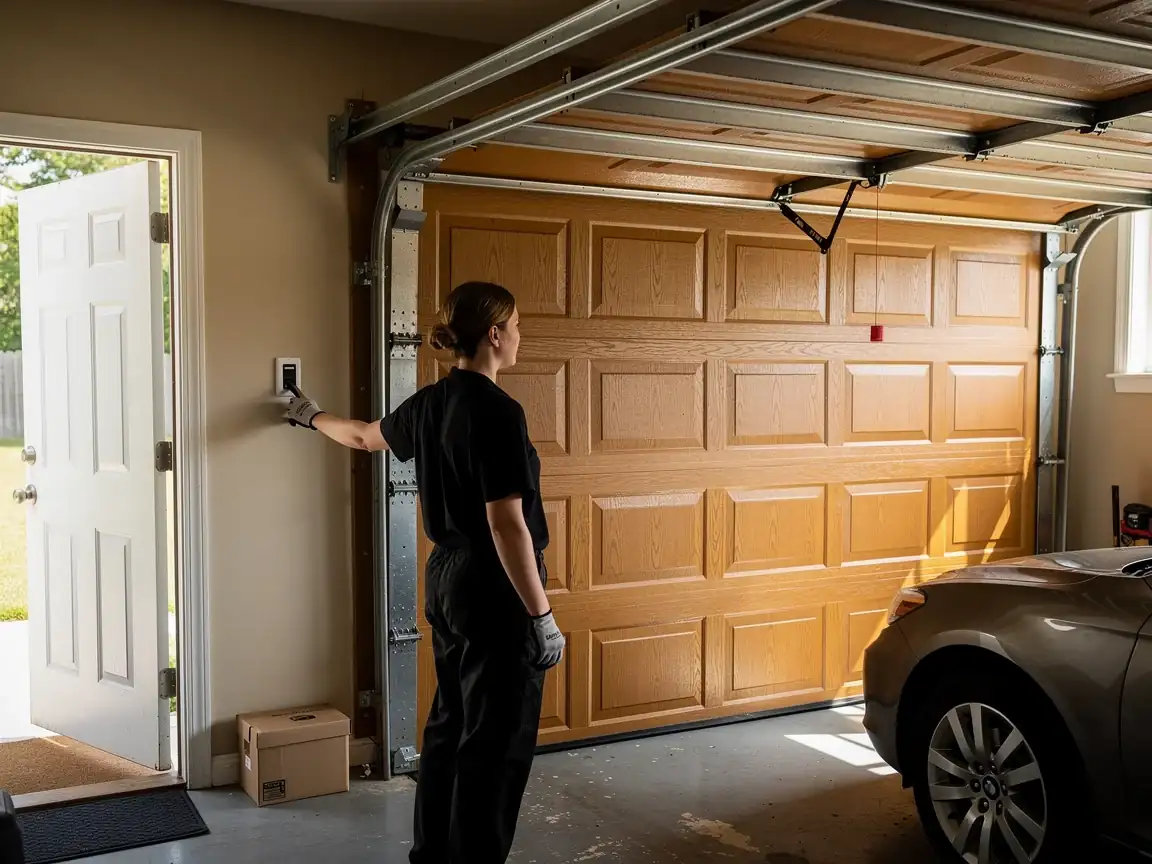
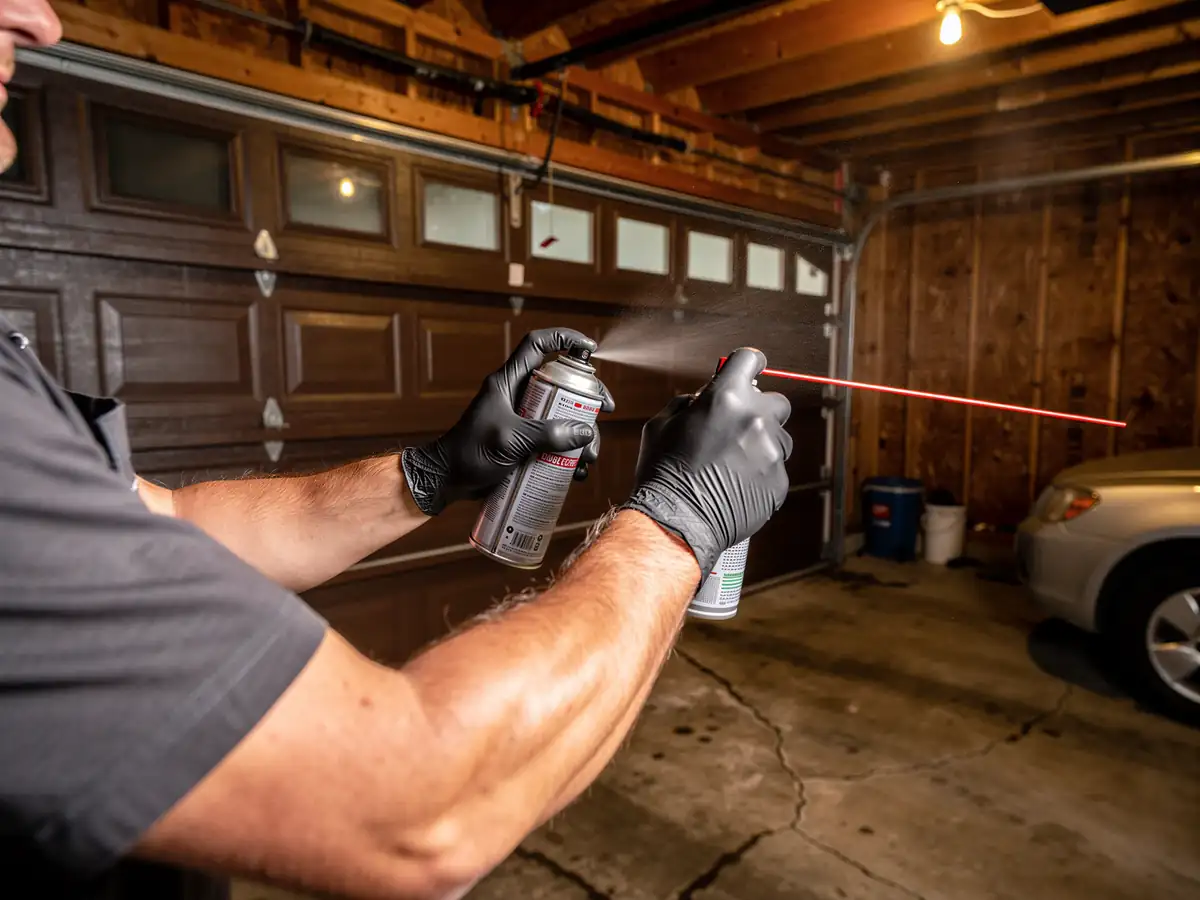
Where DIY makes sense is the small stuff: swapping a roller, tightening hinge bolts, lubricating a track. Full installation is not that. If you've got the tools and the patience to wrestle a 150-pound door section into place alone, you can find the instructions online. Most people in Harwood call instead, and that's the honest limitation worth naming here - we come out of Fargo for this, eight miles each way, so we're not a same-day walk-in shop. We schedule the install, we don't improvise it on short notice.
Stocked Parts
There's no local depot in Harwood
With 248 households in town, it doesn't support one, and we're not going to pretend otherwise. Every door, spring, and opener we install here comes out on the truck from Fargo, eight miles up the road. For a scheduled installation that's a non-issue: we bring exactly what the job needs because the order is placed ahead of time.
- 248 households
Where it matters more is on parts for doors that are already a few decades old
A door original to an '86-built house in Harwood may use spring sizing or track hardware that isn't something we keep ten of on the shelf. If you're replacing rather than repairing, this is mostly moot - new installations use current stock hardware. But it's part of why, on an older door, we'll often recommend full replacement over hunting down a match for a part that hasn't been made in years.
The Symptom
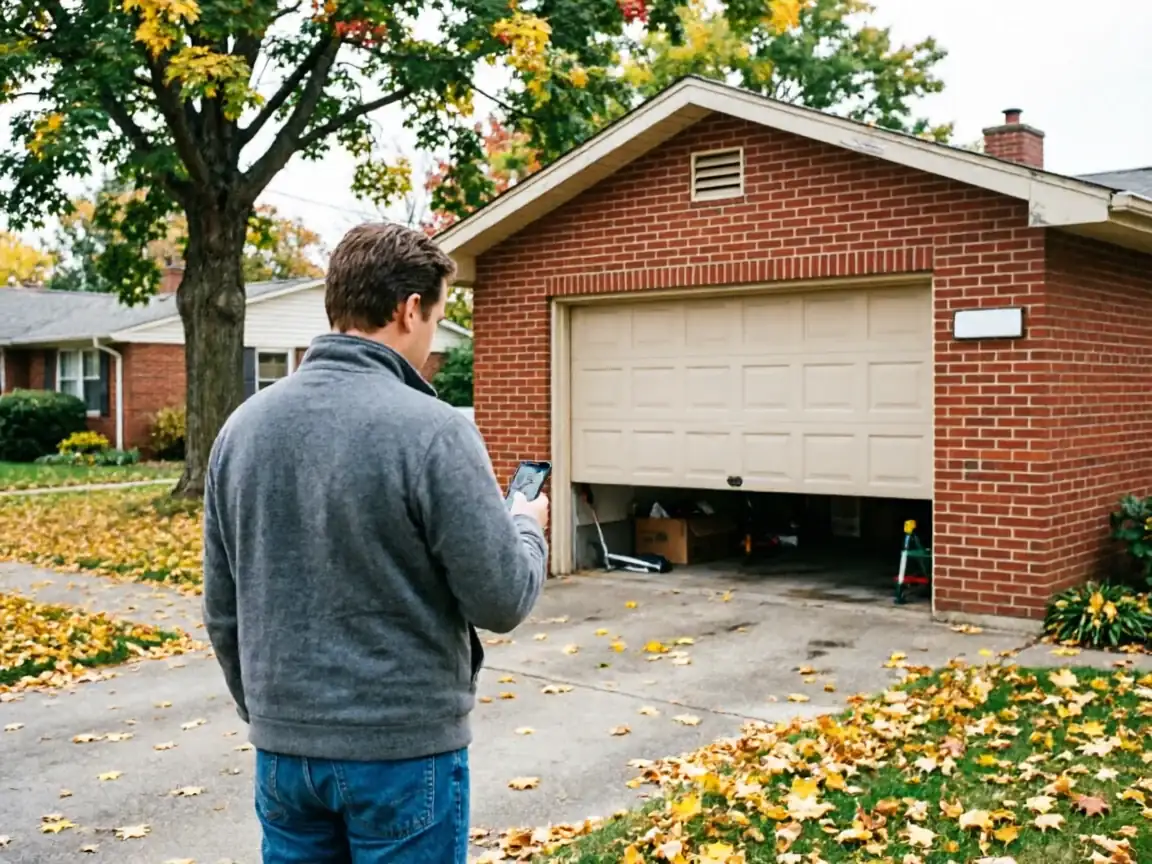
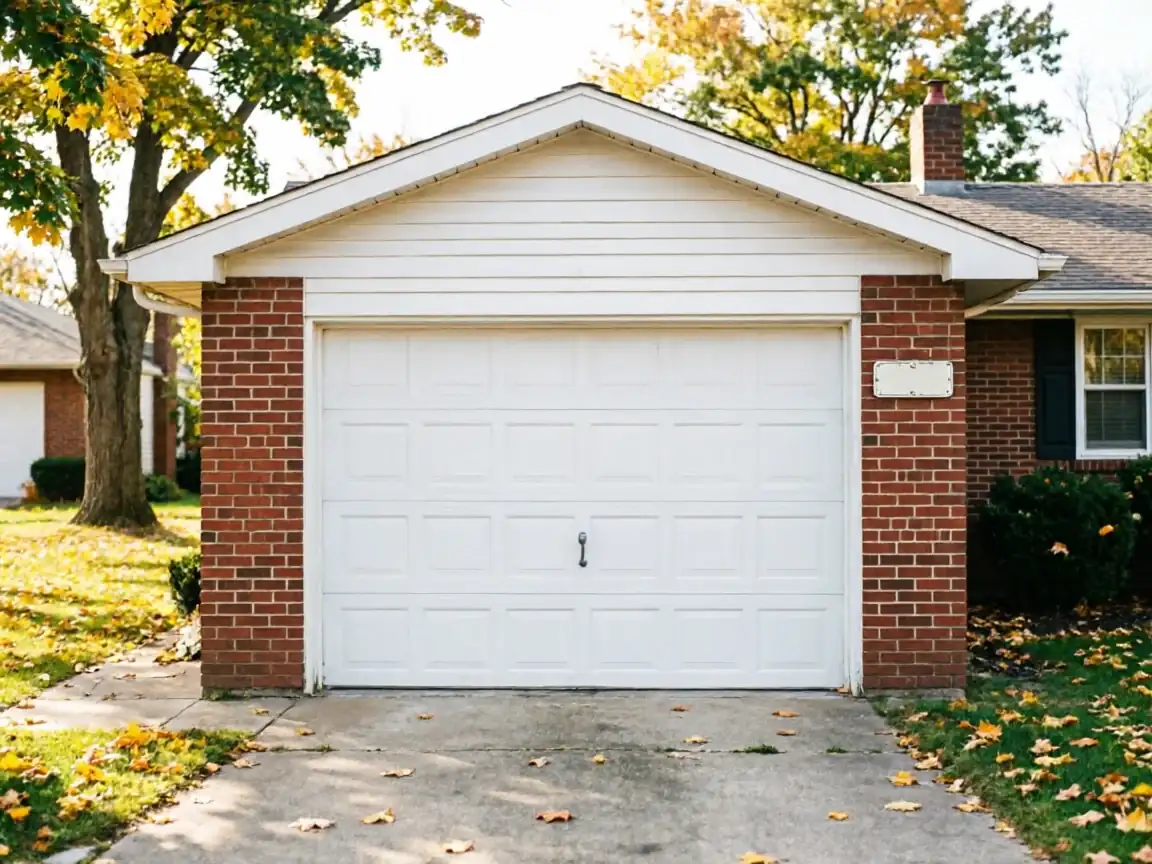
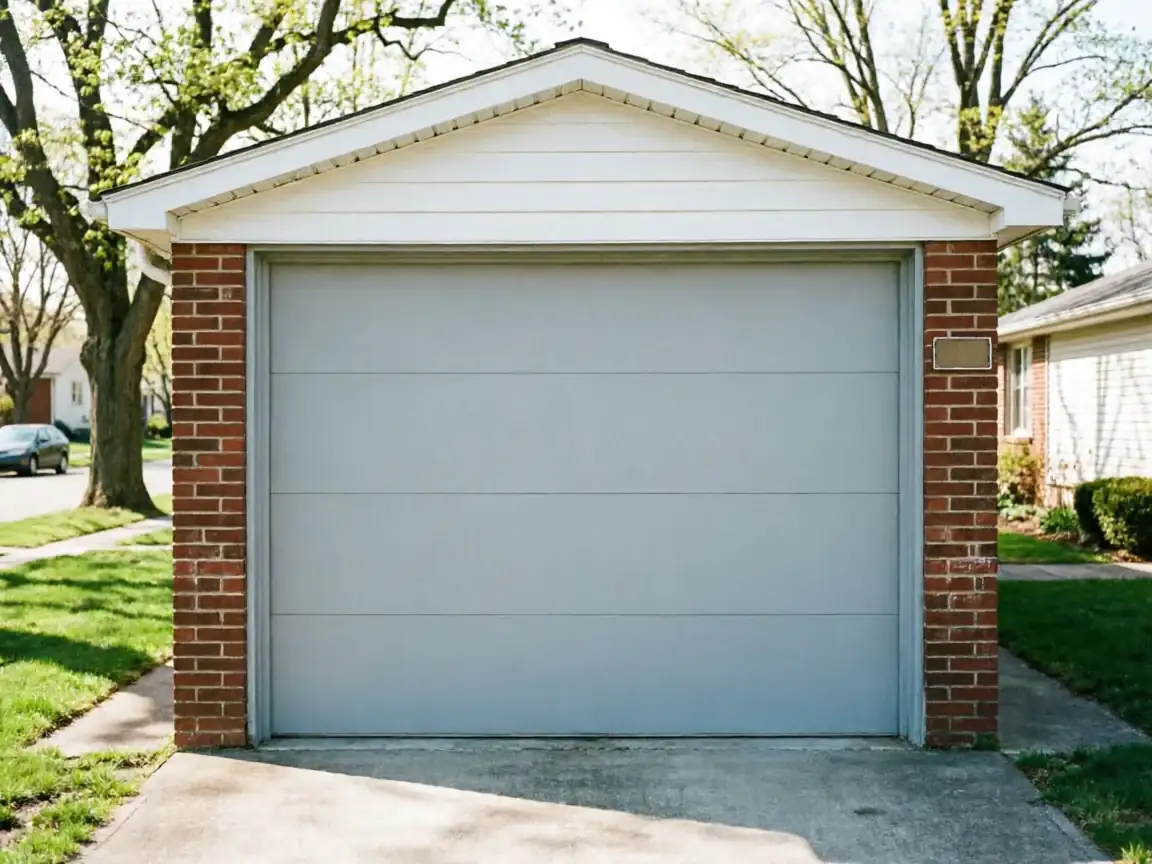
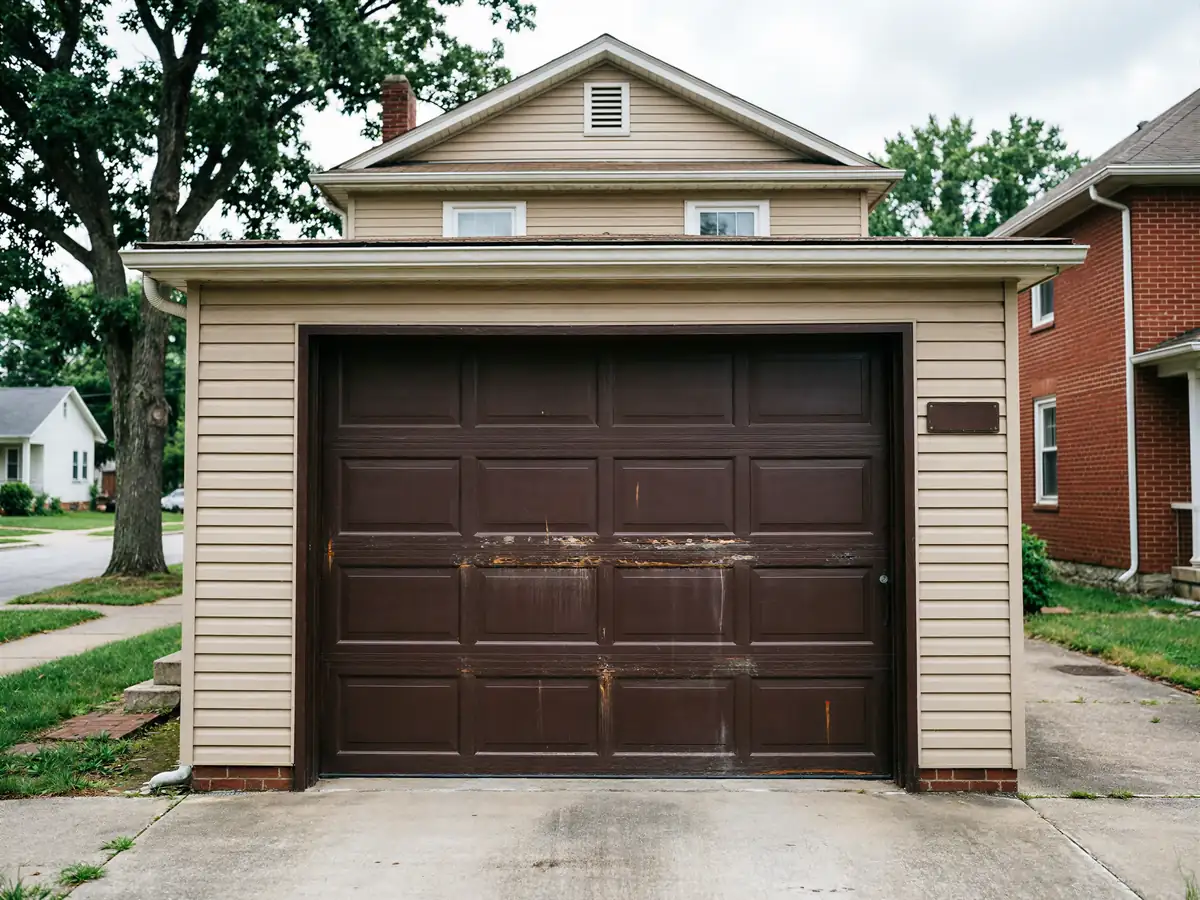
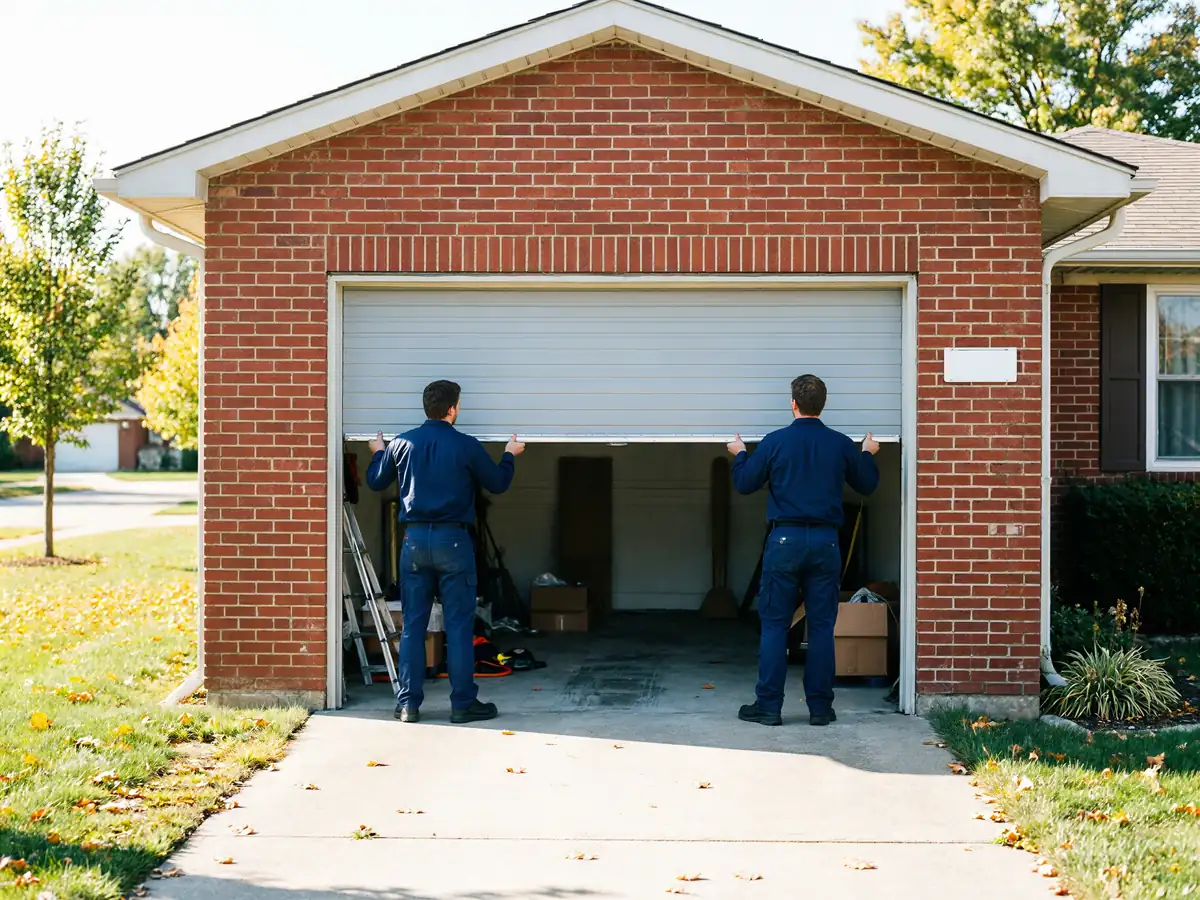
The door that prompts a replacement call in Harwood usually isn't dramatic. It's a single steel door, original to a house built somewhere around 1986, that's gotten heavy to lift by hand, groans on the way up, and has a bottom panel that's started to bow or rust along the seam where the old seal gave out. Sometimes the torsion spring has already gone - a loud bang, then a door that won't budge. Sometimes it's just slower and stiffer every winter until one cold morning it doesn't move at all.
Either way, on a door this age in a cold-severe climate, that's not a one-off fault. It's the hardware and the steel reaching the end of what they were built for. We'll still look at a door that's only showing one symptom and tell you if a repair is worth doing. But if you're calling about a second or third issue on the same original door, replacement is usually the conversation we end up having anyway.