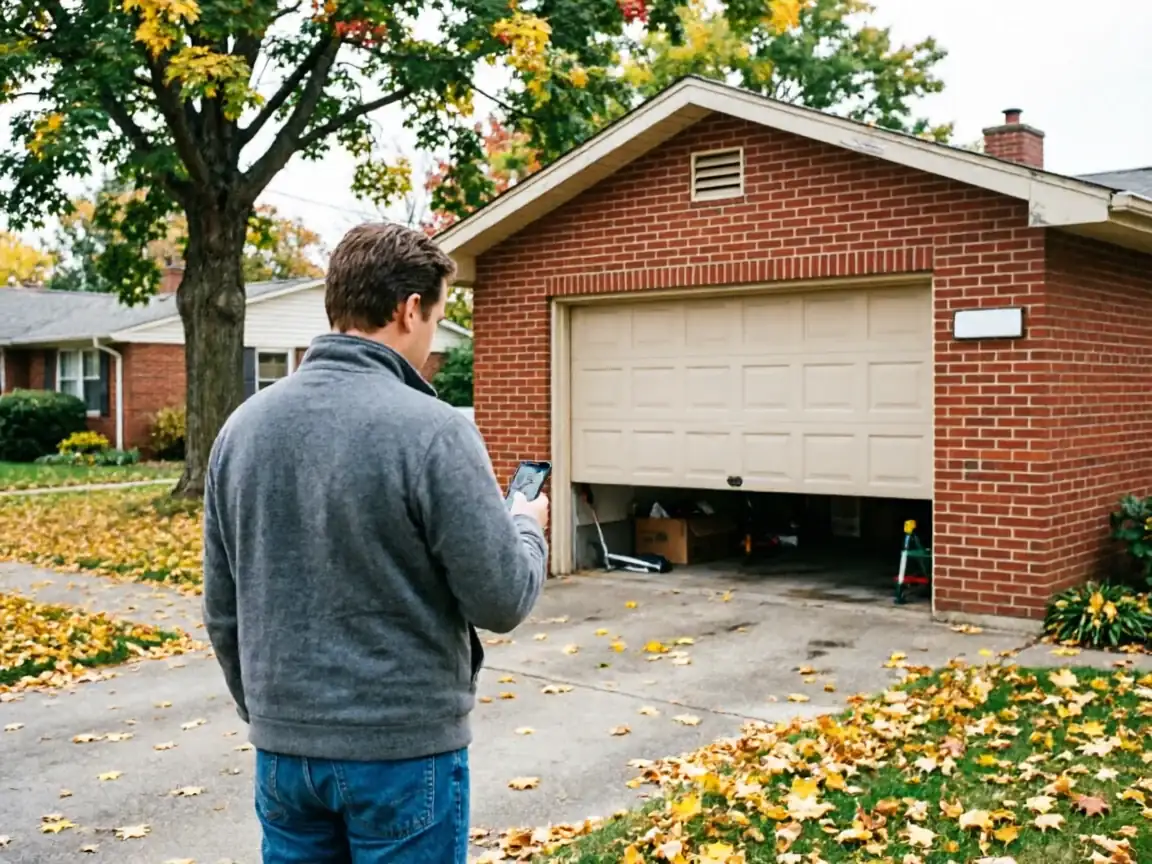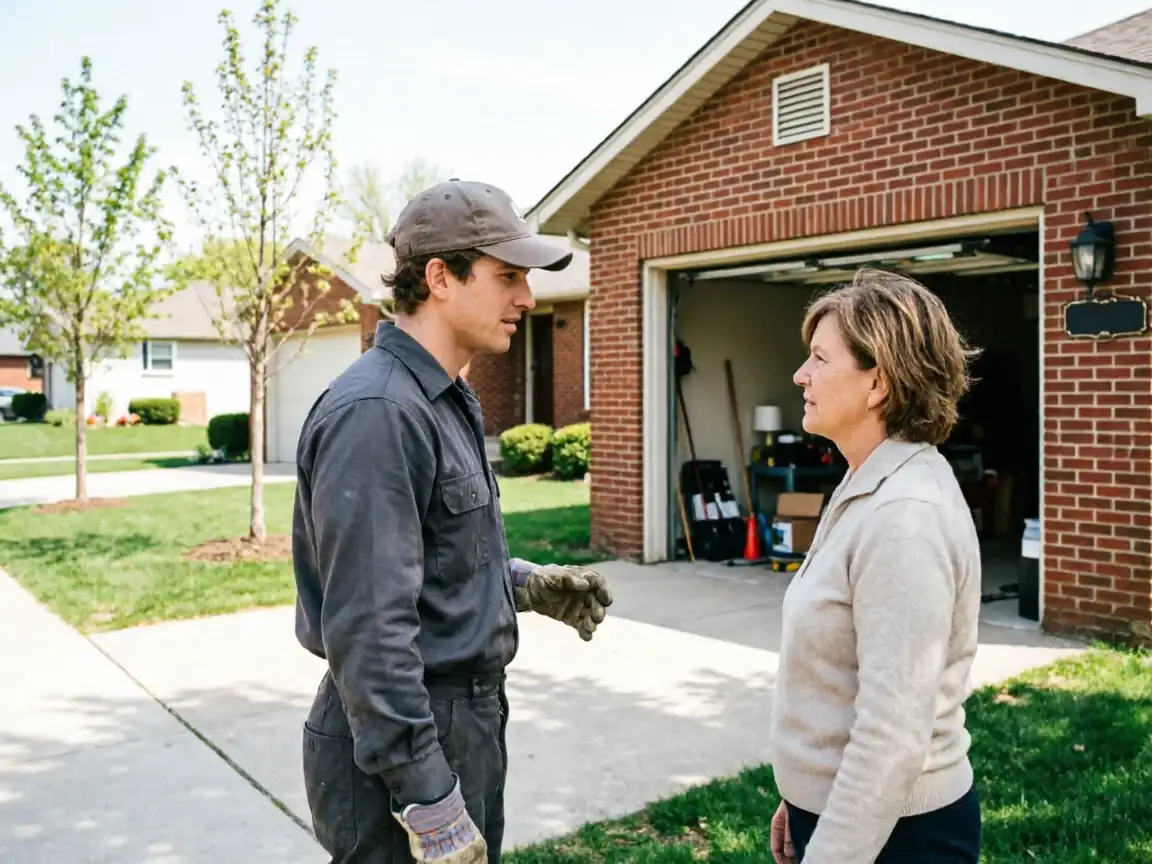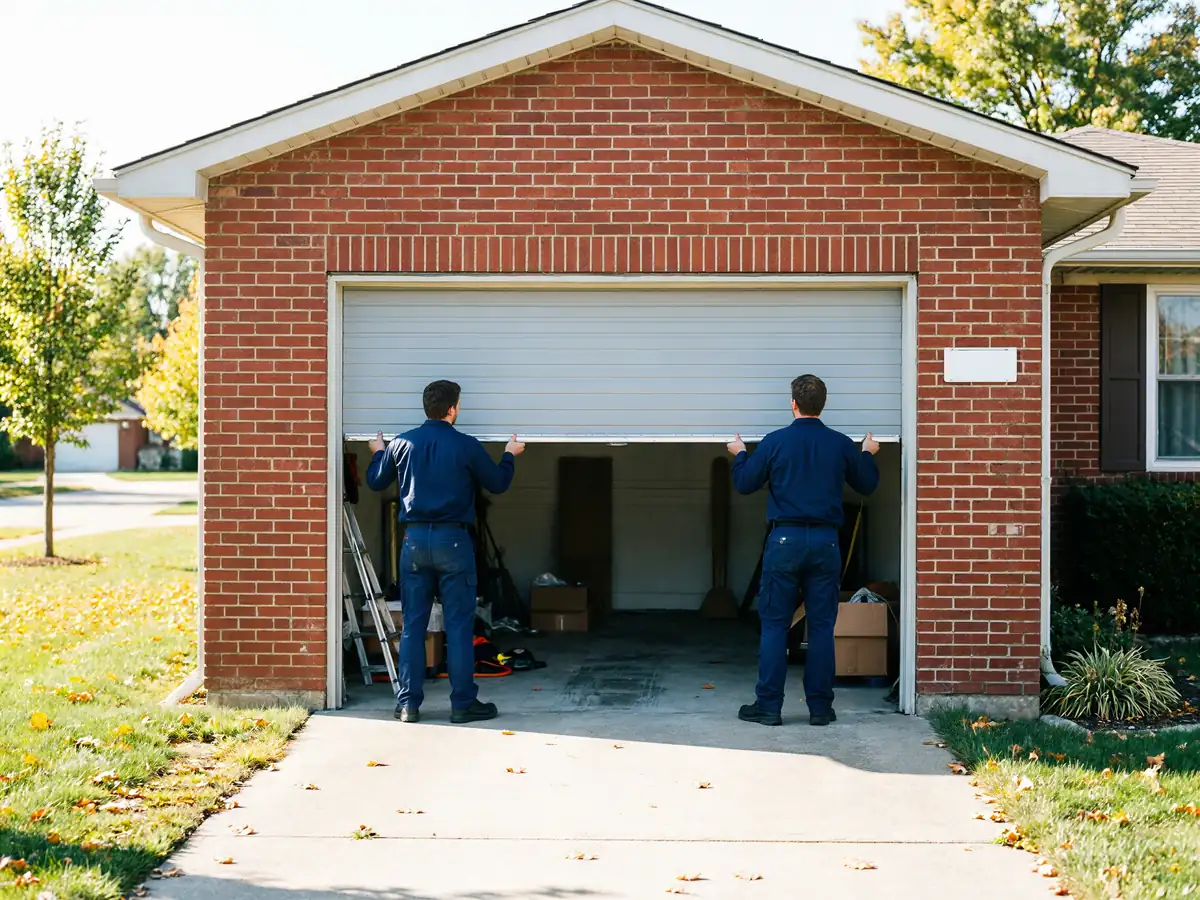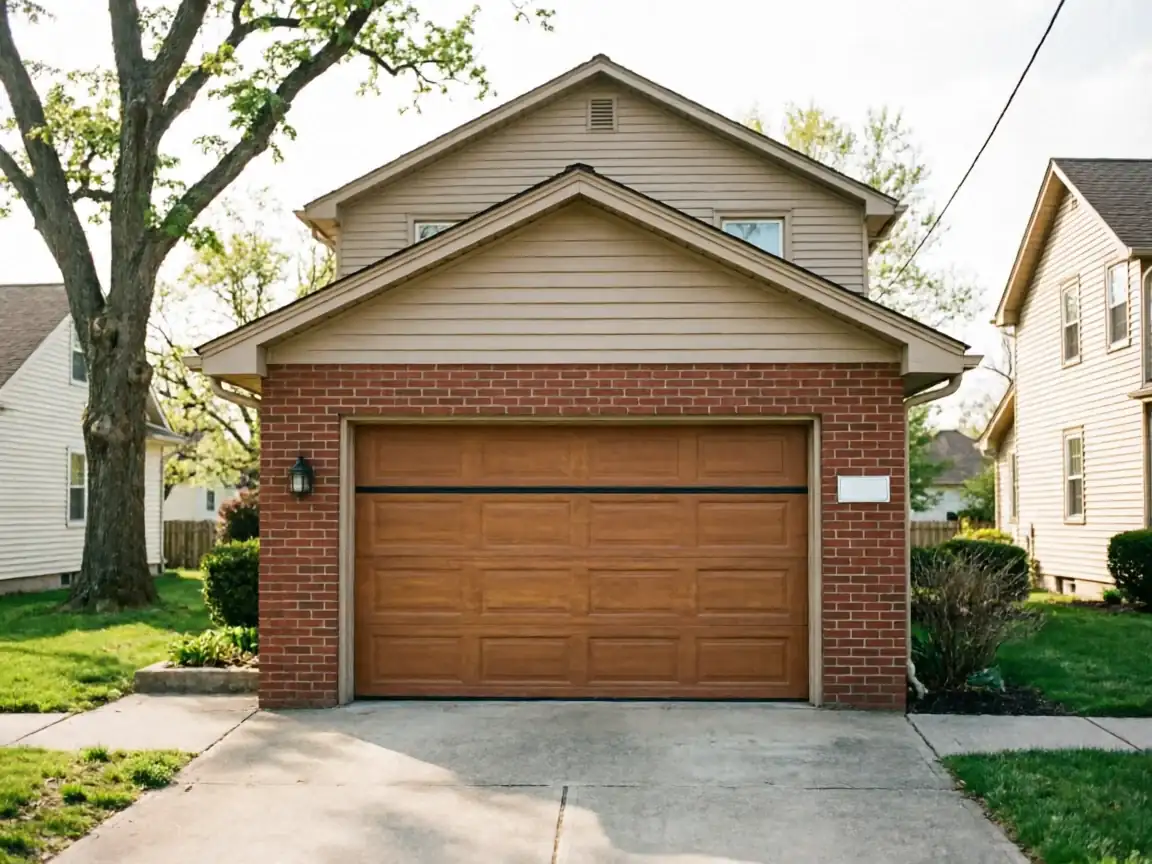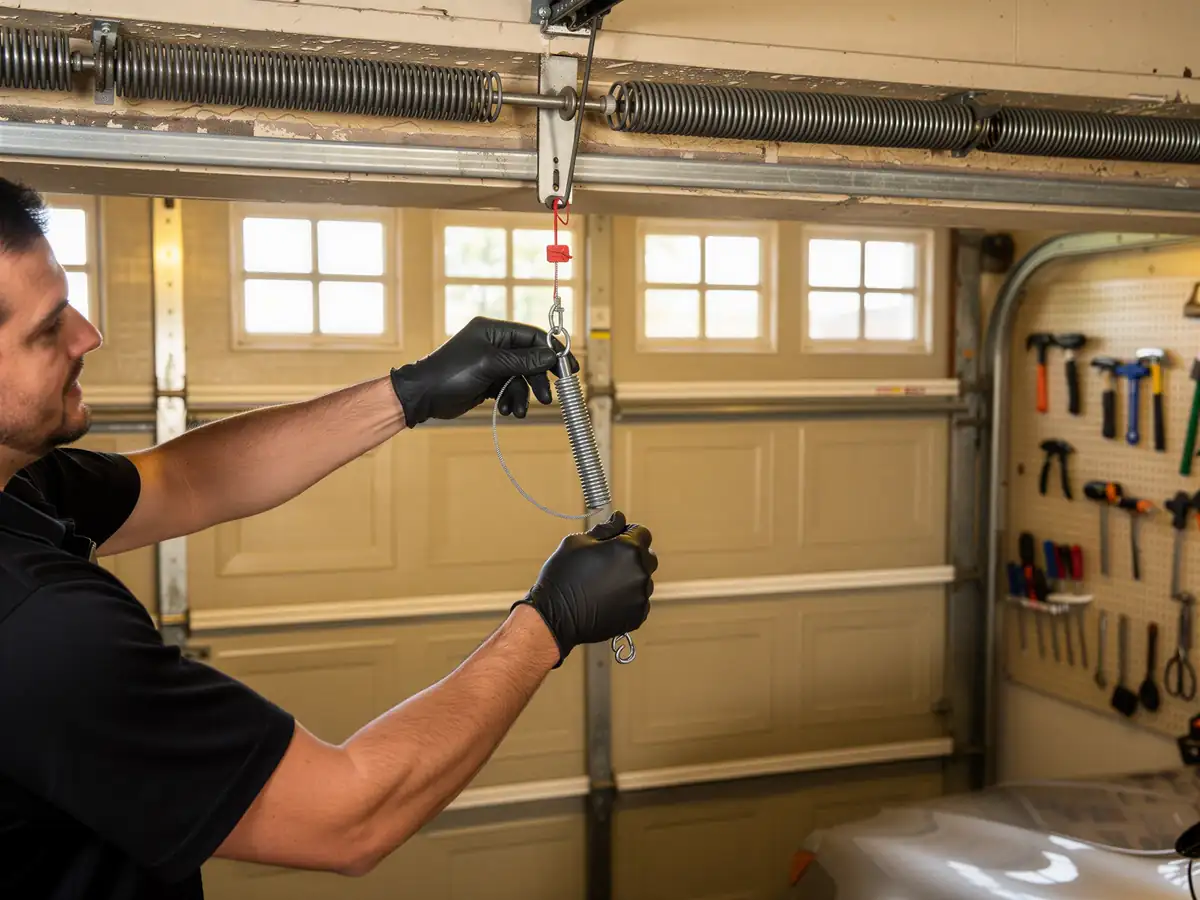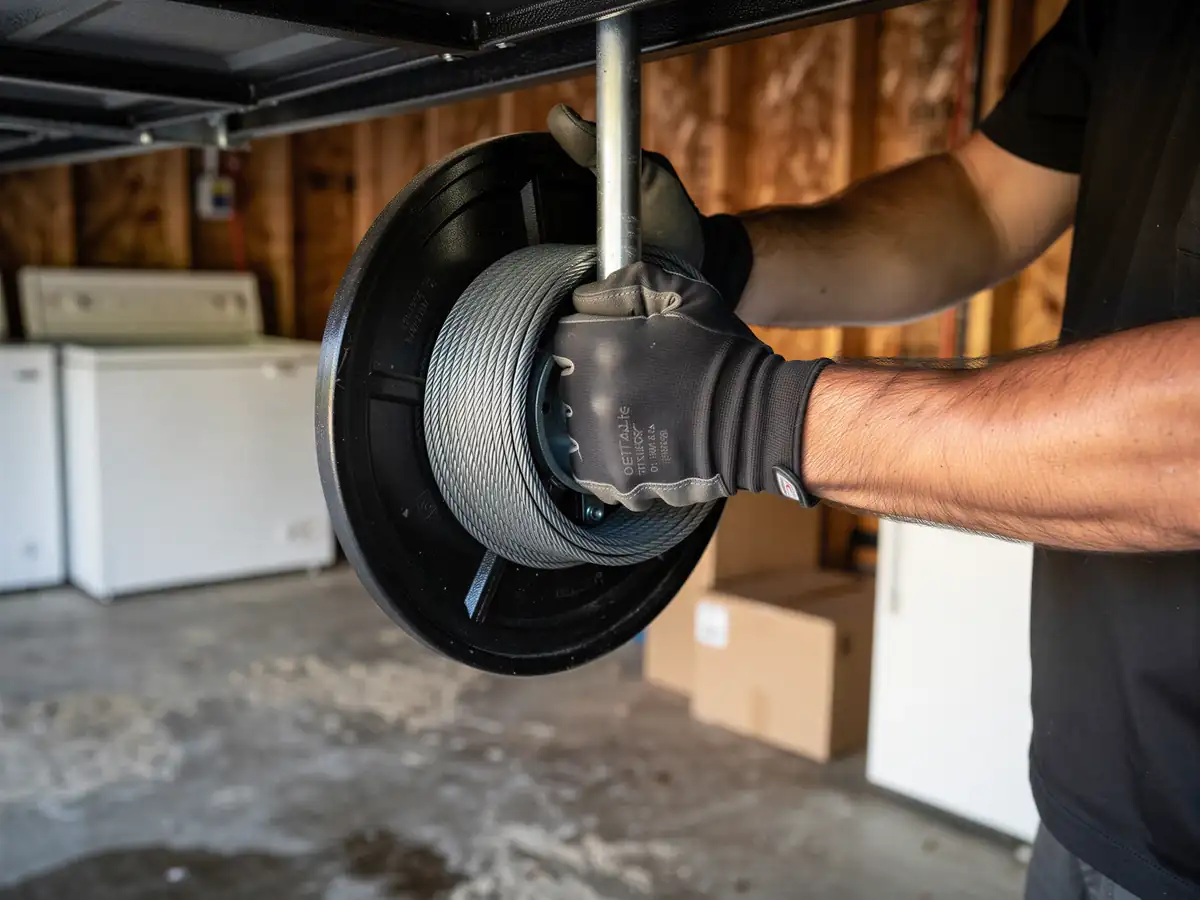
The Problem
Most of the housing around Fargo went up between 1969 and 2006
With a big chunk from the 1980s and 90s spread across areas like and the Downtown-adjacent blocks. That means a lot of doors and openers out there are hitting the age where the question isn't "what's wrong with it" but "is it still worth touching." A door from a 1985 build and a door from a 2001 build fail differently - different steel gauges, different spring setups, different opener logic boards - and homeowners often fix the wrong half of the problem because they're guessing at an era instead of knowing it.
The real issue is that a repair call on a 30-year-old door can turn into three repair calls inside a year once the rest of the hardware starts going
Nobody wants to pay for a new cable this spring and a new spring next winter on a door that was already due for replacement. That's the call we actually have to make on-site, and it depends on what decade your house - and your door - came.
What Most People Get Wrong
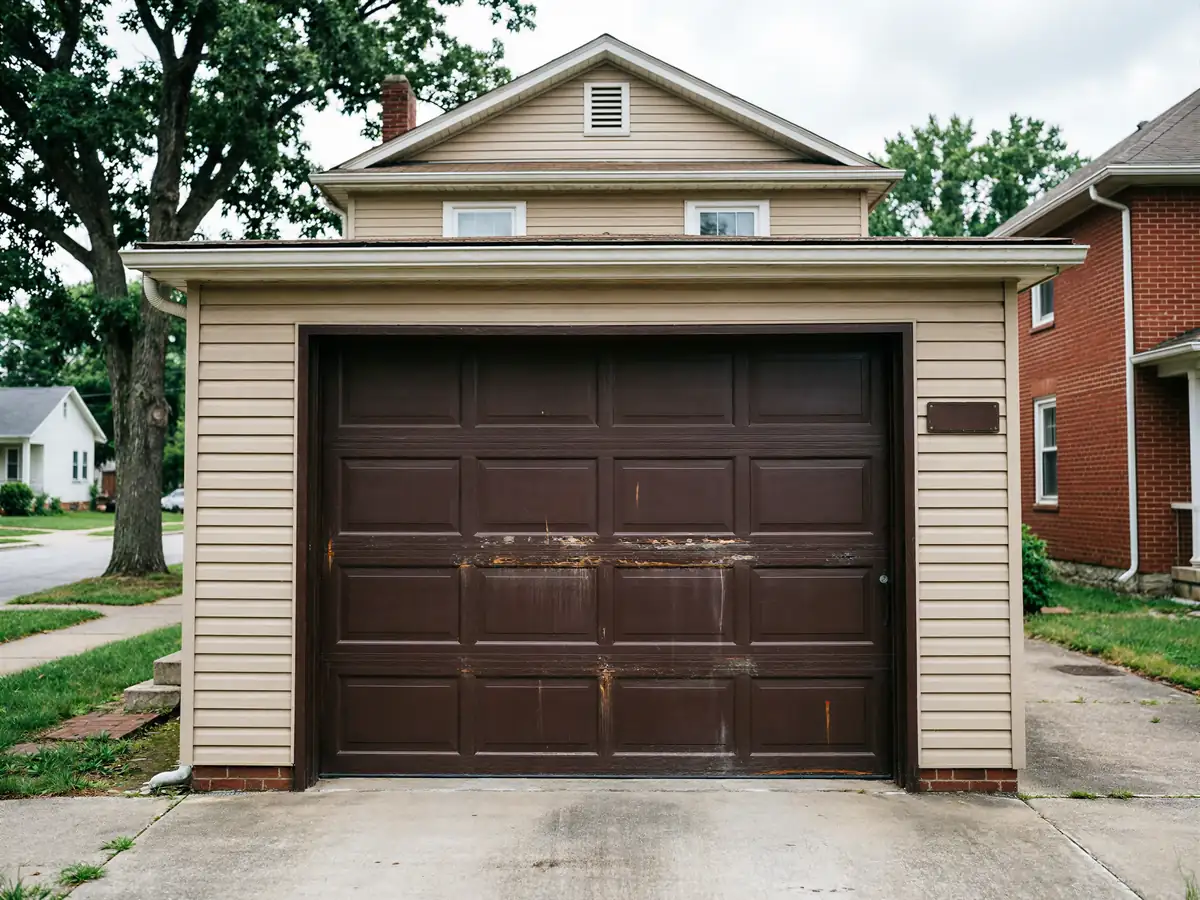
The common mistake is treating every garage door problem as a parts problem instead of an age problem. A homeowner with a door built during the 1980s-90s boom will replace a broken roller or a snapped cable and assume that solves it, when the track is bent from decades of cold-weather contraction and the opener motor is on its last winter anyway. Fixing one part on a door that's otherwise near the end of its service life isn't wrong, exactly - it's just a short-term answer dressed up as a long-term one.
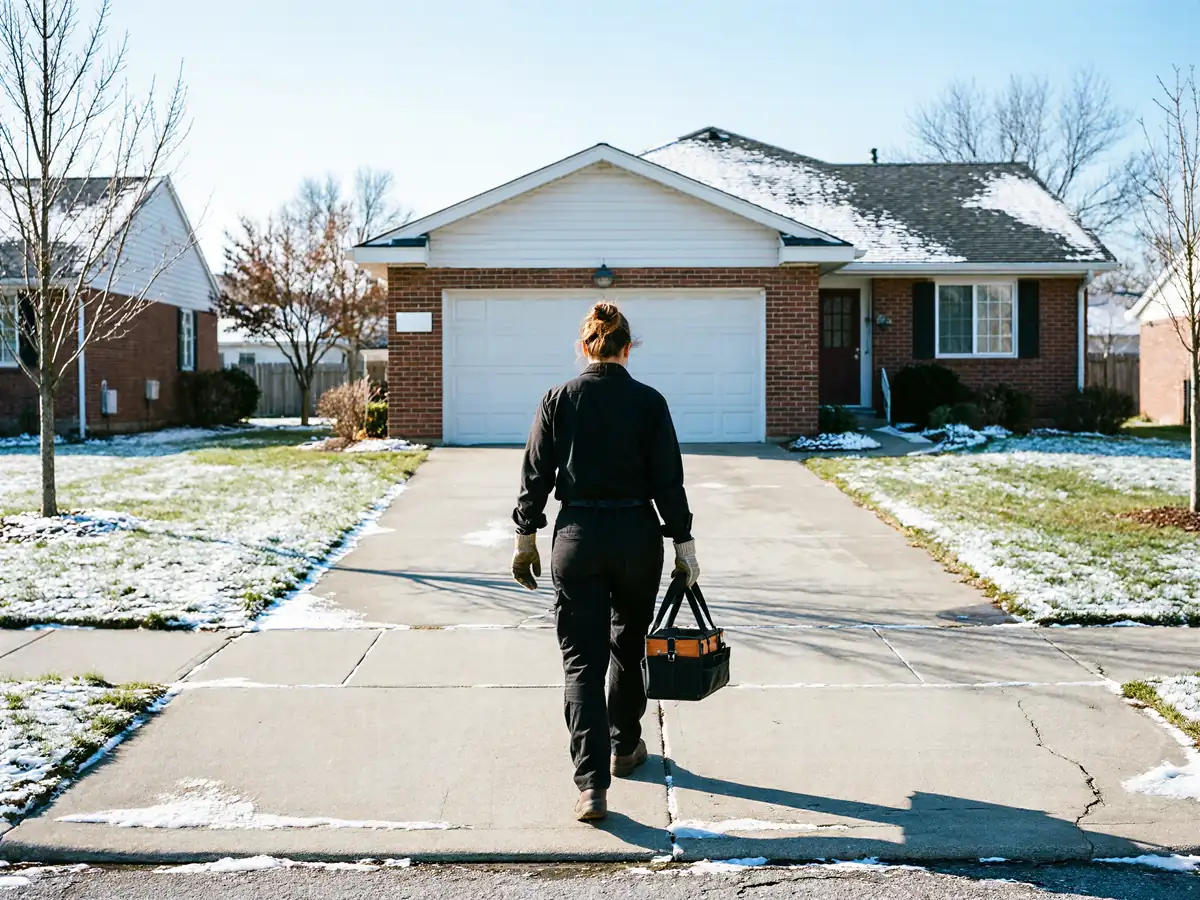
The other mistake runs the opposite direction: assuming anything old needs full replacement. A door from the 1990s with steady, well-maintained hardware and a single worn spring is often a perfectly good fix. Age alone doesn't condemn a door. What matters is whether the track, the drums, and the opener have been keeping pace with the stress the Fargo winters put on them, or whether they've been quietly losing ground for years. That's a judgment call, not a rule of thumb, and it's one we won't make for you over the phone without seeing the door.
What Local Conditions Do
Fargo sits in a severe cold climate band, and that changes what "worn out" means here compared to a milder place. Steel contracts in deep cold, which means panels, tracks, and fasteners that were torqued and aligned in a 70-degree garage in July get stressed every time the temperature drops hard in January. On a door built in the 1980s or 90s, that cycle has repeated for thirty-plus winters. Springs lose tension faster under repeated cold-stress cycling, and nylon rollers that were fine for two decades start cracking once they've gone brittle from enough freeze-thaw swings.
This is also why a repair that would hold up fine in a warmer climate can fail again quickly here. A spring rated for a certain cycle count doesn't know it's rated for that count at 70 degrees, not negative 15. If your door's hardware dates to the older end of that 1969-2006 range, the cold has likely already done more damage to the steel than the mileage on the door would suggest by itself.
Checking It Yourself
Before you call anyone, there's a quick check you can do
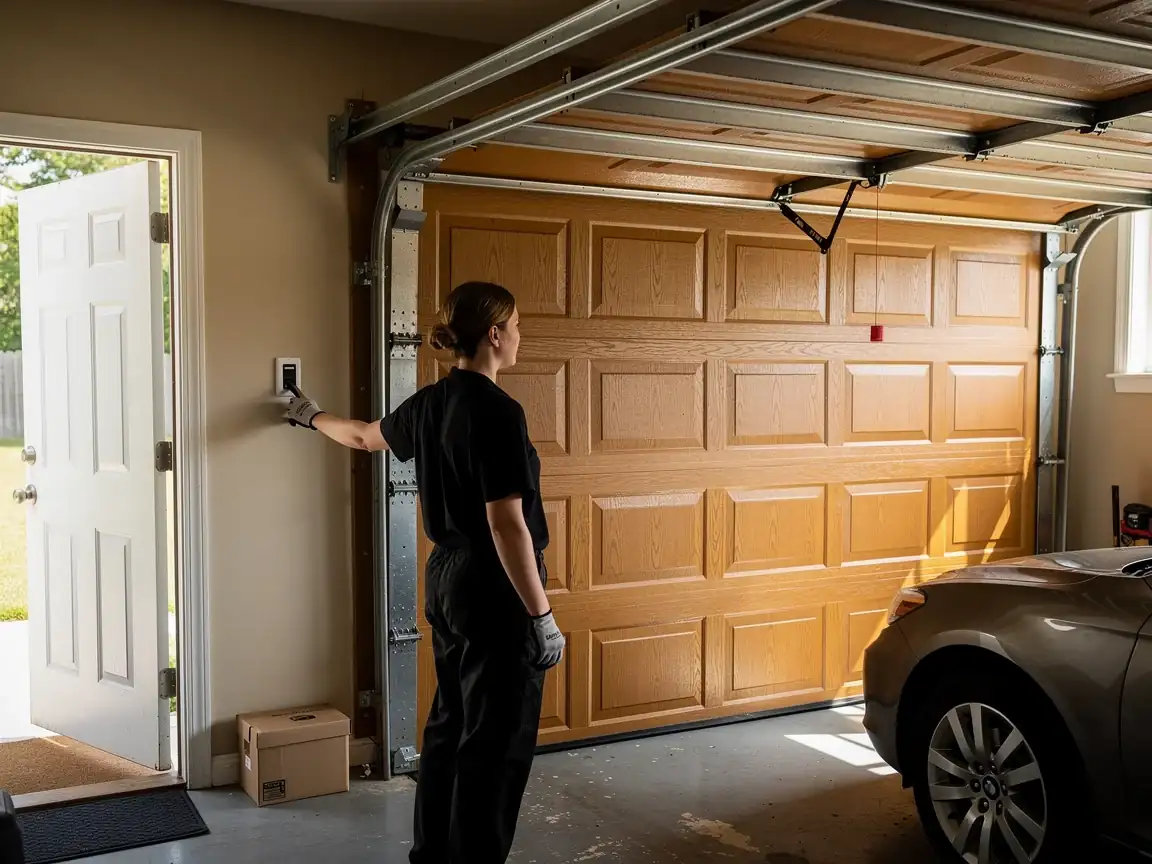
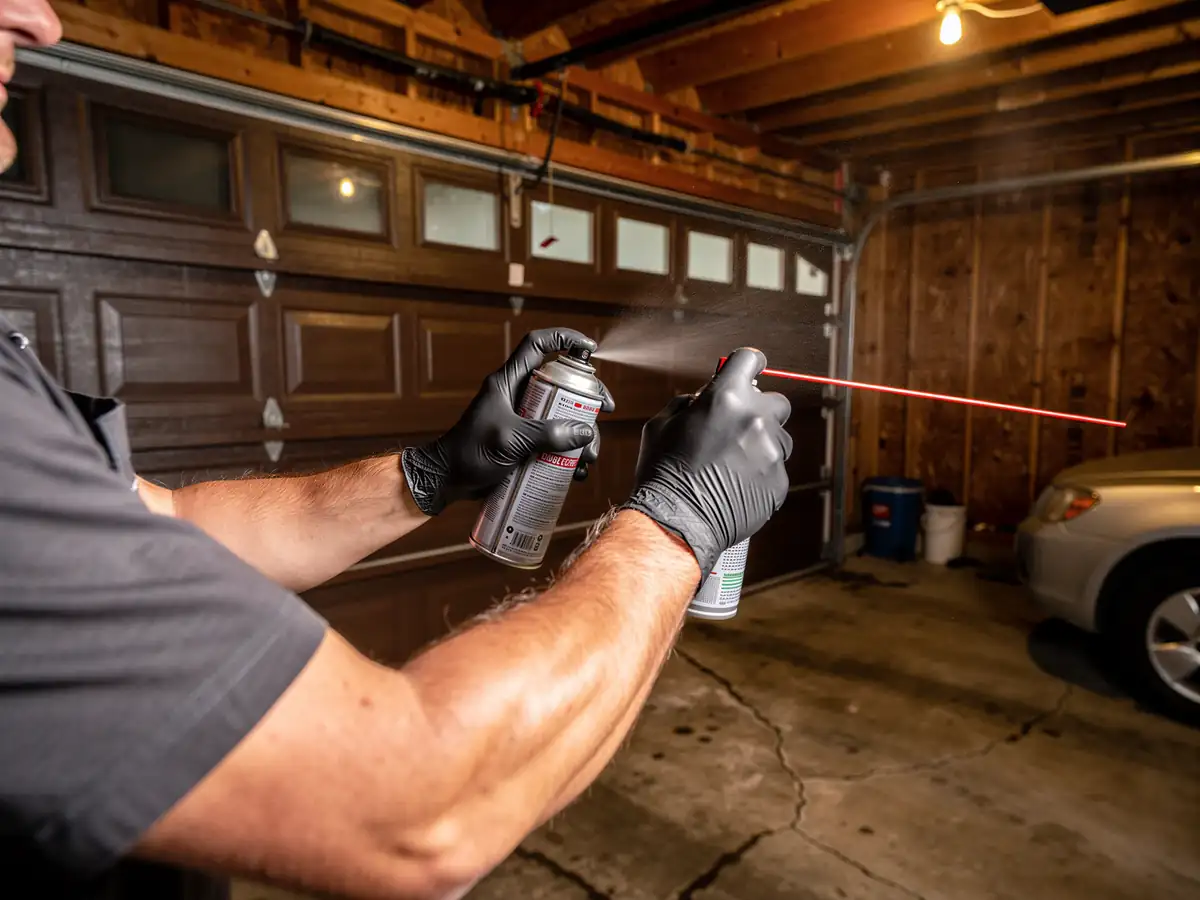
Disconnect the opener, lift the door by hand, and see where it stops. A properly balanced door should stay put anywhere you leave it. If it slams down or shoots up, the springs are compensating for something they shouldn't have to, and that's worth a second look regardless of the door's age.
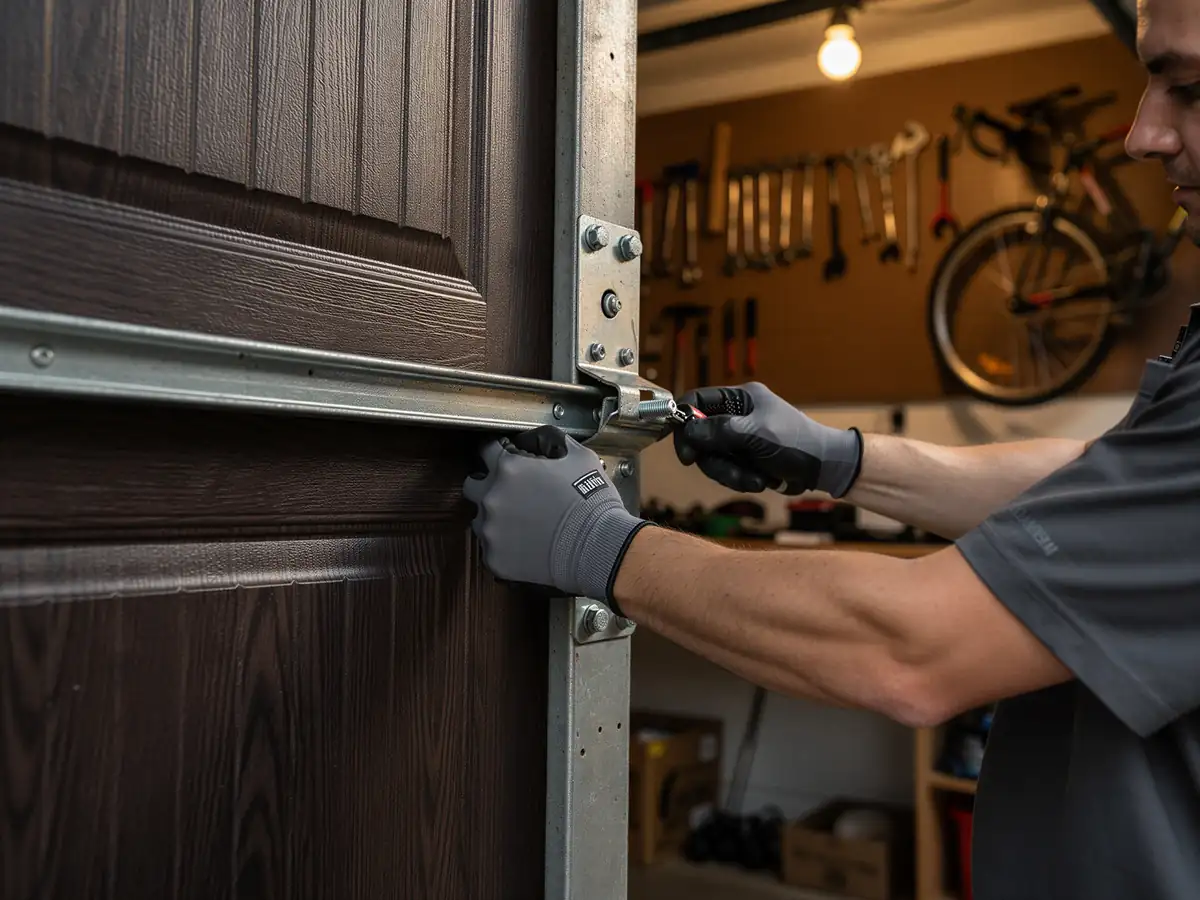
Next, look at the track for daylight gaps where it meets the wall brackets
Cold-driven contraction loosens those over the years, and a door built during the area's main construction boom has had a long time to work them loose. Check the bottom panel for rust streaks near the weatherstrip, since that's usually condensation freezing and thawing against the steel each winter.
We won't pretend every door is fixable
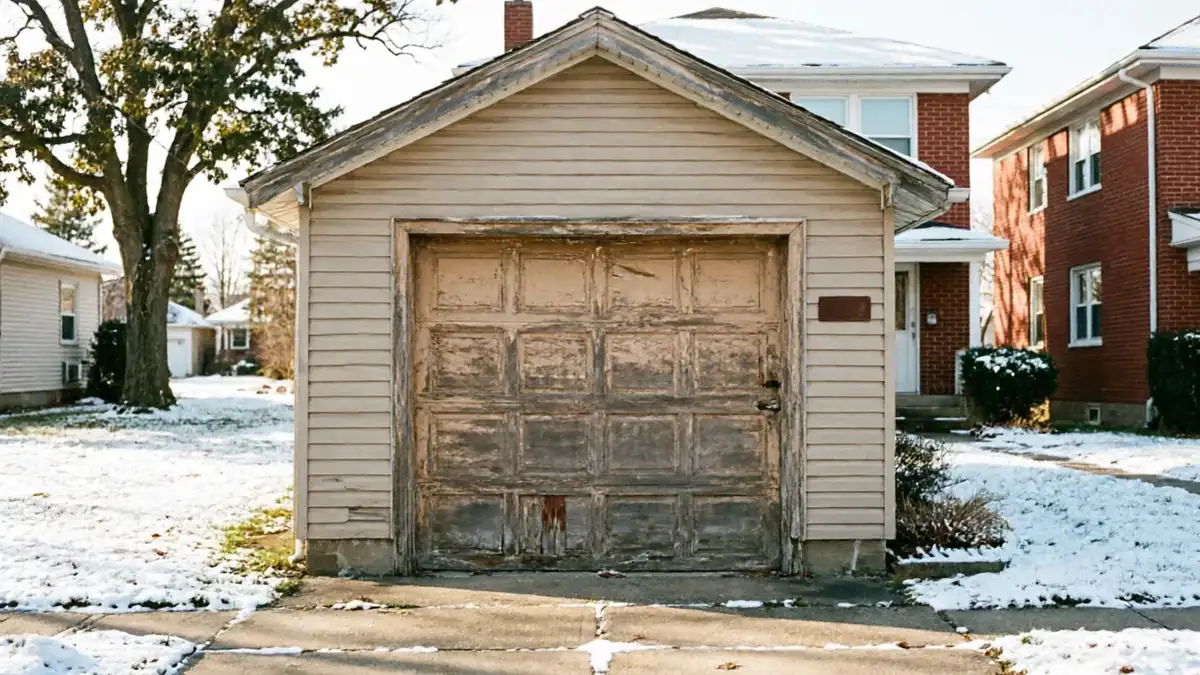
Once the track is warped on both sides or the panels have delaminated, you're paying for parts to prop up steel that's already failed. That's the point where replacement is honestly cheaper than chasing repairs.