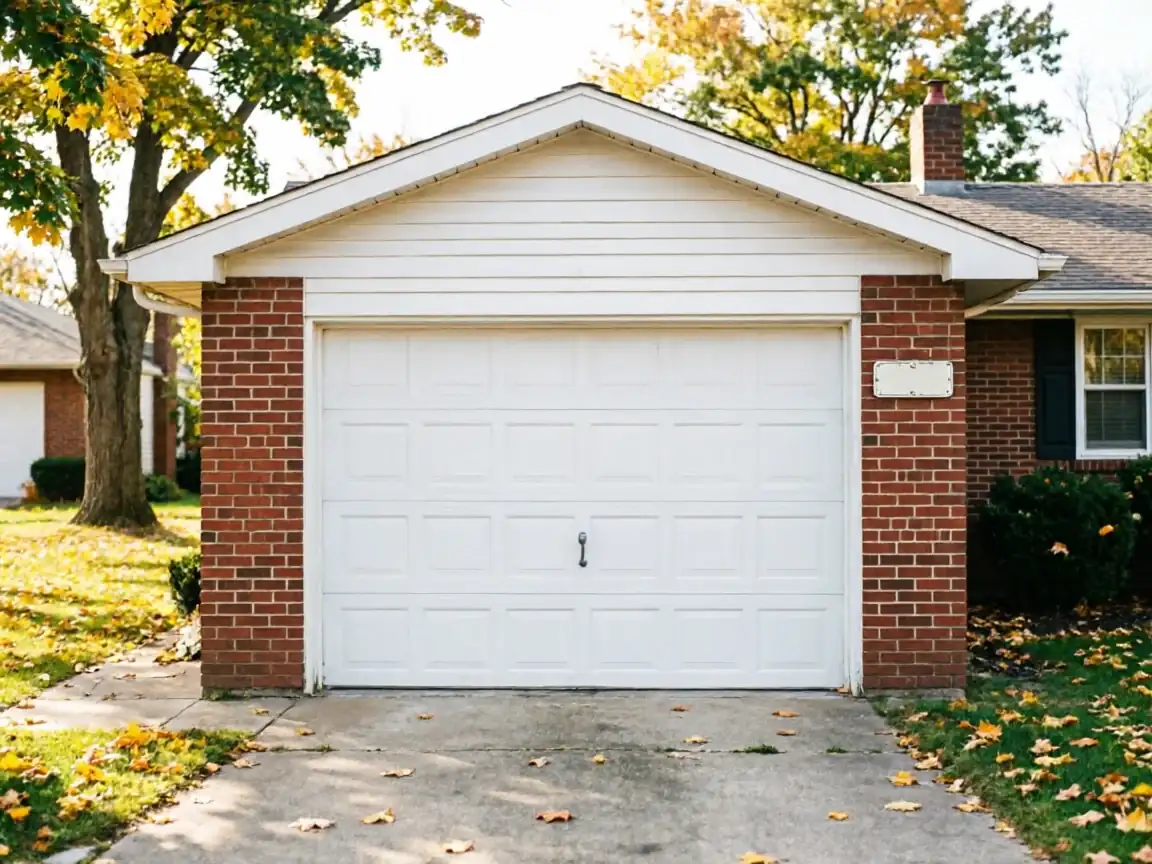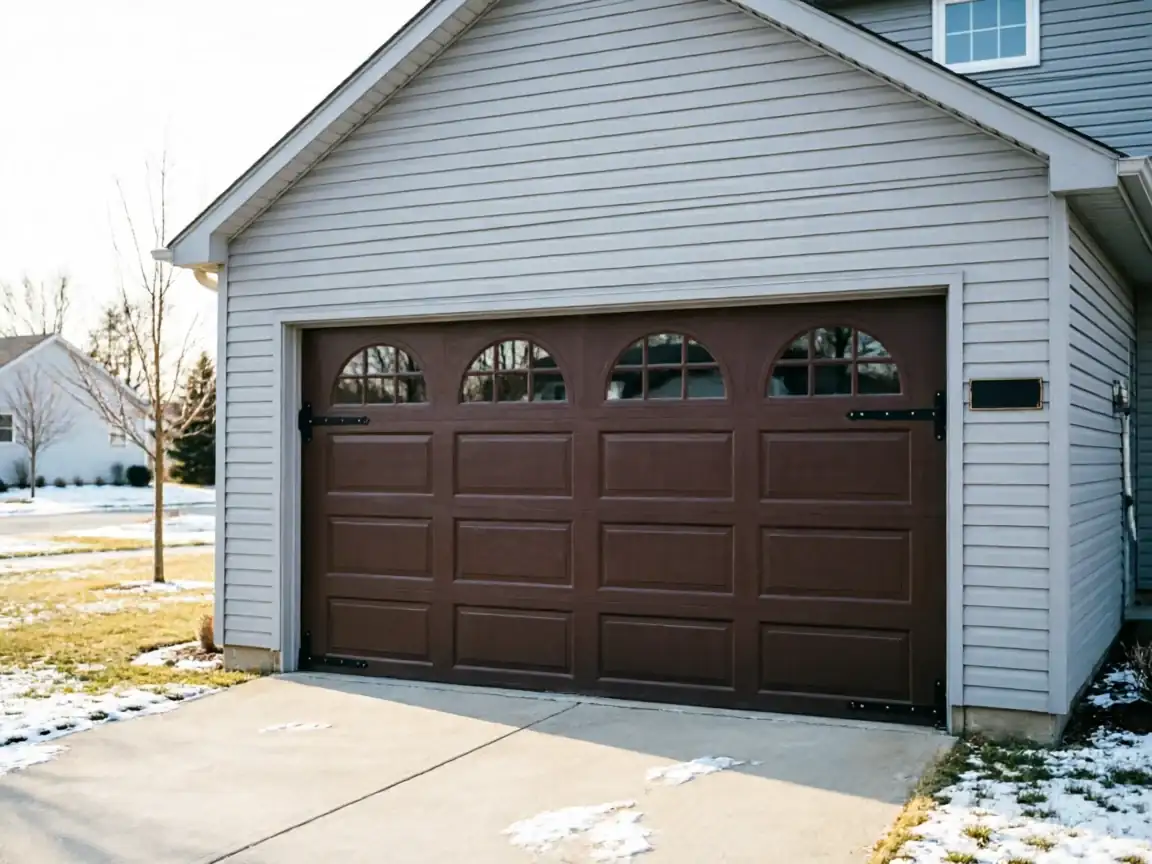
The Symptom
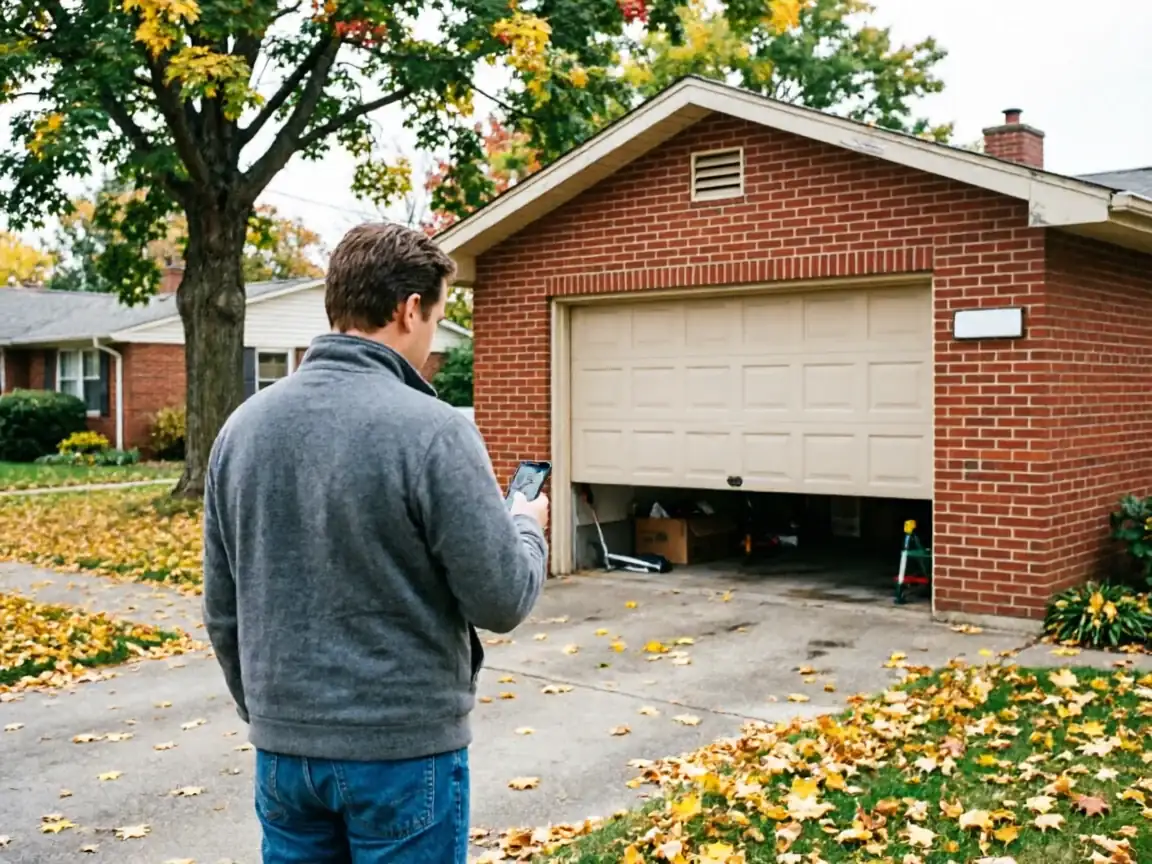
The door stops a foot off the floor, or it reverses halfway up for no reason you can see
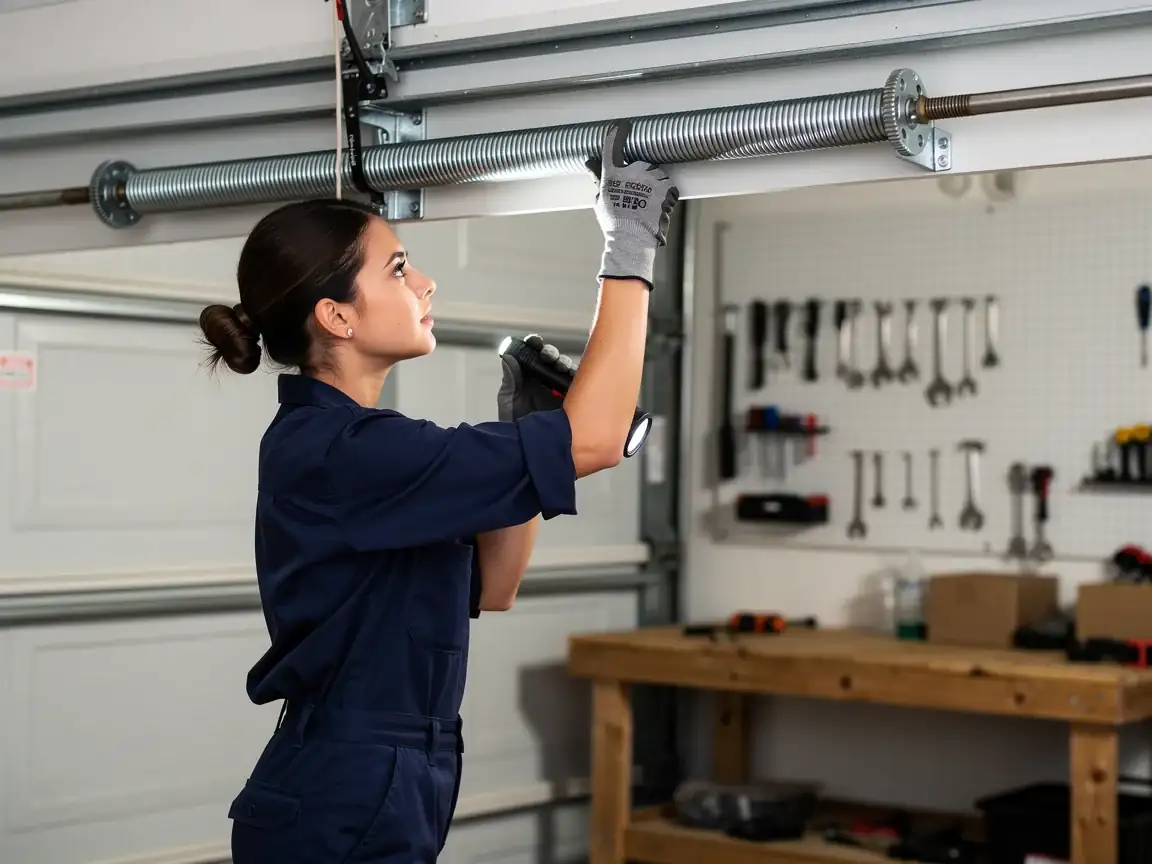
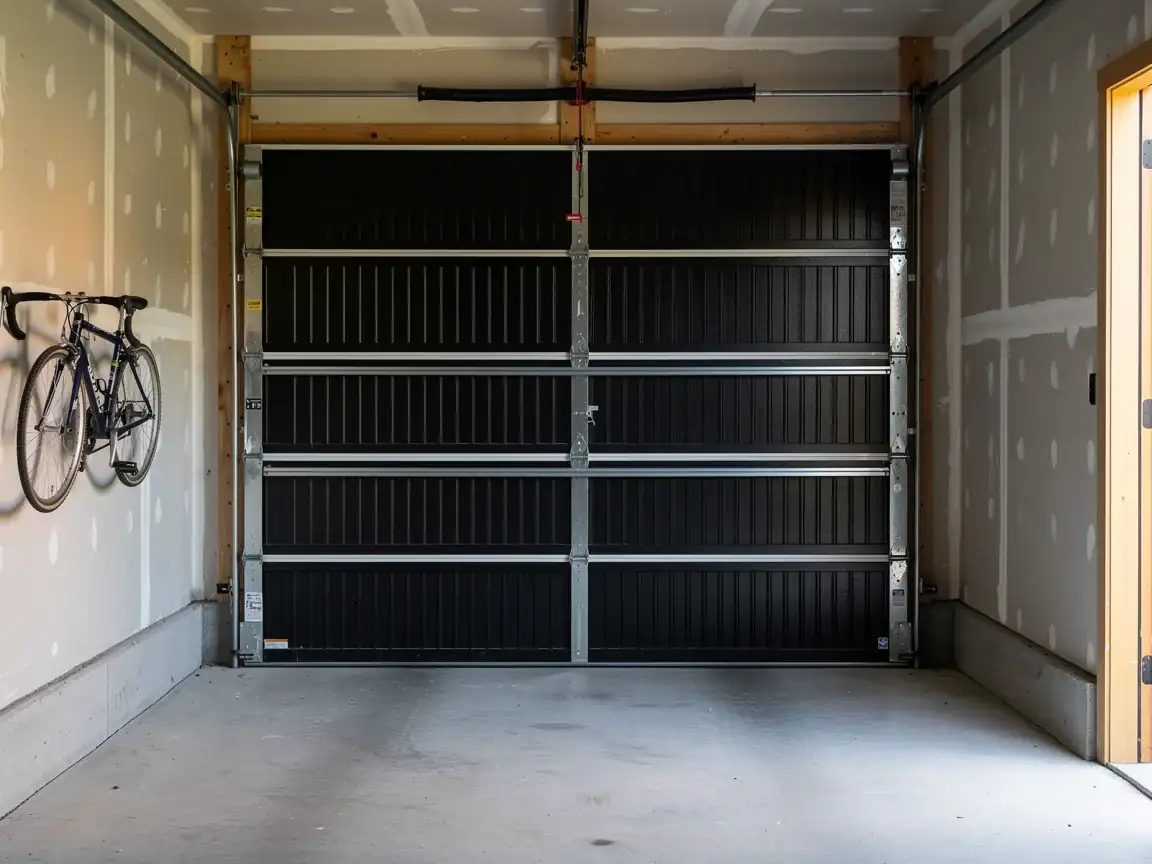
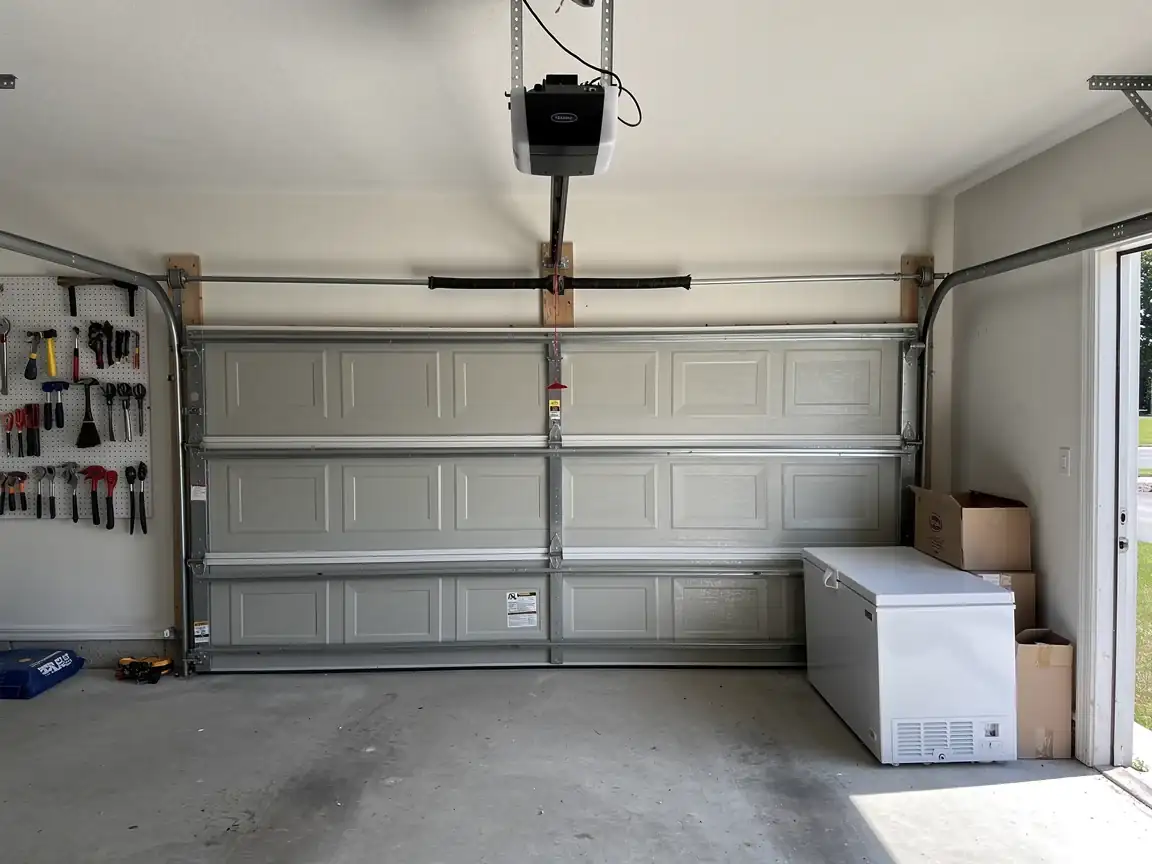
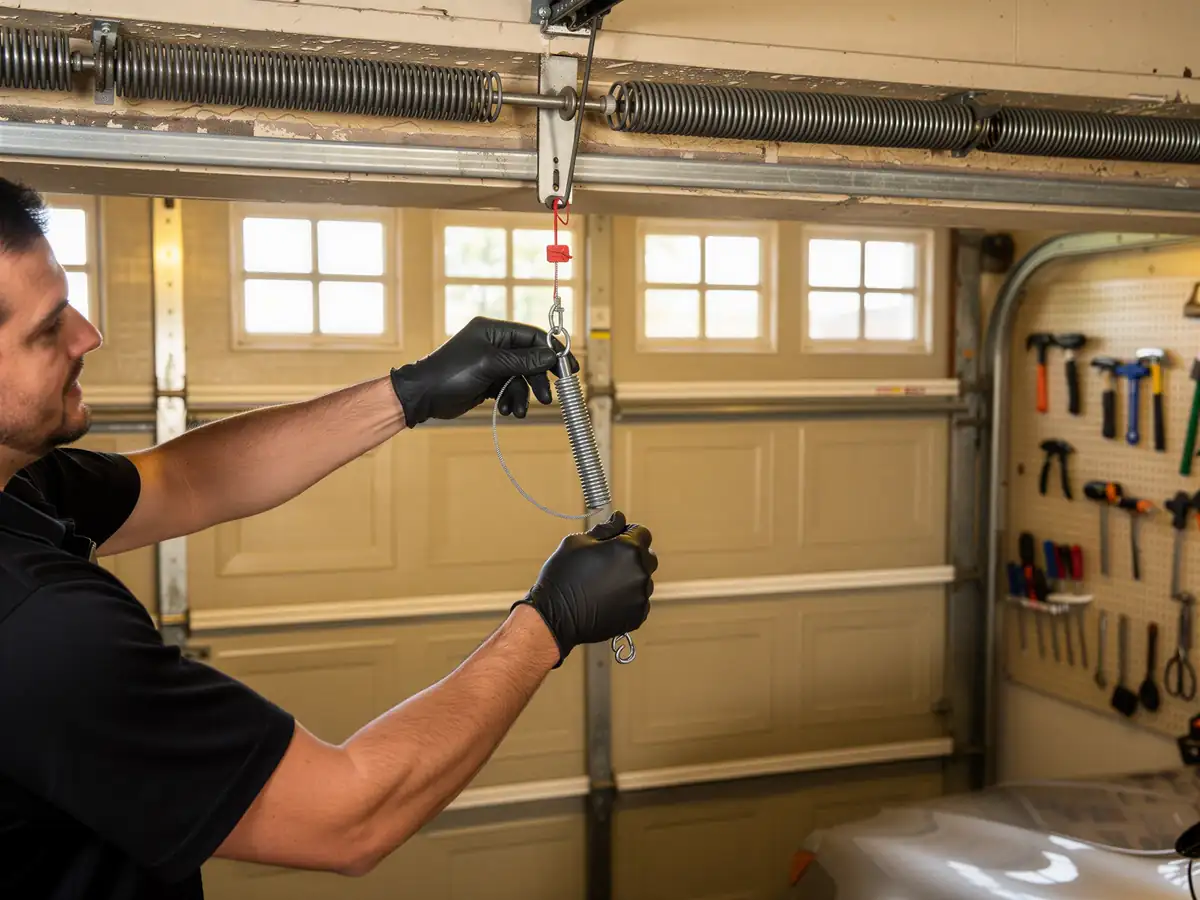
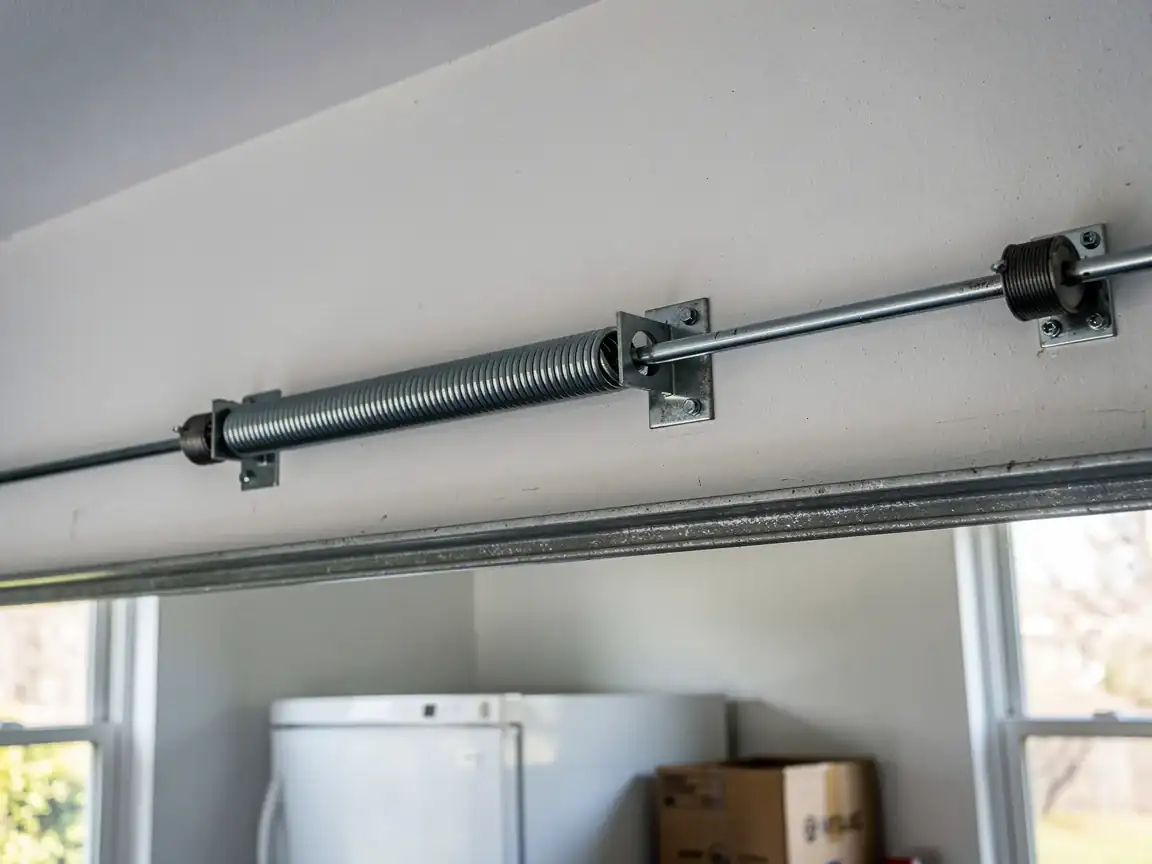
Sometimes it's a bang from the garage followed by the door refusing to move at all, and when you look up, one side of the torsion spring is hanging open instead of coiled tight. In a lot of Fargo garages this shows up first thing on a sub-zero morning, because that's when a spring that's been losing tension for years finally gives out.
Other times it's quieter
The opener motor strains and clicks but the door barely lifts, or it lifts and then creeps back down a few inches once the opener relaxes. Both point to the same root cause - the spring isn't carrying the weight of the door anymore, and the opener is trying to do a job it was never built to do alone. Ignore it and the next failure is usually a snapped cable or a bent track, not just an open spring.
Why This Fails Locally
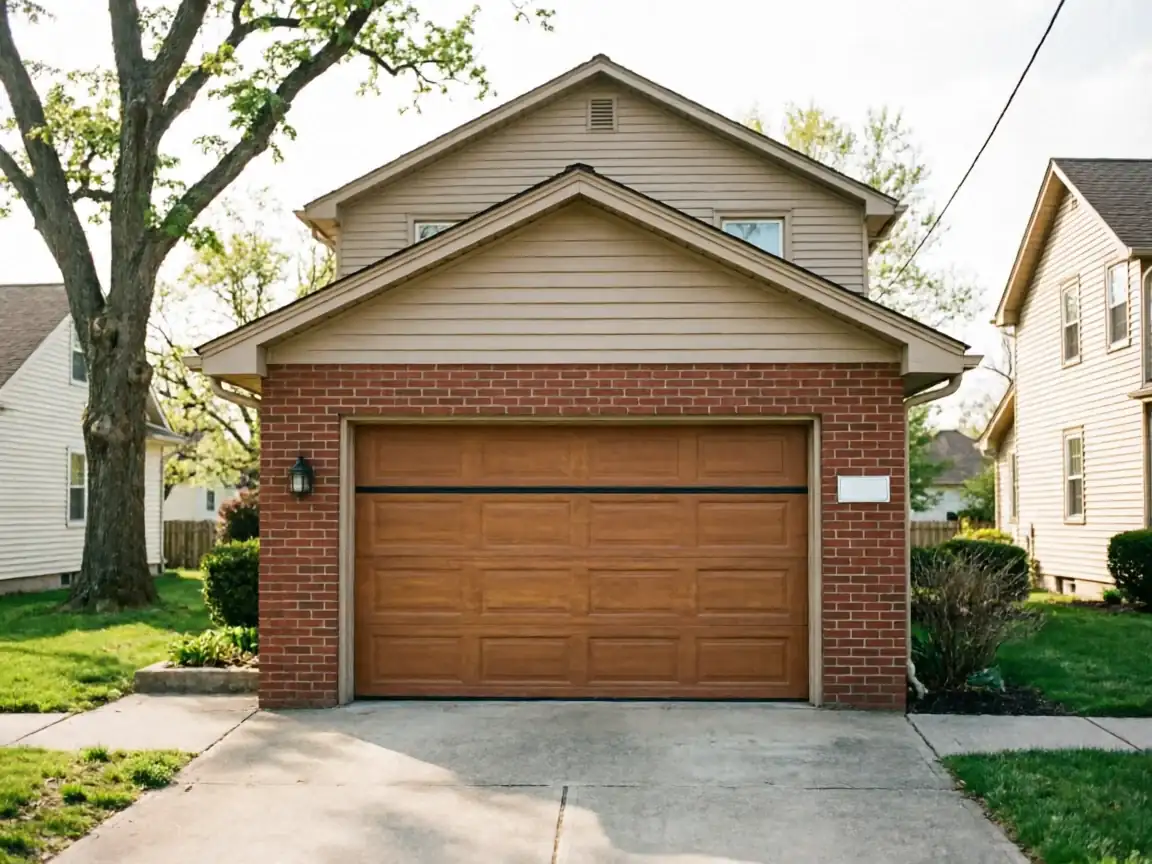
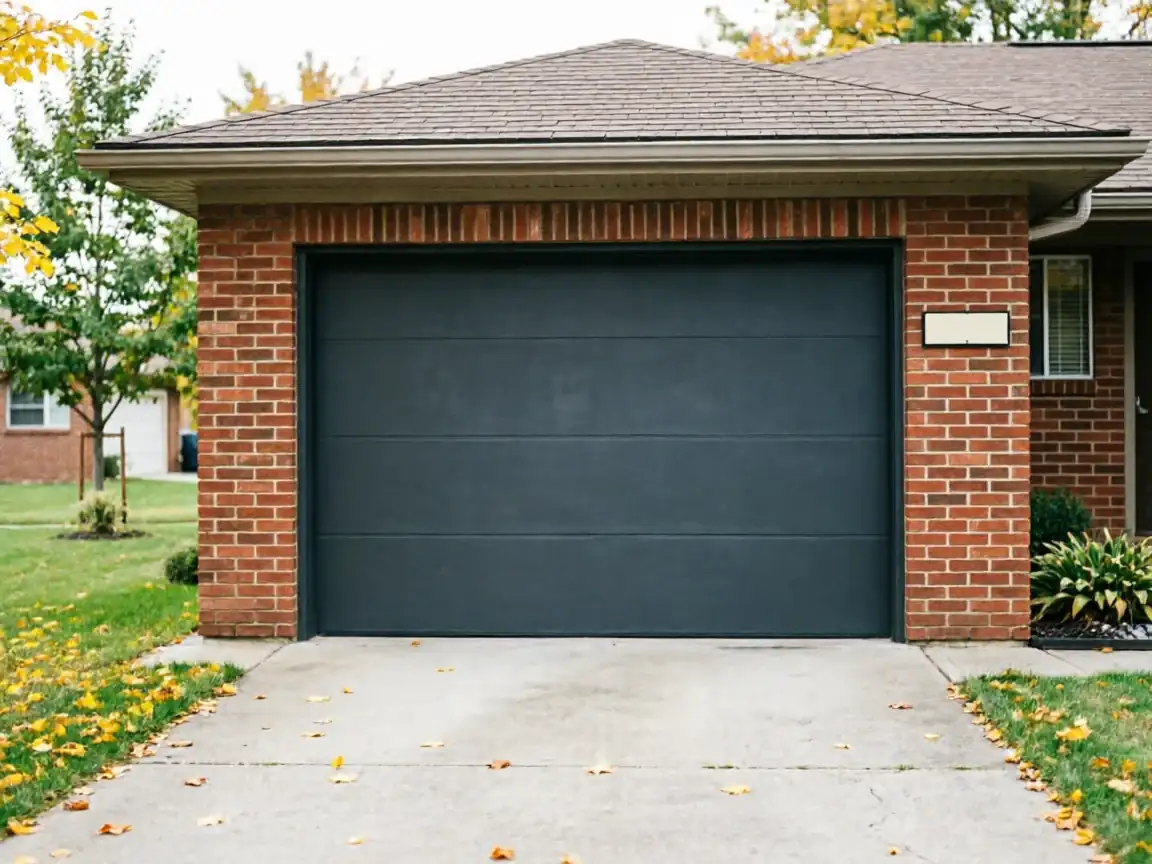
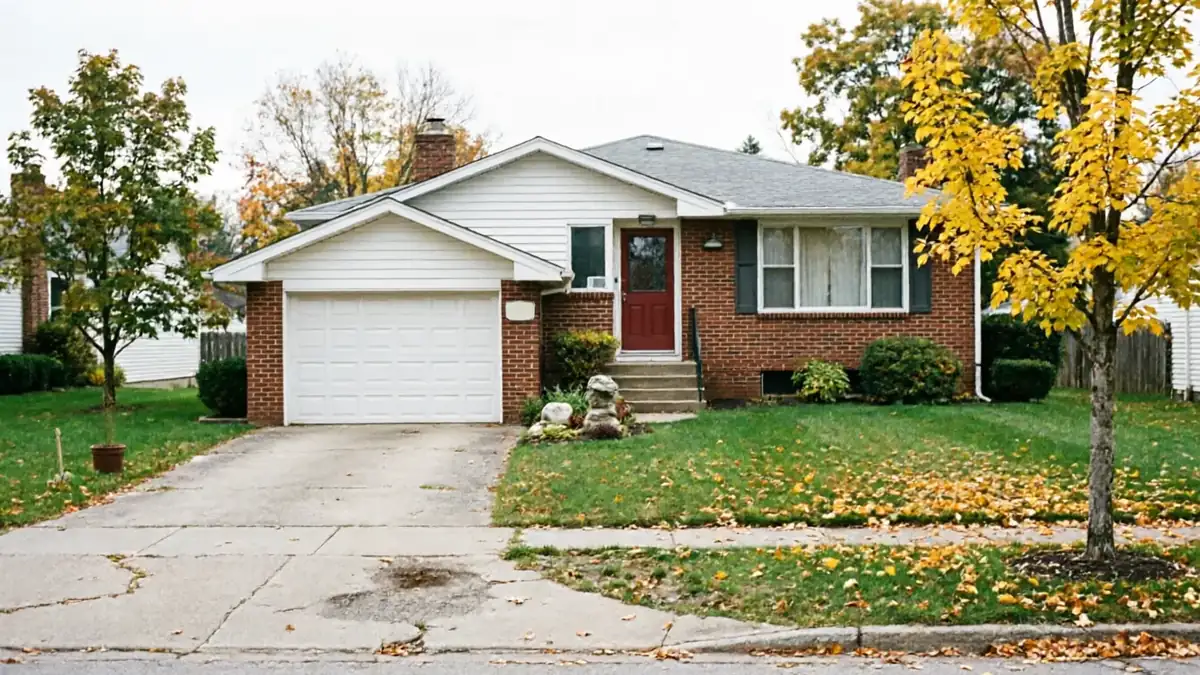
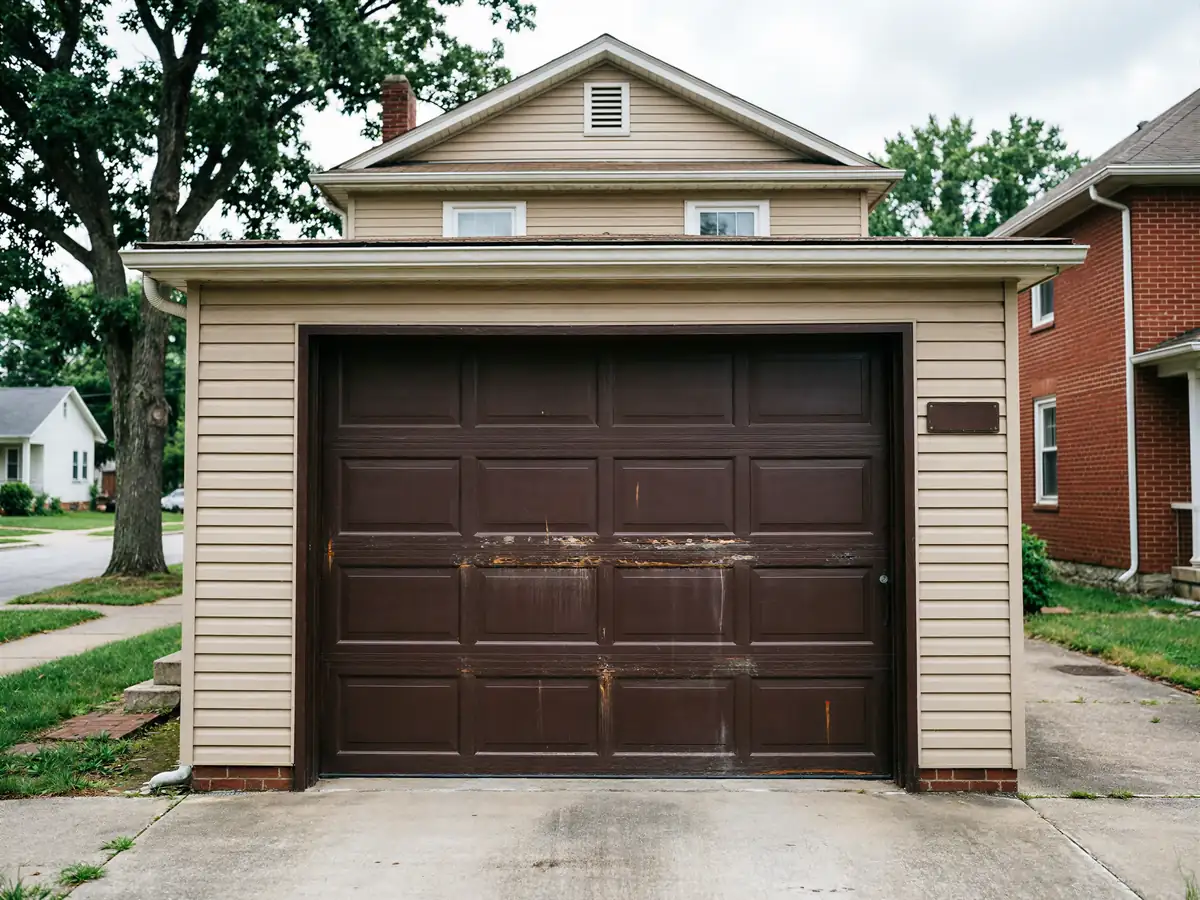
Most of the homes across the seven areas we work in - were built between 1969 and 2006, with the bulk of that stock going up in the 1980s and 90s. A torsion spring has a rated cycle life, and a spring installed when a house was built in, say, 1991 has had three-plus decades of winters to fatigue the steel.
That fatigue matters more here than in a mild climate. Fargo sits in a severe cold band, and steel contracts and gets more brittle as temperatures drop. A spring that's down to its last few thousand cycles can limp along fine in July and snap clean on a January morning when the garage drops well below freezing overnight. The original hardware on these houses also tends to be single-spring setups sized for a lighter door than what's sometimes been swapped in over the years, which shortens that cycle life even further. Across roughly 8,064 owner-occupied houses in this service area, this is the single most common reason we get a call.
How Long It Takes
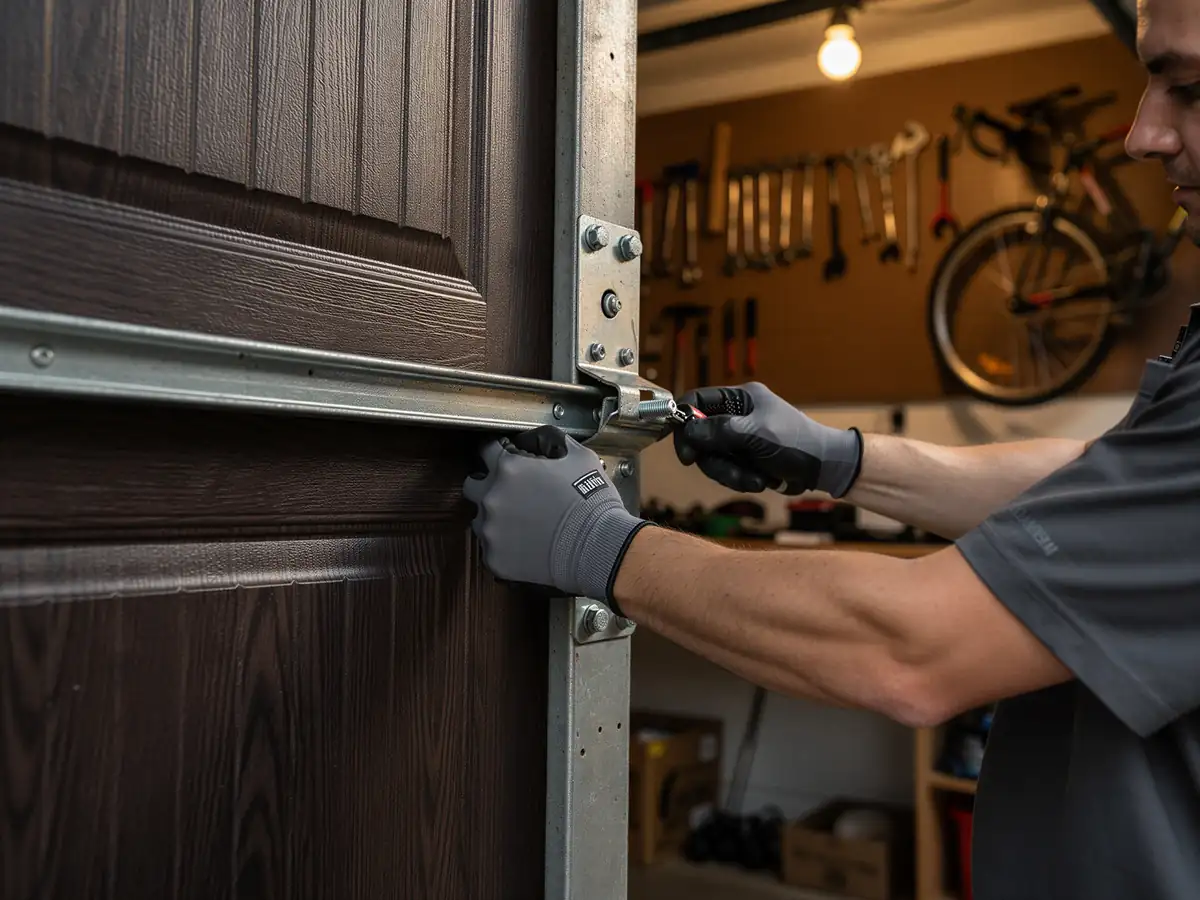
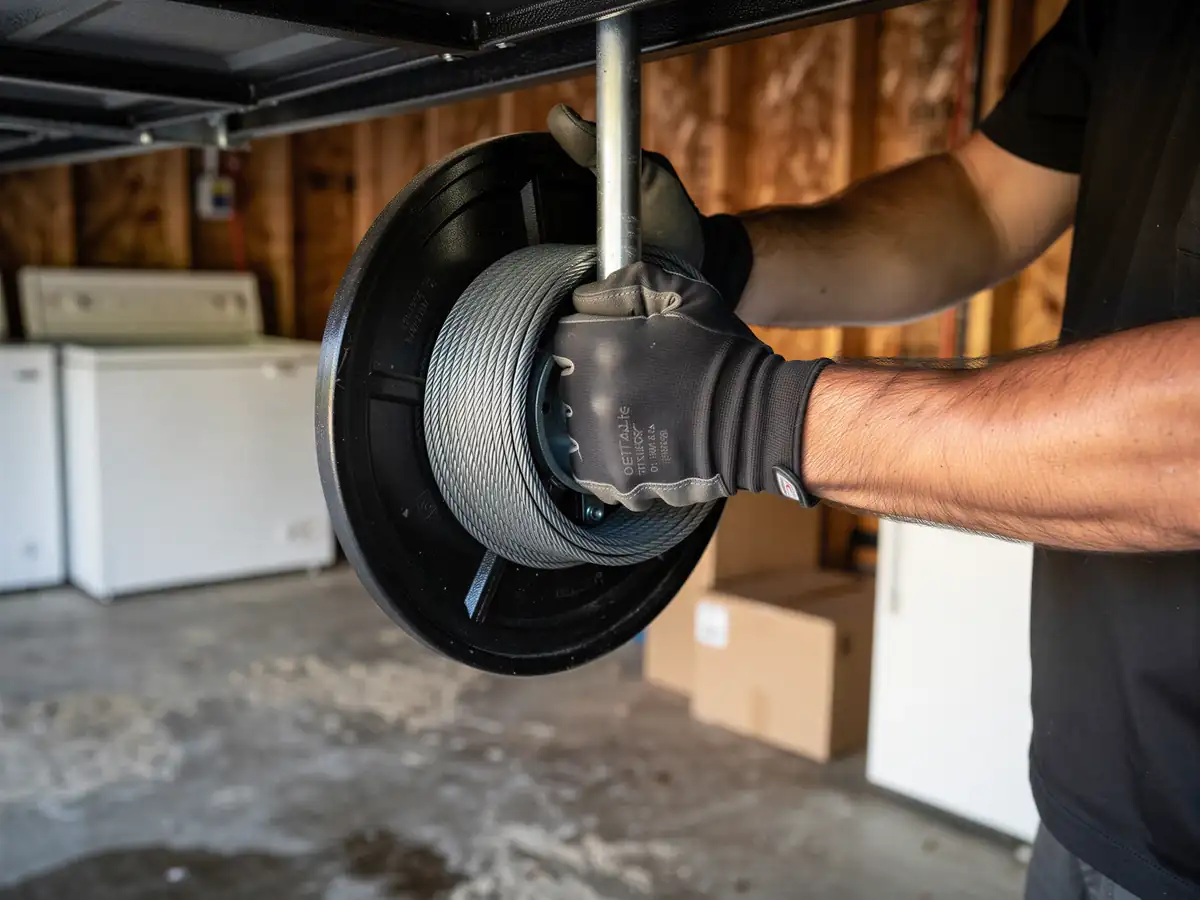
A standard torsion spring replacement on a single door is usually a same-visit job once we've confirmed the spring size and drum setup - most of what slows a job down is diagnosing whether it's just the spring or whether the cable, drum, or bottom bracket took damage when the spring let go. If a cable snapped along with it, or the door came off track, that adds time because we're checking the whole system before we put weight back on it.
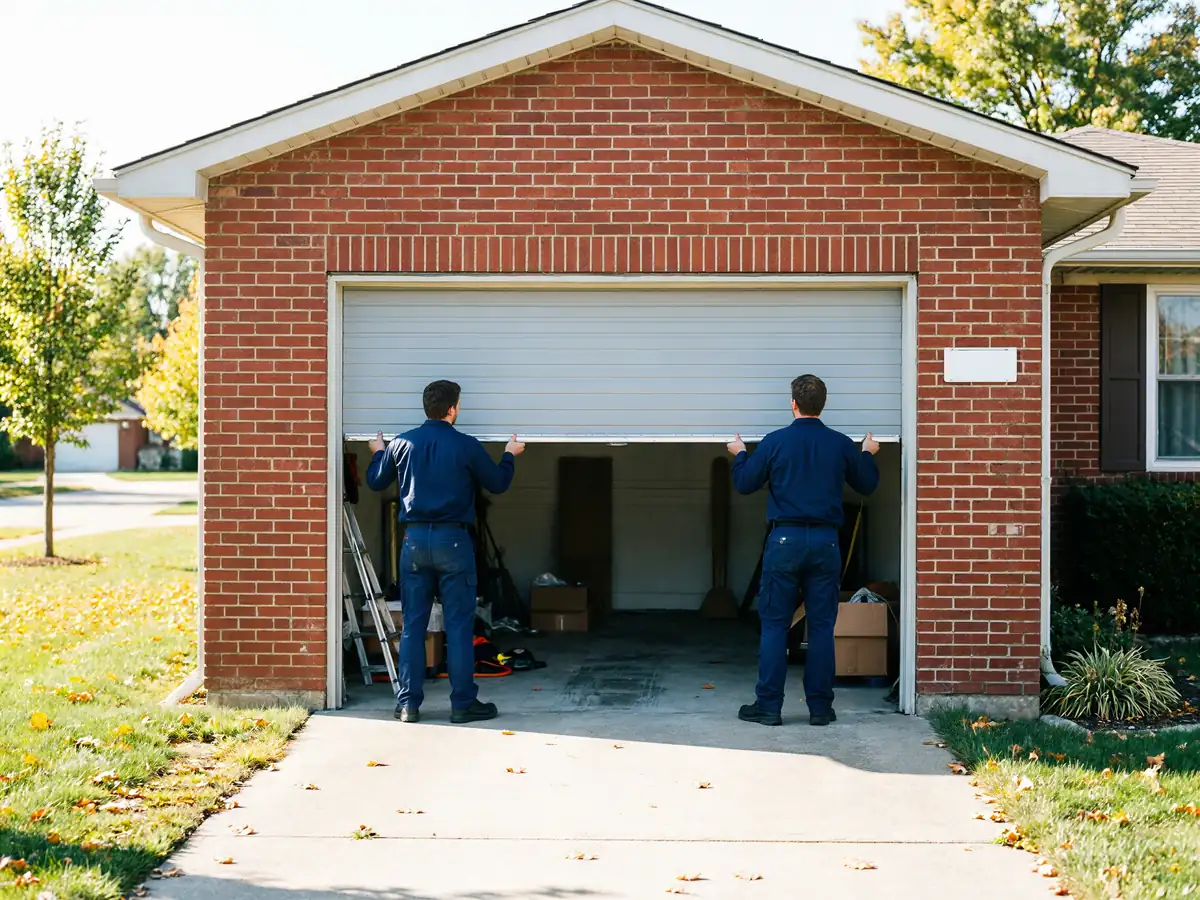
Double doors or homes that were converted from a single spring to a two-spring system (common upgrades on the older end of that 1969-2006 range) take a bit longer because there's more to balance and test. We won't give you a number we can't stand behind here, so ask when you call - it depends on what we find once the door's apart, not just what you see from the driveway.
Doing It Yourself
Don't try to re-tension or replace a torsion spring yourself
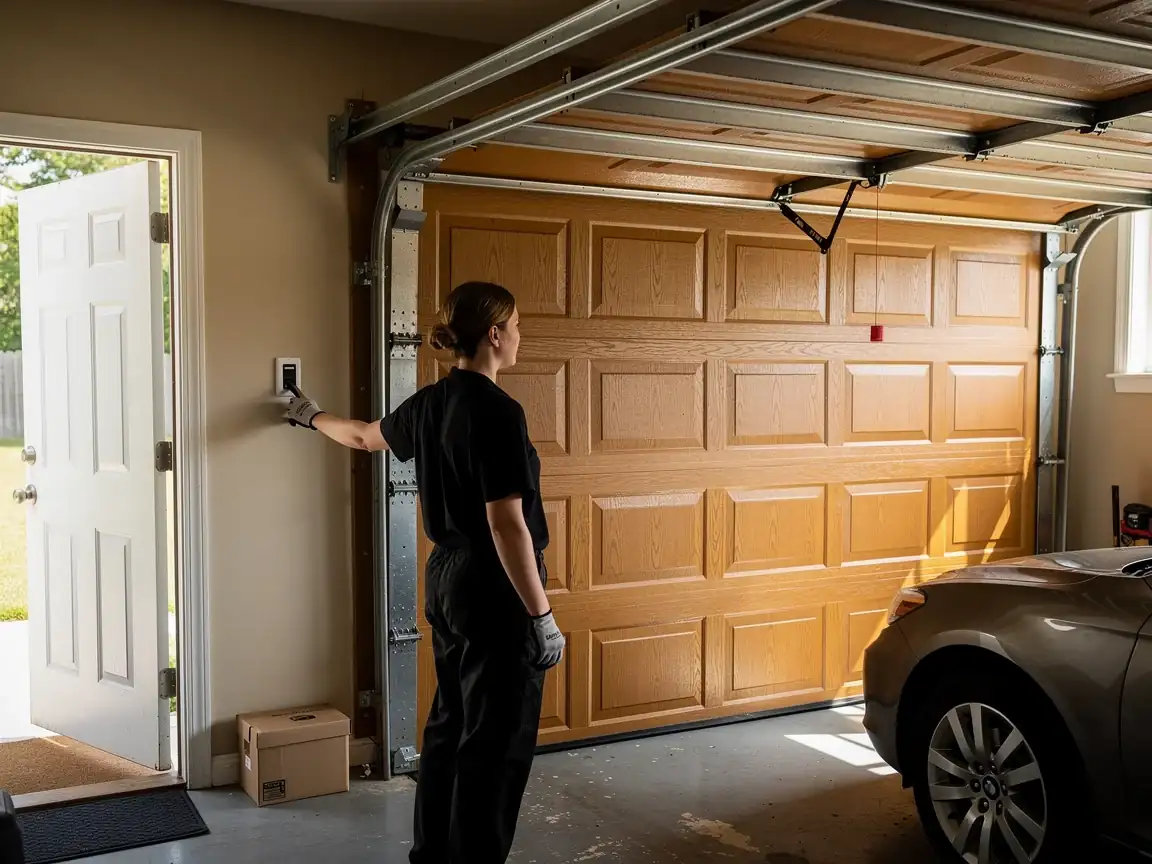
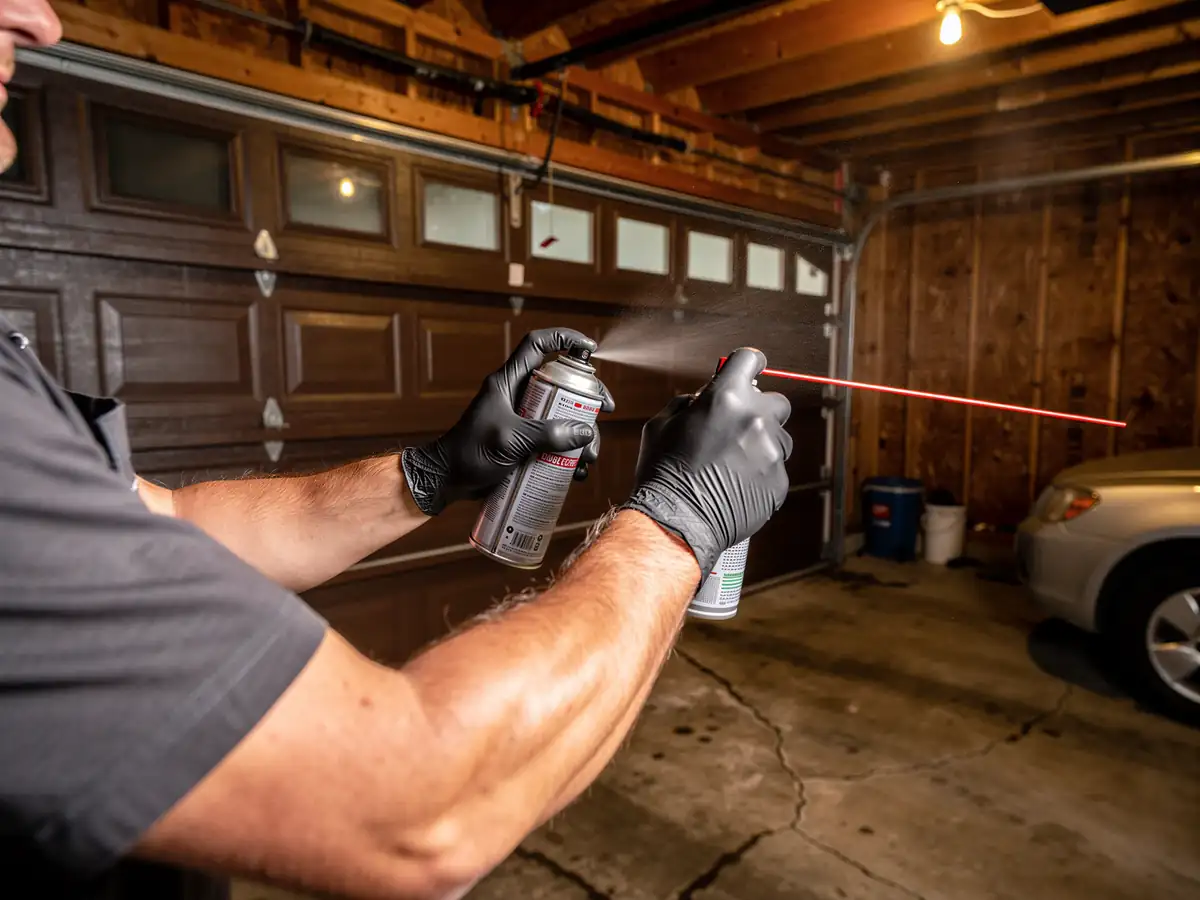
The spring is wound under enough force to cause a serious injury if it slips off a winding bar, and that risk doesn't go down because the house is older or the spring looks small. What you can safely check yourself: look at the spring for a visible gap in the coil (a clear sign it's broken), listen for grinding from the rollers, and in winter, make sure the door isn't frozen to the floor with a skim of ice before you hit the opener button - that alone causes more bent track calls than people expect.
If the door won't budge and you don't know why
That's the point to stop and call rather than keep hitting the remote. Repeated attempts with a jammed or broken spring usually turns a spring job into a spring-plus-track job.