Why This Fails Locally
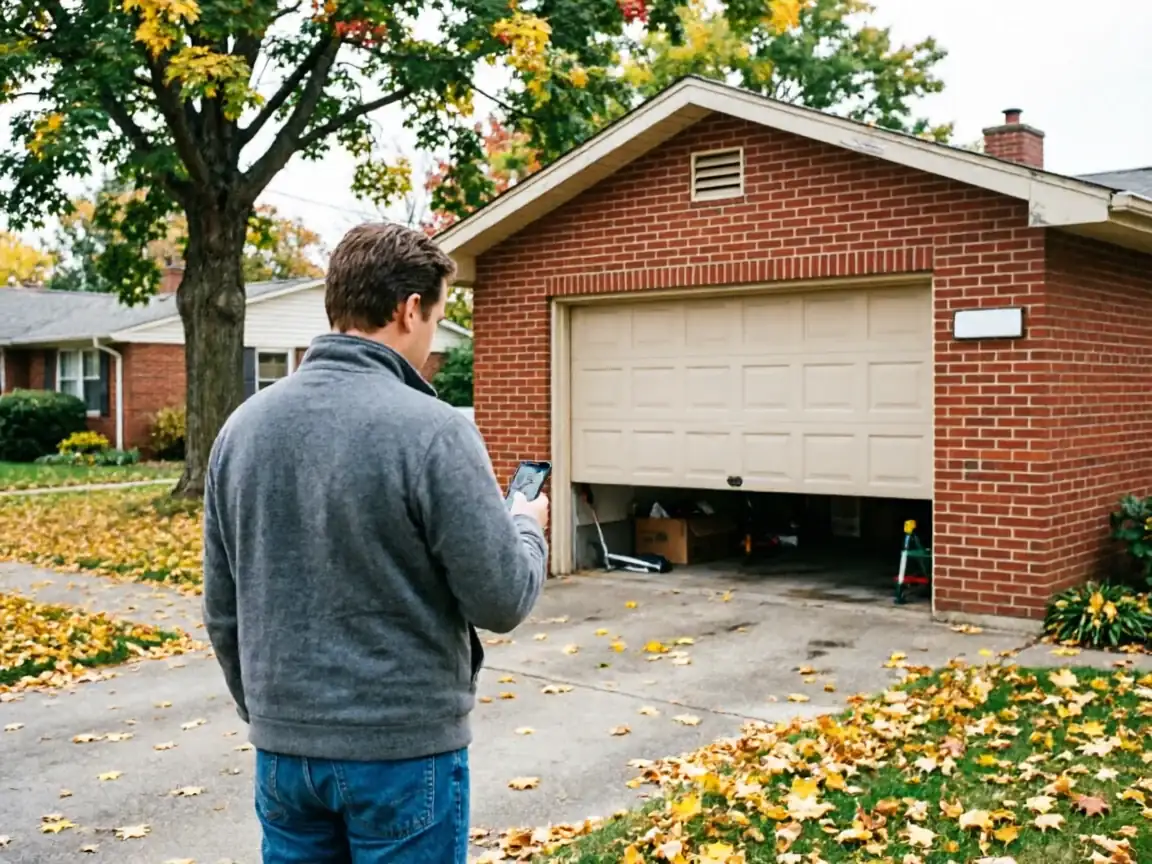
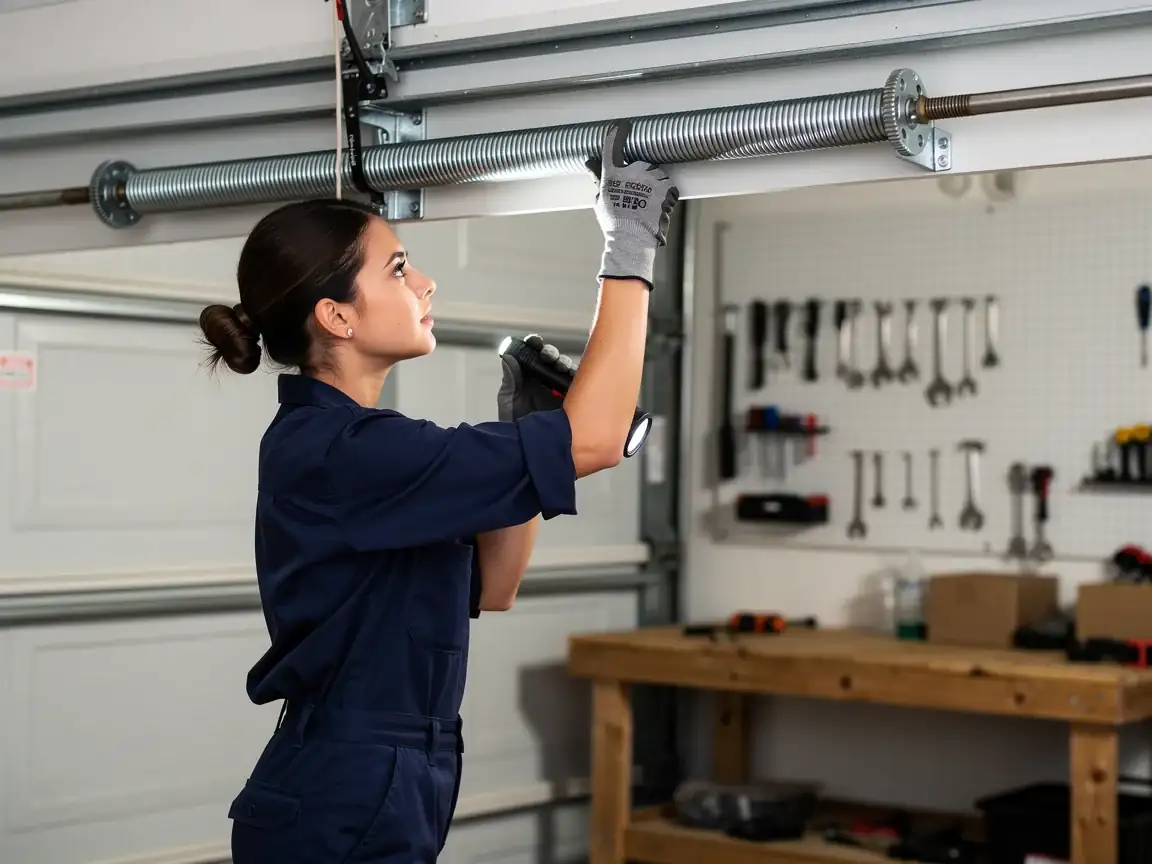
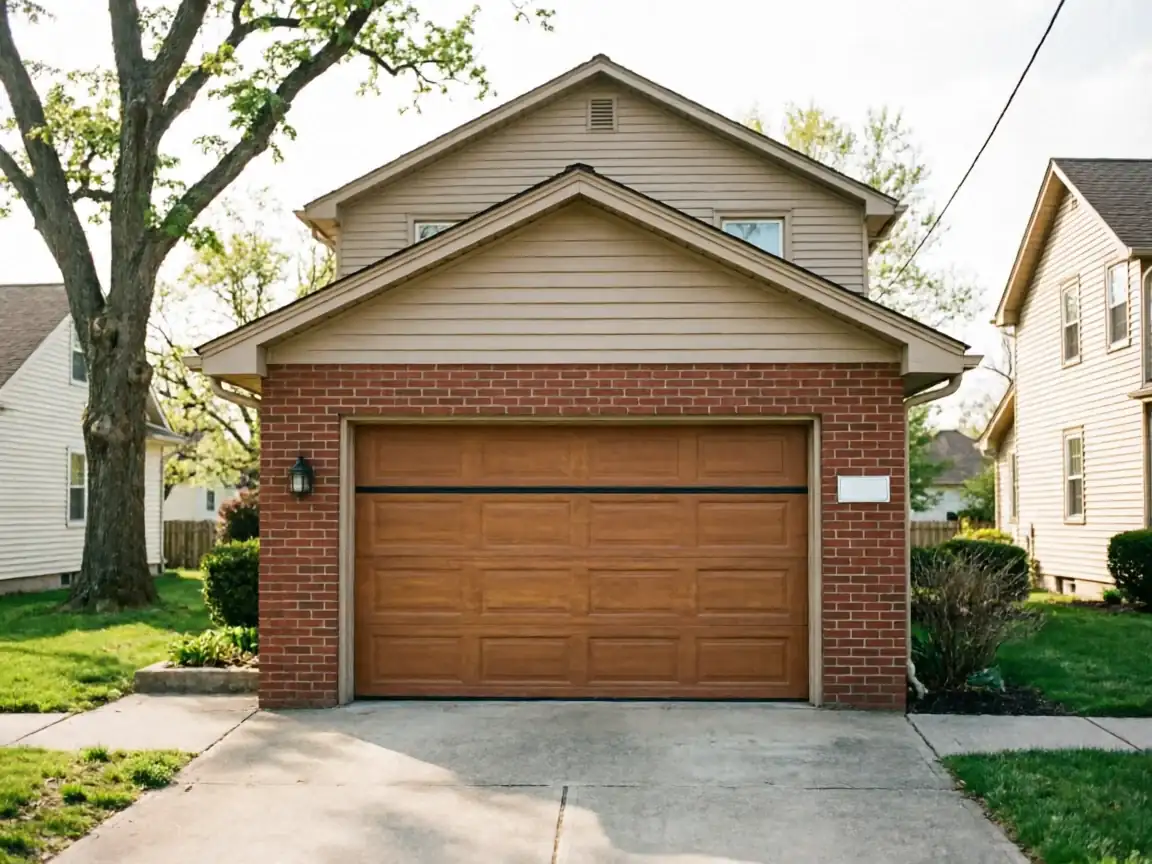
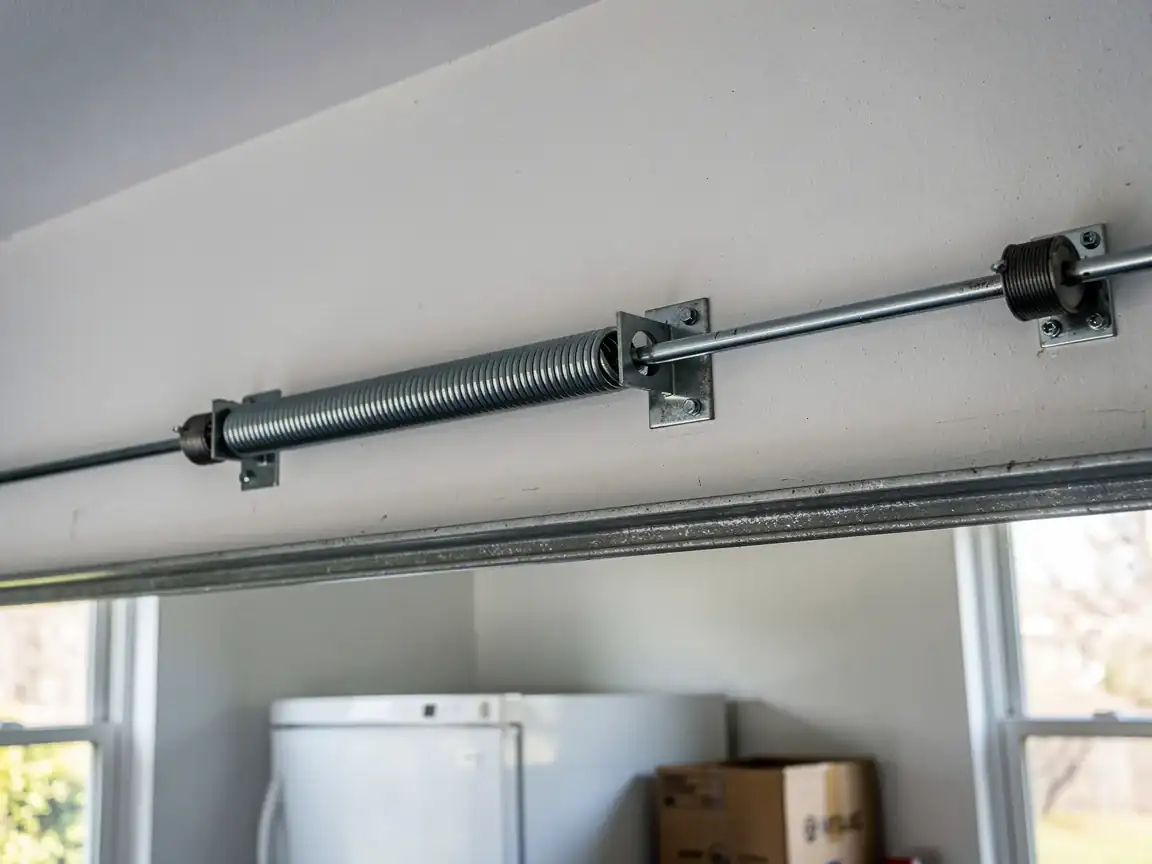
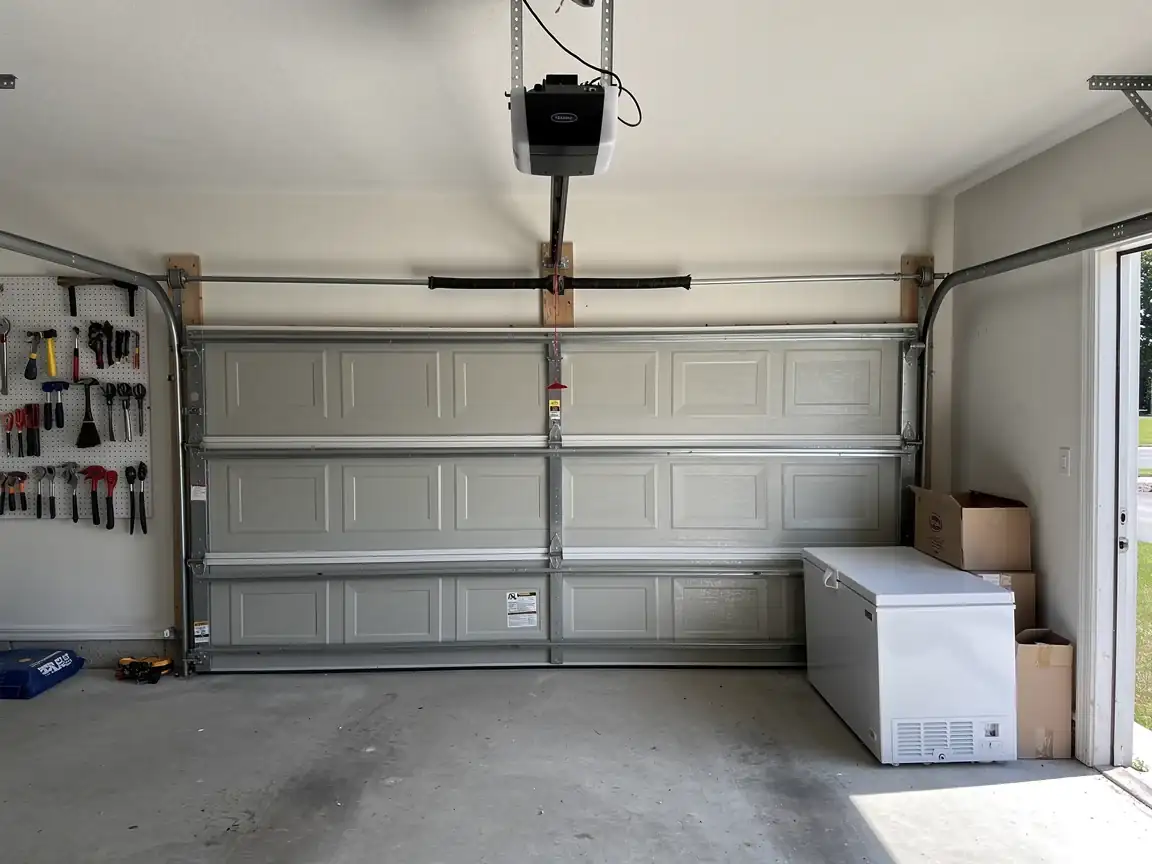
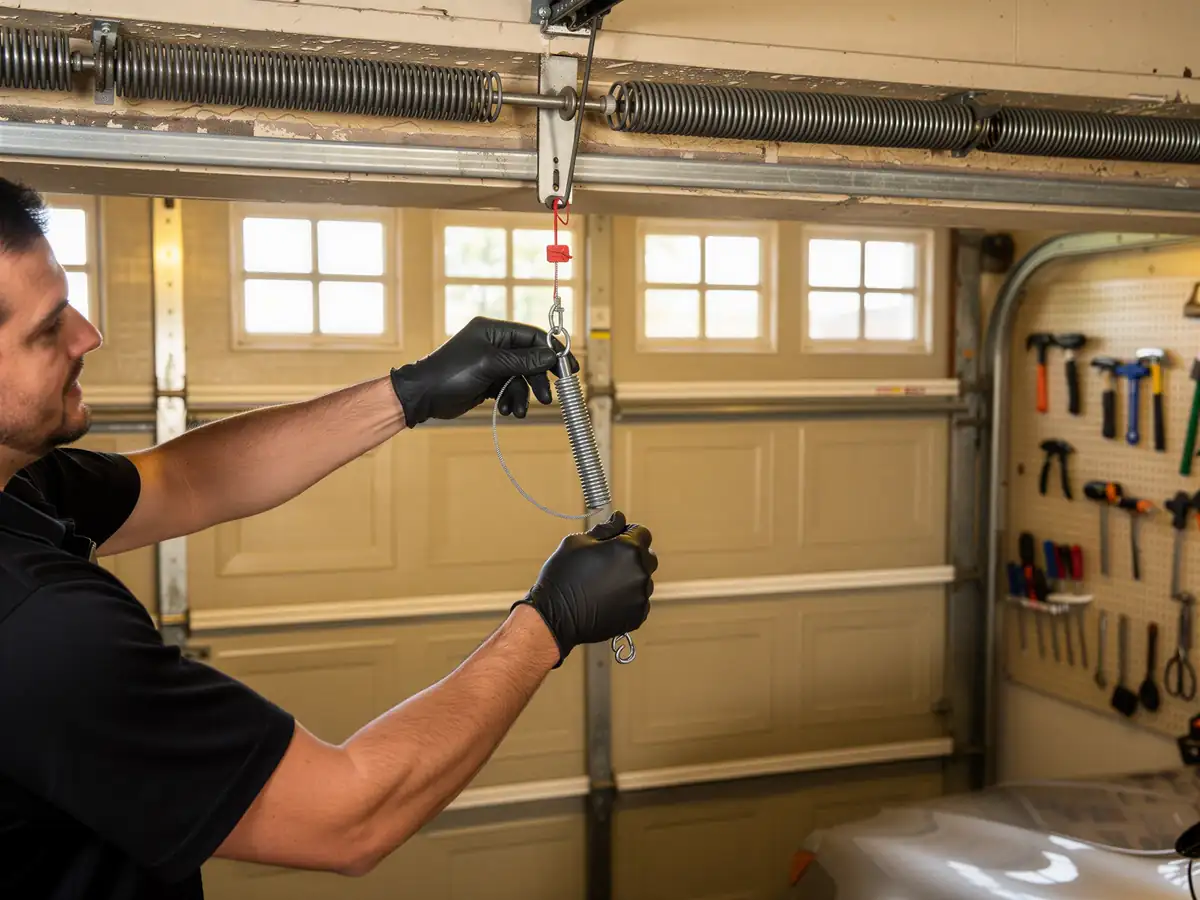
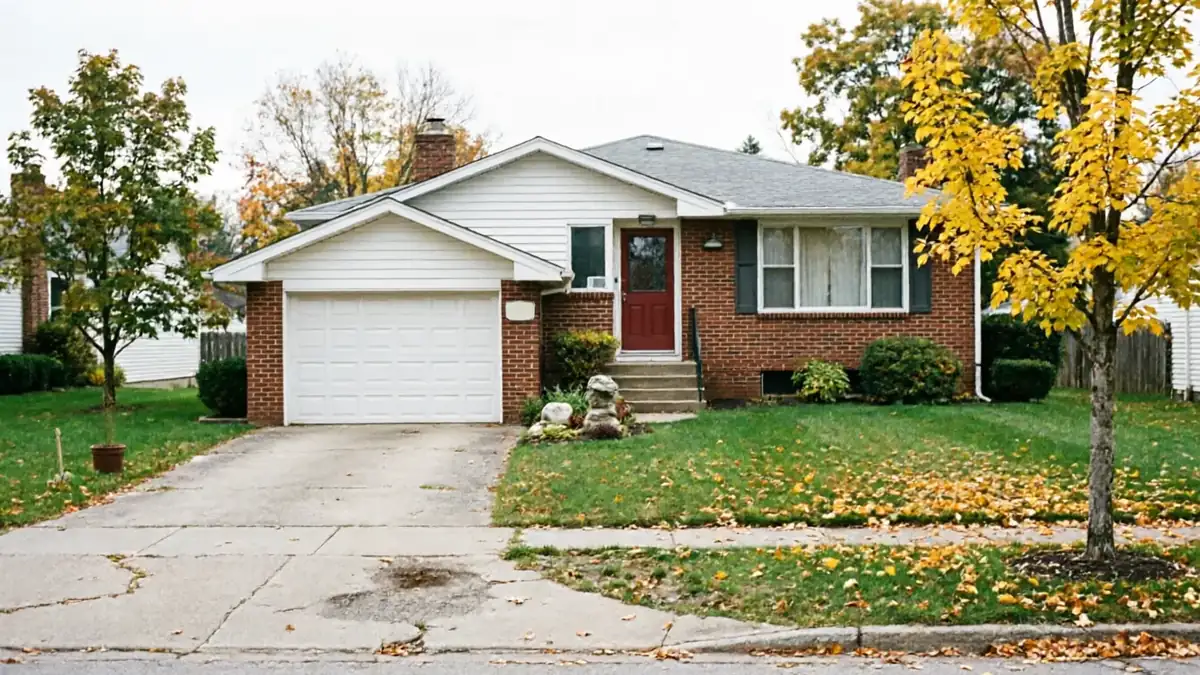
Most of the housing across Fargo's market areas went up between 1969 and 2006, with the typical home dated to 1999, and a lot of that 1980s and 90s stock was built with extension-spring hardware - a pair of springs along the horizontal track, each with its own cable running down to the bottom bracket. That setup puts more work on the cable itself than a torsion system does, and it's the layout we see most often when a cable call comes in from one of the older sections of the service area. Fargo sits in a severe cold climate band, and that matters here specifically: galvanized cable loses flexibility as the temperature drops, and the same cable that flexed fine in July starts to fray at the drum and the bottom bracket once the winter cold sets in. Add road salt and slush tracked in on tires, and the corrosion that eats a cable from the inside out moves faster than most owners expect. A cable that looked fine in October can be down to a few strands by February.
How Long It Takes
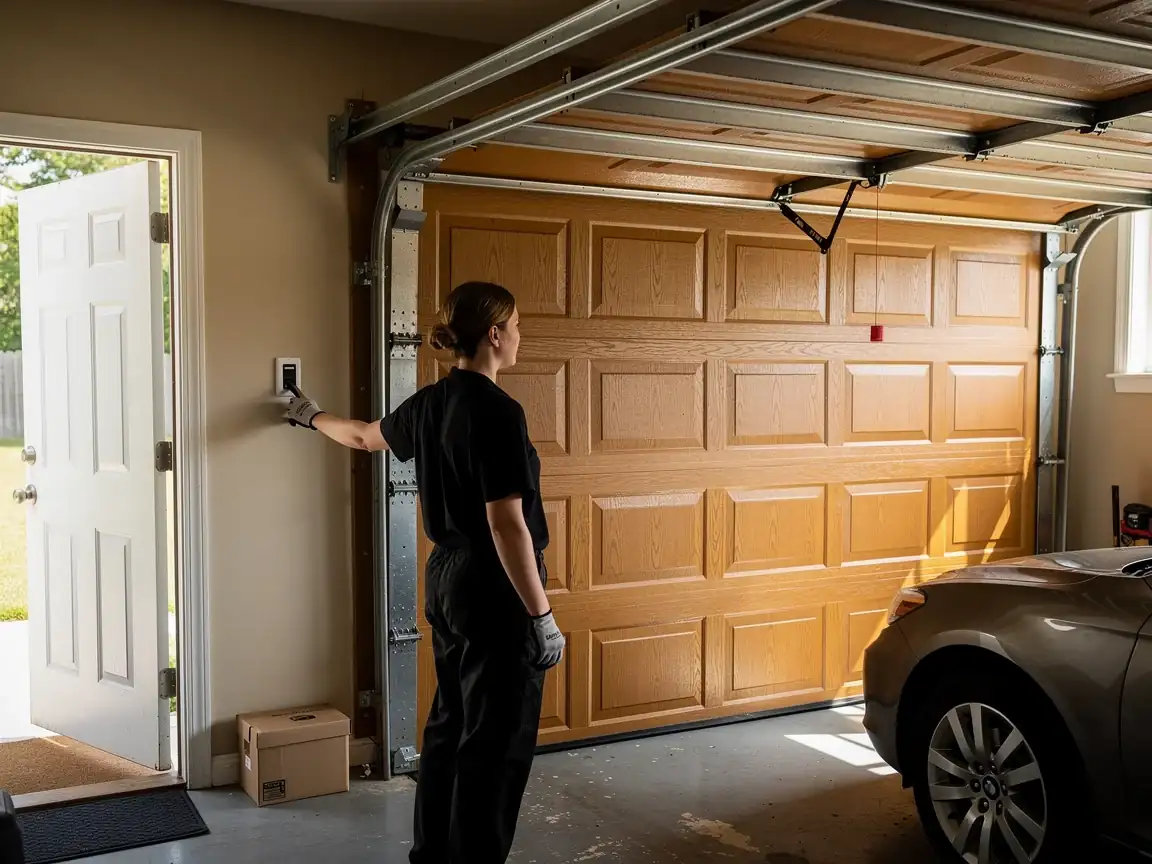
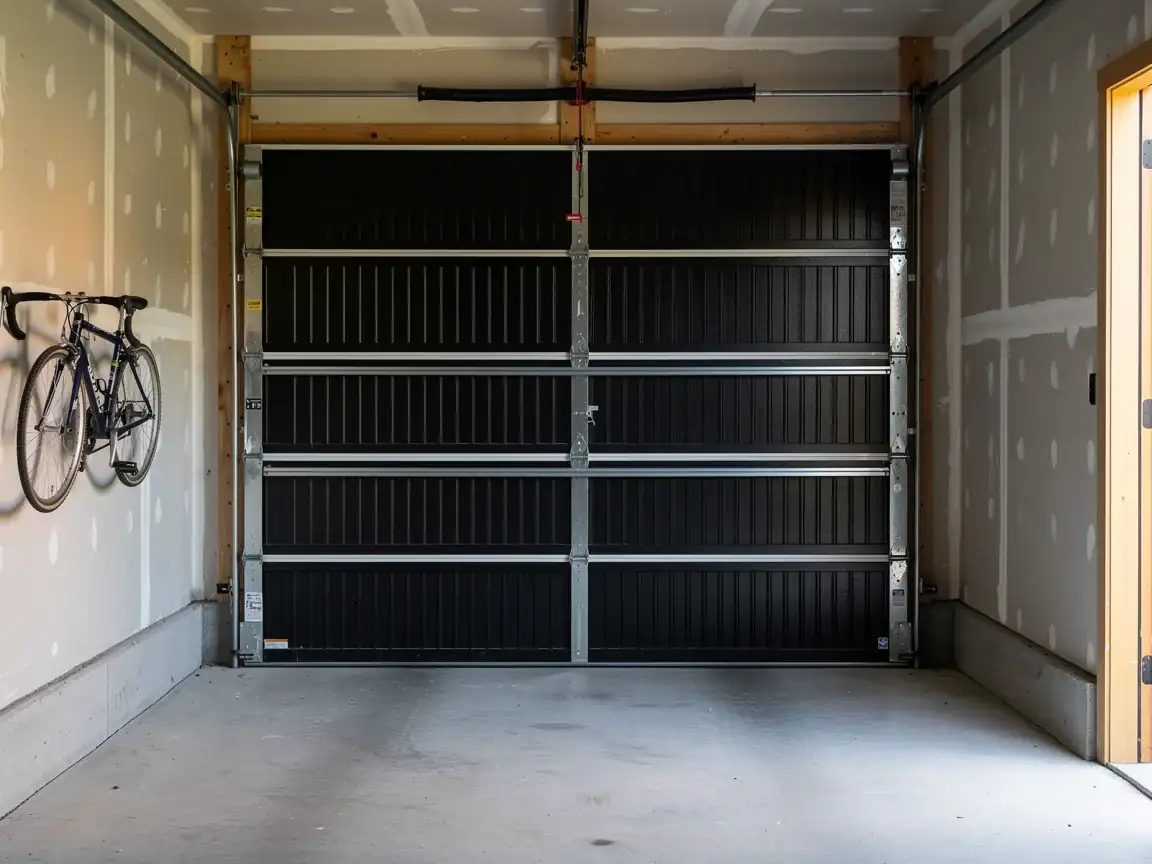
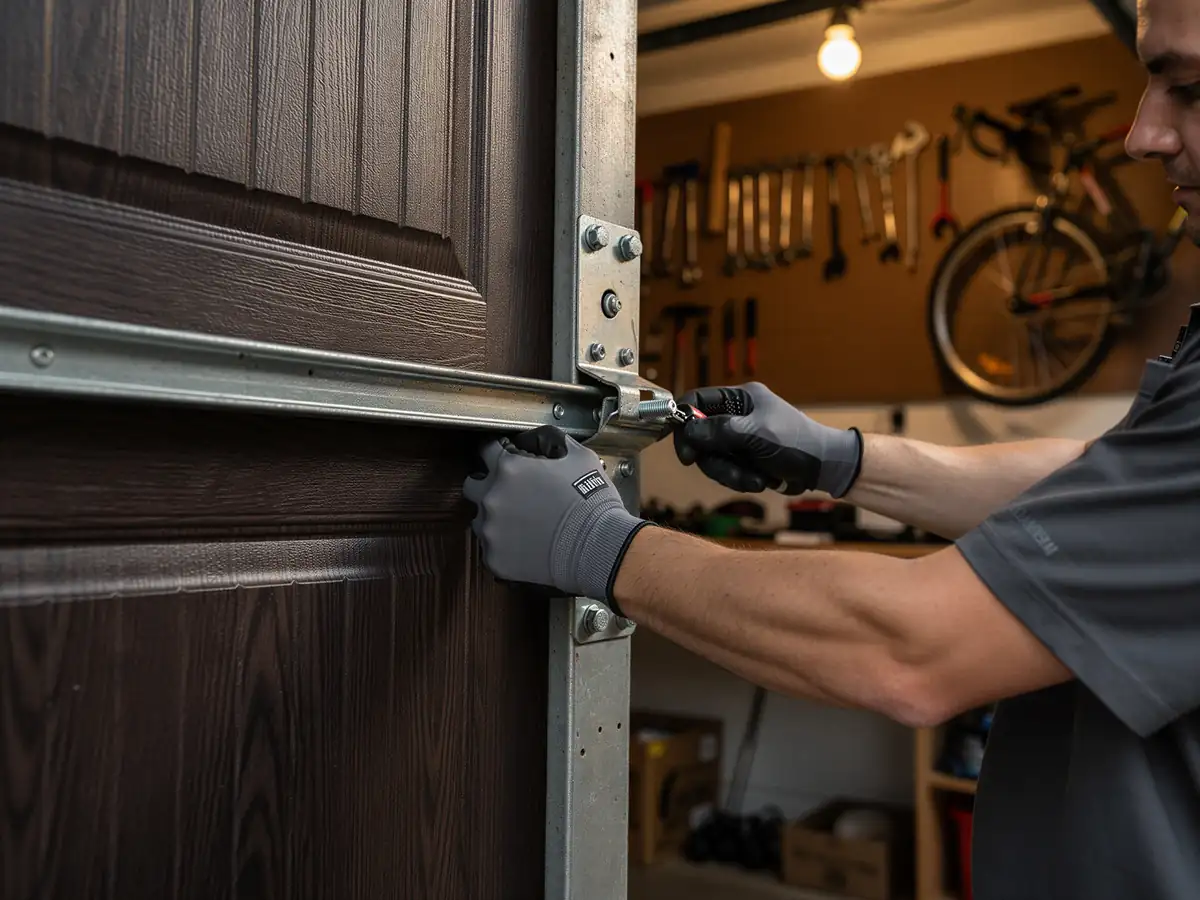
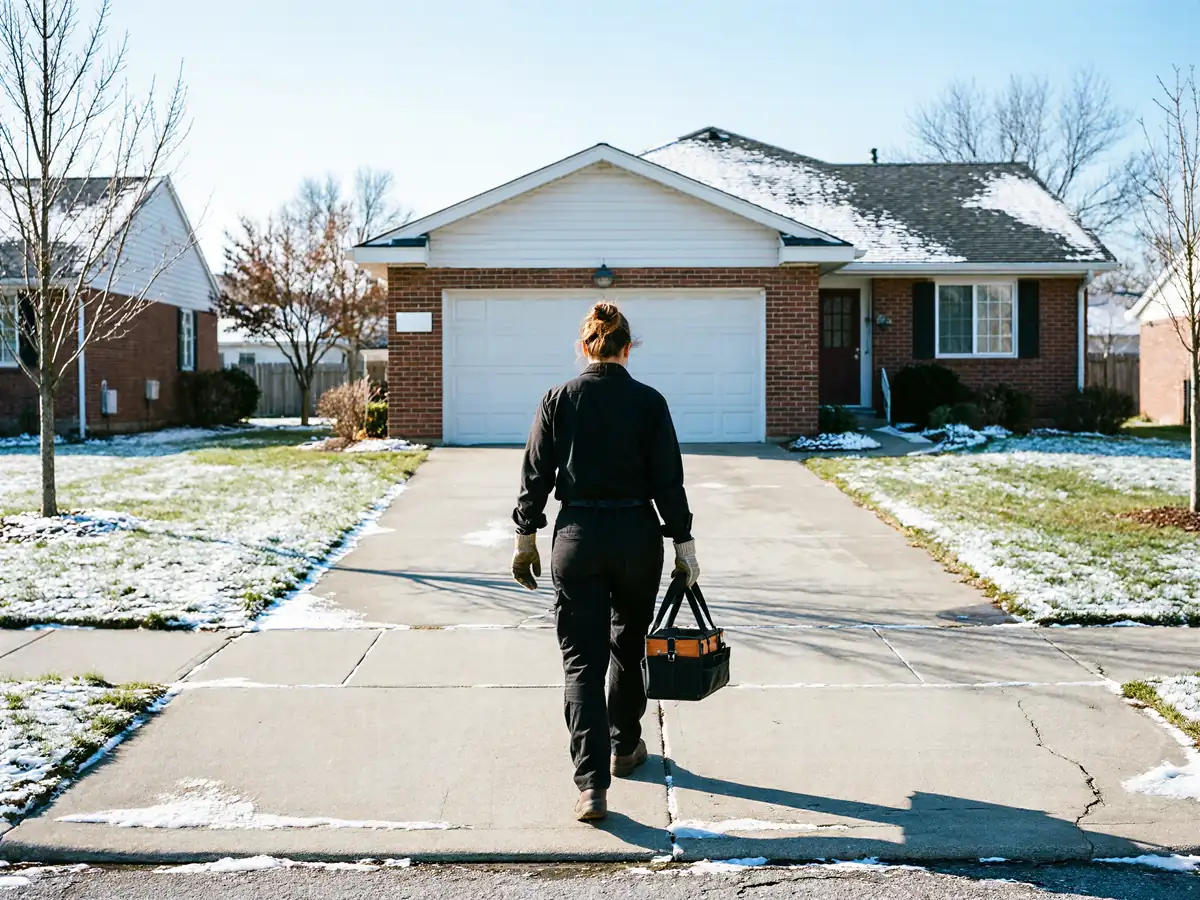
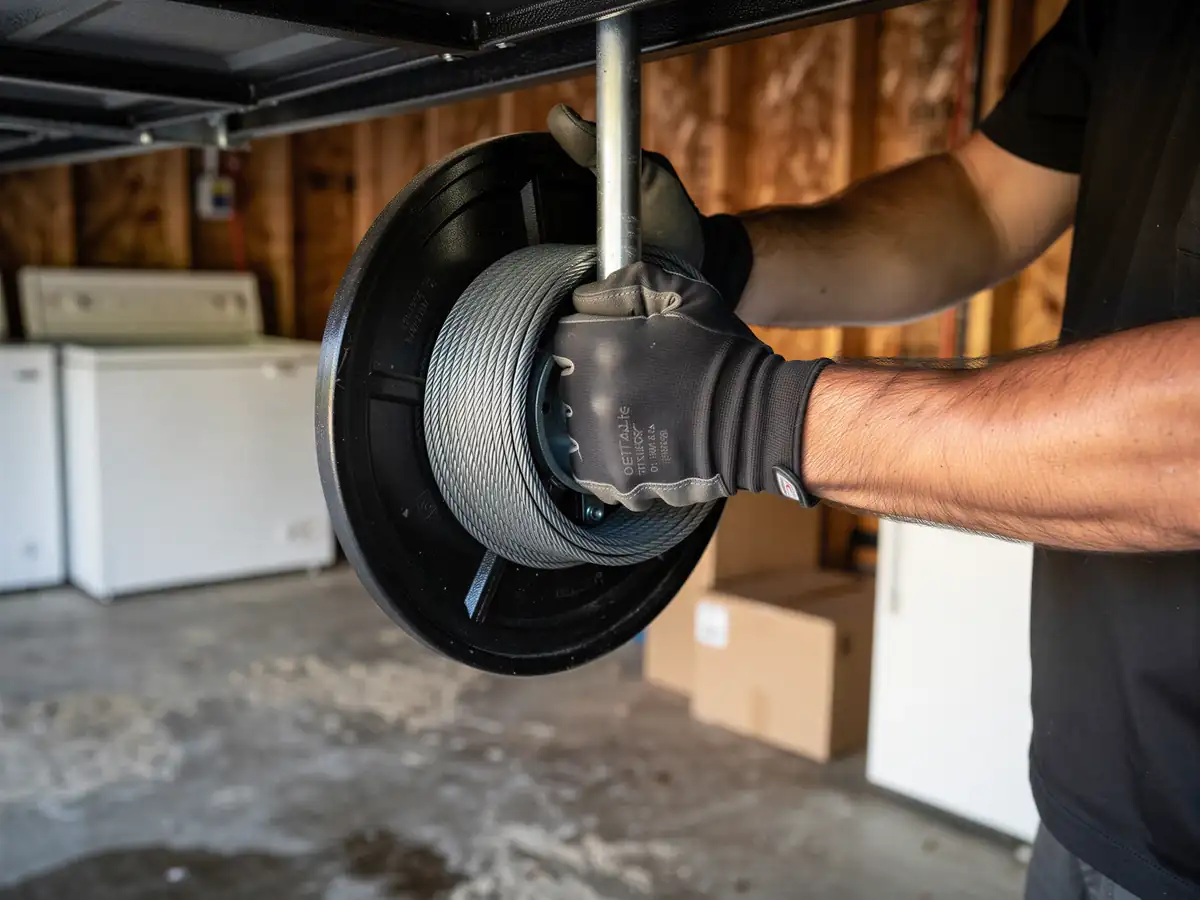
A single cable swap on a residential door is usually a contained job - the tech releases tension, pulls the old cable off the drum and bottom bracket, runs the new one, and resets tension on both sides so the door tracks level. If only one cable broke, we still check the other side, since a cable that's old enough to fail on one corner is usually close to failing on the other. Jobs get longer when the broken cable has let a spring unwind unevenly, when the drum or bottom bracket got bent in the process, or when the track took damage from the door dropping. We won't guess a number before we've looked at the door - a torsion setup, an extension setup with worn pulleys, and a door that's been running on a frayed cable for months are three different jobs under one name. What we can say is that a straightforward cable replacement doesn't require pulling the opener or the full spring assembly, so it doesn't turn into an all-day job on its own.