The Symptom
The giveaway is almost always the same
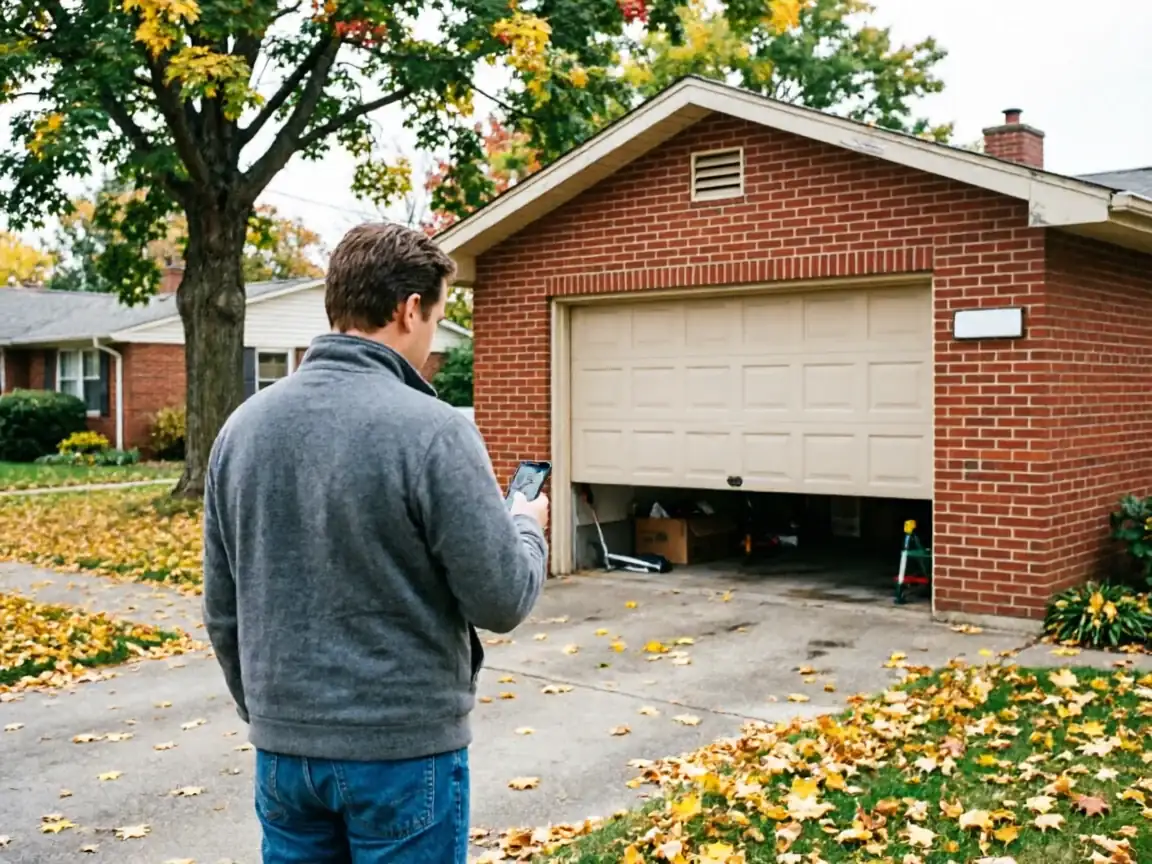
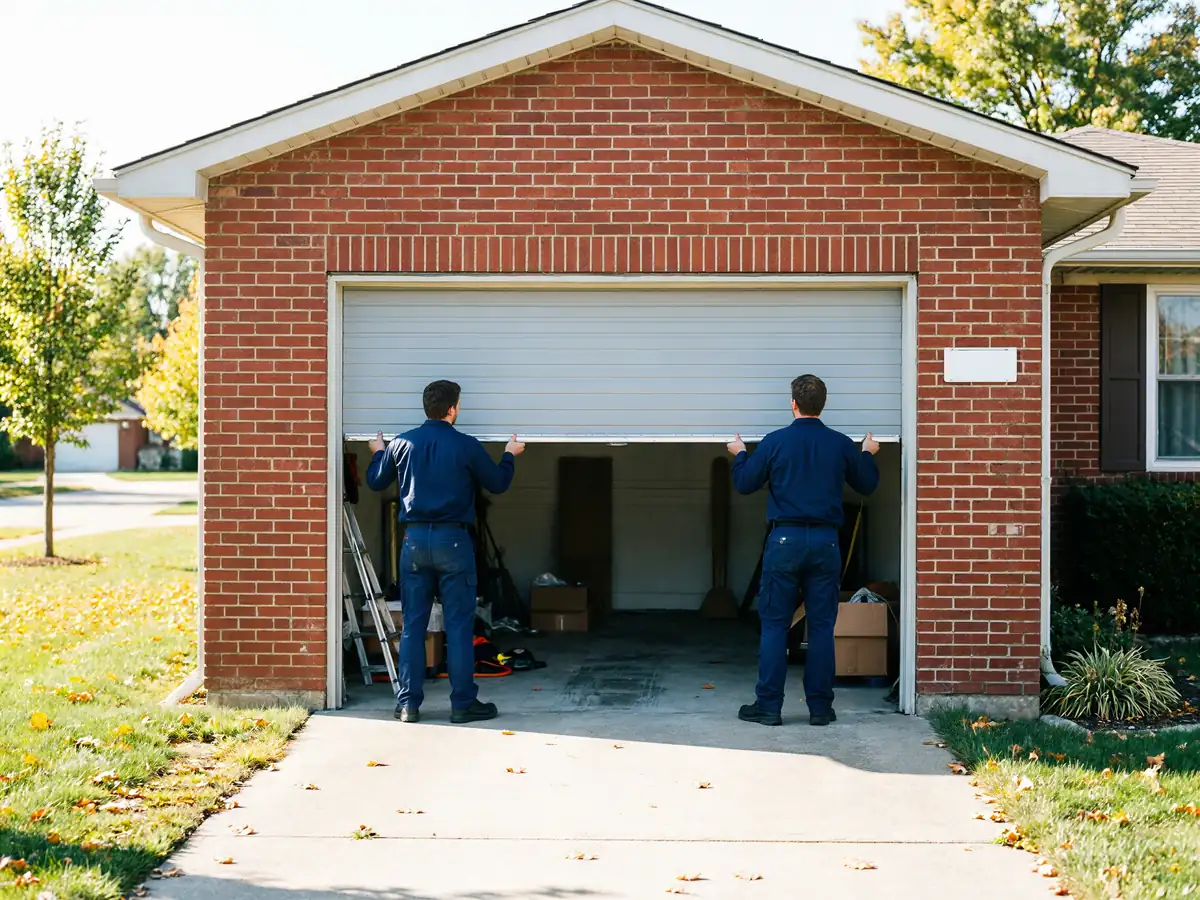
The door won't lift, or it lifts a few inches and stops like something's holding it down. If you try the opener anyway, you'll hear the motor strain and maybe smell it working too hard. A lot of owners describe a loud bang from the garage days or weeks before the door quits - that's the spring letting go, usually when nobody's around to see it happen.
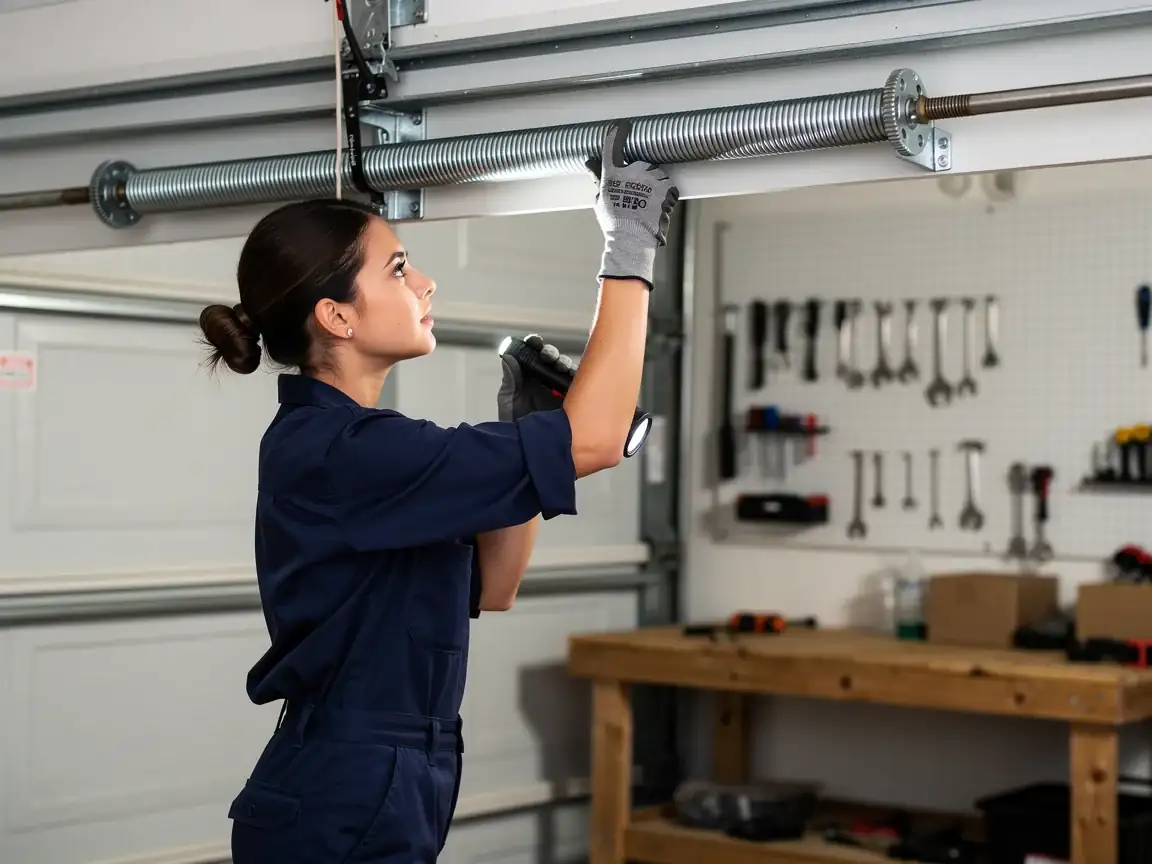
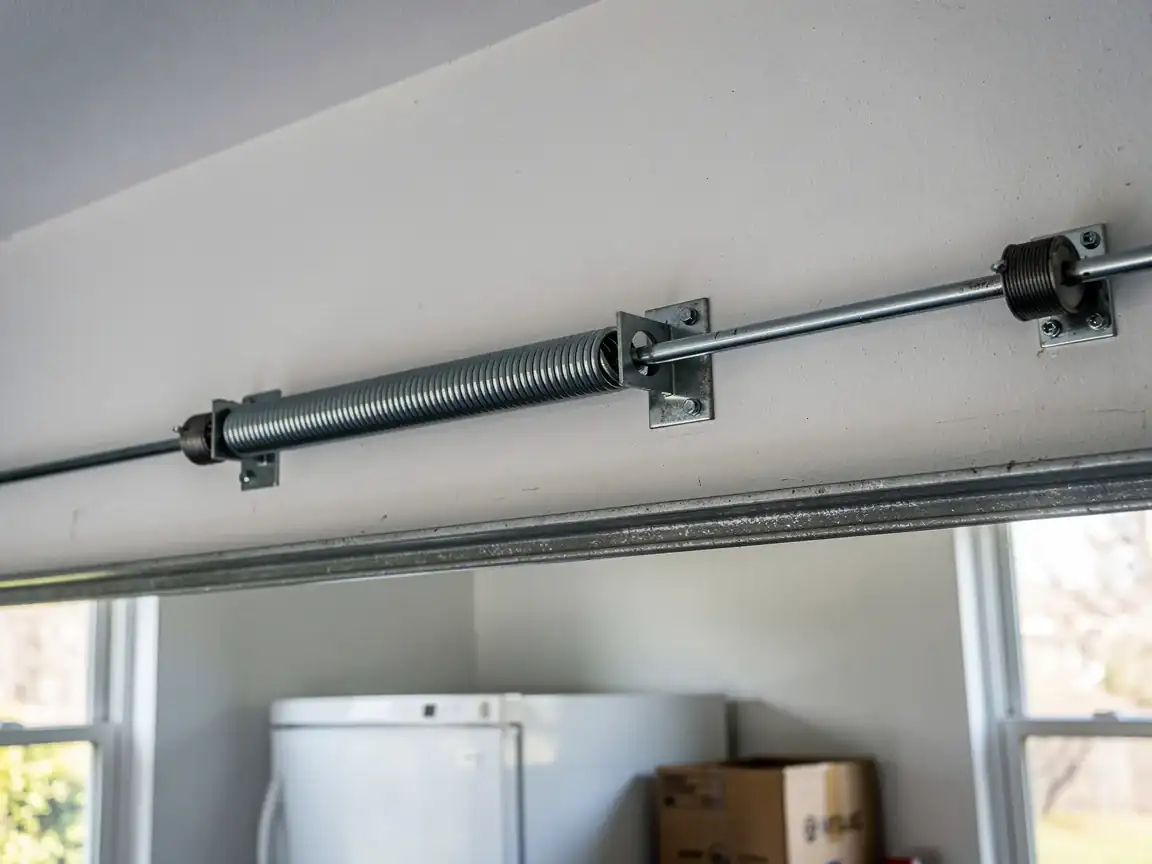
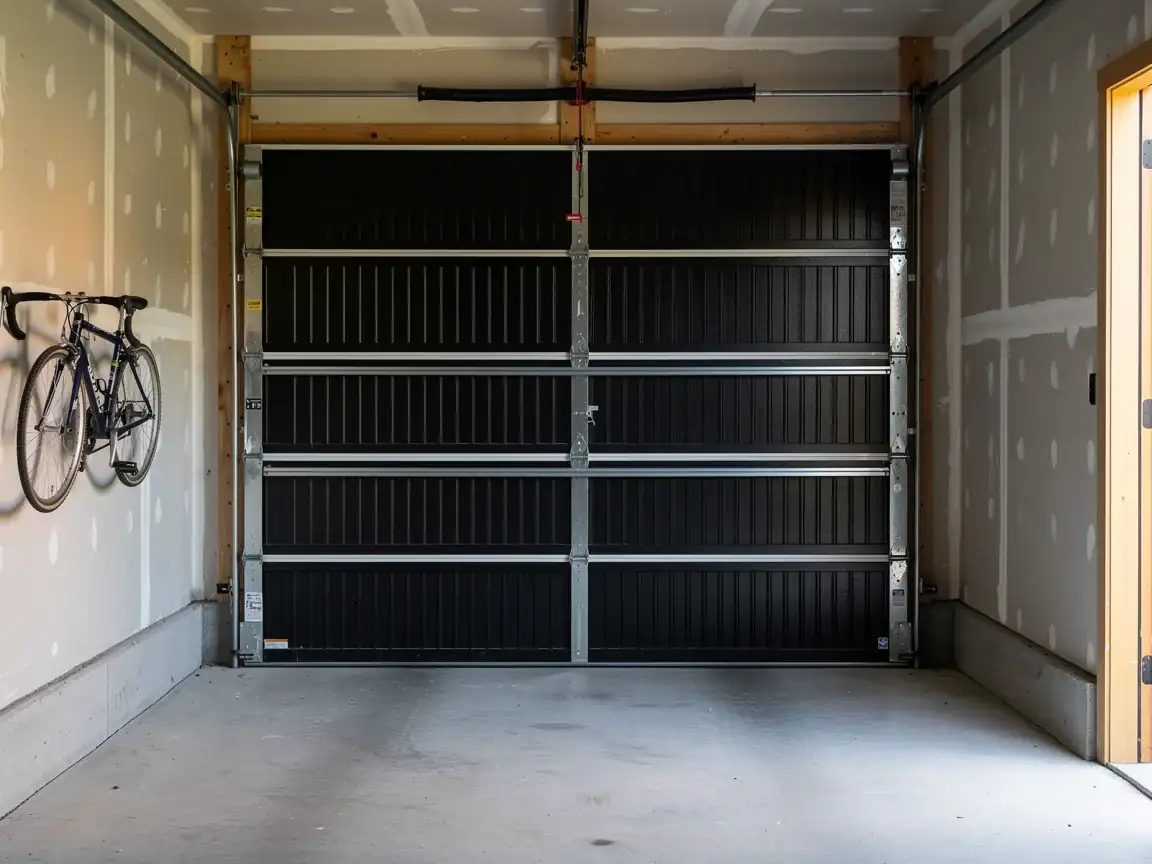
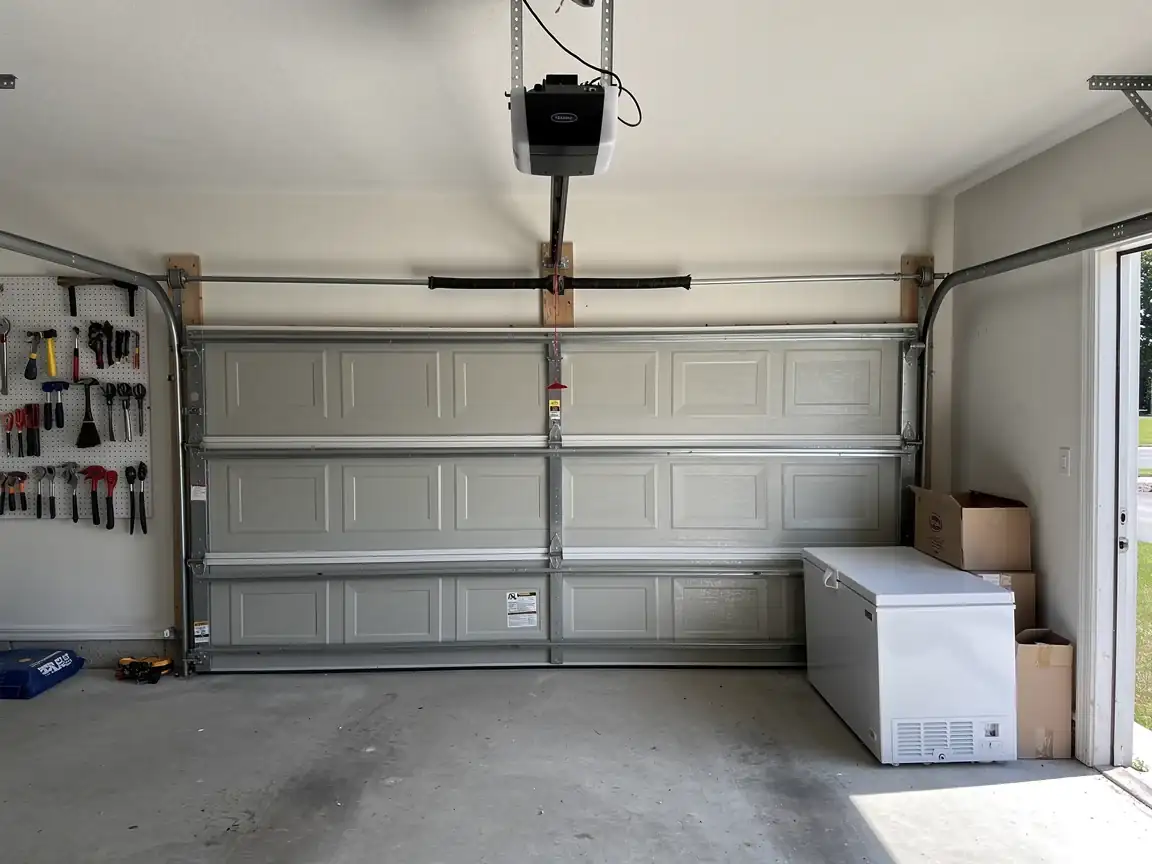
Look up at the spring bar above the door
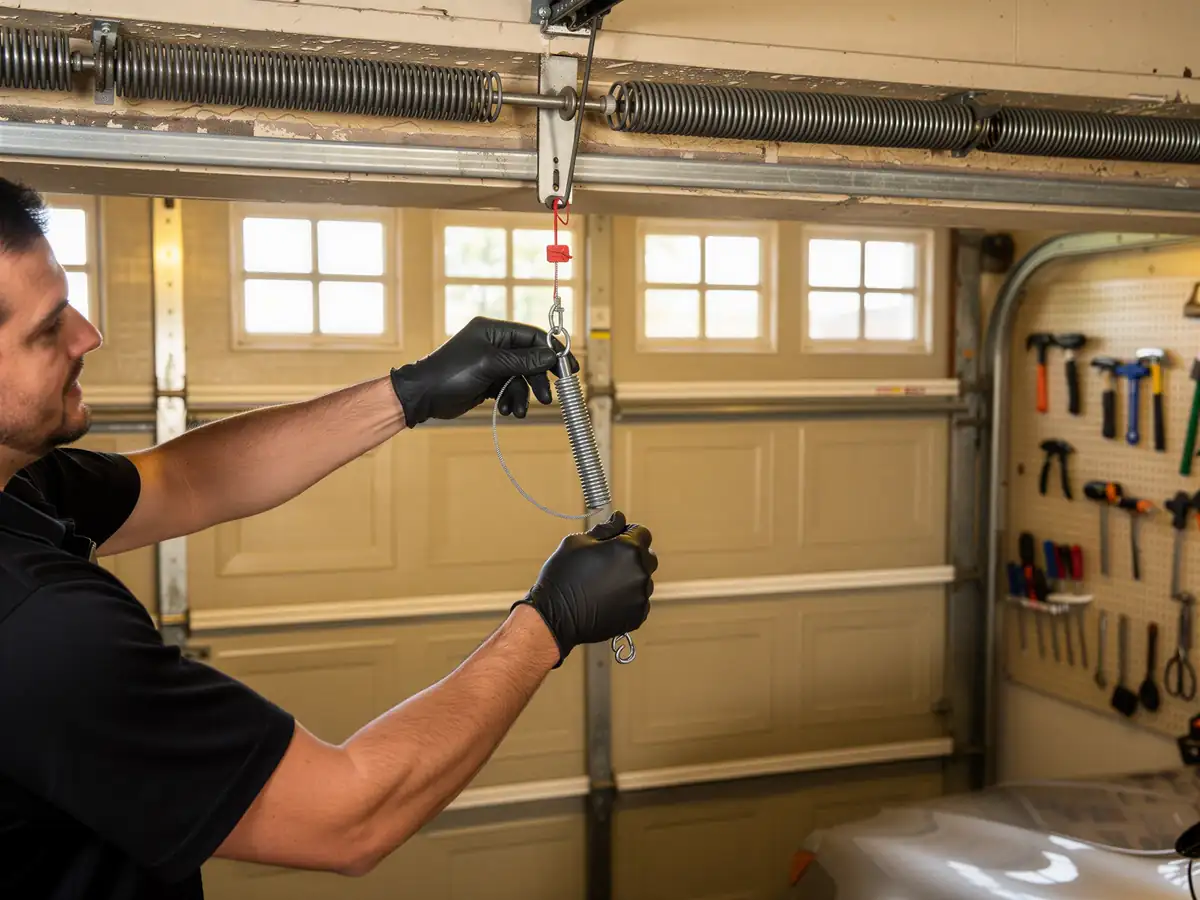
If one spring is wound tight and the other hangs loose with a visible gap in the coil, that's a broken torsion spring, not a motor problem, not a track problem. Pulling the emergency release cord won't fix it either - with the spring gone, the full weight of the door transfers straight to your arms, and a standard double door is heavier than most people expect.
Some owners also notice the door closing unevenly, dropping faster on one side
Or the cables going slack. That's a spring losing tension before it fully snaps. It's worth calling before it goes all the way, since a door that's already crashed down is harder to work on safely than one that's just sagging.
Why This Fails Locally
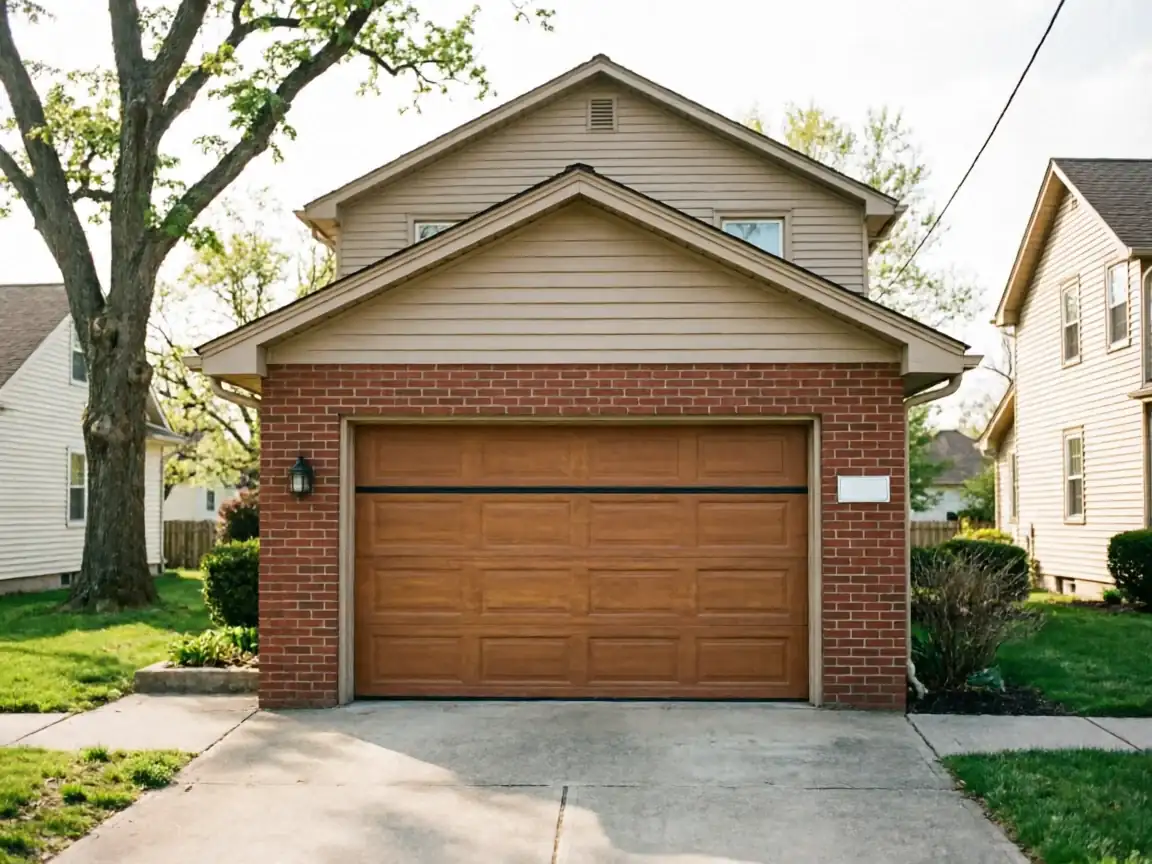
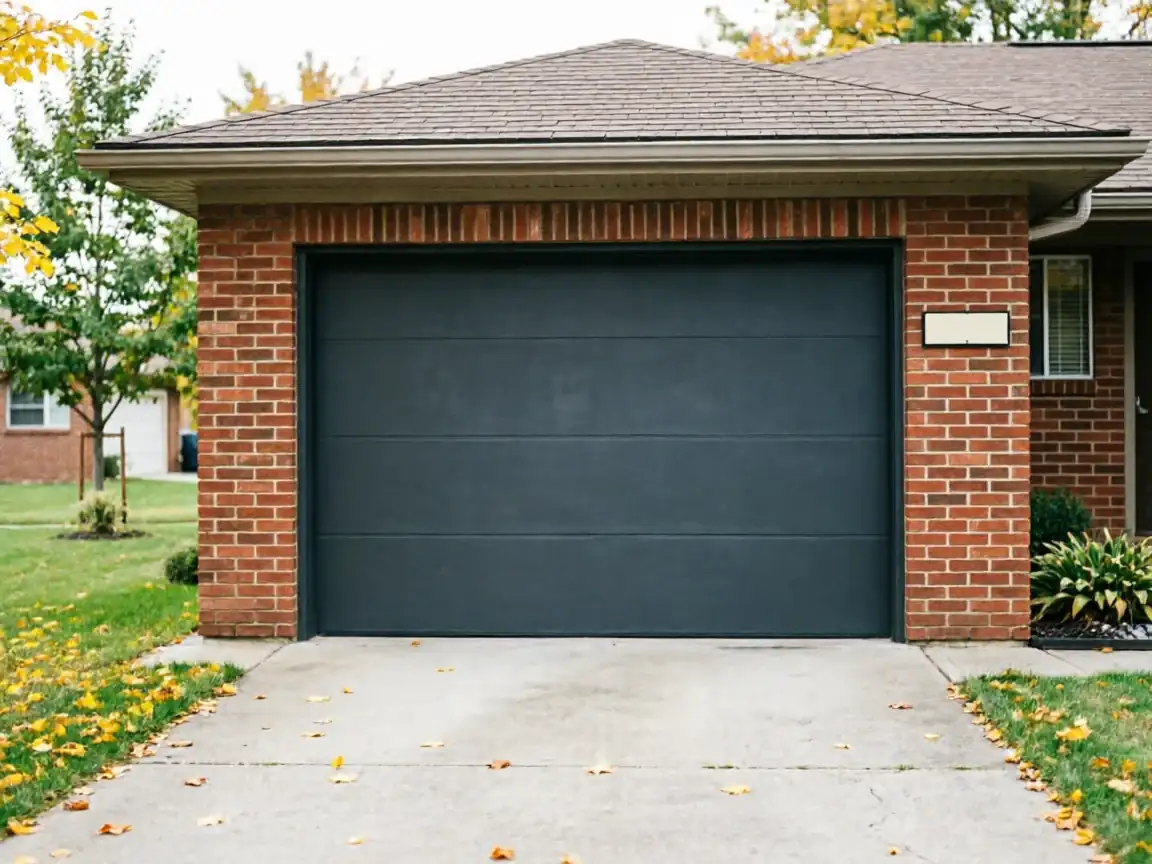
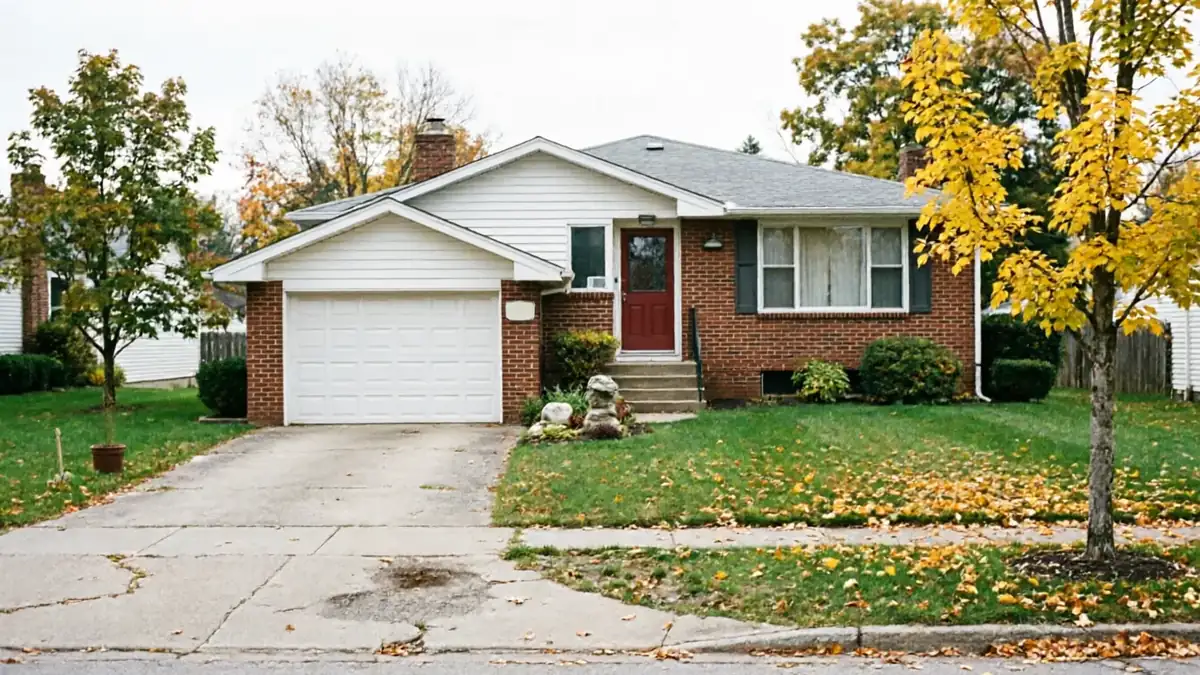
This isn't a random failure. Most houses across the service area were built between 1969 and 2006, with the heaviest concentration going up in the 1980s and 1990s across the seven neighborhoods that make up this stretch of Fargo. That means a huge share of the garage doors out there are still running on the original torsion spring from the build date, or a direct replacement installed decades ago with the same spec. Steel springs are rated for a set number of open-close cycles, and a 25-to-40-year-old spring is well past that count no matter how well it was maintained.
Fargo sits in a severe cold climate band, and that matters more than people think. Steel gets less flexible as it gets colder, so the same spring that handled summer use fine is working at its weakest exactly when winter hits hardest - right when the door is also heavier from cold-stiffened weatherstripping and a harder-working opener. That combination of aging hardware and hard winters is why spring failure calls cluster the way they do here, rather than spreading evenly through the year.
With 19,183 households in the service area and 8,064 of them owner-occupied houses, most sitting on garages from that same build era, this is a failure mode built into the housing stock itself, not bad luck.
How Long It Takes
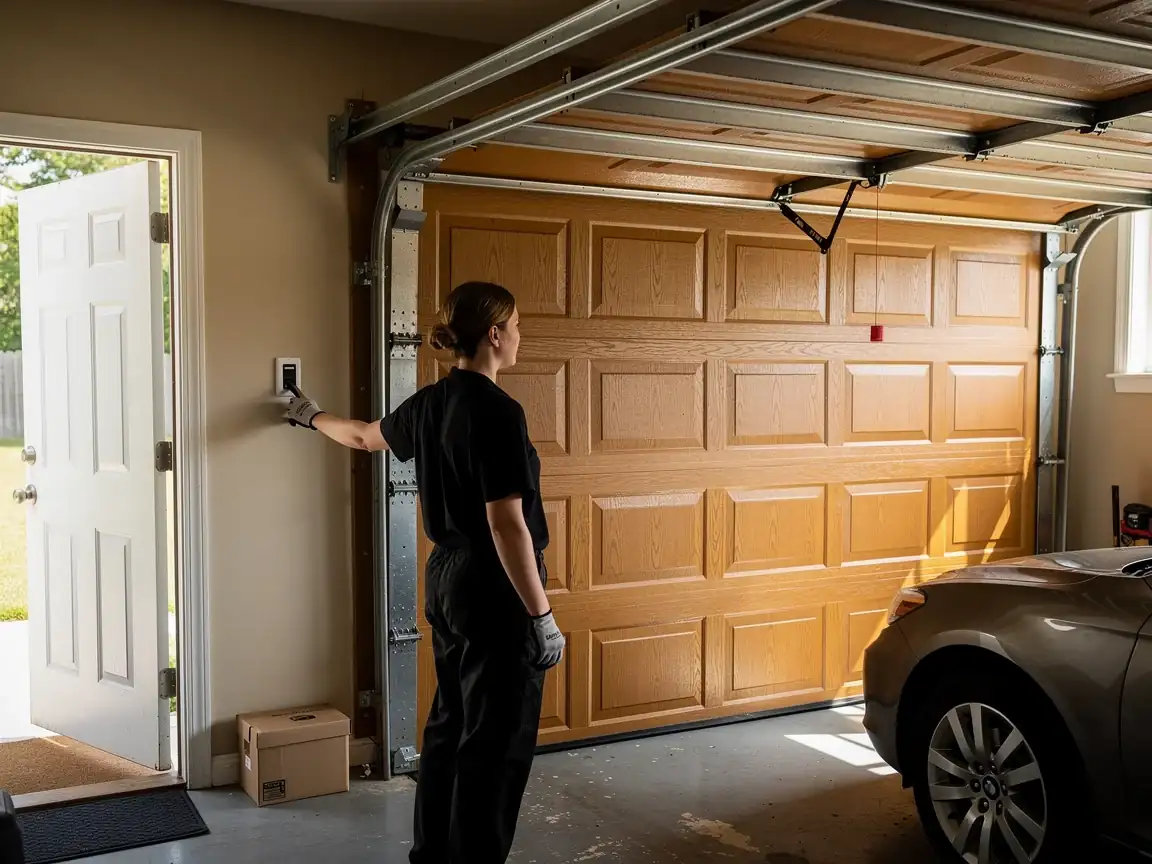
A spring swap is a mechanical job with a known sequence: secure the door, unwind the old spring safely, measure wire size and wind for the replacement, install it on the shaft, and test the balance by hand before trusting it to the opener again. On a standard setup that's a focused job, not an all-day project - but the real variable is what else gets found once the door is open and the spring is off.
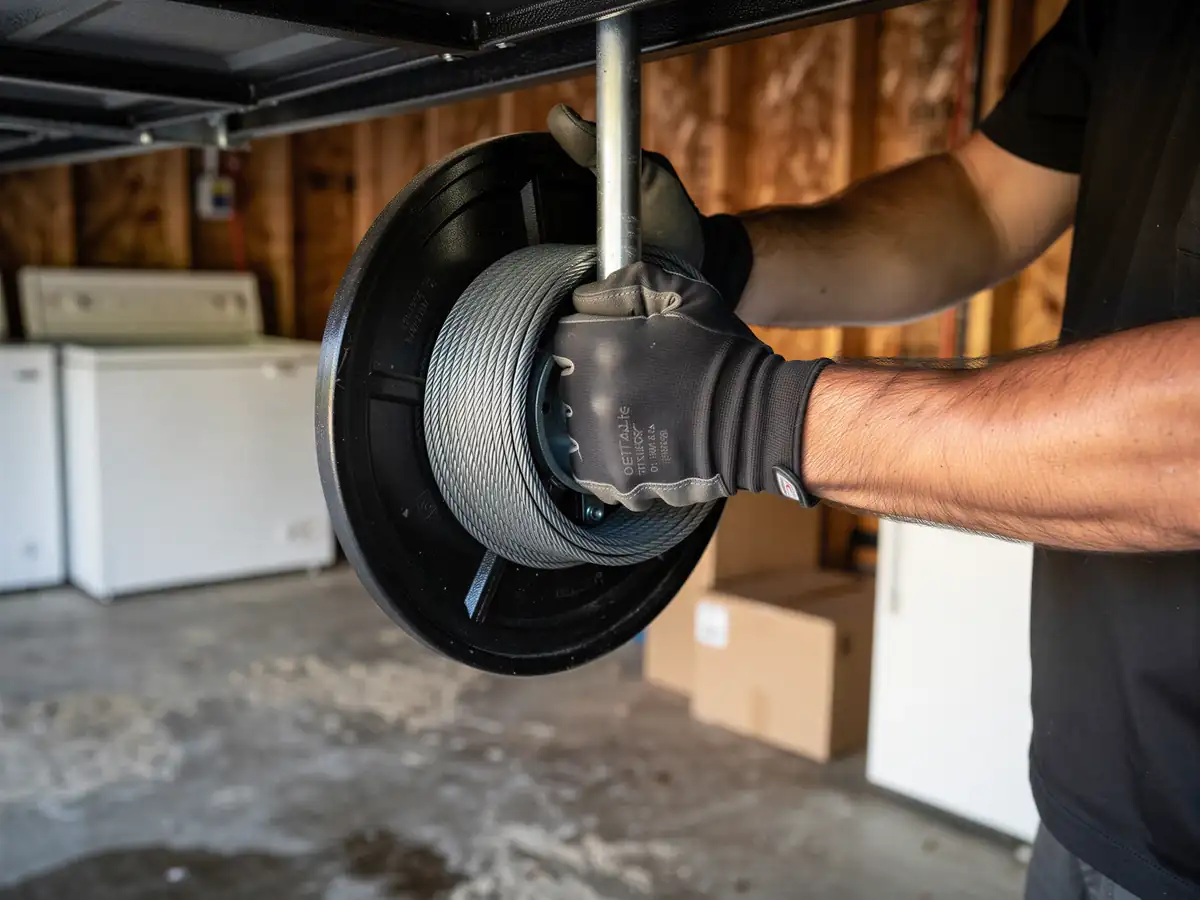
If the cables, drums, or bearing plates have worn alongside the spring - which is common when everything's from the same original install - those get addressed at the same time rather than left to fail next. A door with two springs where only one broke usually gets both replaced together, since the second one is on the same clock and nobody wants a return trip for the twin.
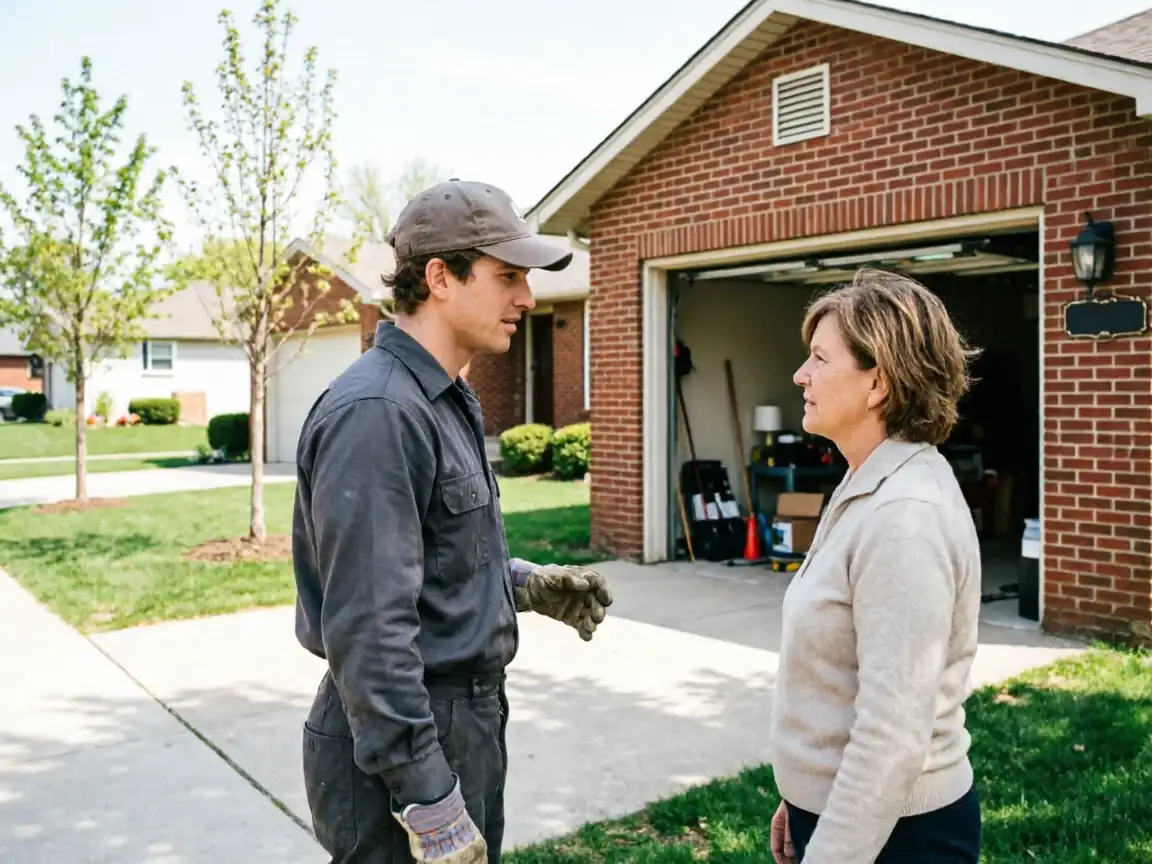
We don't give a blanket time estimate on this page because it depends on hardware condition, door weight, and whether it's a single or double door - that's the kind of detail that gets sorted on the phone or at the door, not guessed at here.
Doing It Yourself
Here's the honest limitation
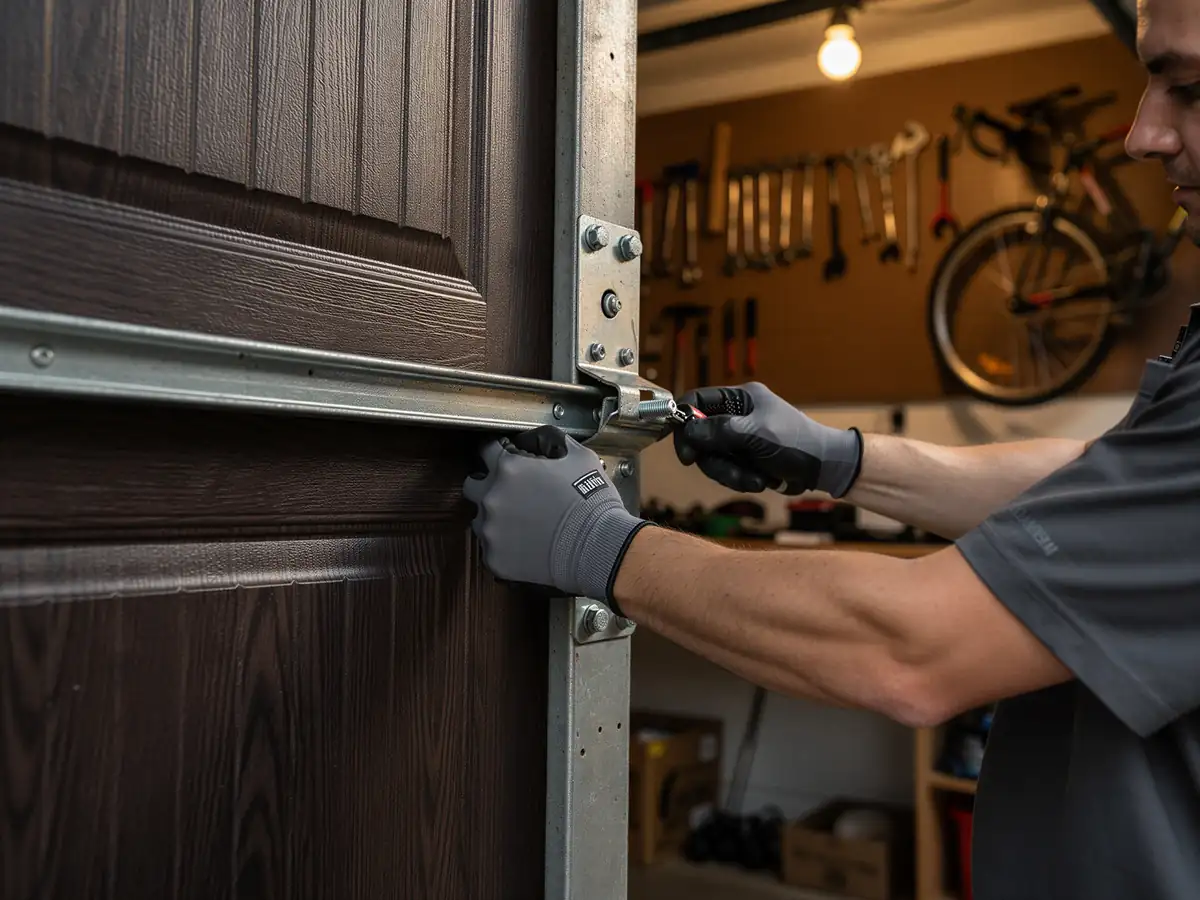
We don't recommend doing the spring itself yourself, and we're not going to pretend it's a weekend project. A wound torsion spring holds a lot of stored energy, and the tools for winding and unwinding it safely - proper winding bars, a secured ladder position, the shaft locked down - aren't things most garages have on hand. Hands and fingers near a spring under tension are genuinely at risk, which is the main reason this is one job most trade advice tells you to leave alone.
What you can reasonably check yourself
Whether the gap in the spring coil is on one side or both, whether the cables still look taut on the undamaged side, and whether the door is fully down and not half-raised and jammed. That information is useful to have ready when you call, since it tells us what we're walking into before we're on site.
Extension springs on older setups are a little more forgivable to look at closely since they're not pre-wound the same way
But replacing them still means working under a raised, unsupported door, which carries its own risk. Either way, this is a repair where the tools and the technique matter more than the willingness to try.