Why Fargo's Garage Doors Need More Than a Quick Fix
Fargo homes built between 1969 and 2006 often have garage doors with thin, non-insulated panels - here's what that means for this cold climate and your door.
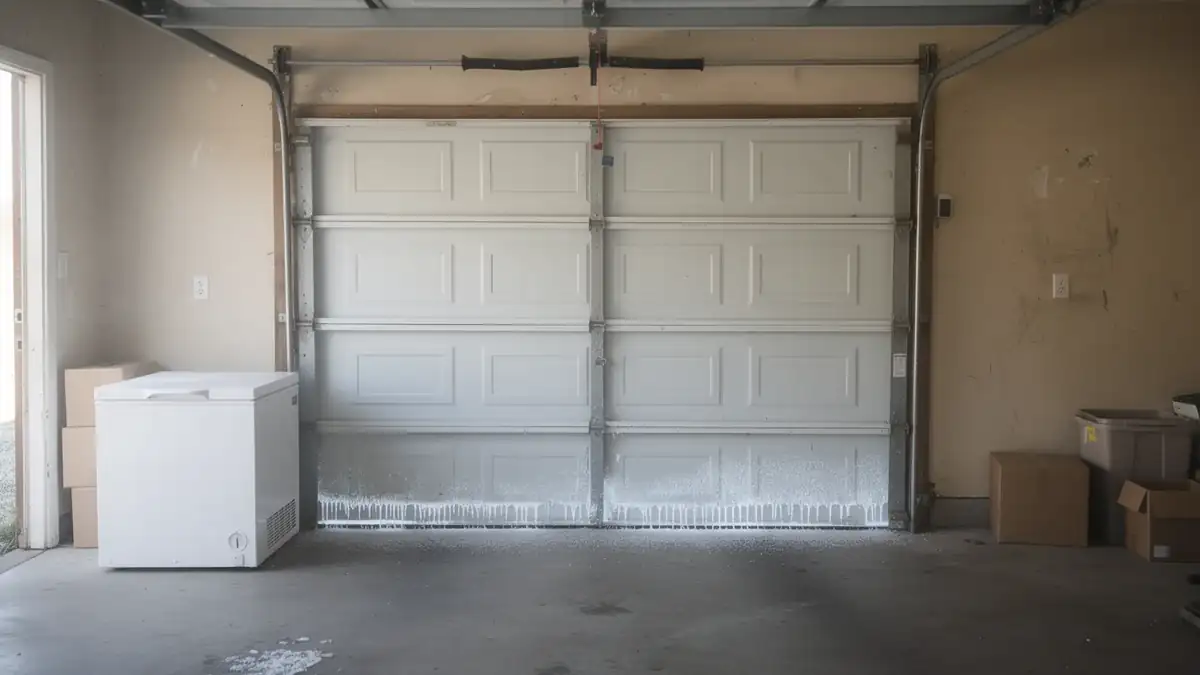
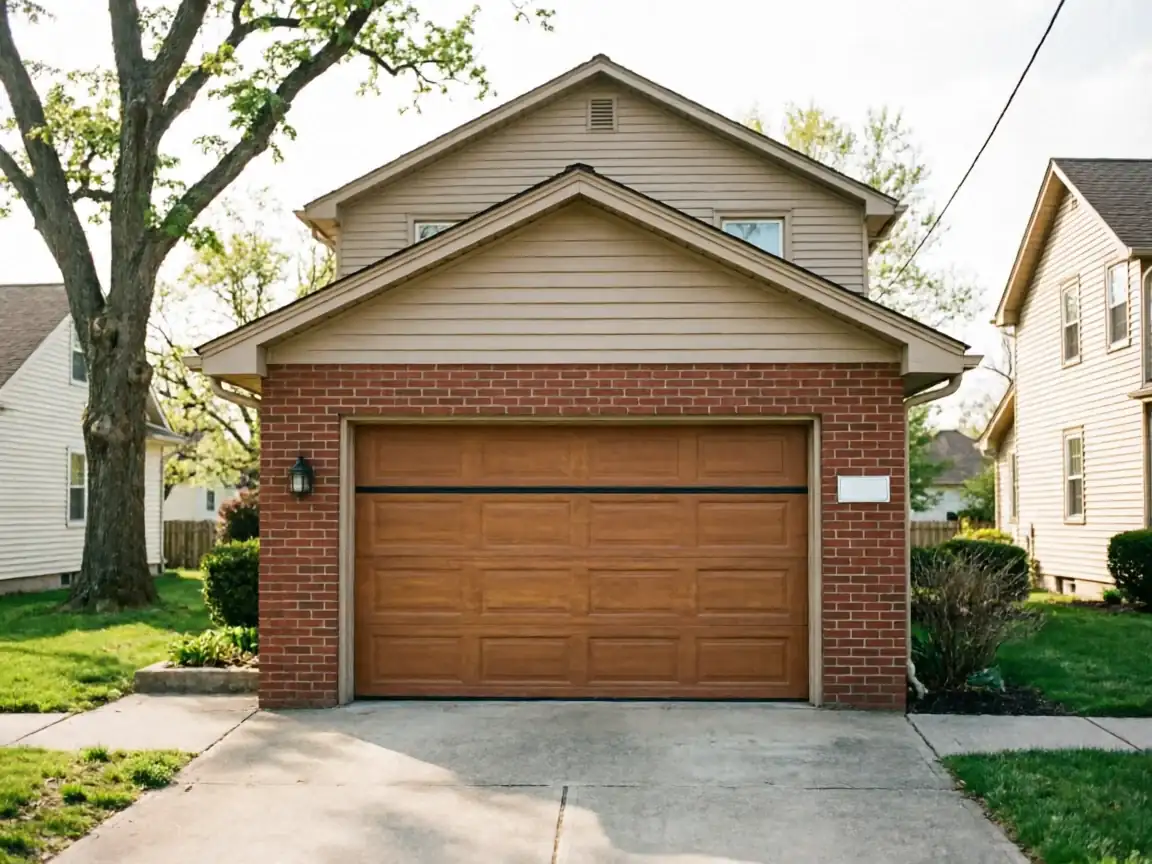
Most of the houses we work on in the Fargo area went up between 1969 and 2006, and the thickest slice of that stock is from the 1980s and 90s, spread across the seven neighborhoods that make up most of our calls. That era of building didn't carry the insulation expectations homes get held to now. A lot of the original garage doors from that boom are single-layer steel or hollow aluminum skins with nothing behind them - no foam core, no thermal break at the track. On a house built in 1985, that door was never meant to hold heat. It was meant to keep snow and wind out, and even that job gets harder as the steel ages and the panel seams loosen. In a cold-climate city like this, an uninsulated door isn't just a utility bill problem. It's the reason the room above or next to the garage never quite warms up, and the reason pipes running along that wall are the first ones to give you trouble on a hard winter night.
What Most People Get Wrong
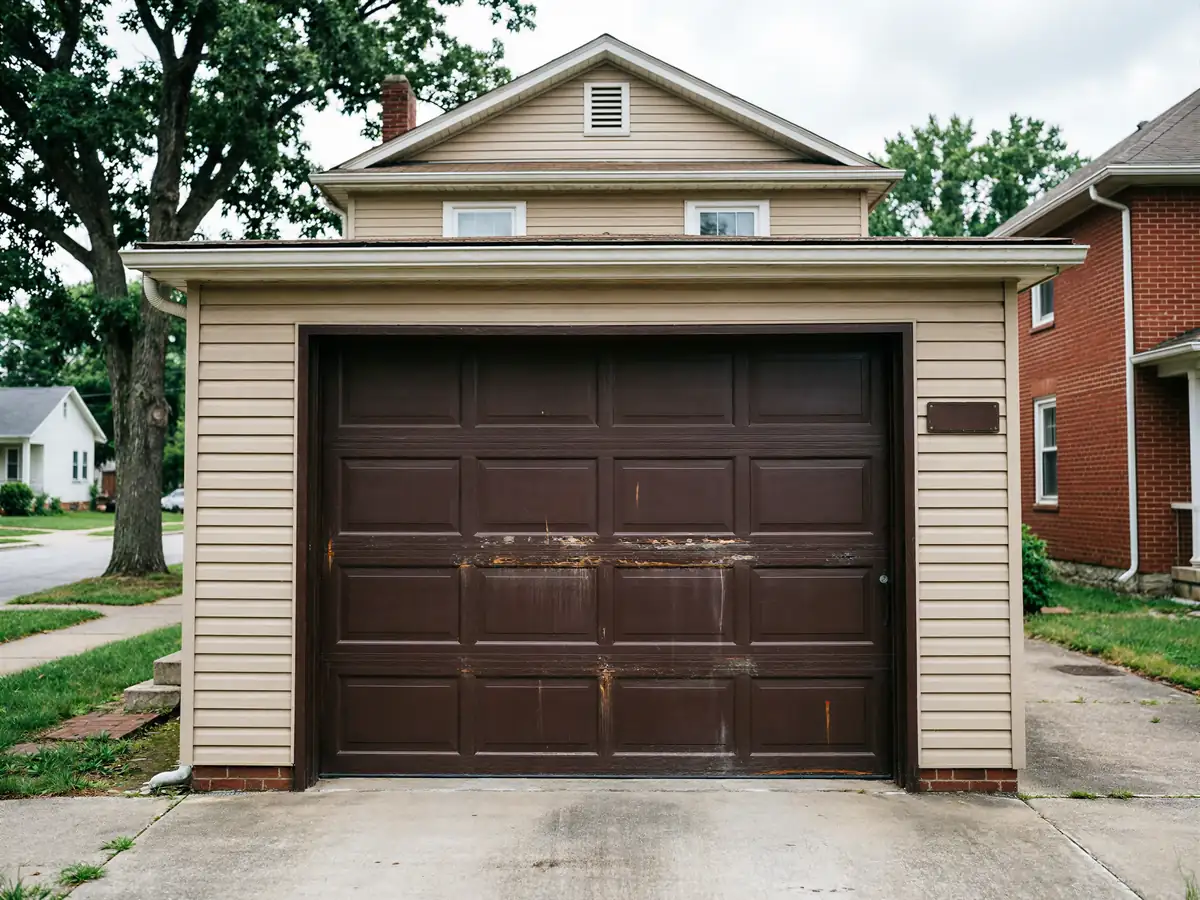
The common fix people reach for is weatherstripping around the edges, and that helps with drafts, but it does nothing for a bare steel panel that's radiating cold into the garage all night. A door built during the 1969-2006 run can look fine from the driveway and still be losing heat straight through the face of every panel. The other mistake is assuming a newer-looking door means a newer-rated one. Plenty of doors installed as replacements in the 1990s matched the builder-grade standard of the time - thin steel, minimal insulation - because that's what was standard stock then, not because anyone cut corners. So the door's age and the house's age often don't line up, and neither tells you what's actually inside the panel. The only way to know is to look at the door itself, not the year on the permit.
What Local Conditions Do
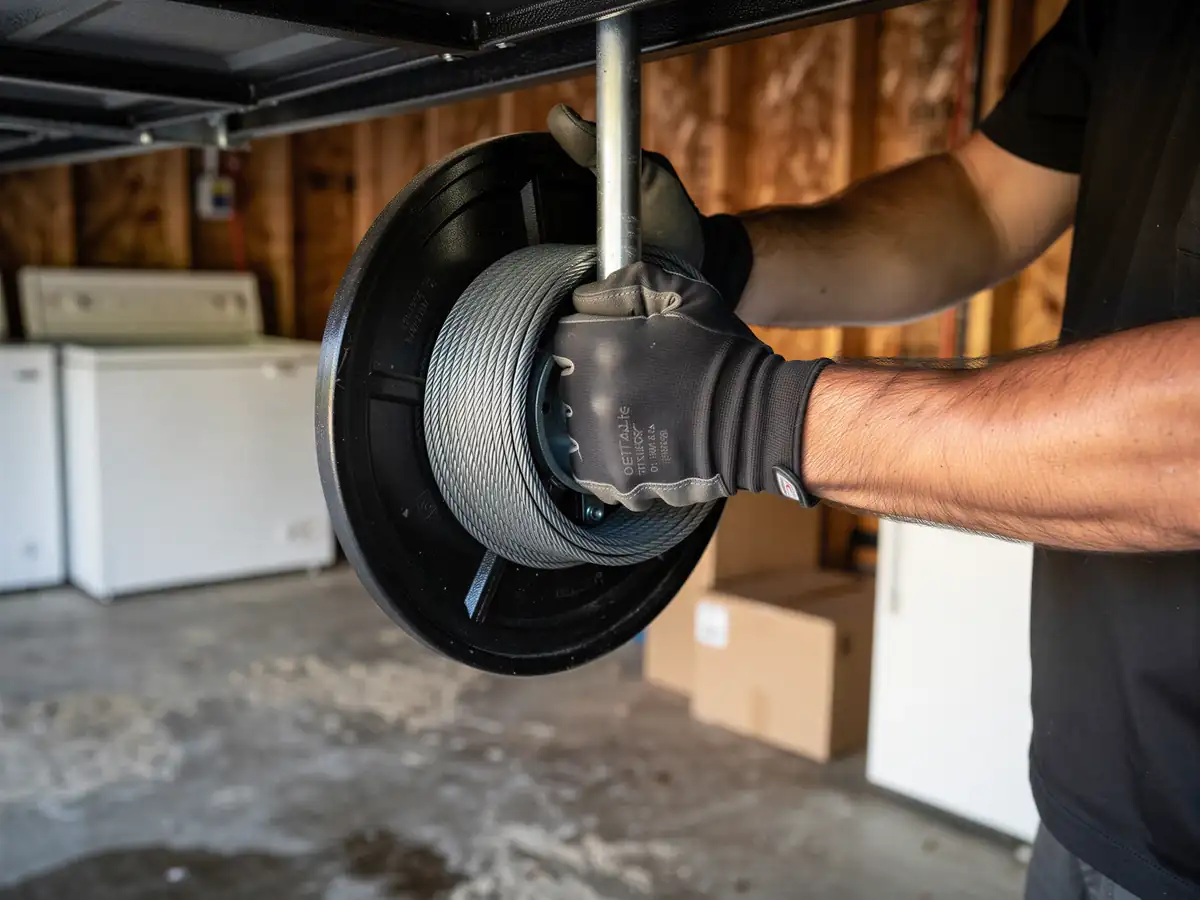
A severe cold climate does specific, predictable damage to a door built to 1980s-90s standards. Steel panels contract in deep cold, which opens up the gaps around seams and at the bottom seal faster than the door was designed for. Nylon rollers from that era, common on doors of this vintage, get brittle and start cracking at the same temperatures that make the track metal shrink slightly - the two problems show up together, not separately. Torsion springs lose a bit of tension as cold steel stiffens, so openers built for a 1990s-era door sometimes start straining on the coldest mornings even though nothing physically broke. None of this is unique to one house. It's what this climate does to doors and hardware from that specific building period, year after year, and it's why the service calls cluster hard once the real cold sets in.
Checking It Yourself
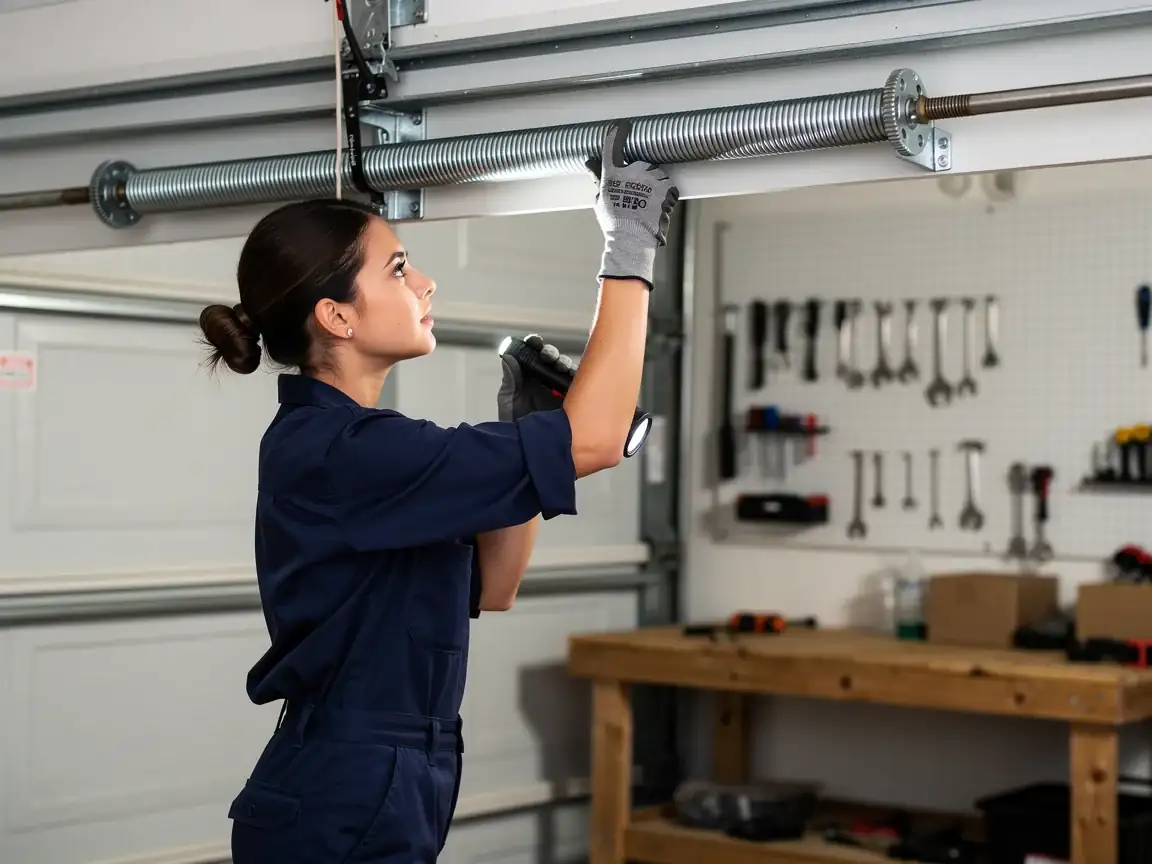
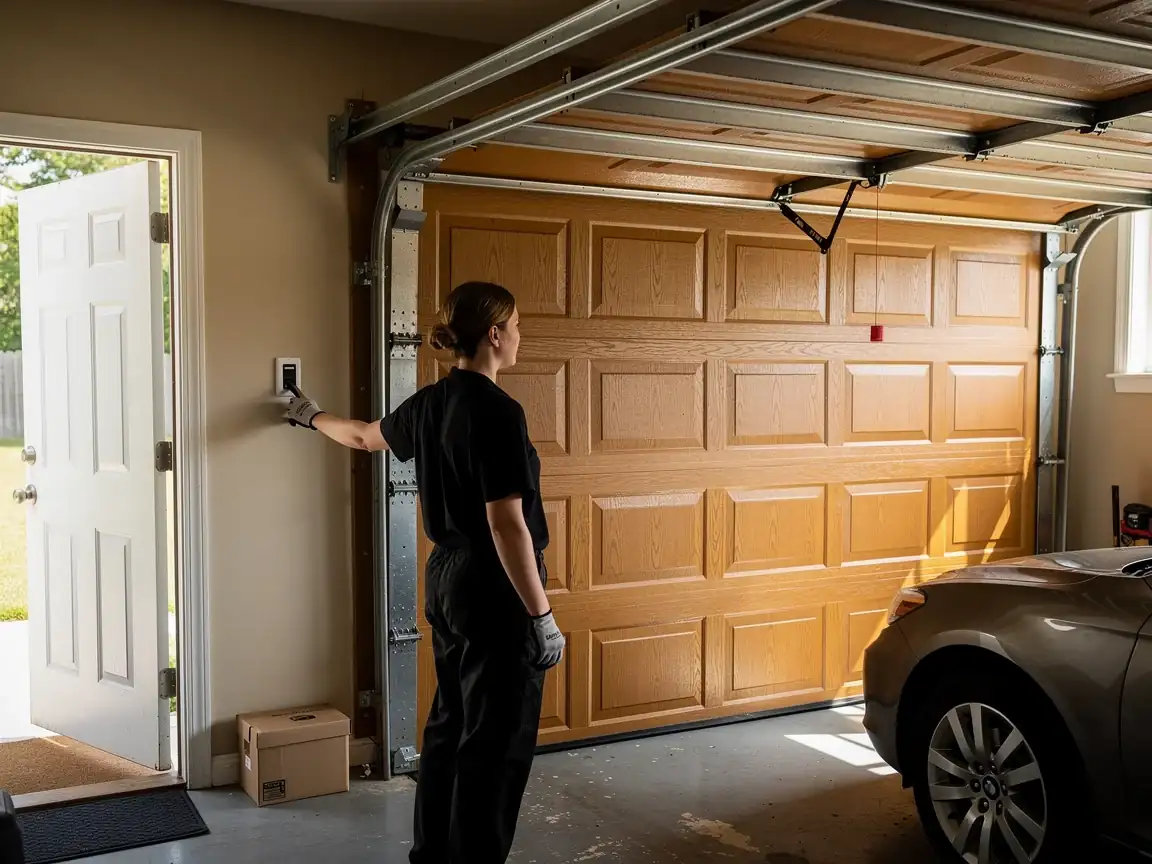
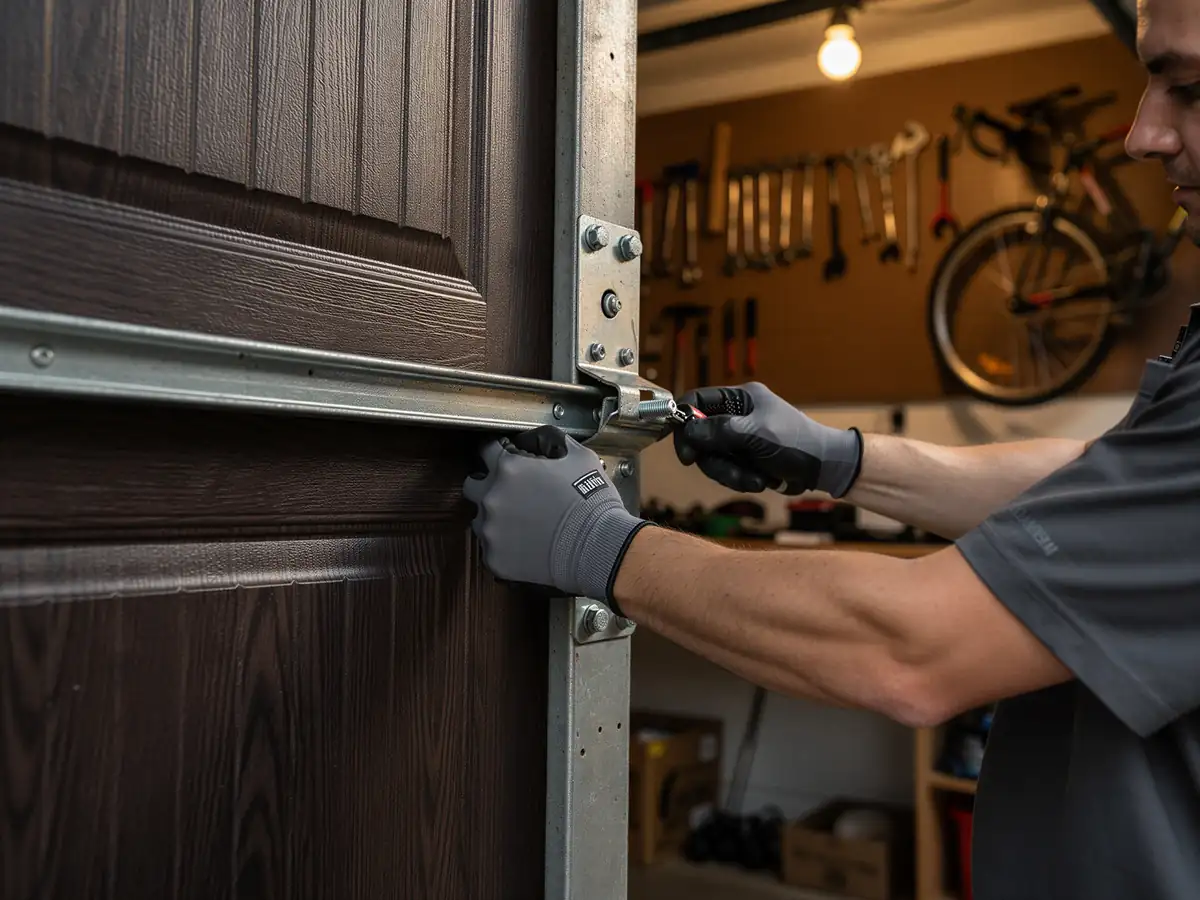
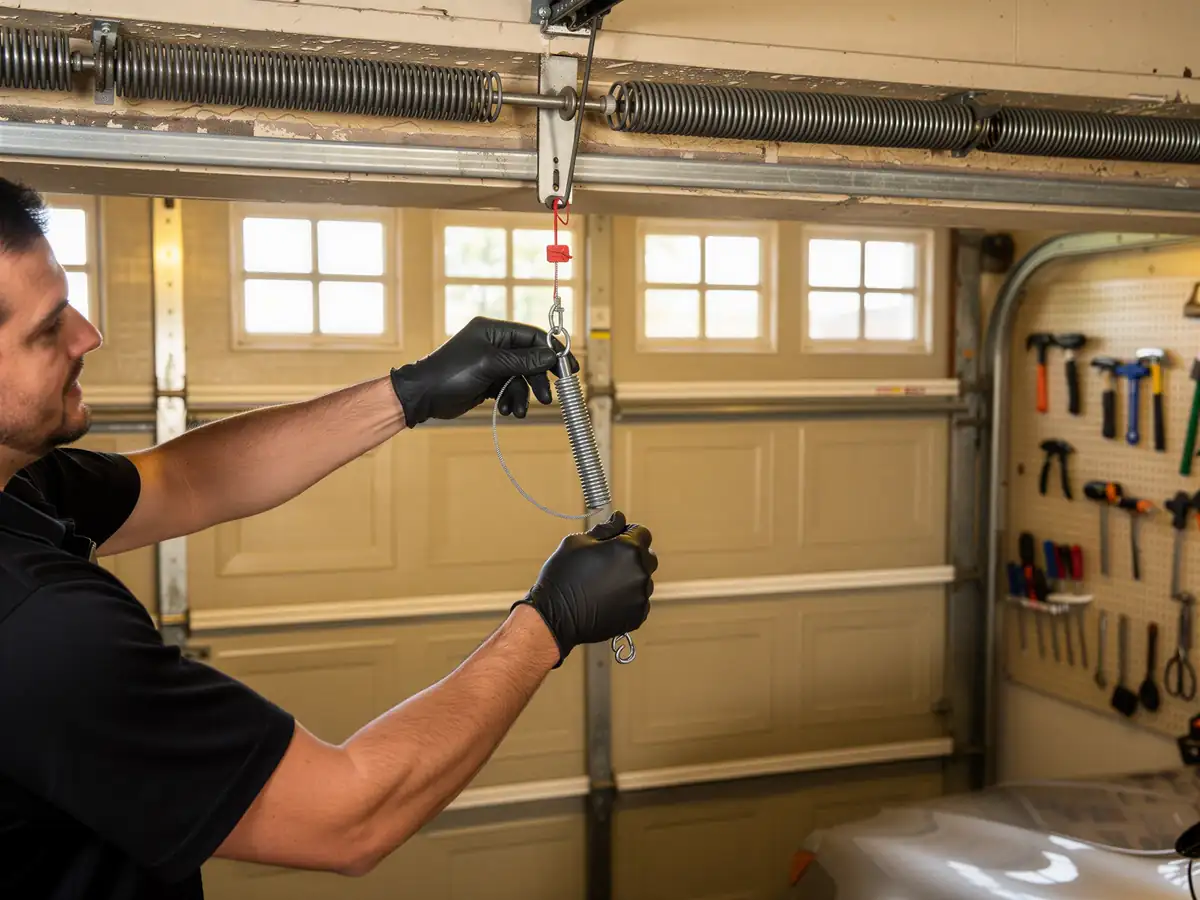
Walk out to the garage on a cold morning and put your hand flat on the inside of the door panel. If it's as cold as the air outside, there's no insulation doing real work in there, regardless of what the door looks like. Check the bottom seal for gaps you can see daylight through, and look at the rollers - if they're the hard nylon style common on 1980s and 90s doors, a visible crack means they're near the end. Listen to the opener on a cold start; a motor that used to run quiet and now grinds or hesitates before the door moves is telling you the spring tension has shifted with the temperature. What you shouldn't do yourself is touch the torsion spring or try to adjust its tension - that part of the job is genuinely dangerous without the right bars and training, and it's the one thing on this list worth a call instead of a Saturday afternoon.
Why does my garage door feel so cold even though the house is fine?
If your house was built in the 1969-2006 window common across this area, the door itself is probably the original single-layer steel or aluminum panel with no foam core. It was built to the standard of its decade, not to hold heat, so the garage stays close to outdoor temperature no matter how well the rest of the house is sealed.
Do I need to replace the whole door to fix the cold problem?
Not always. Some doors from the 1980s-90s stock can take an insulation retrofit kit if the panel structure is sound. Others, especially ones with cracked seams or warped panels, aren't worth retrofitting and replacement ends up cheaper over a few winters. It depends on the door's actual condition, not just its age.
Why do my rollers keep cracking every winter?
Hard nylon rollers, standard on a lot of doors installed during the 1980s-90s building period, get brittle in severe cold and crack under the stress of daily use. It's a predictable wear pattern for that hardware in this climate, not a sign anything was installed wrong.
Ready to get your garage door sorted?
Tell us what it’s doing and where you are in Fargo - we’ll take it from there.