The Symptom
You notice it in January
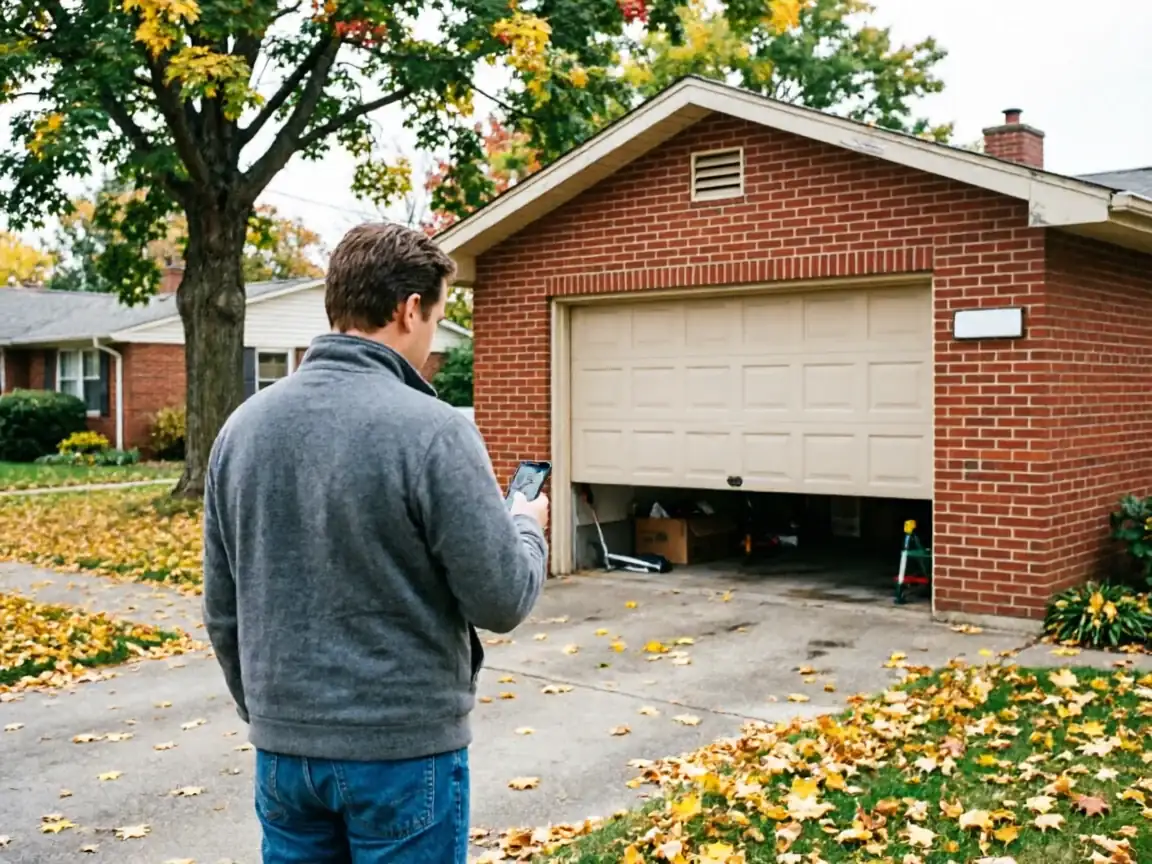
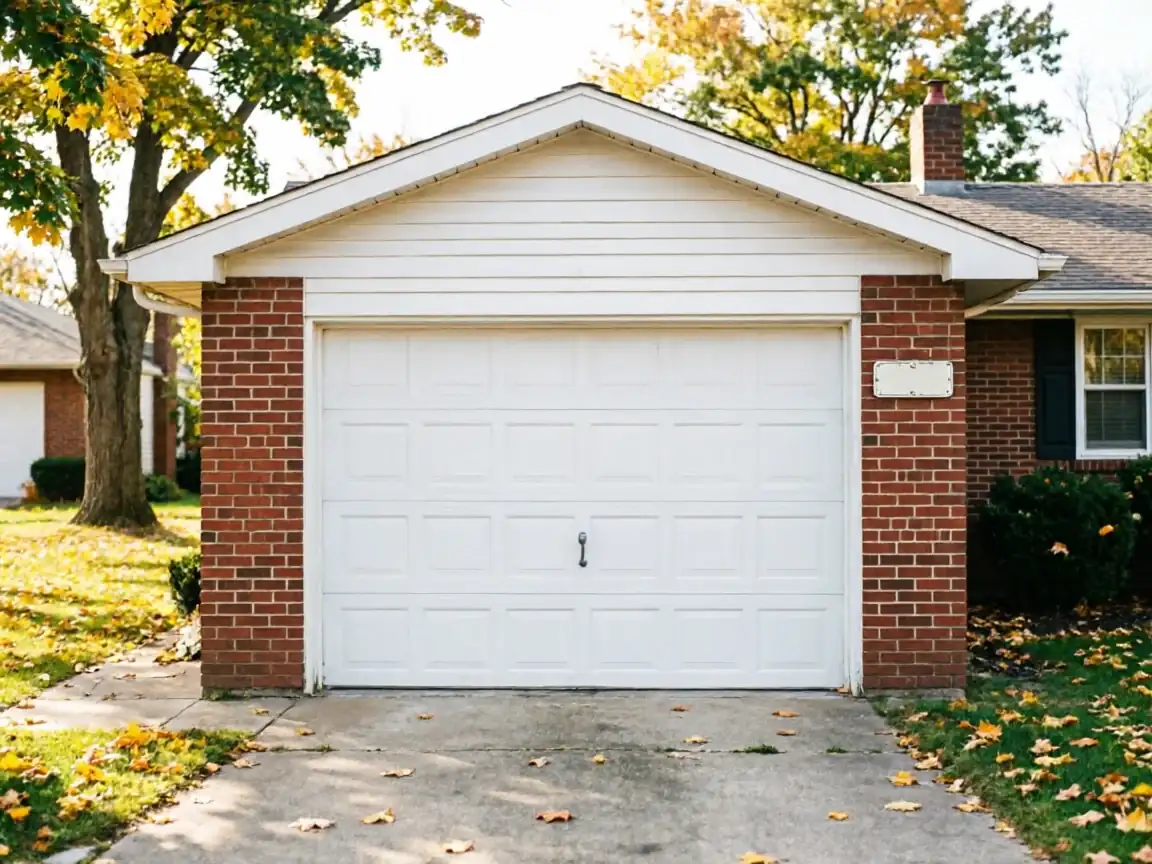
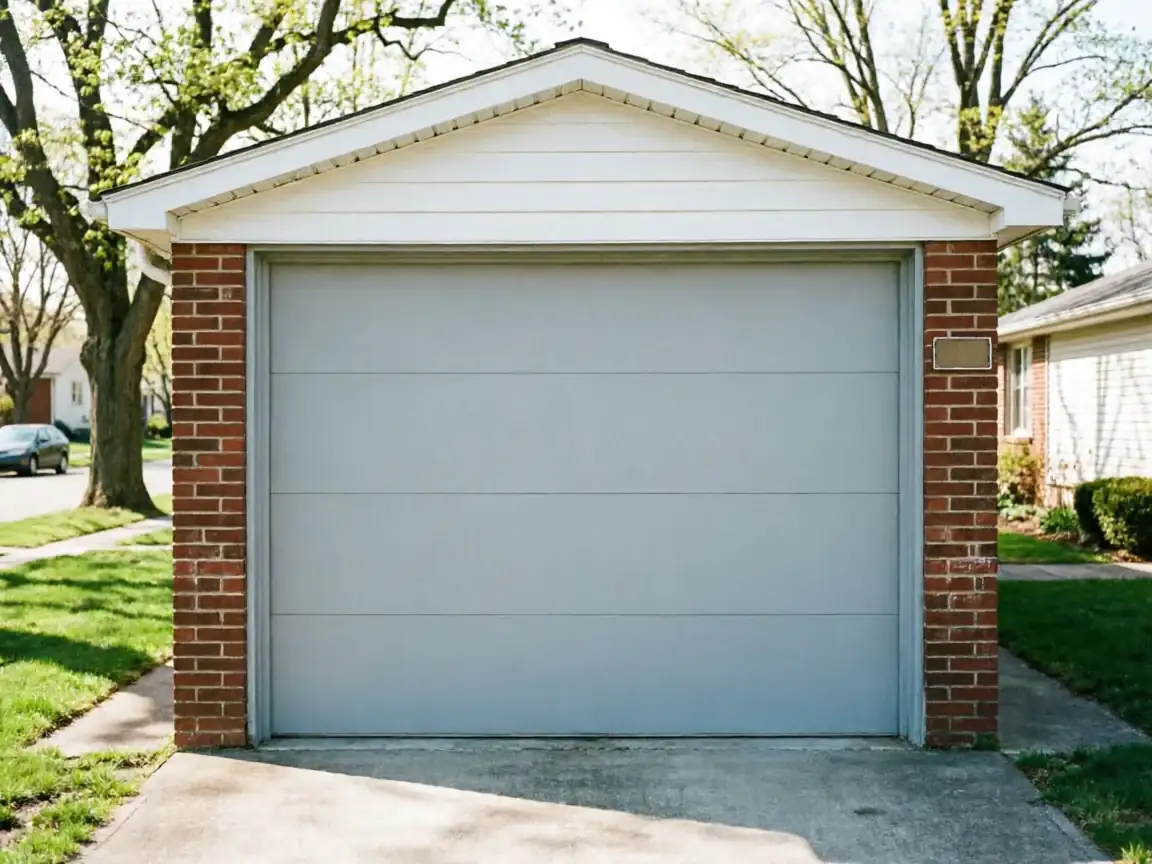
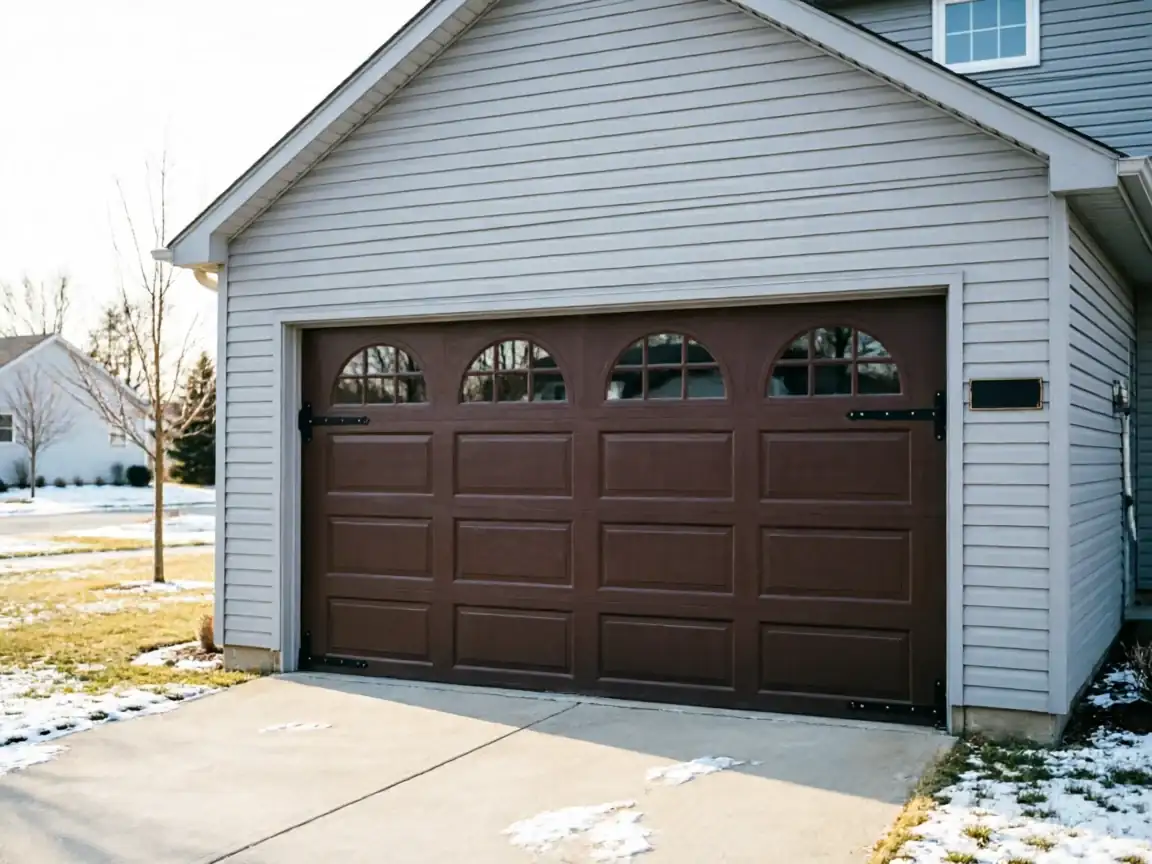
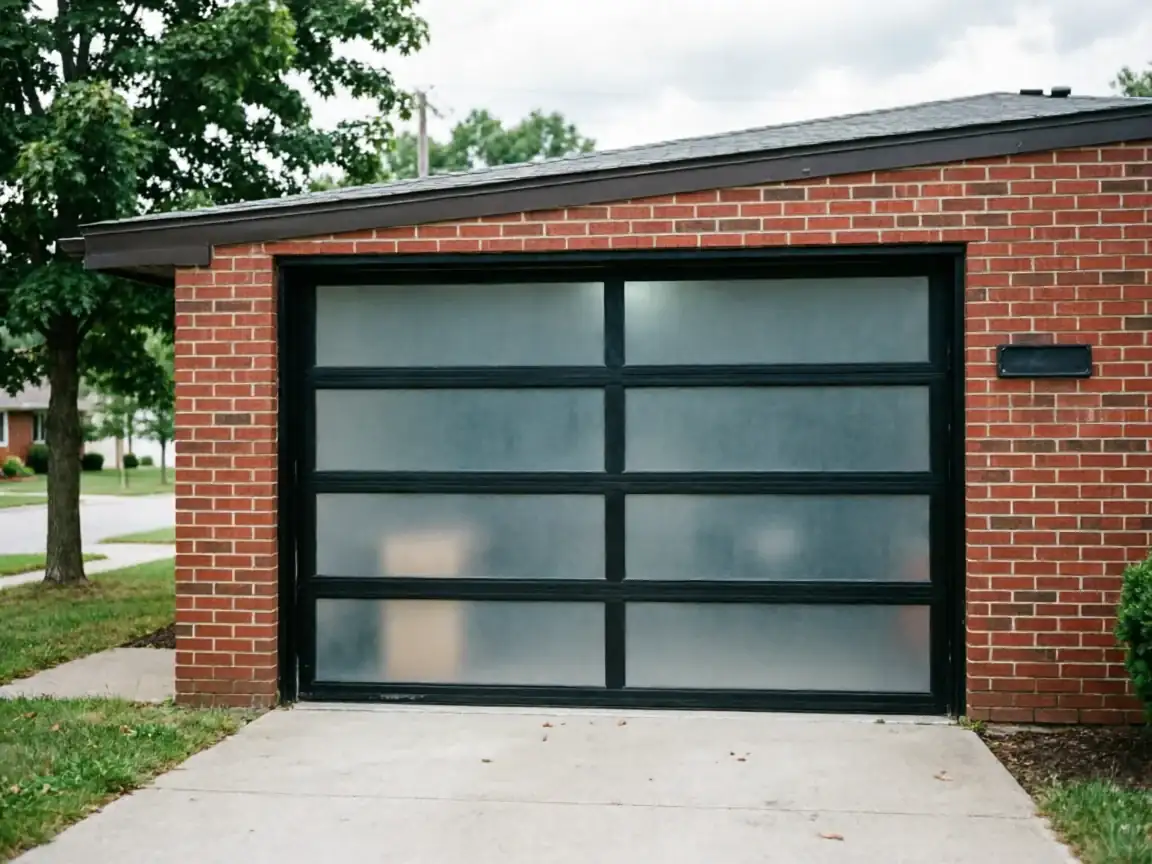
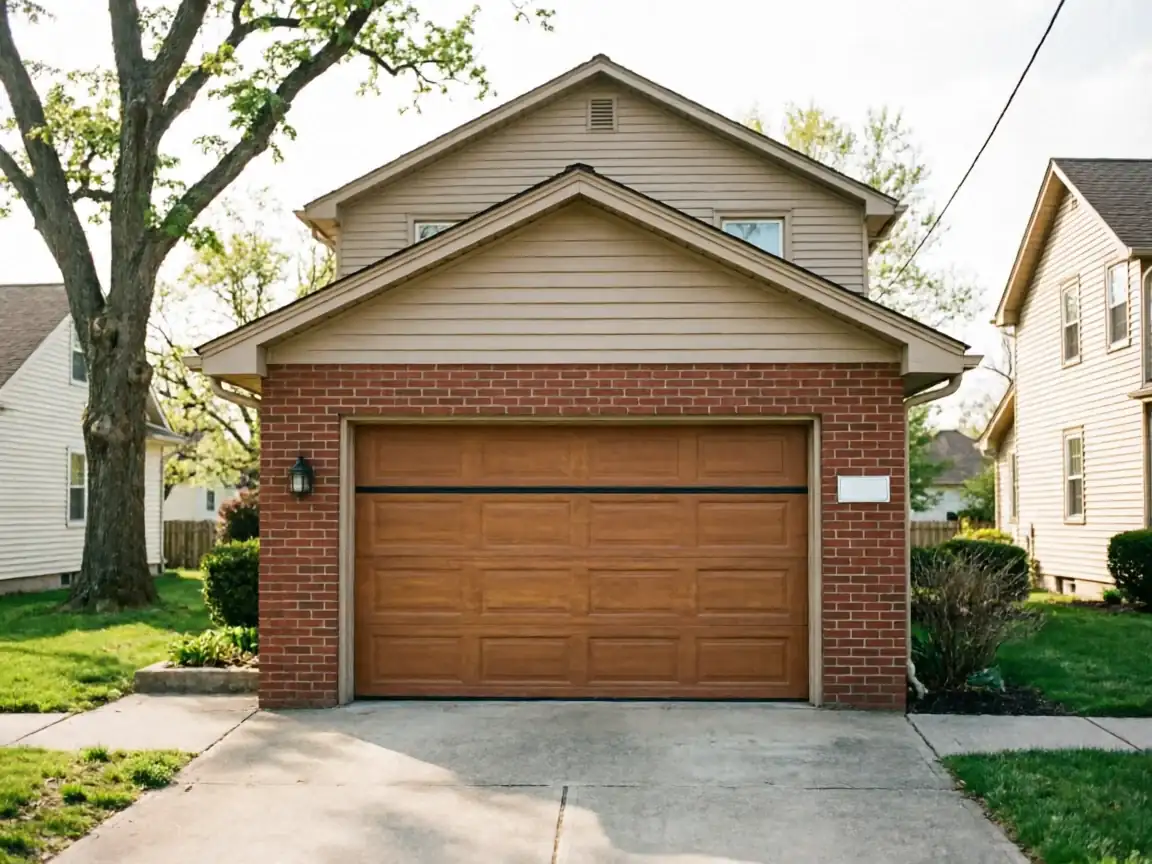
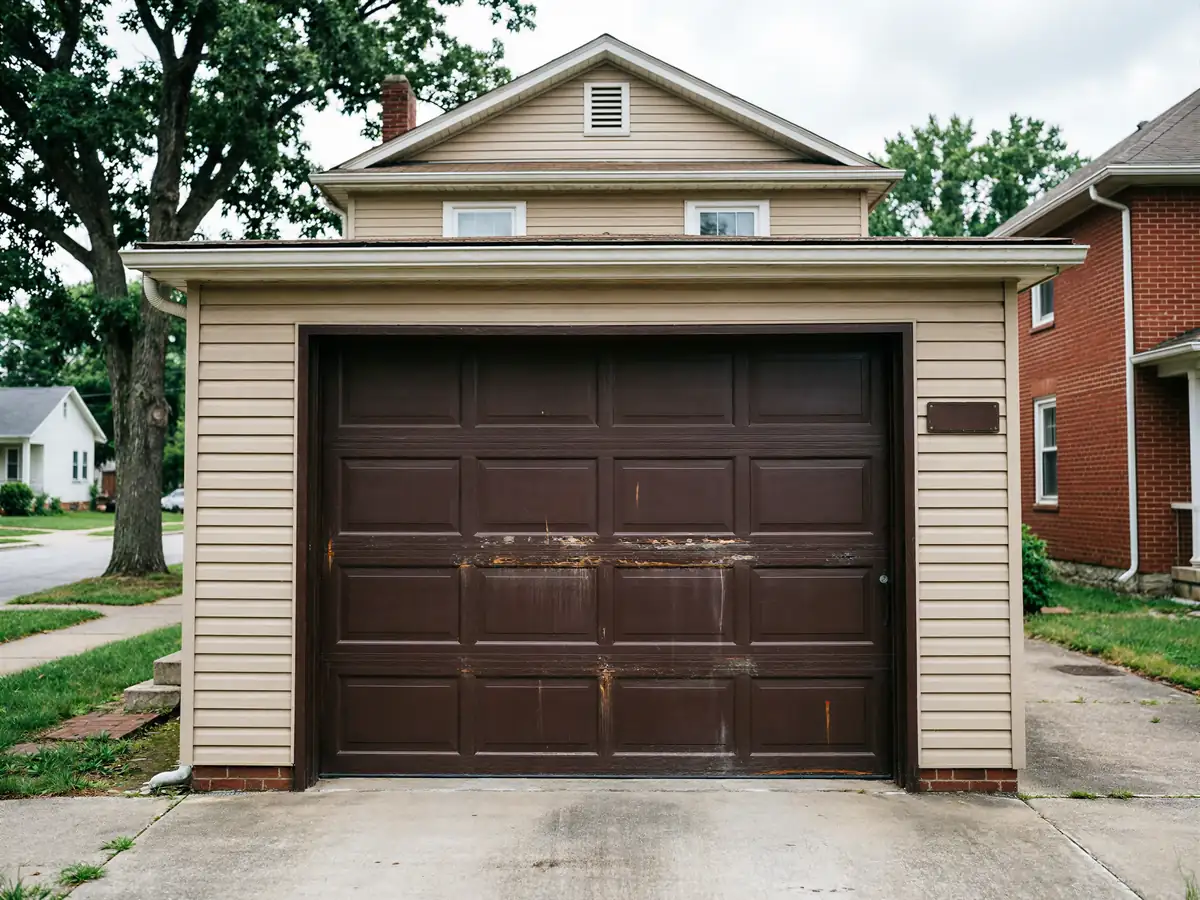
Frost on the inside of the door panels, a gap at the bottom that lets wind through even with the opener fully down, or a door so heavy on its original hardware that the opener strains and groans every time it lifts. Sometimes it's simpler than that - the door just looks tired. Faded, dented from thirty years of use, or it's the single-layer steel slab that came with the house when it was built. None of that is a repair problem. A new spring or a new roller won't fix a door that was never built for a 40-below wind chill or that's reached the end of its service life. That's when installation, not repair, is the right call.
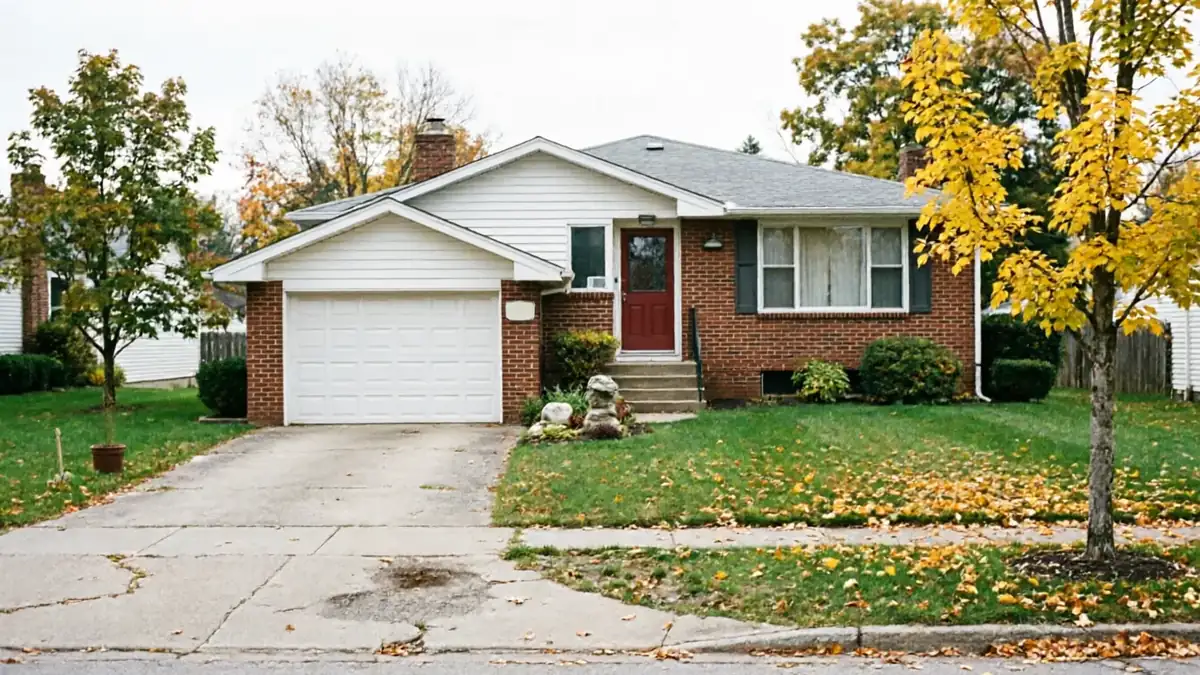
Across the service area, most of the housing went up between 1969 and 2006
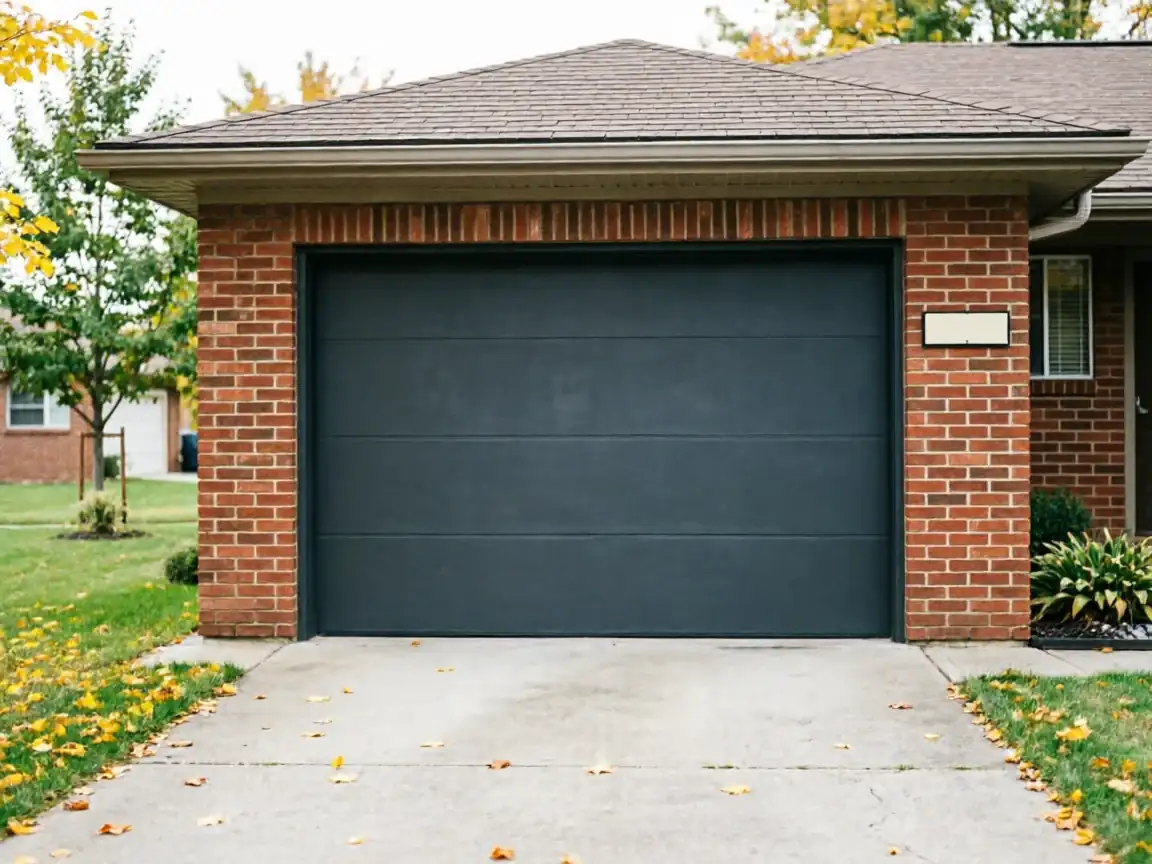
With the bulk of it from the 1980s and 90s spread across seven named areas. A lot of those original doors are still hanging. They were fine for the climate expectations of their decade. They are not keeping up now.
Why This Fails Locally
This region sits in a severe cold climate band, and that matters more for a garage door than almost any other exterior feature of the house. An uninsulated or thin single-layer door built in the 80s or 90s was standard for its era, but it was never rated for the kind of sustained sub-zero stretches this area gets. The steel contracts, the seals harden and crack, and the gap between panel and frame widens every winter until the door is basically a sheet of cold metal with a motor attached.
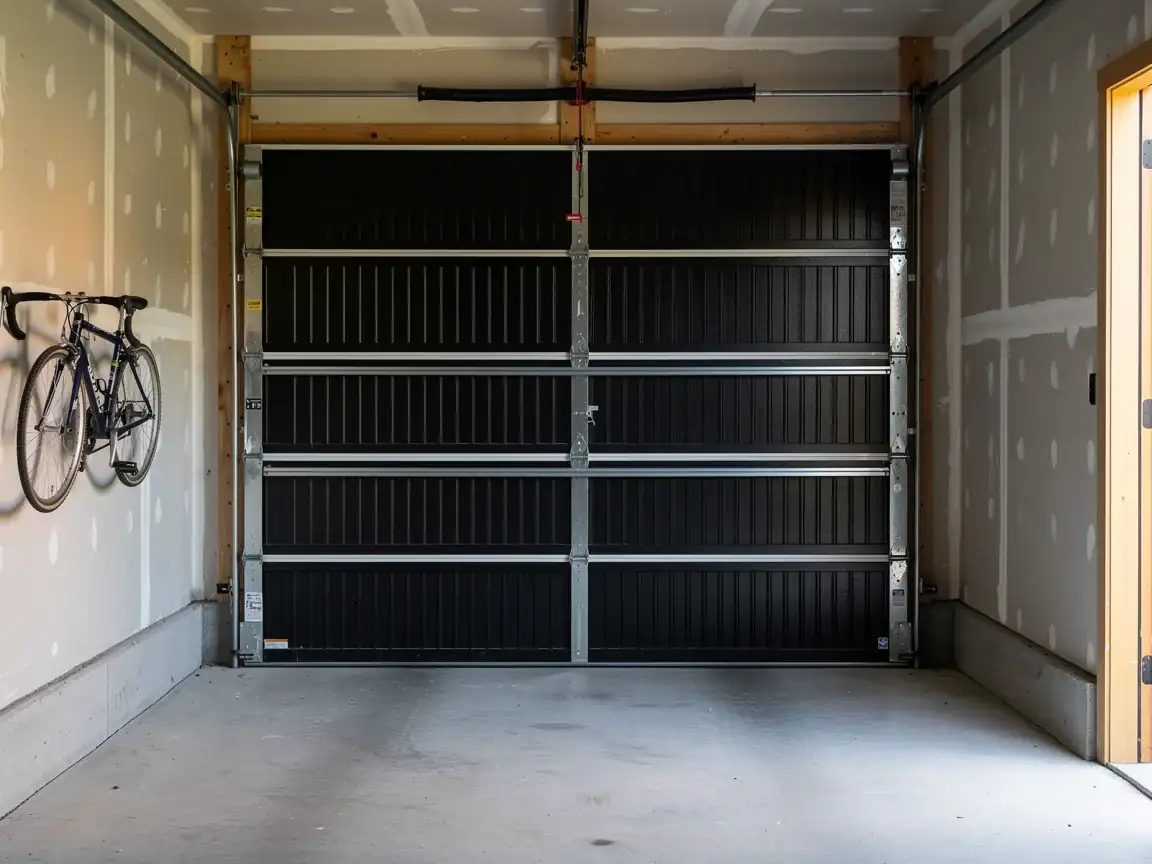
Housing built in that 1969-2006 window, with a median build year of 1999, also tends to share the same sectional door track width and opener mounting from that period. When homeowners try to retrofit a modern insulated door onto 25-to-40-year-old track and jamb hardware, the fit is rarely clean - the opening settles over decades, and what was square in 1985 often isn't square now. A proper installation re-levels the jambs and matches new door and hardware to the actual opening, not the spec sheet from when the house was built.
How Long It Takes
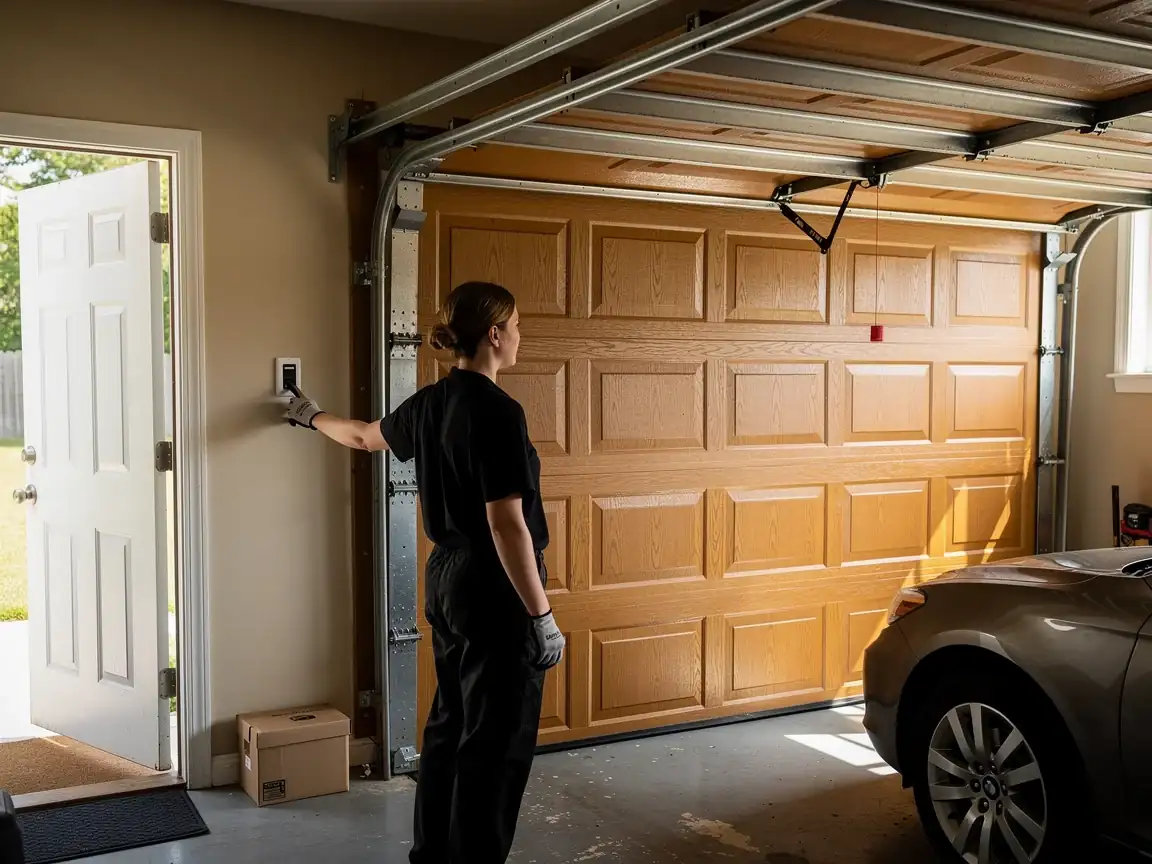
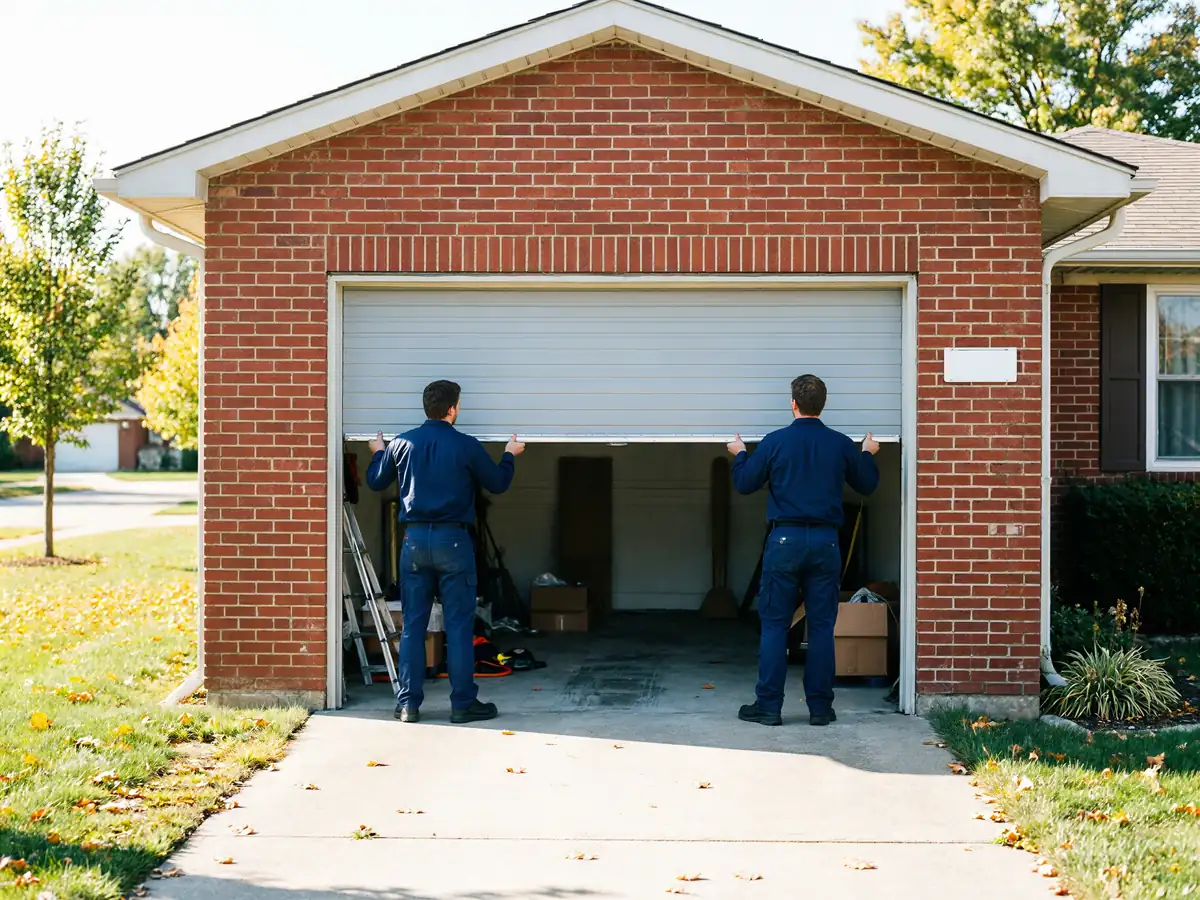
A straightforward single-door swap on a standard opening, where the jambs are square and the existing track can be reused, is usually a half-day job. Double doors, or any install where the framing needs correction because of decades of settling - common in housing from the 1969-2006 build range - run longer, sometimes a full day.
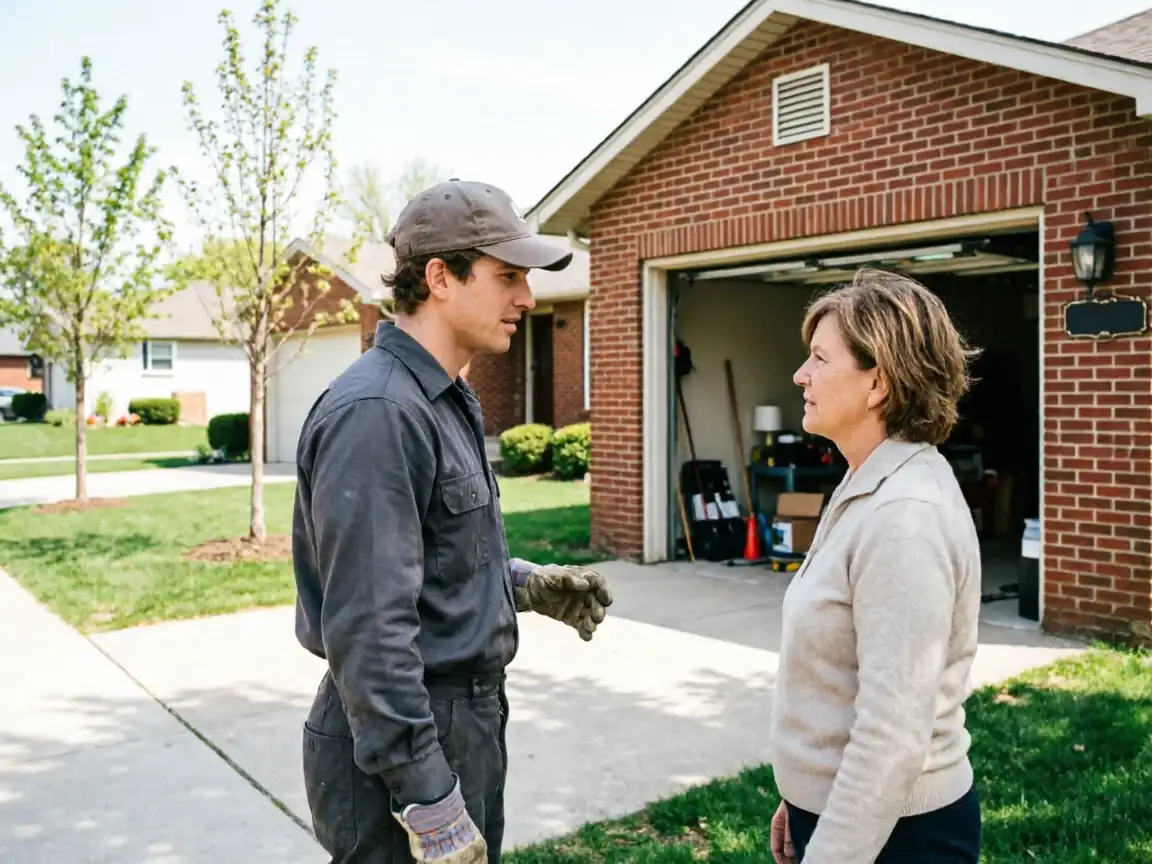
We don't give you a number until we've looked at the opening in person, because the two things that add time are always the same: out-of-square framing and non-standard track width left over from an older build. Both are common enough in this area's housing stock that we check for them before we quote, not after we start.
Doing It Yourself
A new garage door is not a weekend project to save a few hundred dollars
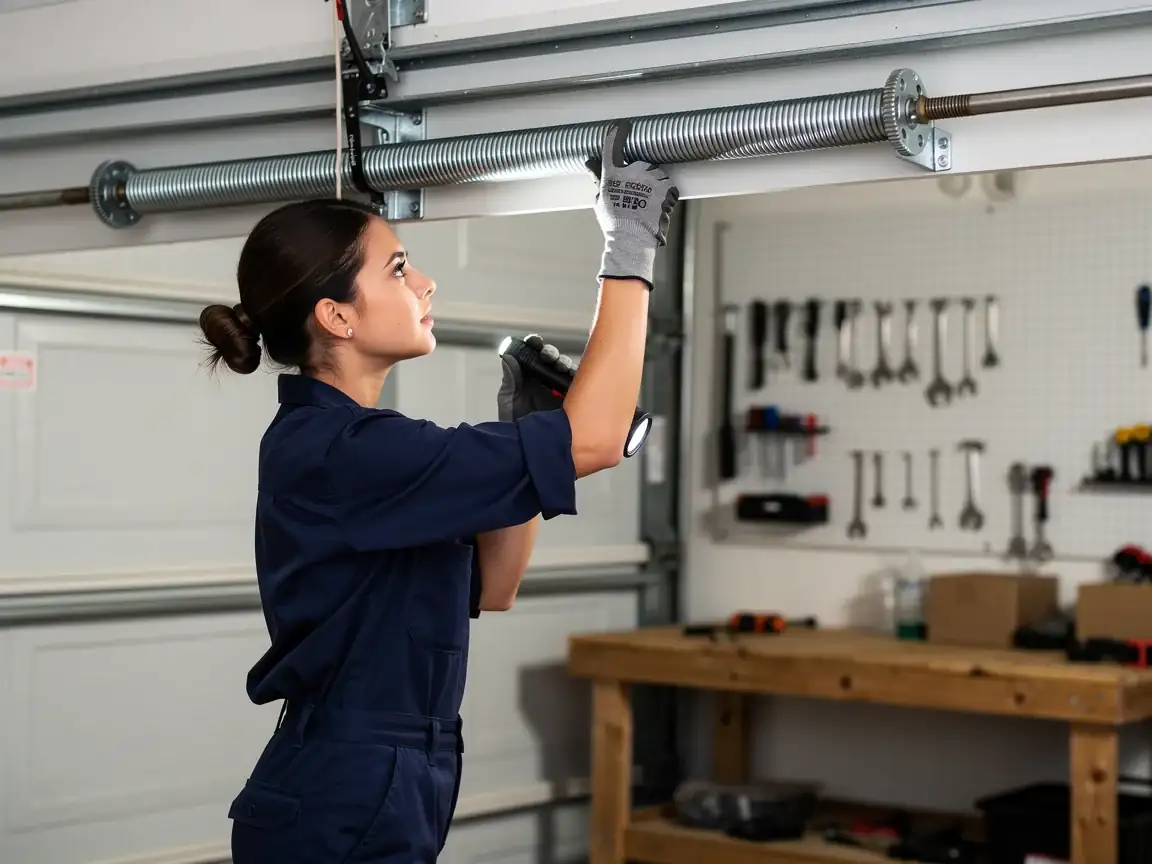
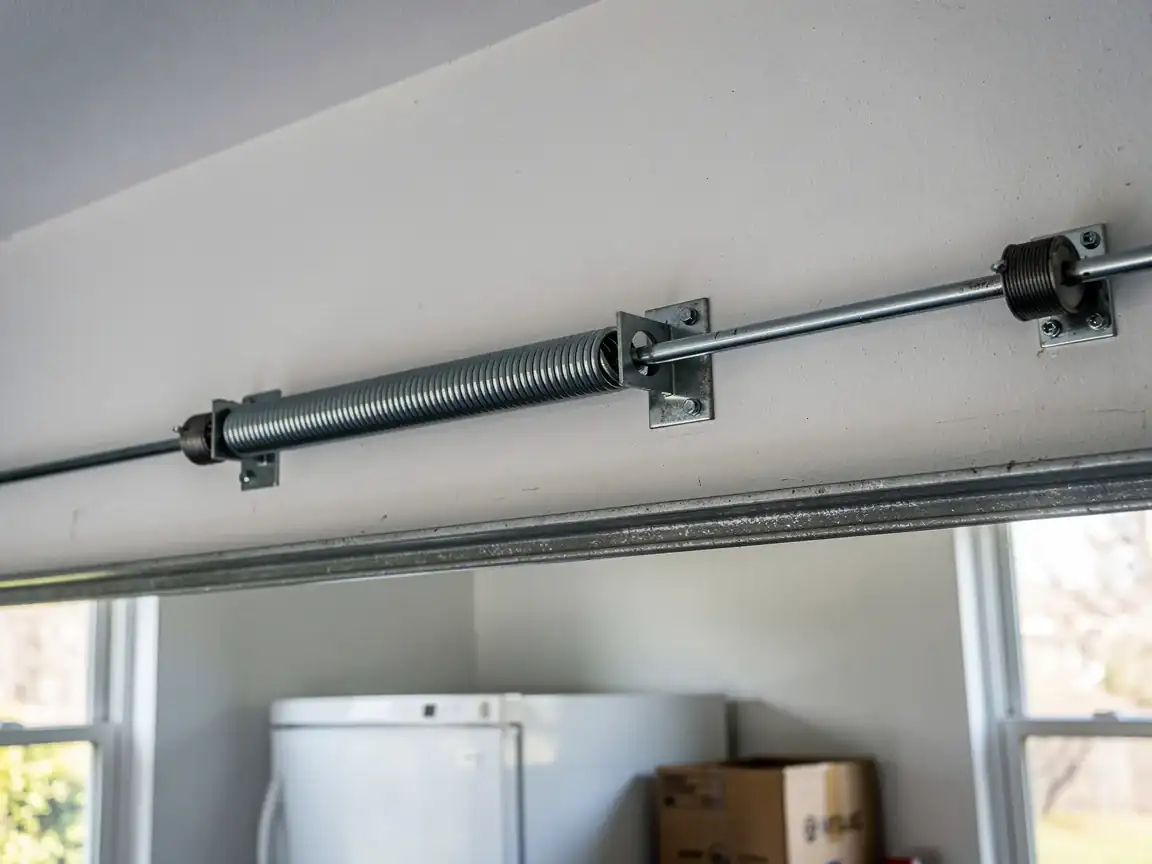
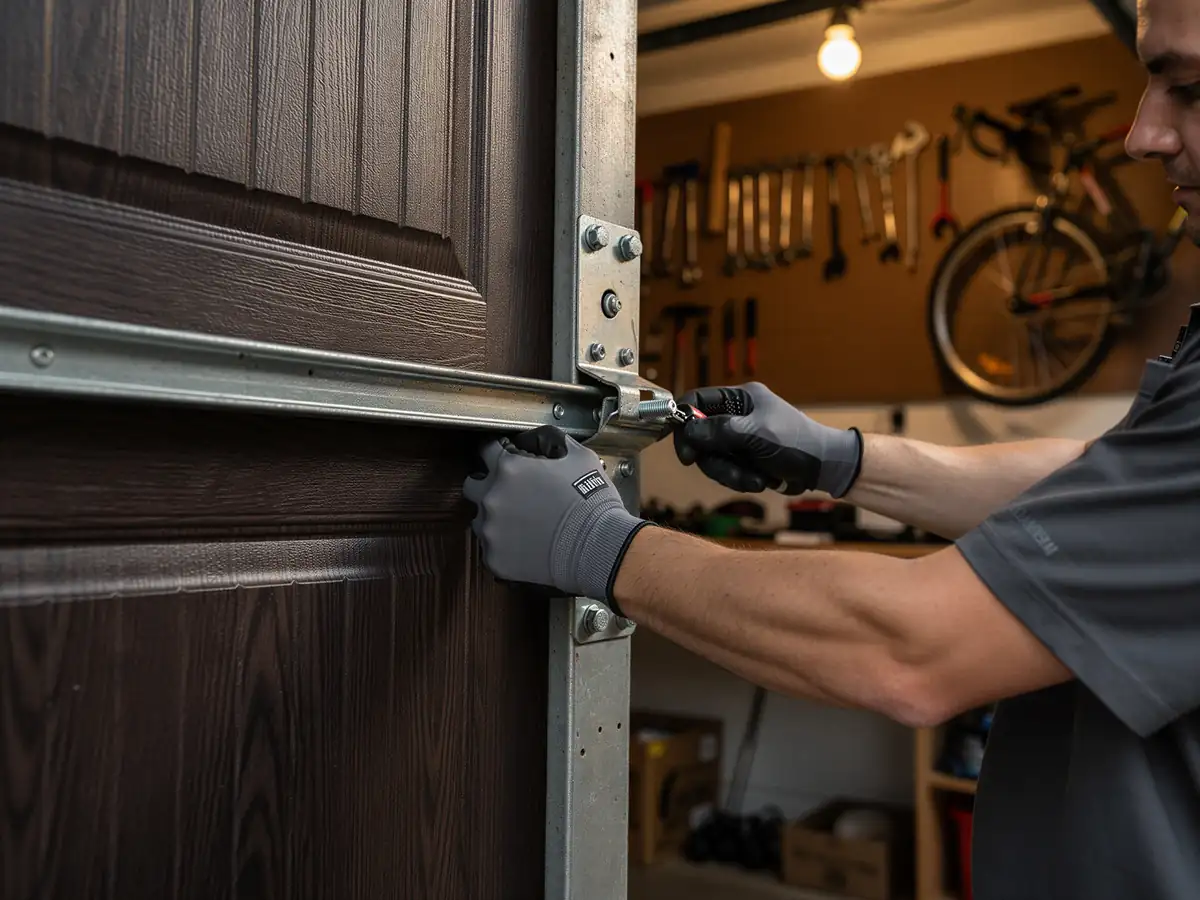
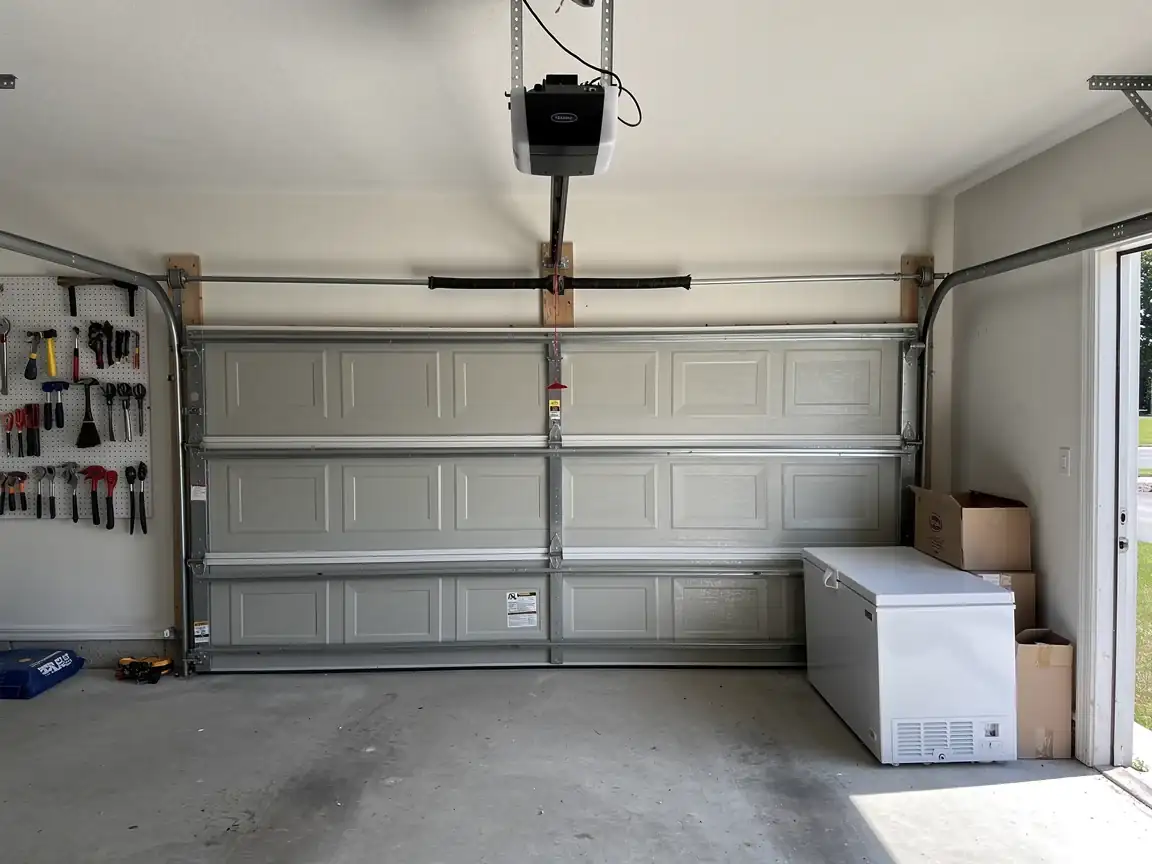
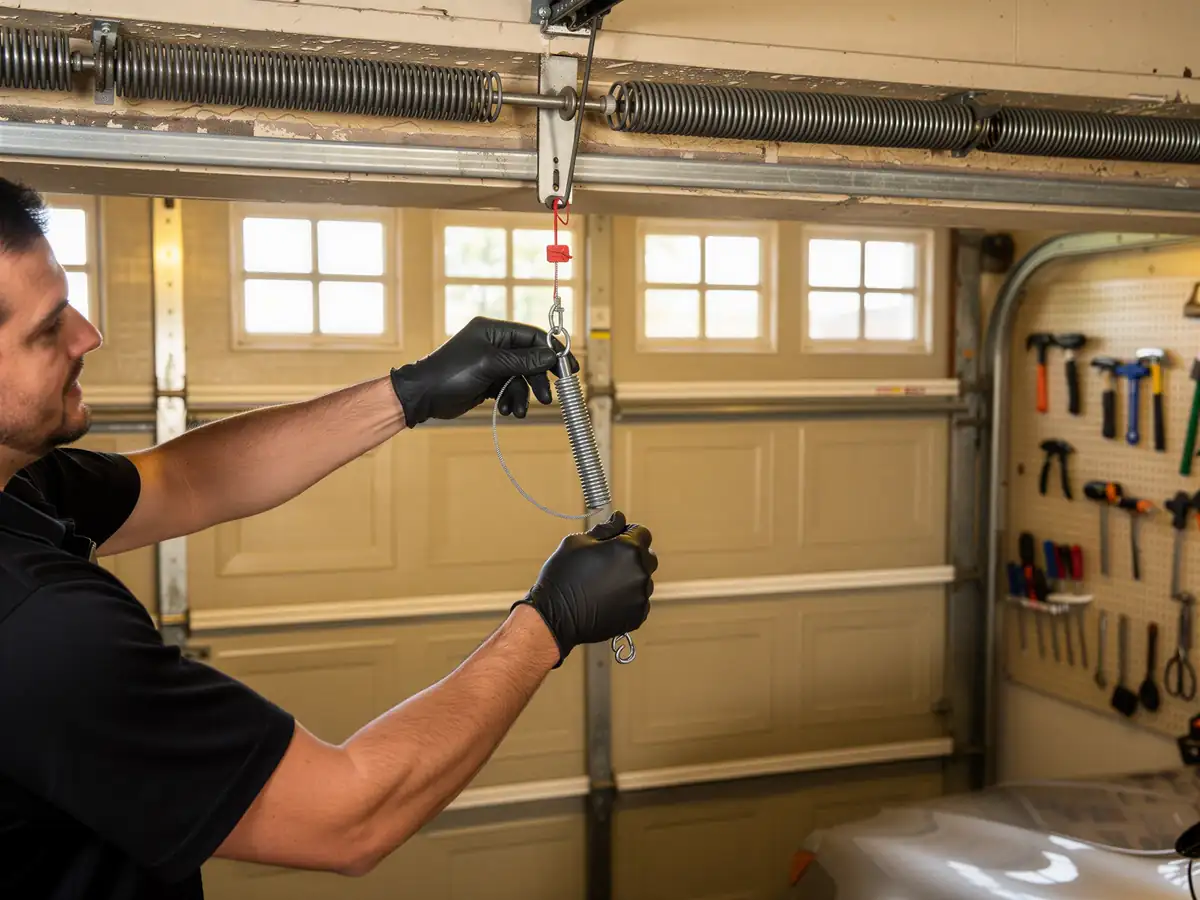
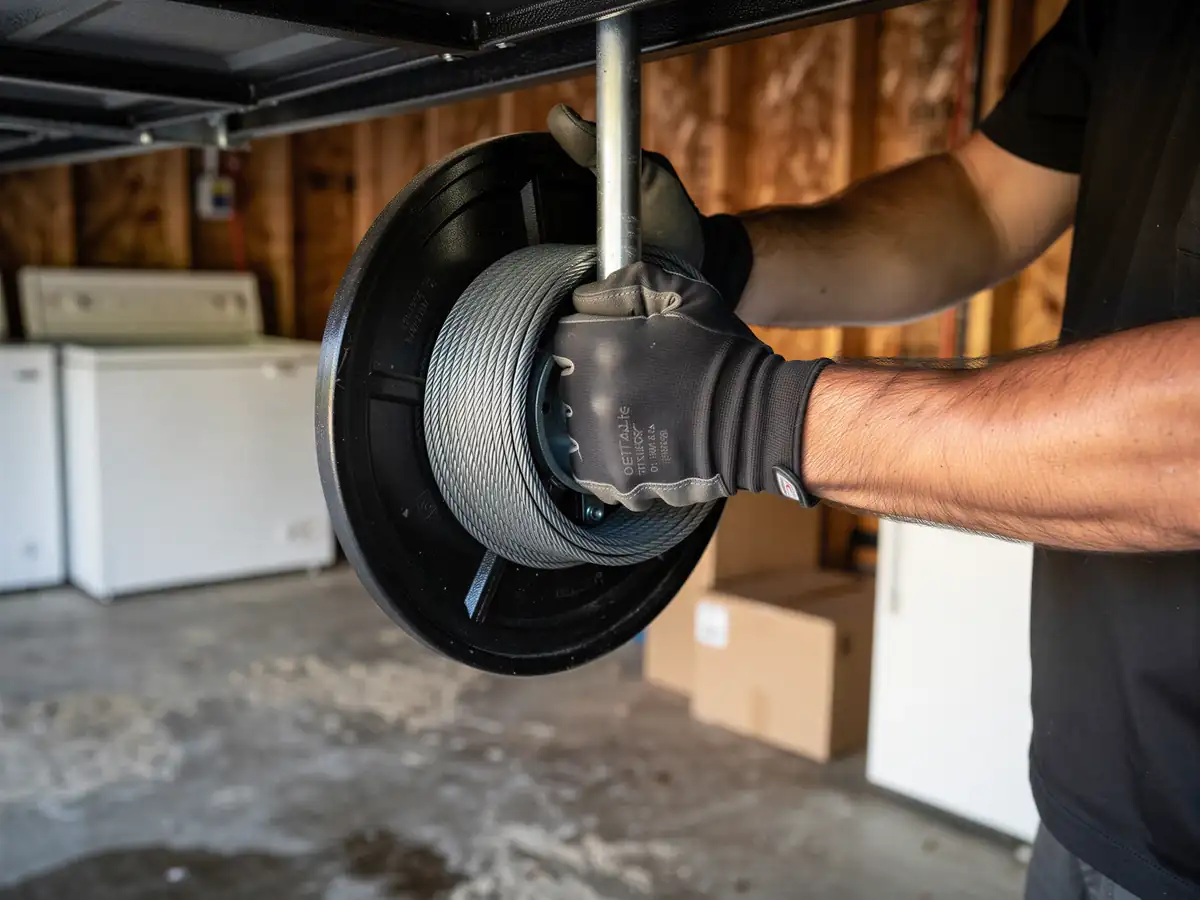
And we'll say that plainly. The panels are heavy, the torsion spring on the header is under enough stored tension to cause serious injury if it lets go while you're working near it, and getting the jamb square on a house built in the 80s or 90s - where the opening has shifted slightly over thirty-plus years - takes more than a level and a tape measure.
What you can reasonably do yourself
Clear the opening, remove the old weatherstripping, and have the opening's rough measurements ready before anyone shows up. That saves time on the appointment itself. What we'd steer you away from doing solo is anything involving the spring, the track alignment, or final squaring of a door against a frame that's settled with the house. In a climate this cold, a door that's even slightly out of true will show it in the seals within one winter.