What Was Built Here
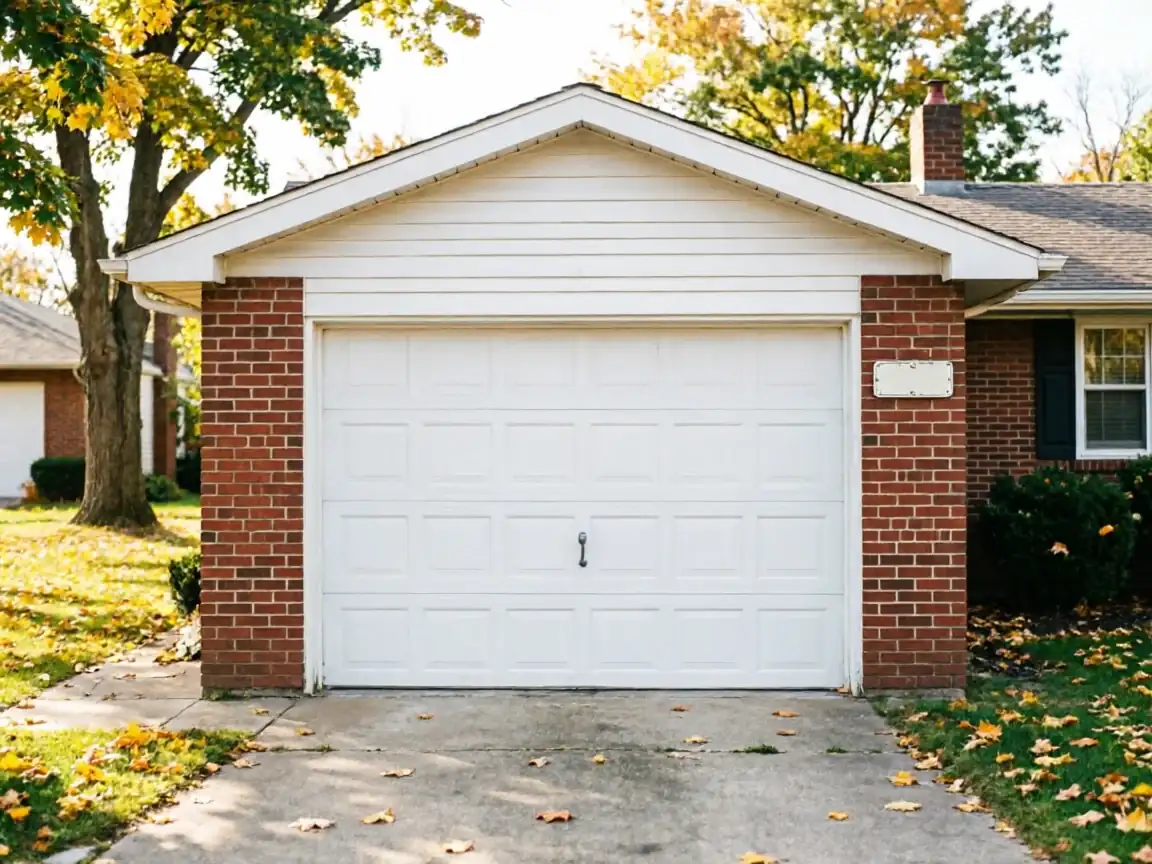
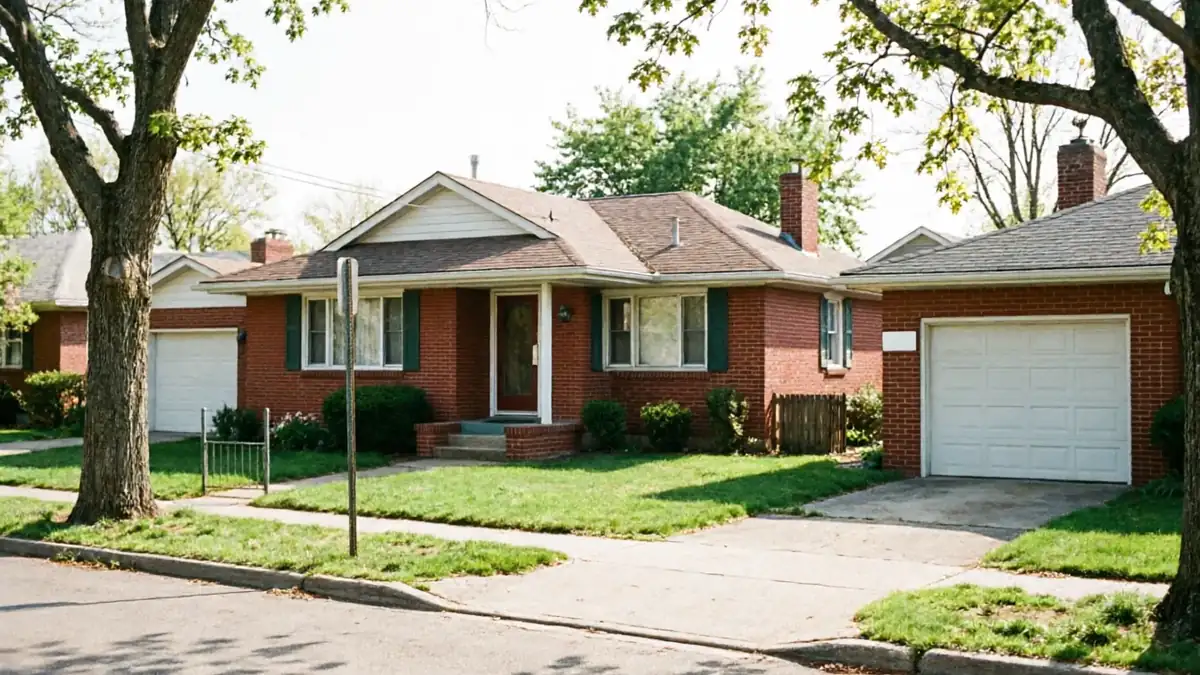
Kindred's median home was built around 1969
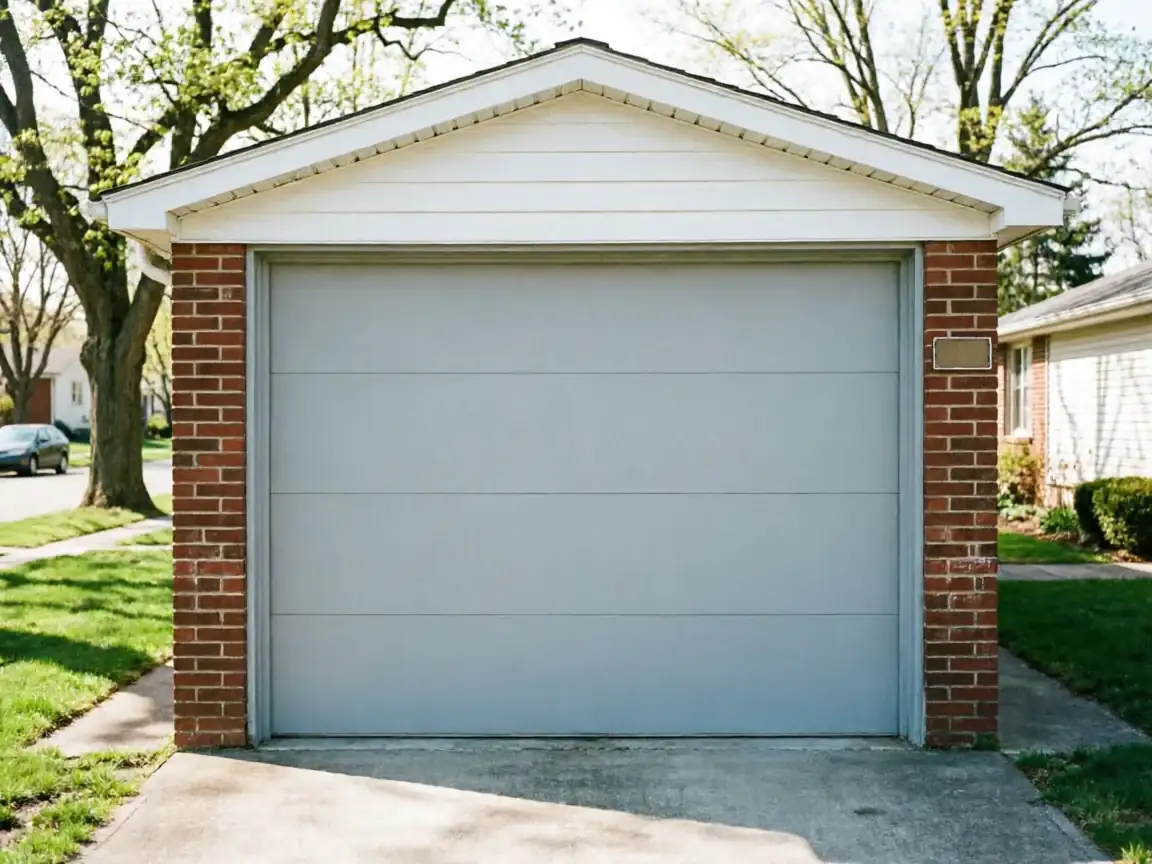
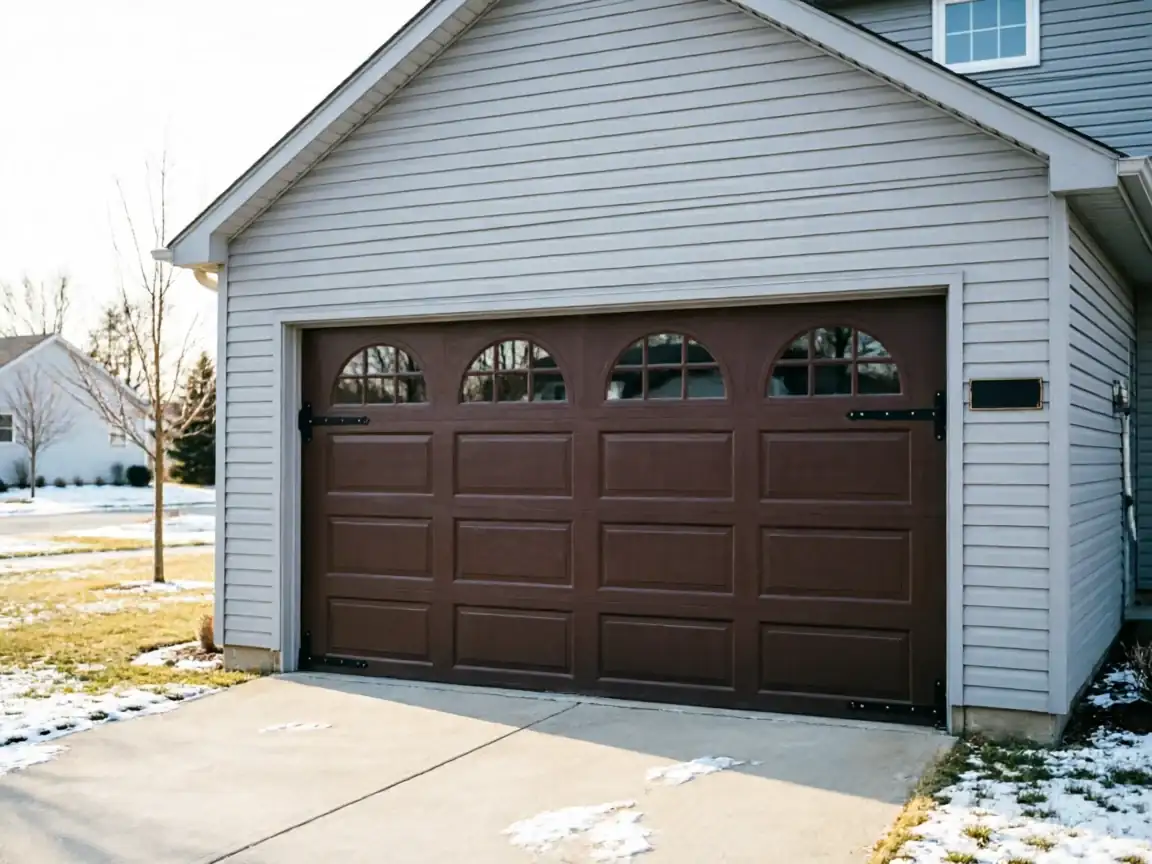
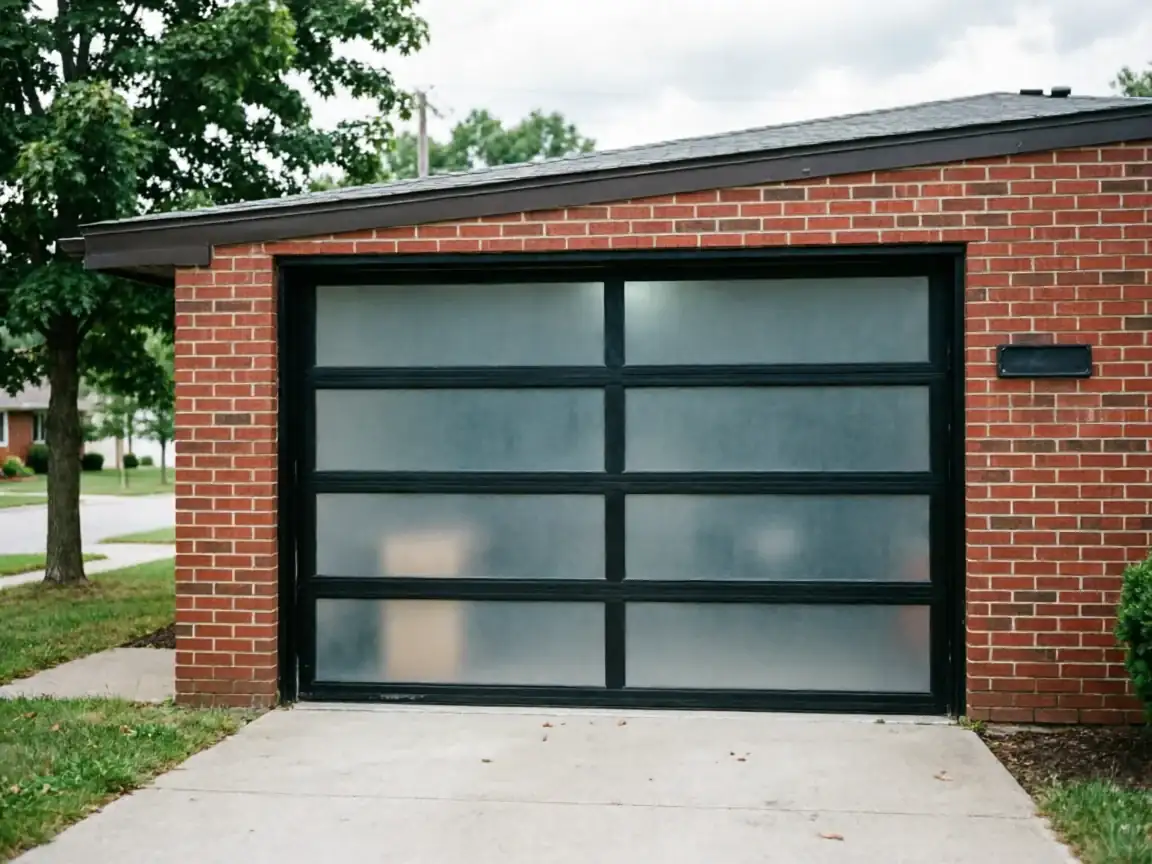
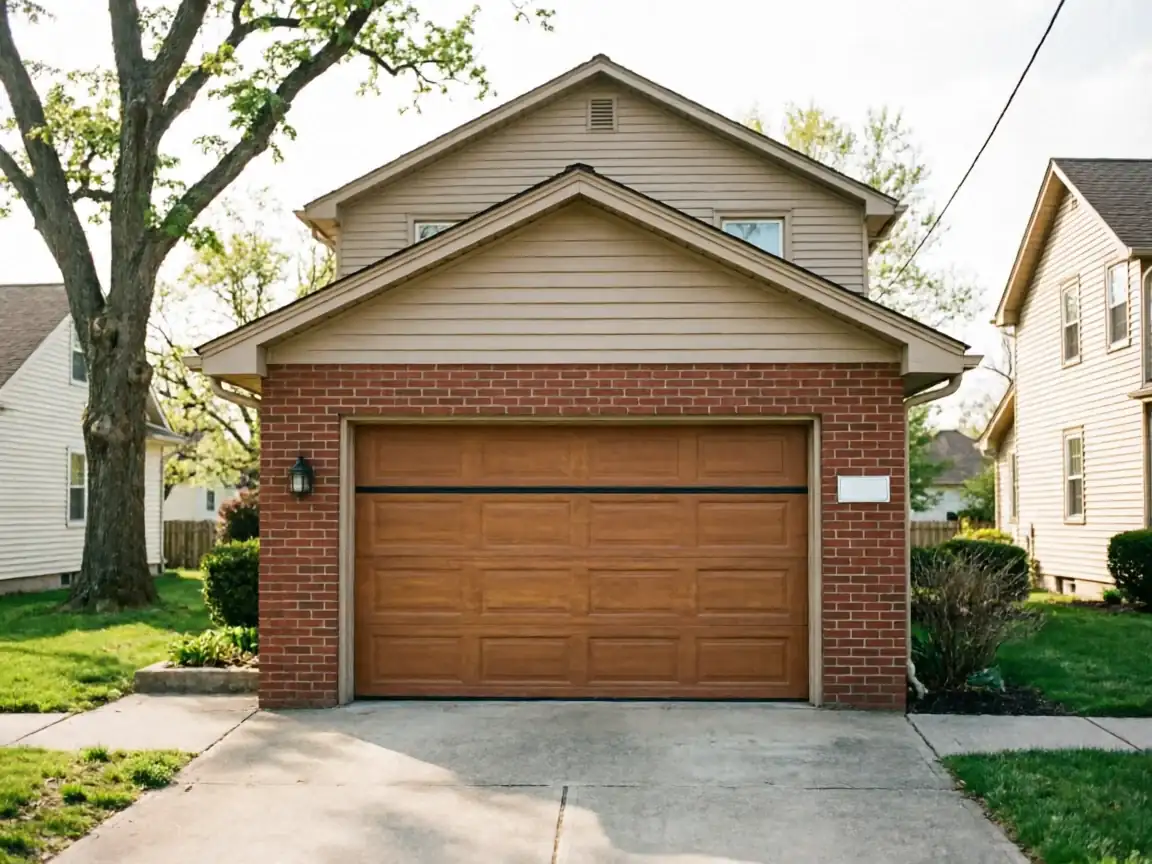
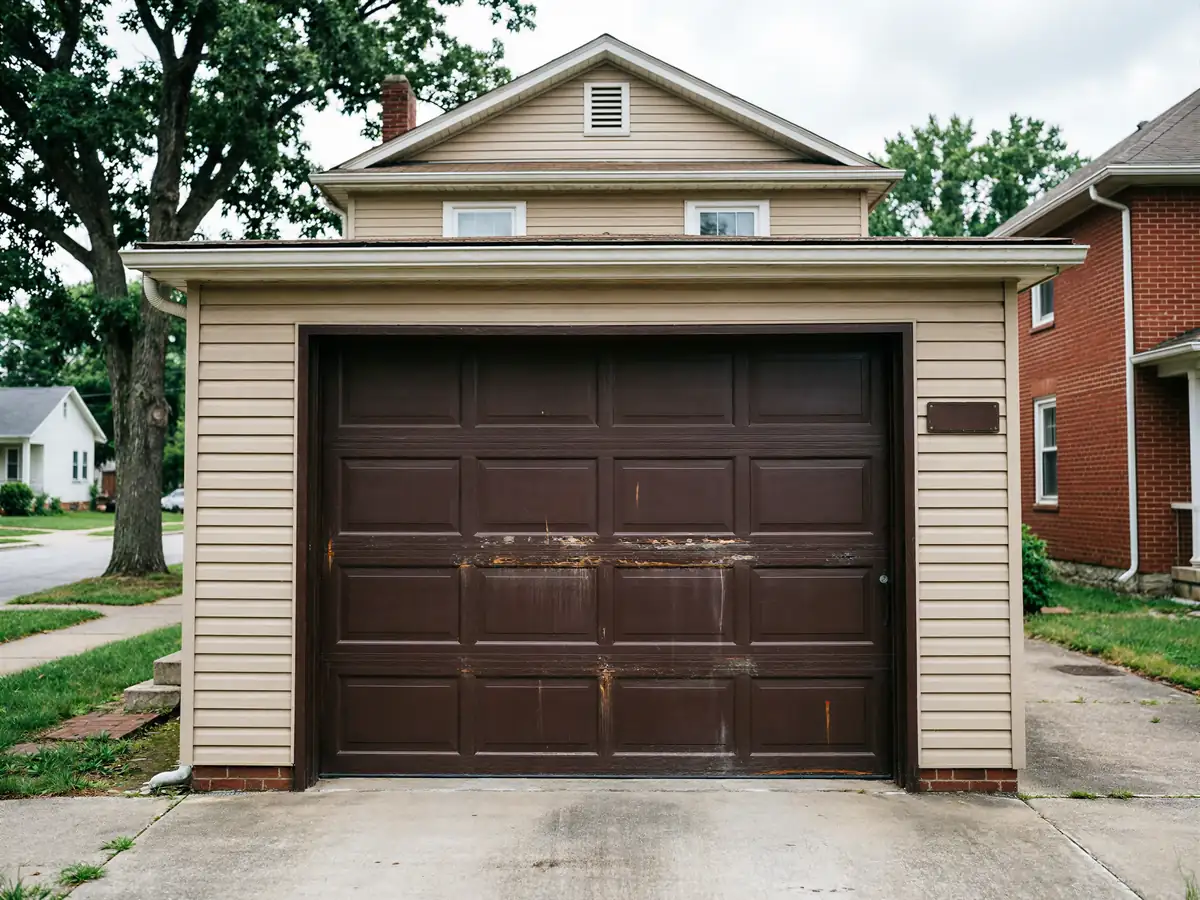
Which puts a lot of this town's housing a good two to three decades ahead of the newer subdivisions closer to Fargo. That's an older base than much of the service area, where stock commonly runs 1980s-90s or newer construction from the 1969-2006 boom years. With about 309 households in Kindred, this is a small, settled town, not a growing subdivision grid - most of the garage doors here were installed once, a long time ago, and maybe touched once since.
- 309 households
That matters because a door from 1969 isn't built like a door from 1999
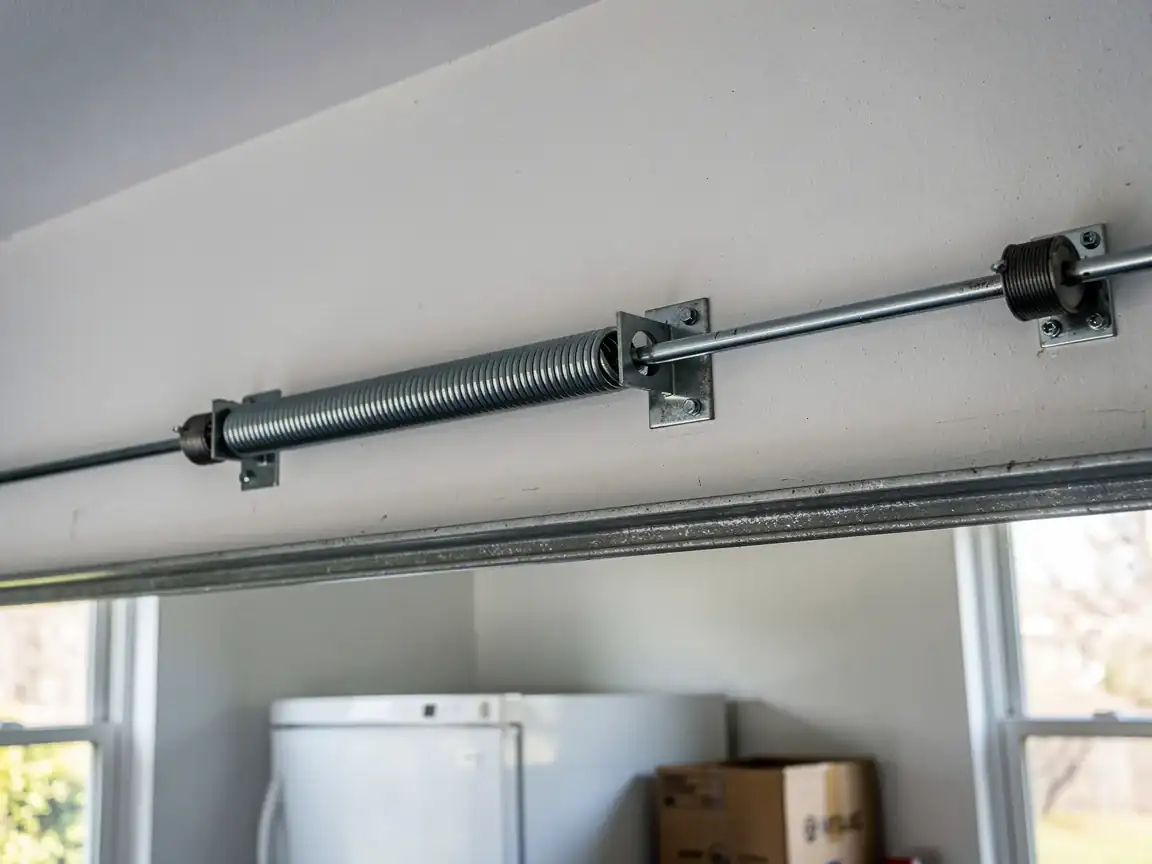
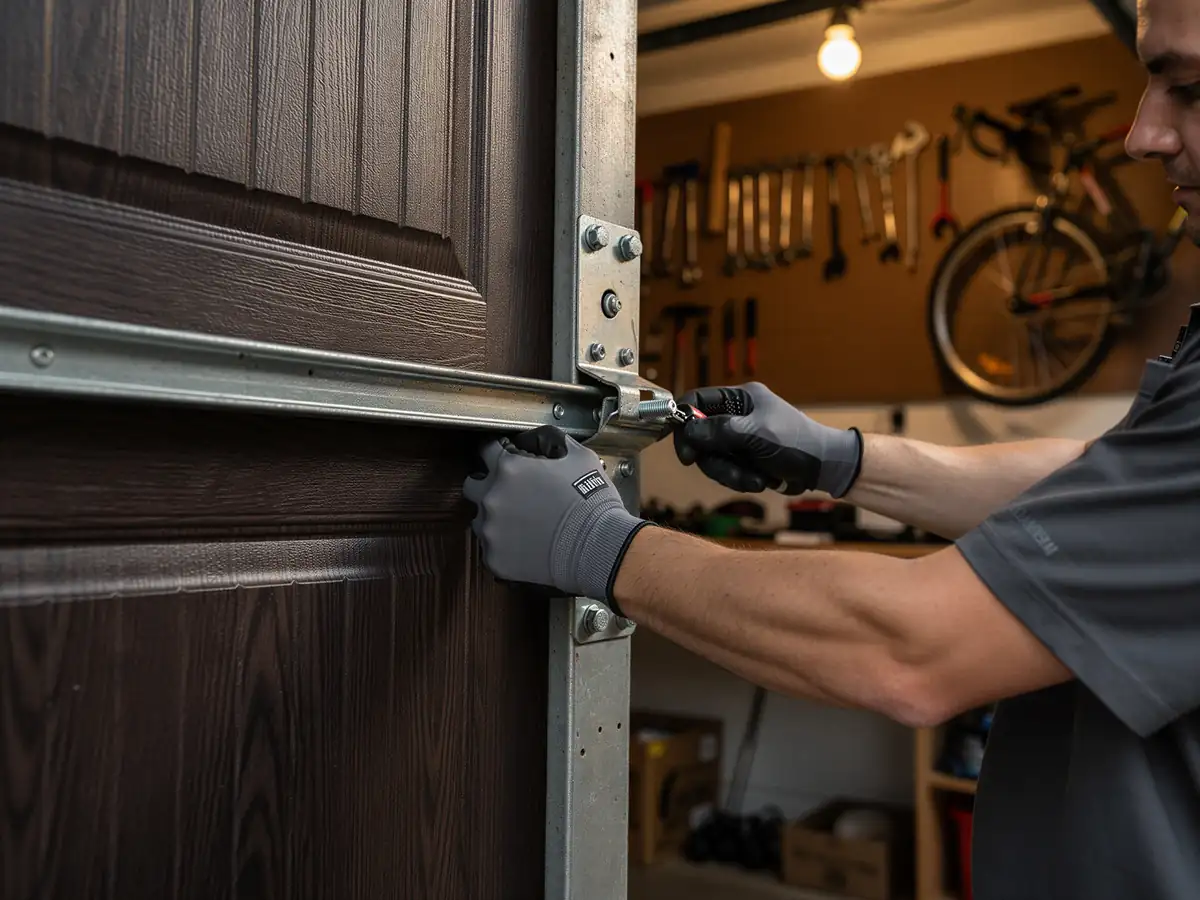
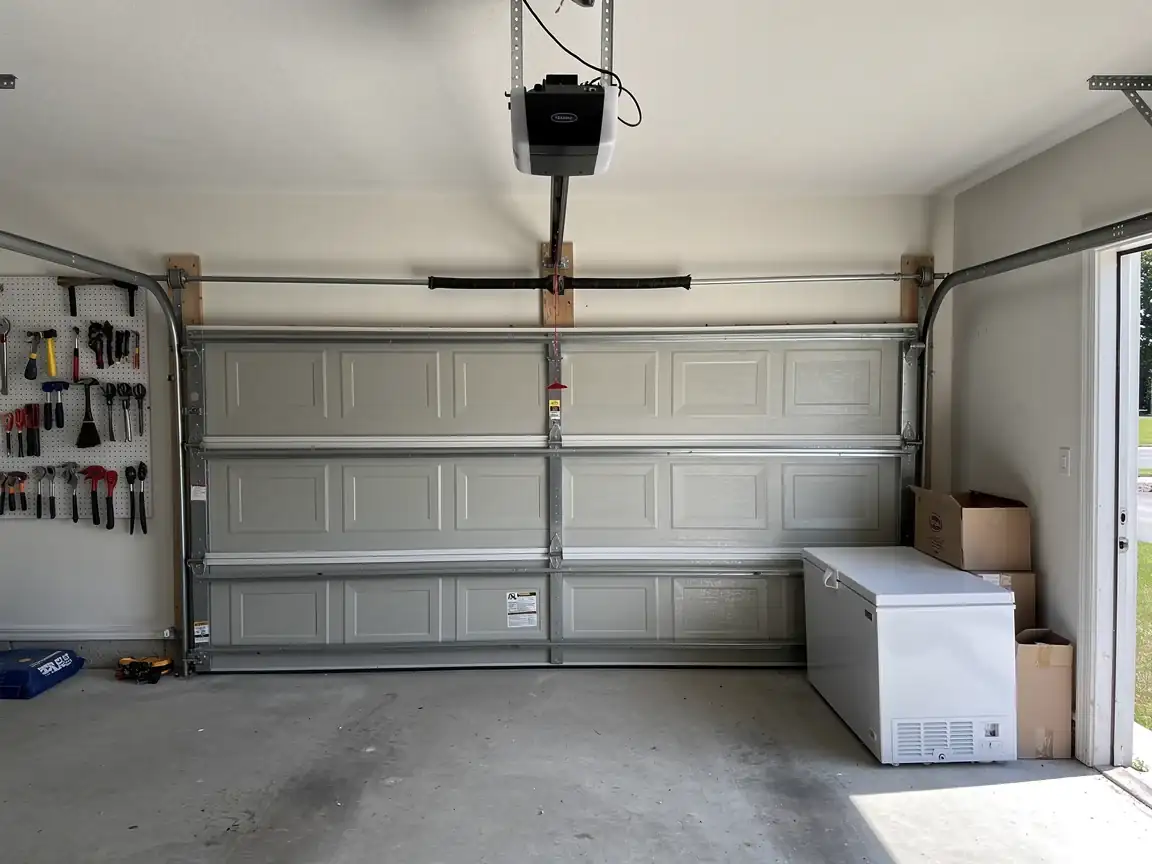
Earlier installs often used lighter steel sections, older-style extension springs instead of torsion setups, and openers that have been swapped out at least once by now since nothing electromechanical lasts 50 years untouched. When we get a call out here, we're not guessing - we expect to find hardware that predates a lot of what we see on newer builds closer in.
- 50 years
What the Housing Means for Your Door
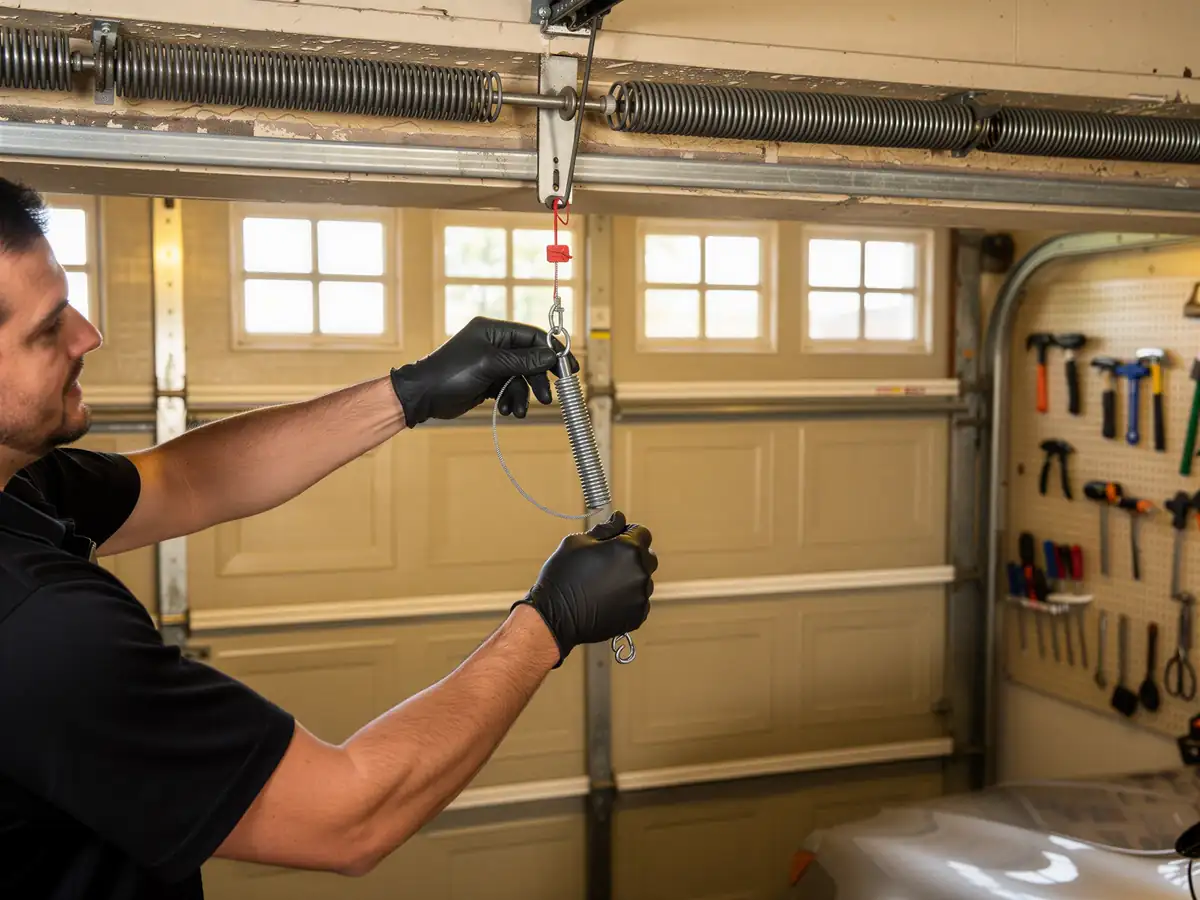
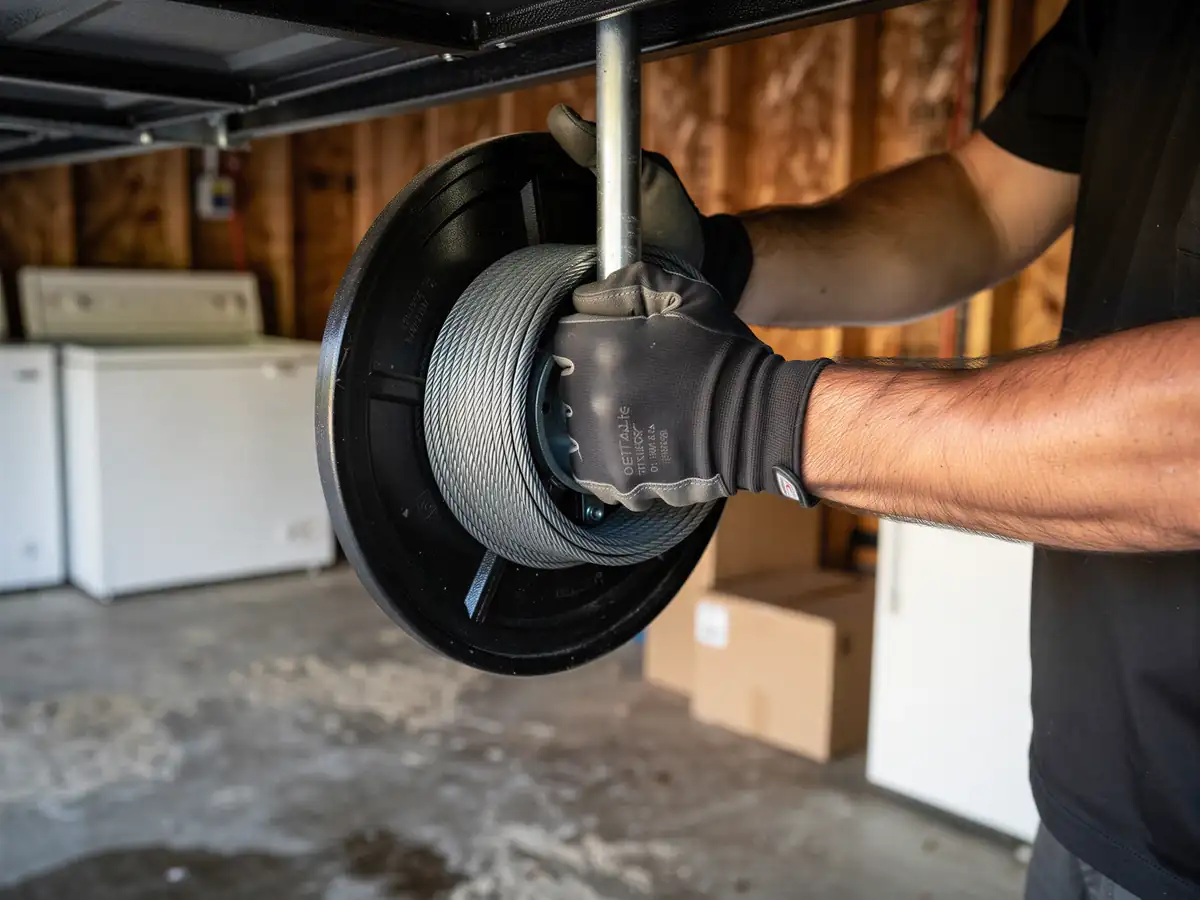
A door this age usually means a few specific problems rather than the general garage-door complaints you hear everywhere. Extension springs on older tracks wear differently than torsion springs - they stretch, the safety cables (if they're even present) corrode, and the pulleys seize. Panels from this era tend to be heavier gauge steel with less insulation, which matters a lot once winter sets in.
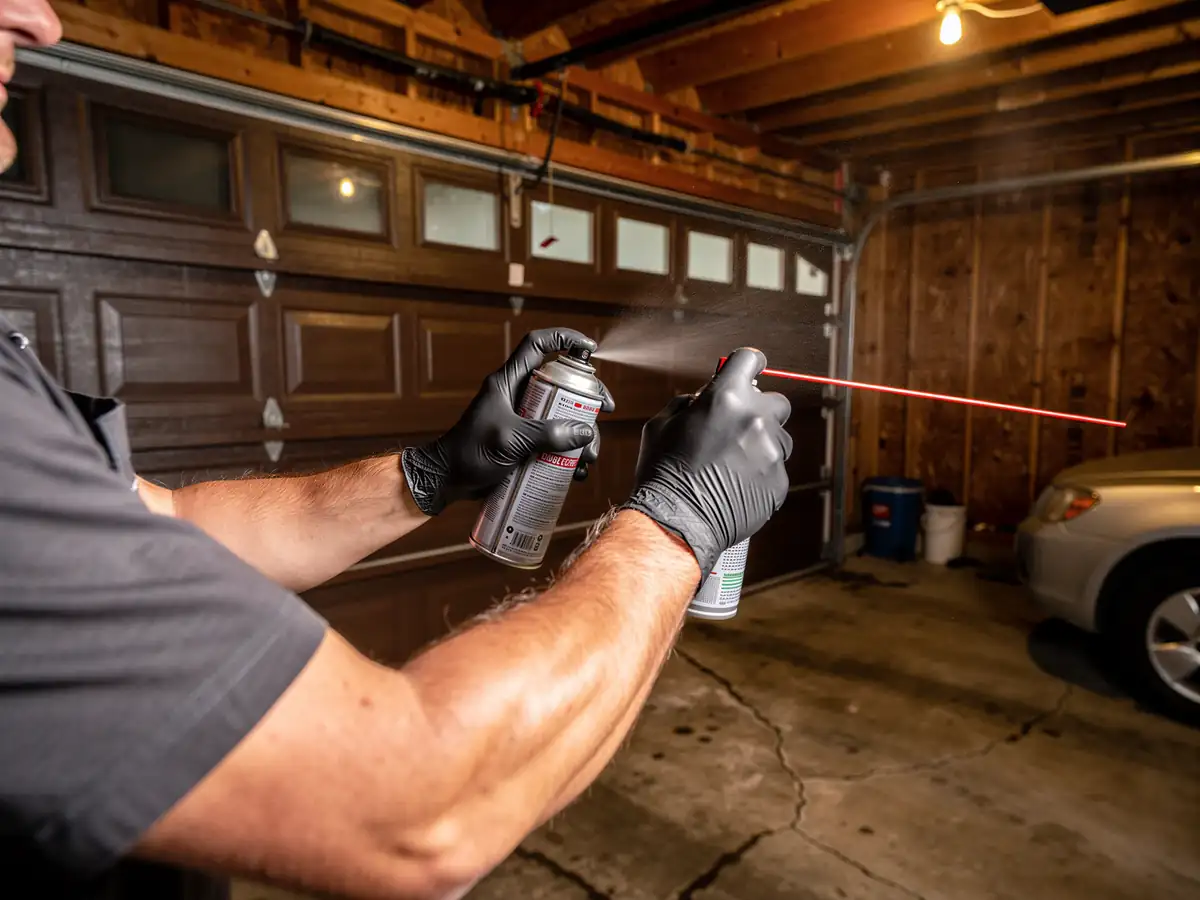
The cold is the other half of the equation. This area sits in a severe cold climate band, and an older door with worn weatherstripping or a tired spring doesn't handle a hard freeze the way a newer, better-sealed unit does. Metal contracts, grease stiffens, and a spring that was already fatigued is the one that snaps on the coldest morning of the year. We see that pattern more in towns with older housing stock than in the newer-build areas.
One honest note: if the opener is original to a 1969-era install, parts for it are long gone. At that point we're not chasing down obsolete components - we're talking replacement, not repair.
When We Can Get There
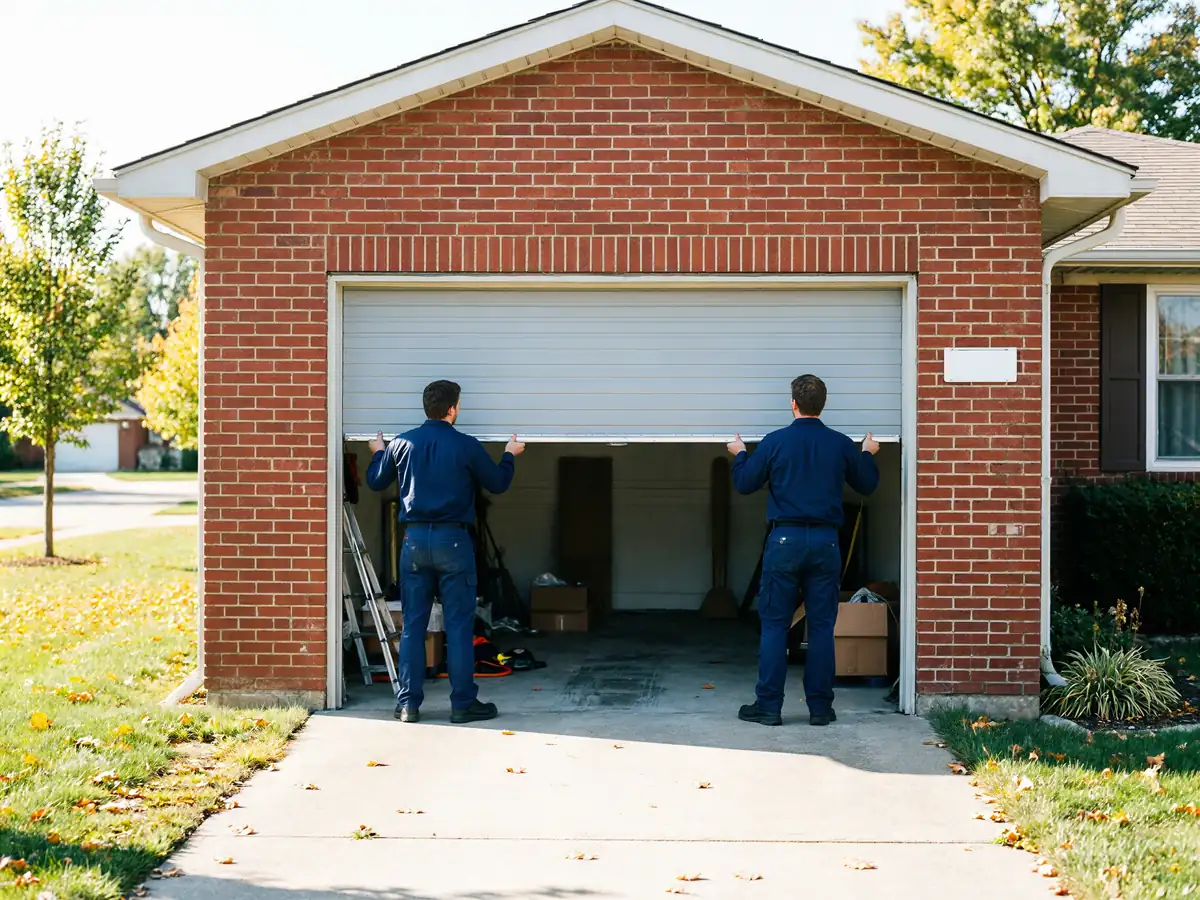
We run out of Fargo, and Kindred is about 17 miles from our base - farther out than towns like West Fargo or Horace, closer in than Casselton or Argusville. We don't keep a depot or crew stationed in Kindred itself, so every call here is a dispatched trip from Fargo, same as the rest of our outlying coverage.
We're not going to promise a response time we can't back up for a town this distance out. What we can tell you is that Kindred is a town we cover, not an afterthought tacked onto a Fargo job - we route trucks out here regularly enough to know the kind of hardware we'll be looking at before we arrive.
The Split Between Old and New
Across the wider service area, the housing split runs toward homes built between 1969 and 2006
With a lot of that concentrated in the 1980s and 90s across the seven named areas we cover. Kindred sits at the older edge of that range - its median build year of 1969 is close to the earliest point in that whole span, not the middle or the newer end you'd find in some of the subdivisions nearer Fargo.
With roughly 309 households total, Kindred isn't a town where we're fielding a high volume of new-construction opener installs
It's a town where the common call is an aging extension-spring system, a worn-out chain-drive opener, or a panel that's taken 50-plus winters of freeze-thaw. Median household income here runs around $103,542, somewhat below the broader service-area median - which is part of why we try to be straight about when a repair makes sense versus when the door's age means replacement is the better money.
- 309 households