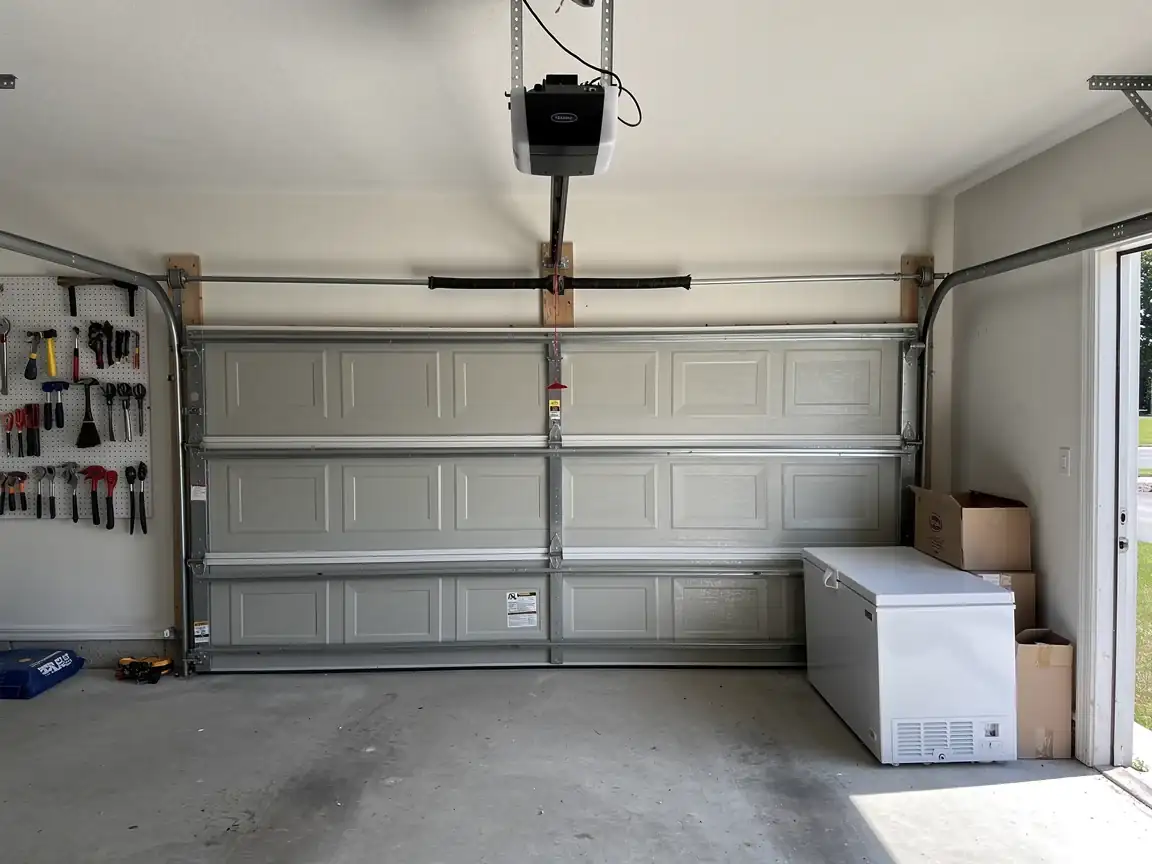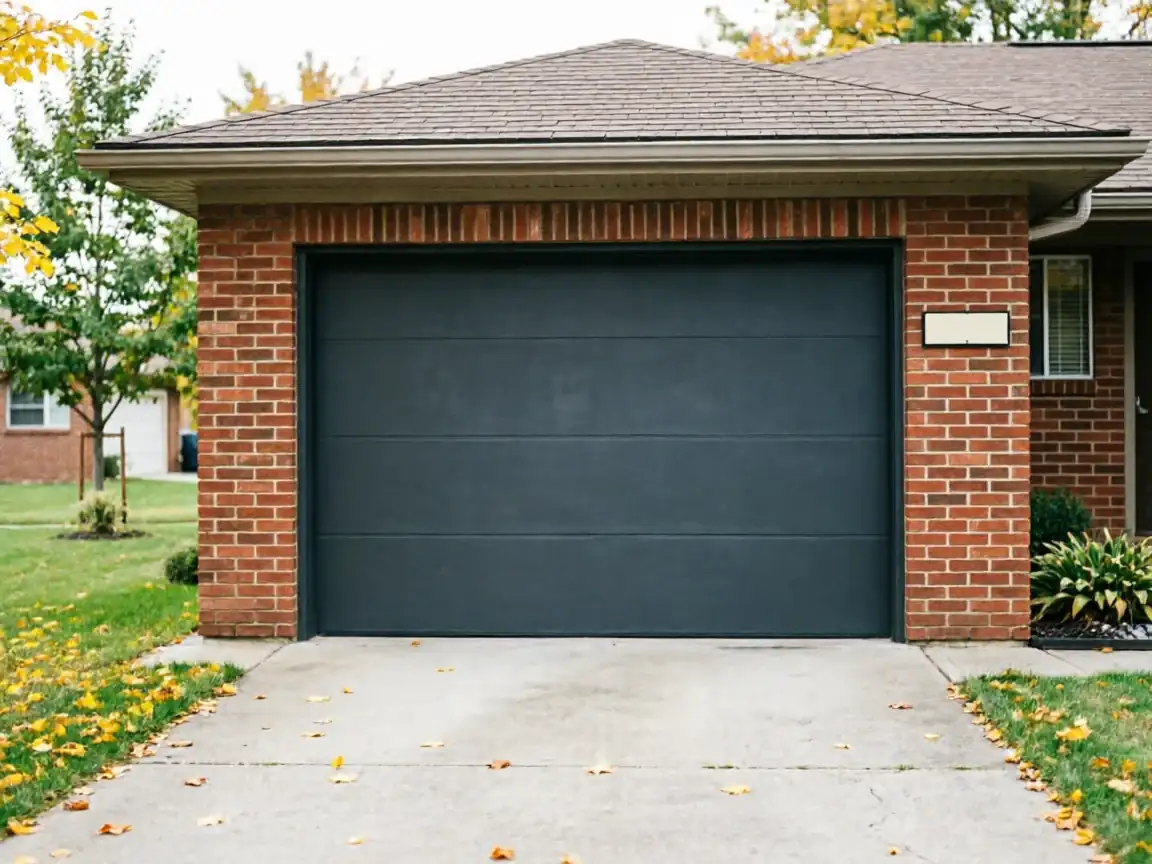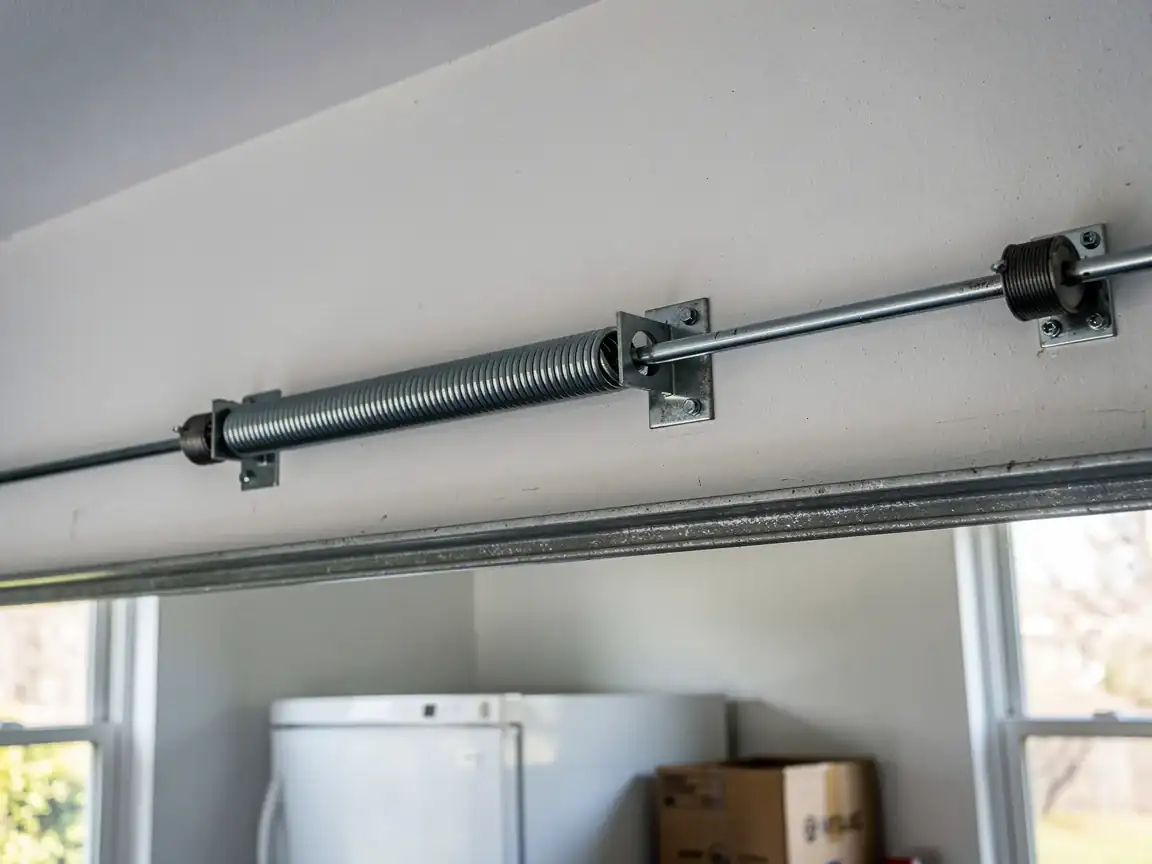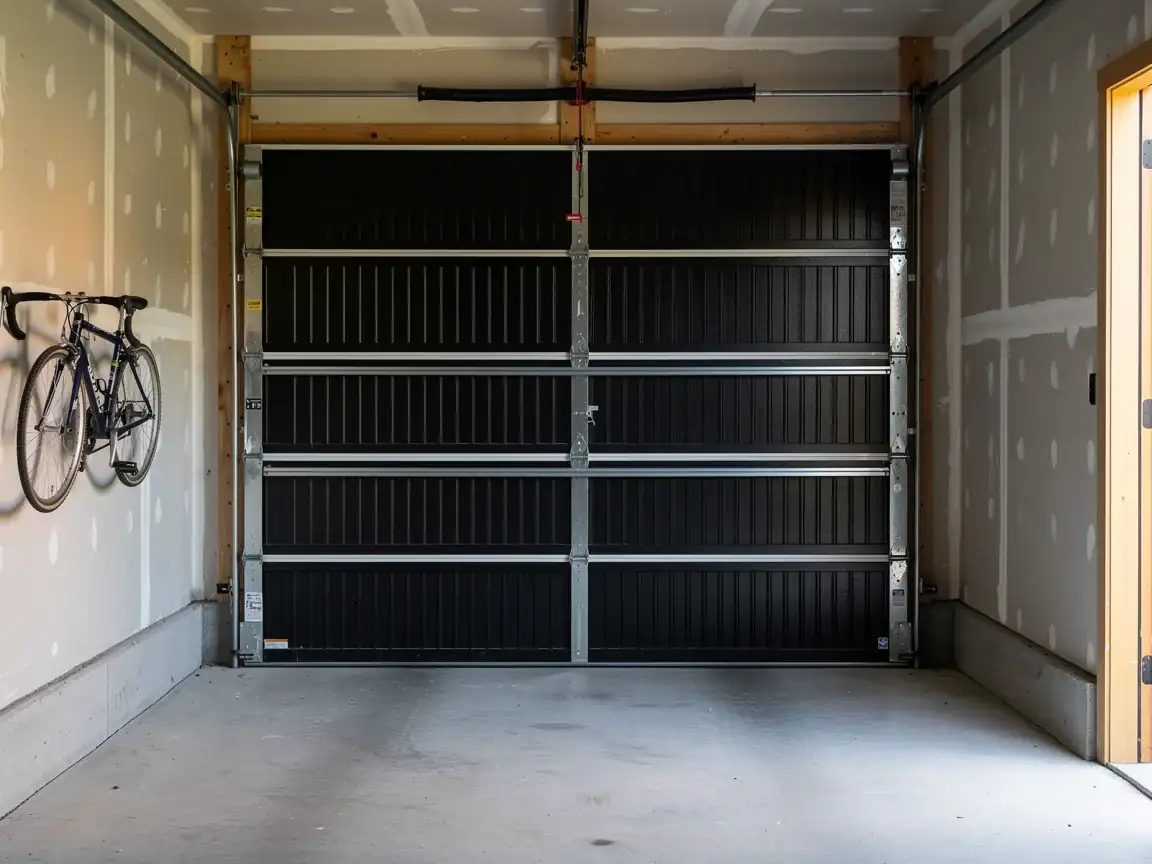
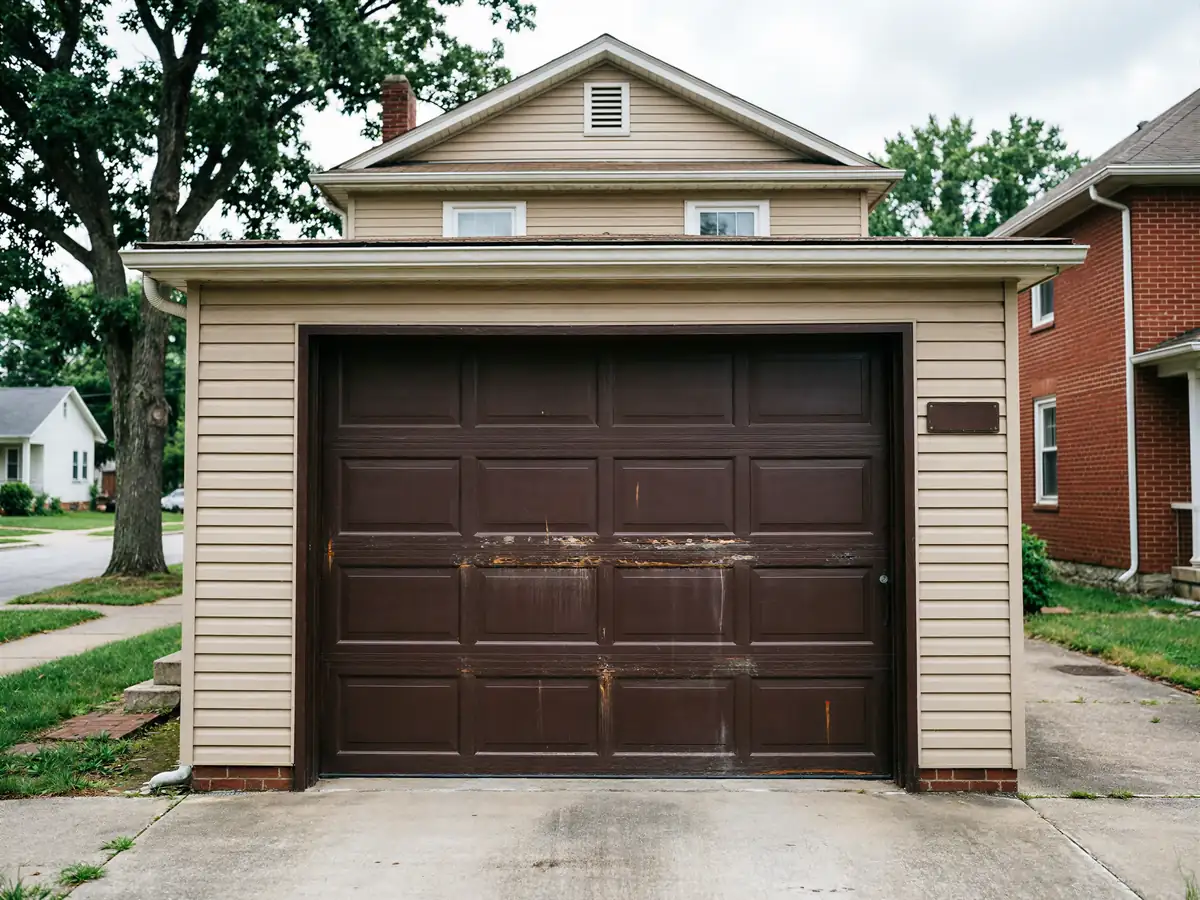
The Symptom
The call we get from Kindred is almost always the same
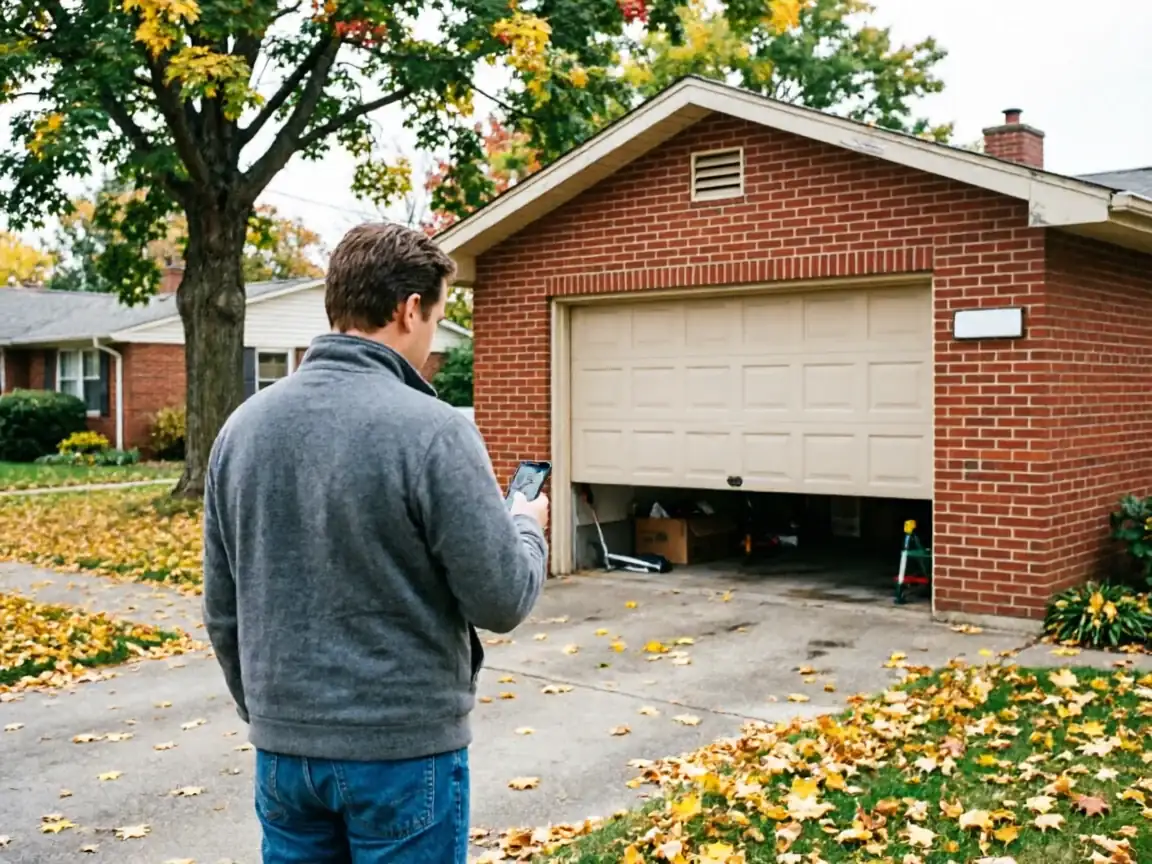
One panel on a sectional door has a crease, a crack, or a spot where the steel has given out at a hinge bolt, and the door still runs but it binds or rattles going up. Sometimes it's hail dents nobody noticed until winter, when the dent becomes a crack line in the cold.
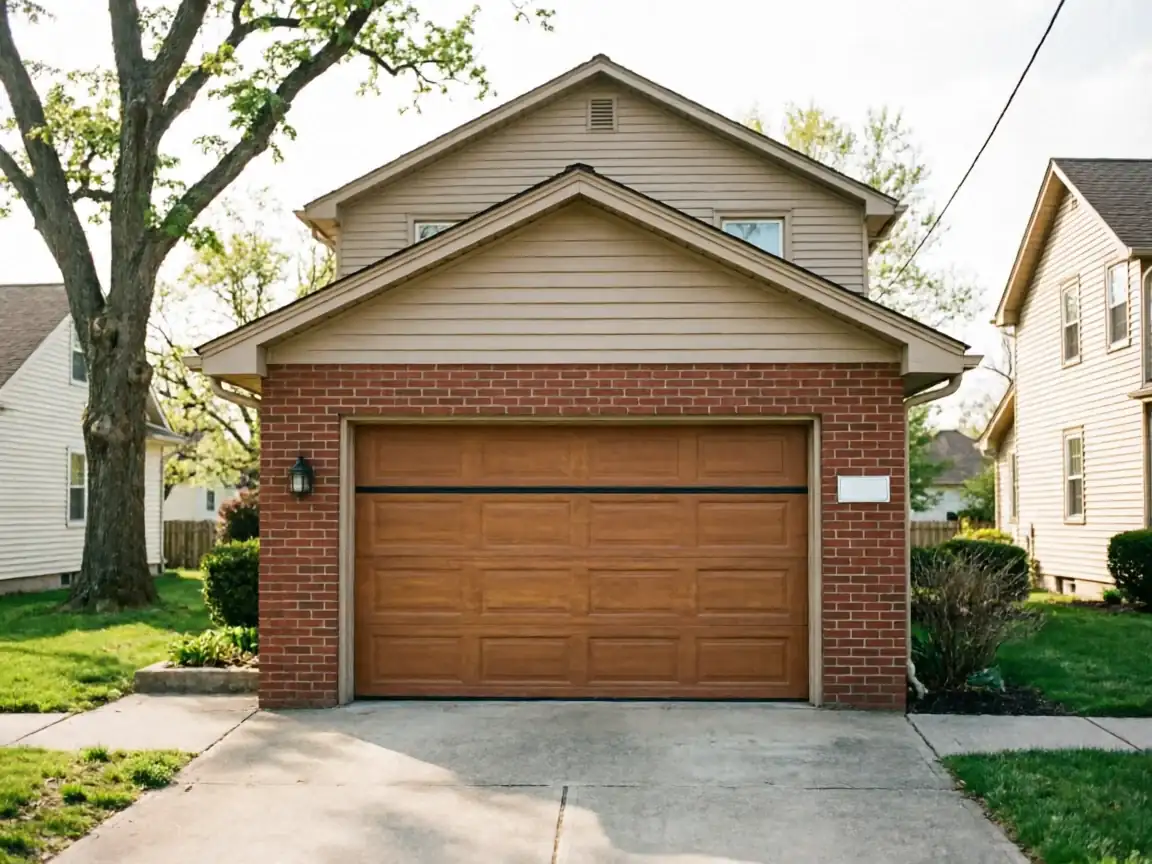
Kindred's housing stock centers around 1969
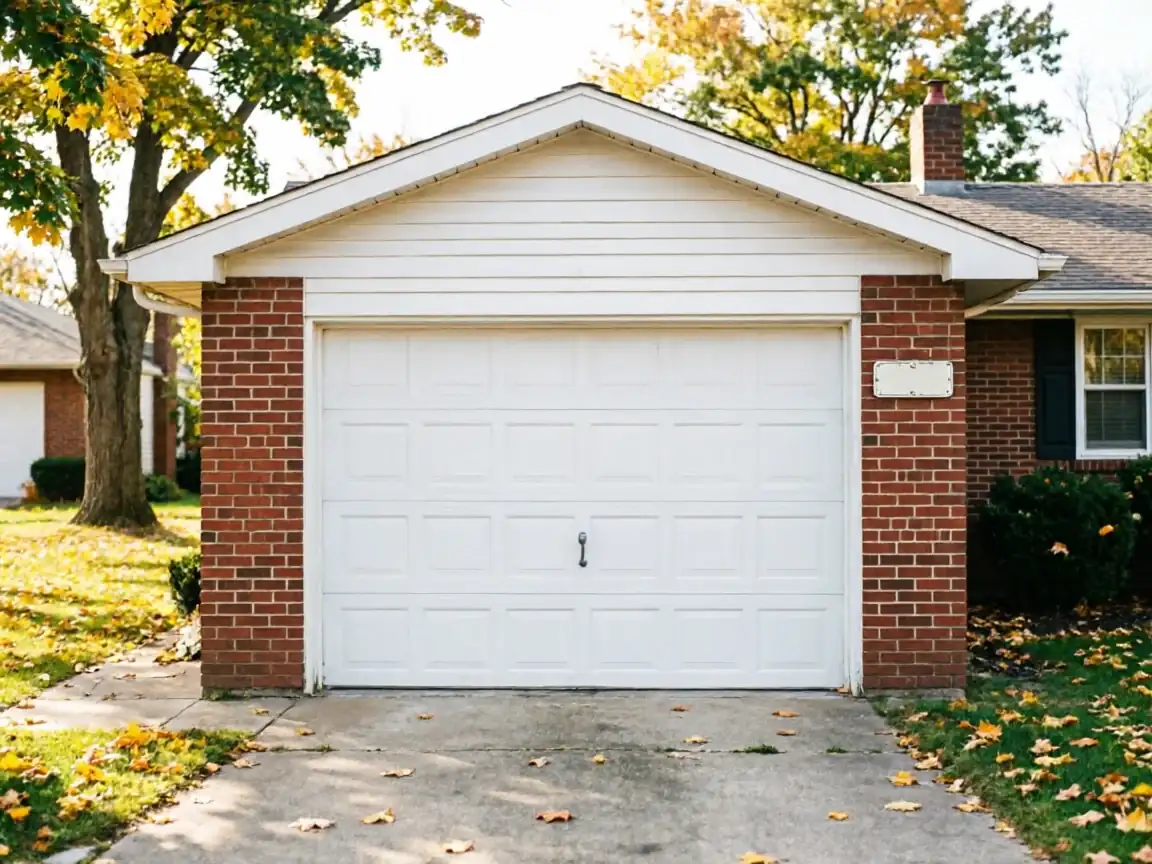
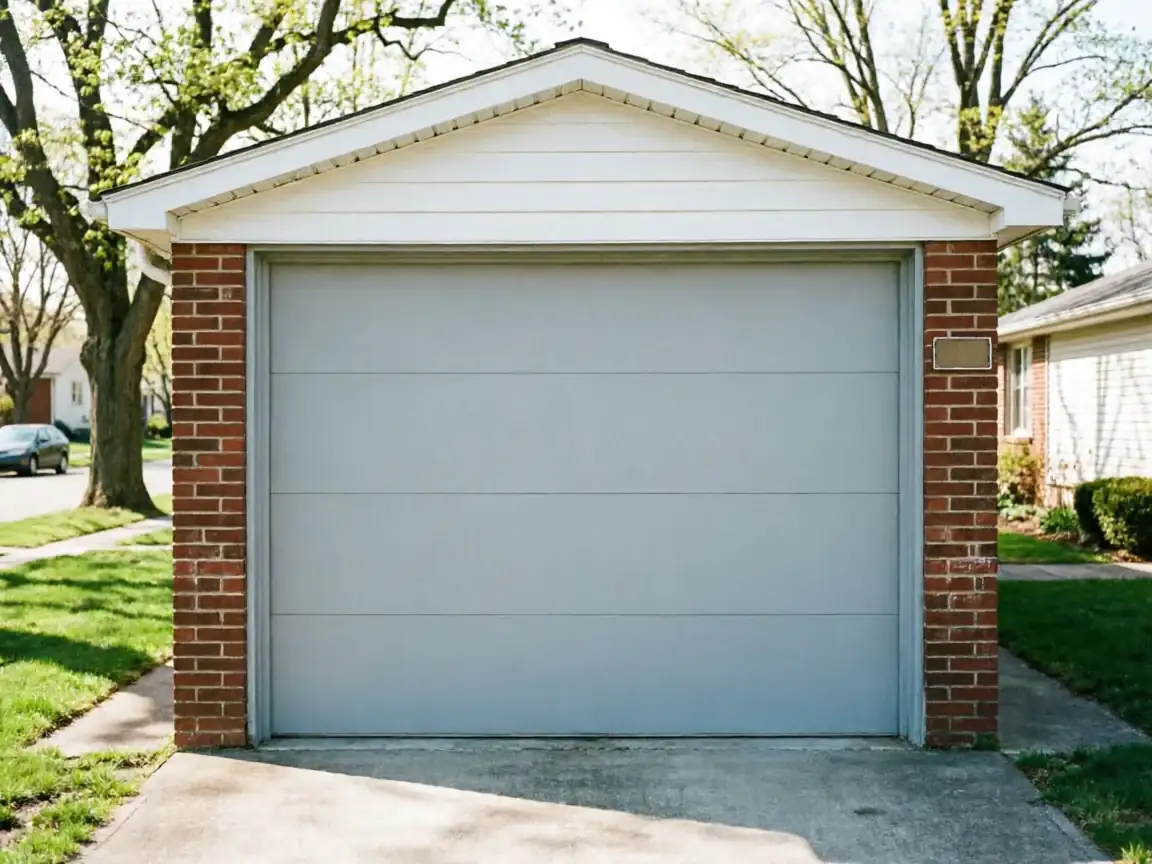
Which puts a lot of these garage doors at or past the end of a normal service life for the original panel sections. Doors from that era were often built with heavier gauge steel and non-standard section heights compared to what gets sold today, which means a single damaged panel doesn't always match current stock sizing. You can't always walk into a replacement panel off a shelf; sometimes the whole section needs custom matching, and sometimes the better call is a new door rather than chasing parts for one that's over fifty years old.
With only 309 households in Kindred, we're not running panel jobs here every week
But the pattern holds: older build year, original hardware, panel failure showing up as a stress crack rather than a clean break.
- 309 households
What the Repair Takes
A damaged panel on a door this age means measuring the section height and width against what's currently manufactured, because section profiles have changed more than once since 1969. If the width and height line up with a current standard, we can order a matching panel and swap it without touching the rest of the door. If they don't, we're either sourcing an older profile section, which takes longer, or replacing the full door.
The cold matters here too. This area sits in a severe cold climate band, and steel panels that have already cracked tend to widen that crack further once temperatures drop and the metal contracts. If you've got a visible crease or crack now, waiting through a cold stretch usually makes it worse, not better.
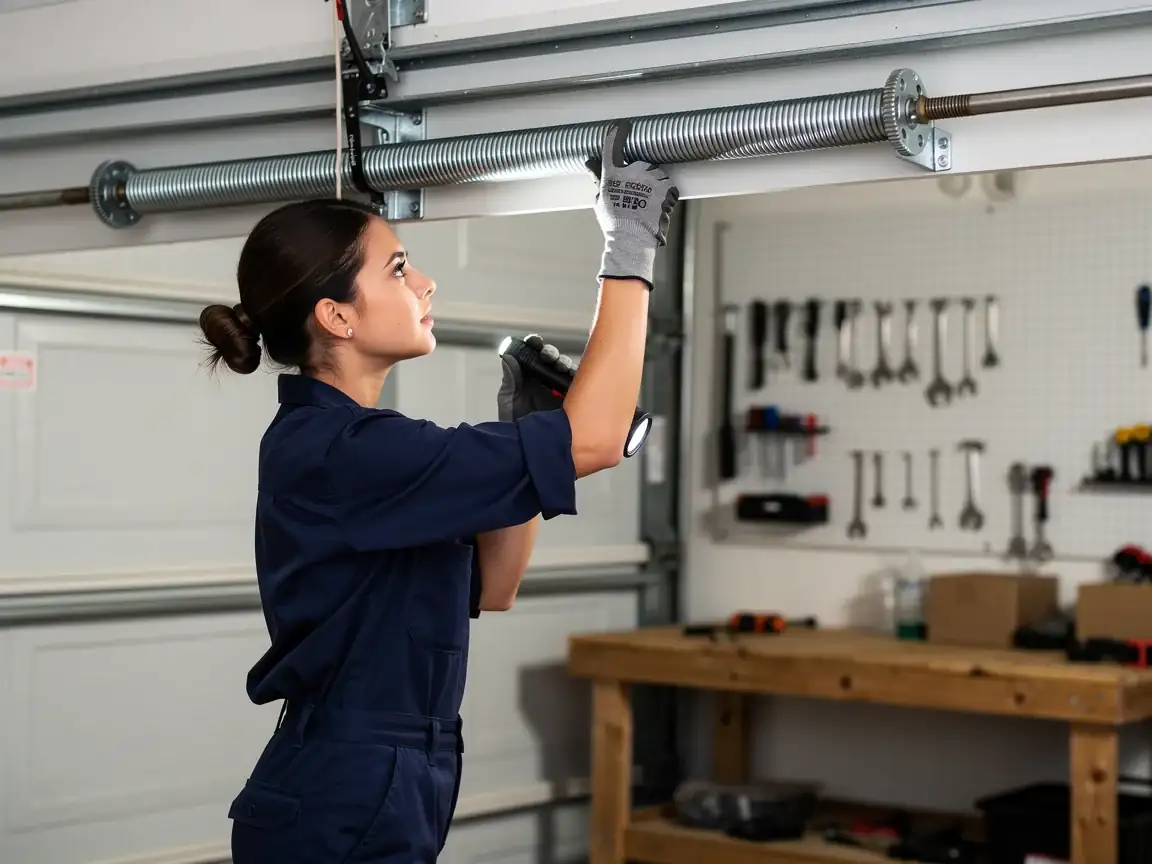
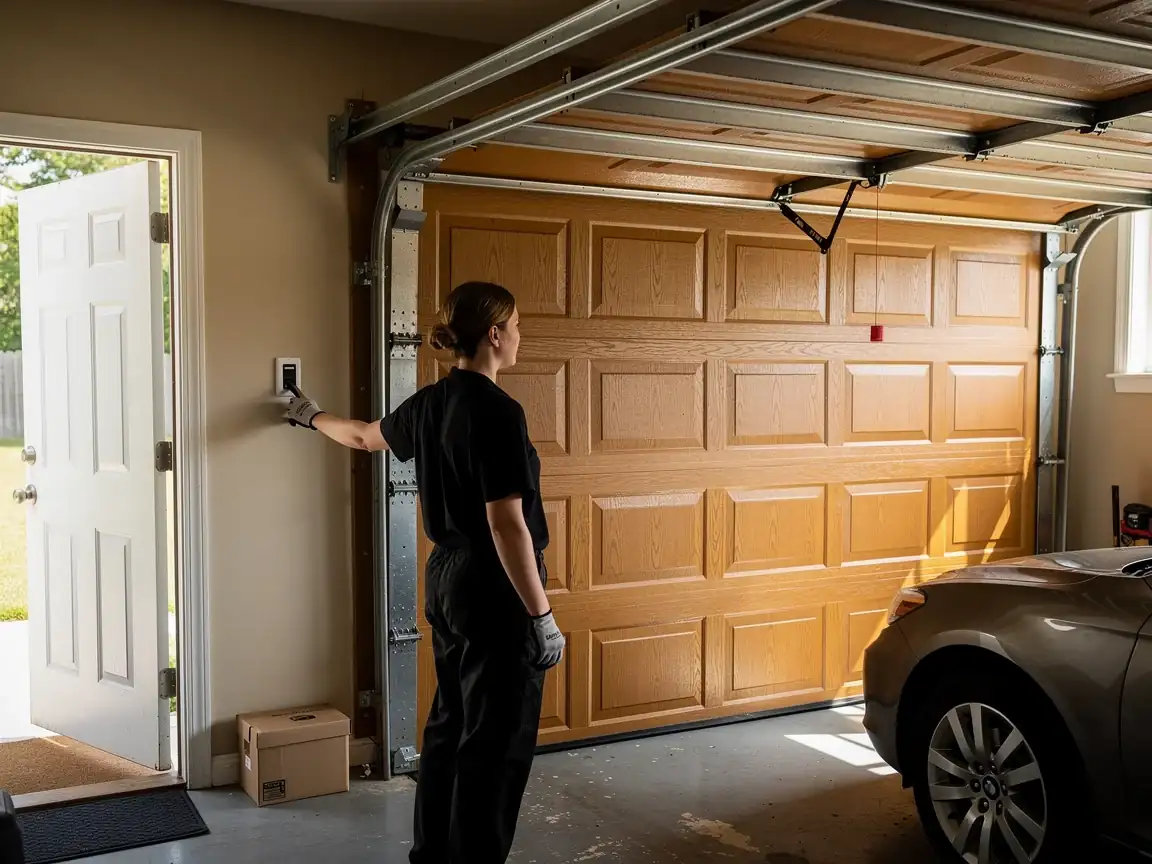
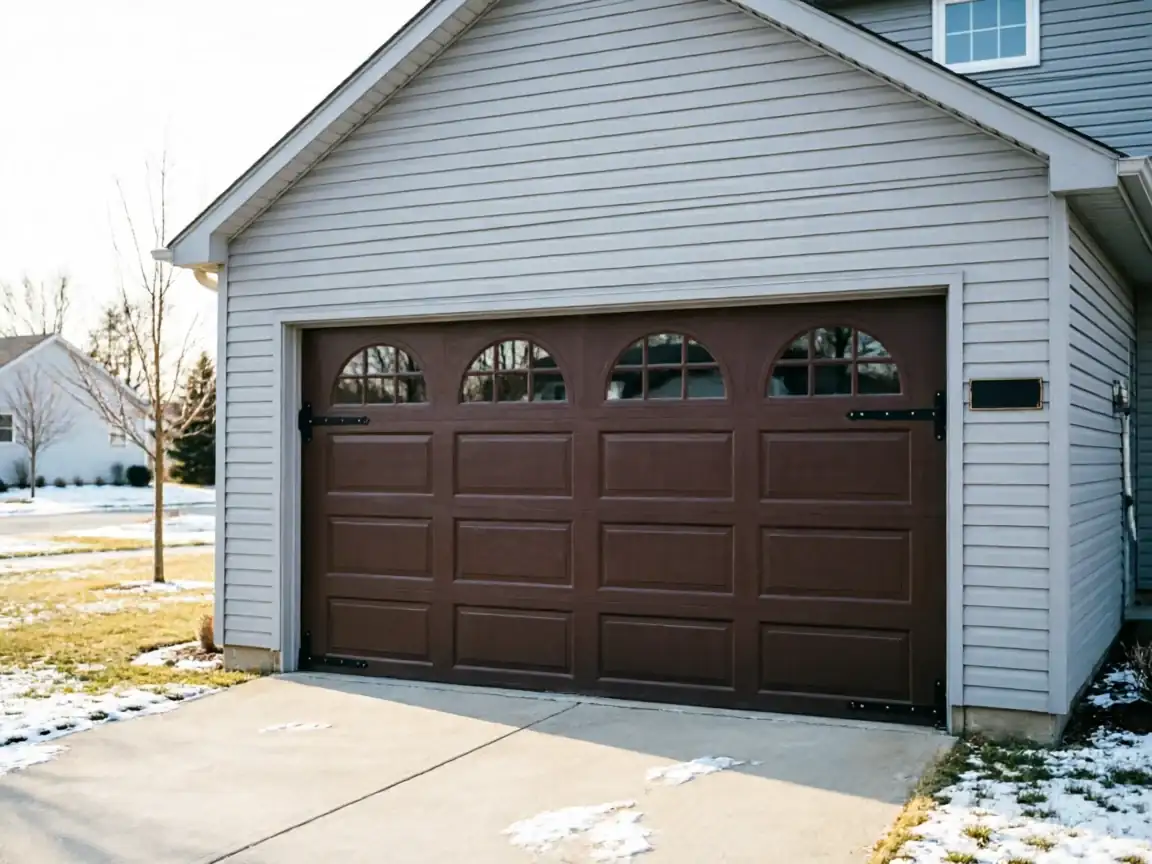
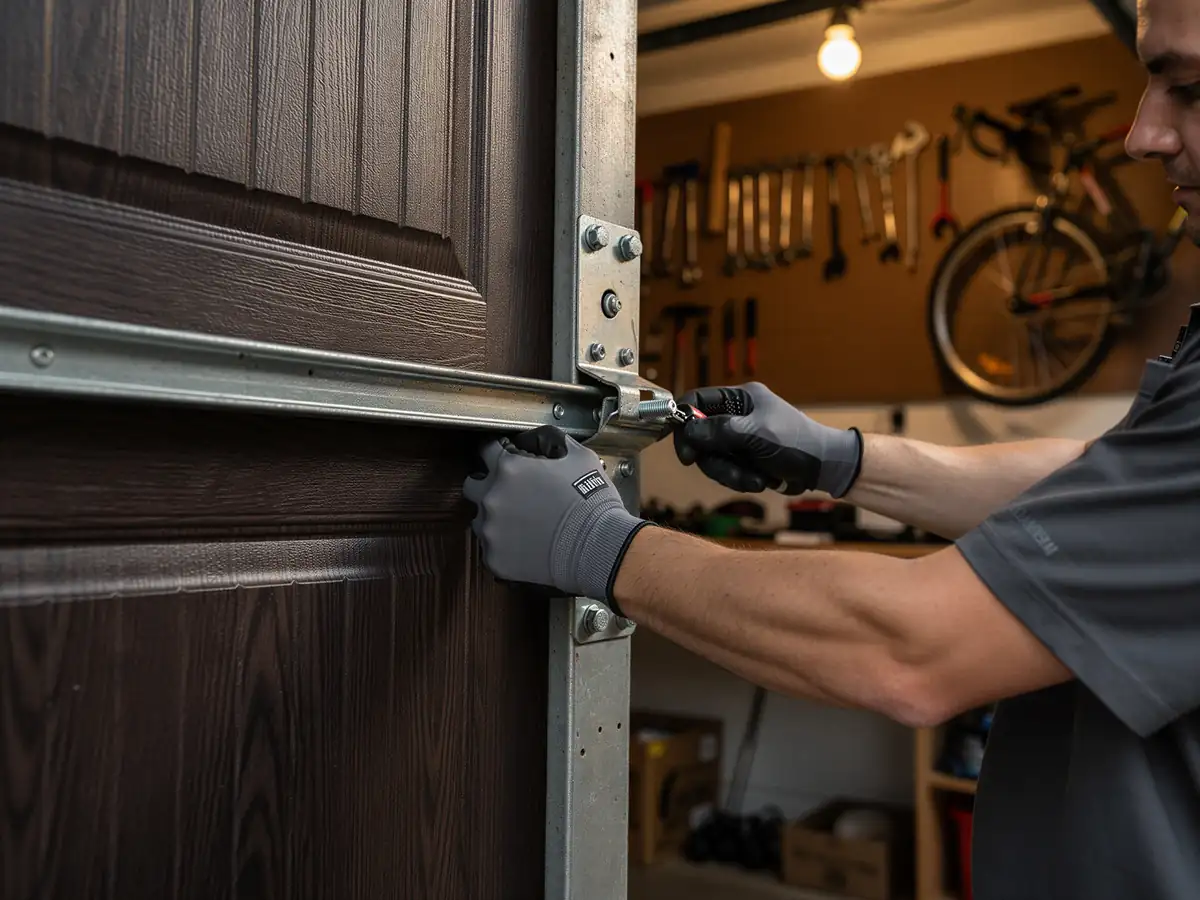
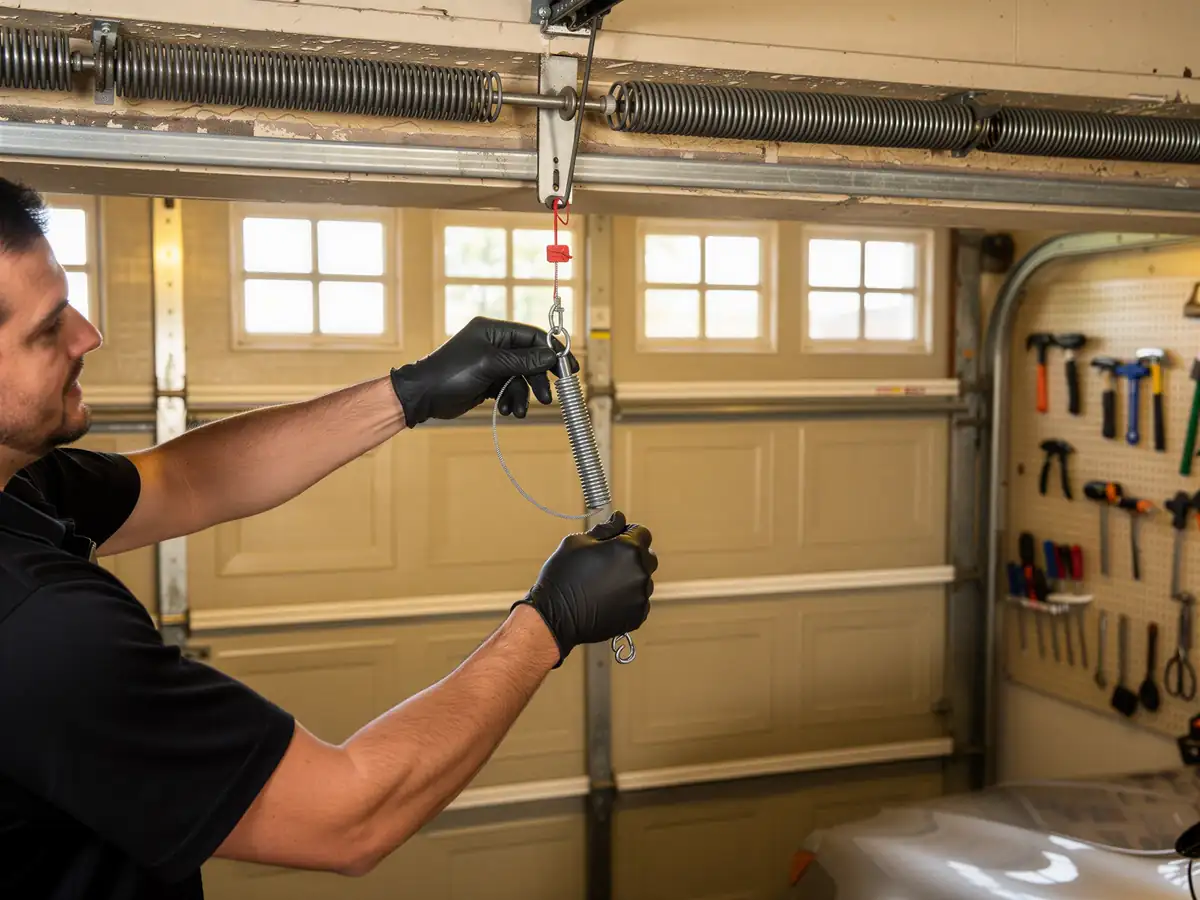
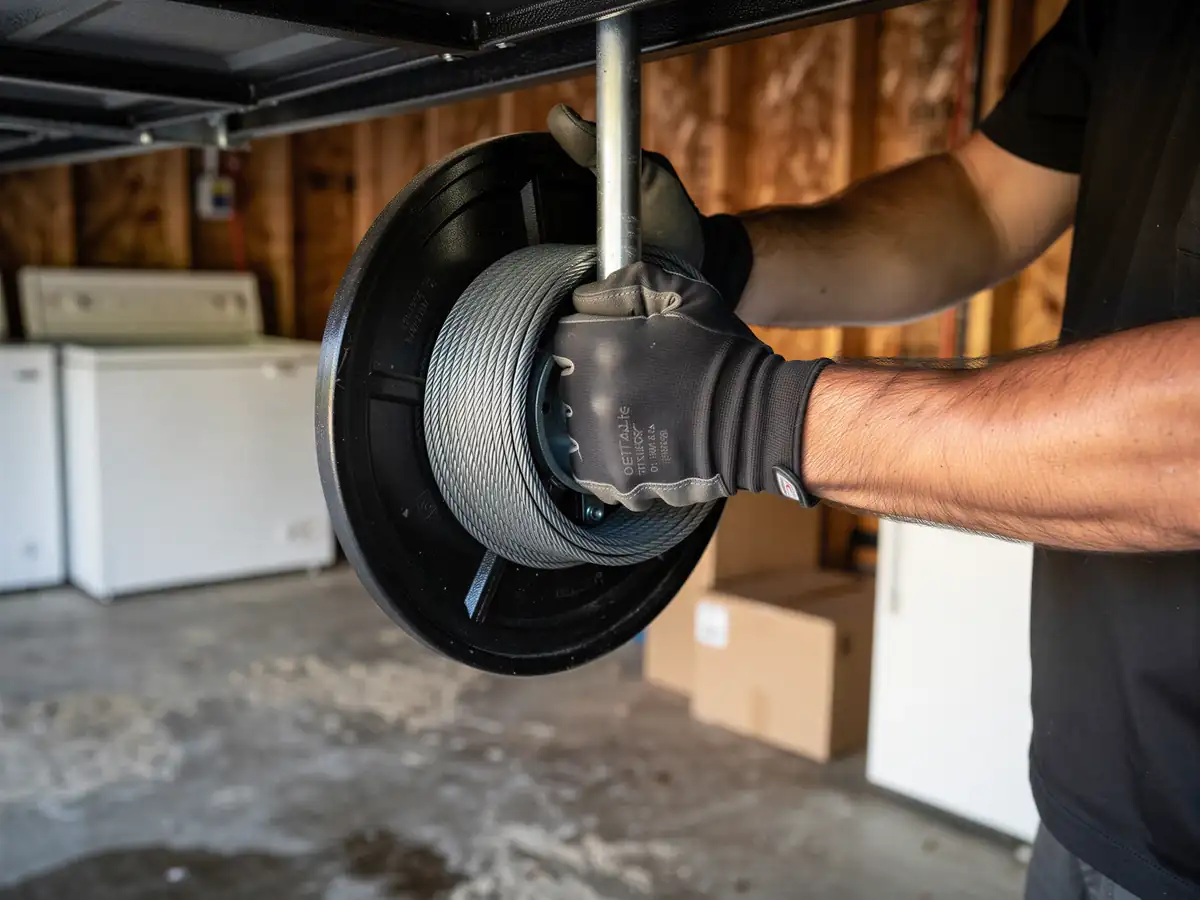
We pull the damaged section, check the hinges and rollers it was carrying (old hardware on a 1969-era door often needs replacing at the same time, not just the panel), and set the new section so the door tracks straight. On a double door, one bad panel can throw the whole balance off if the hinges underneath are also worn, so we check that before we call the job done.
What You Pay
We don't post panel prices here because the range depends entirely on whether your section matches a current standard size or needs a custom or older-profile panel, and whether the hinges and rollers need replacing along with it. That's not a dodge, it's the honest answer for a door built decades before most of what we stock today.
What we can tell you is what drives the number: section size match, number of panels damaged (one versus a run of them from a bigger impact), and hardware condition. Kindred's median household income runs lower than some of the closer-in Fargo suburbs we cover, and we price the same labor and parts here as anywhere else in the service area - the trip out doesn't change the repair cost, just the scheduling.
How to Book
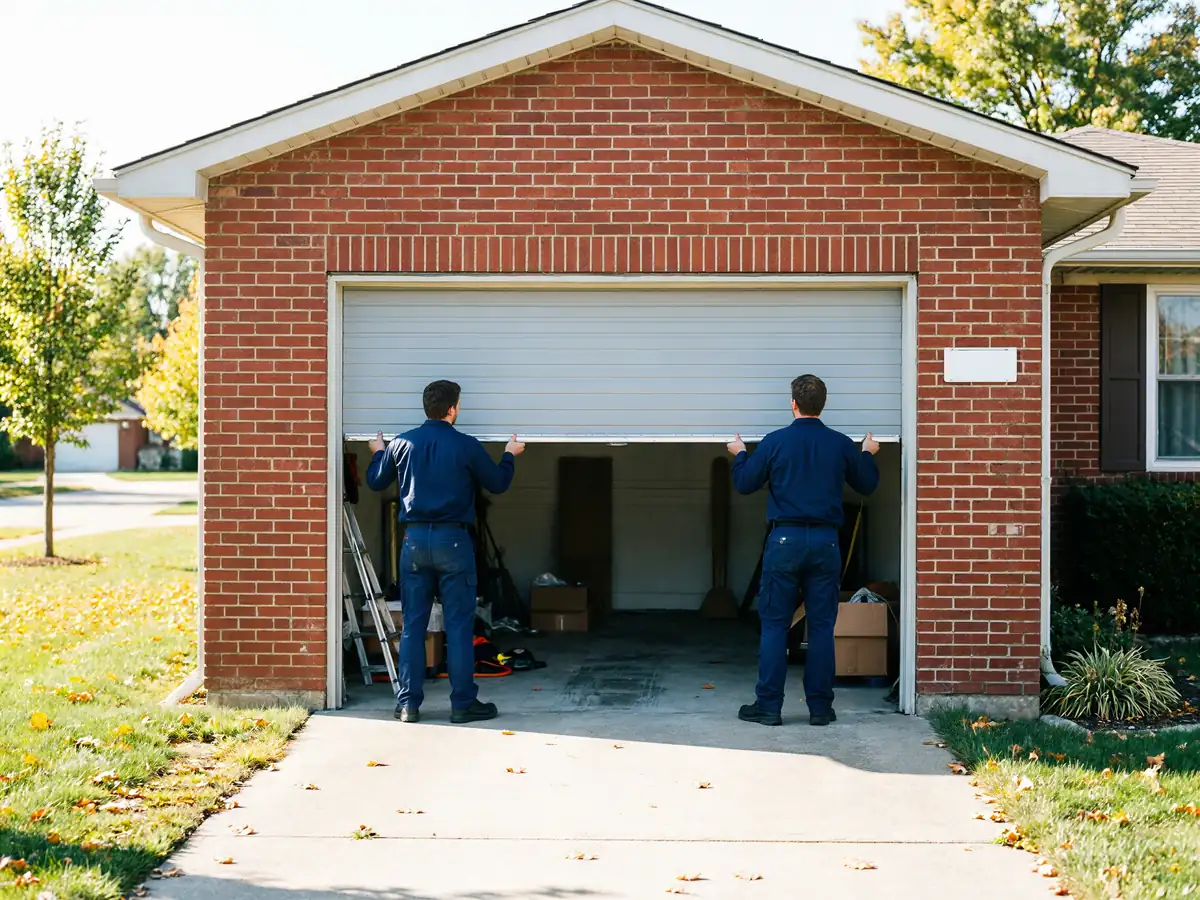
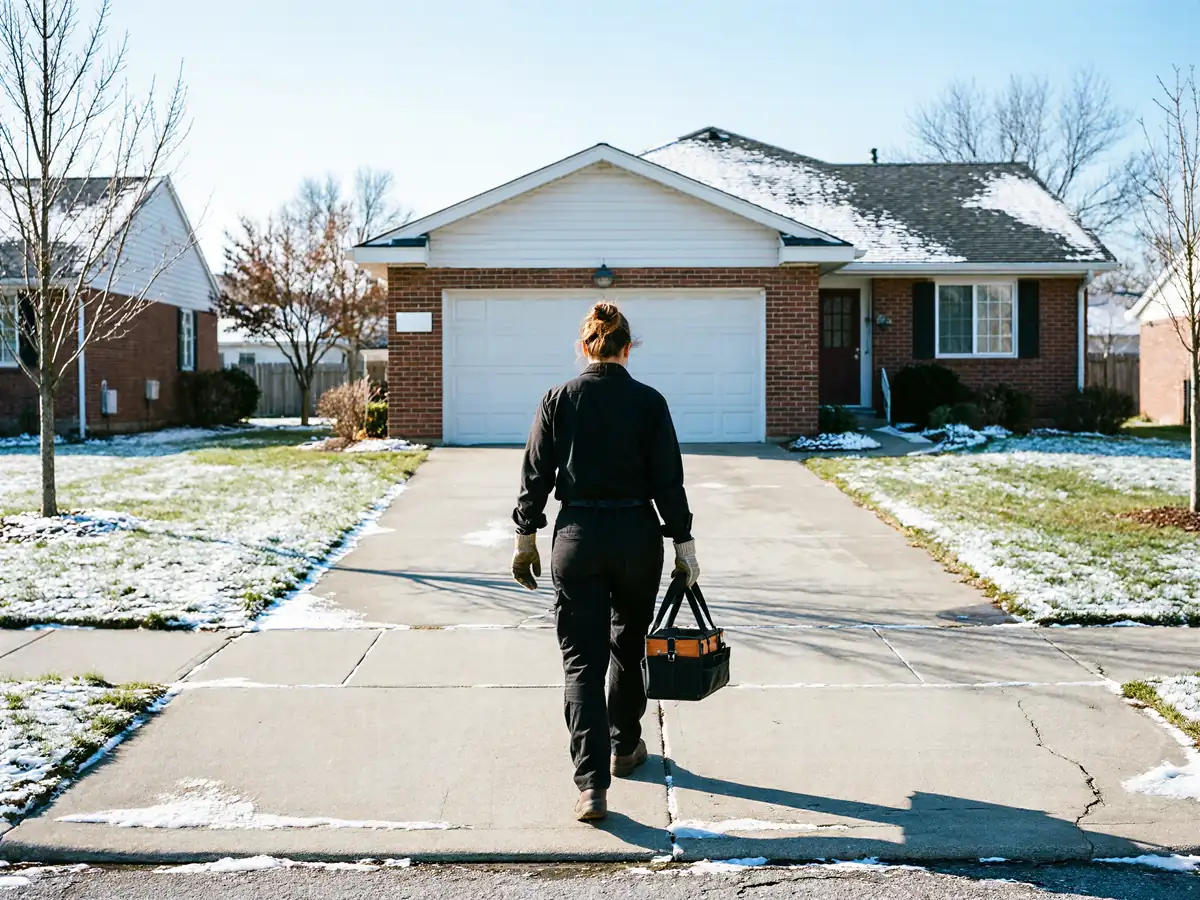
We come out from Fargo, about 17 miles each way
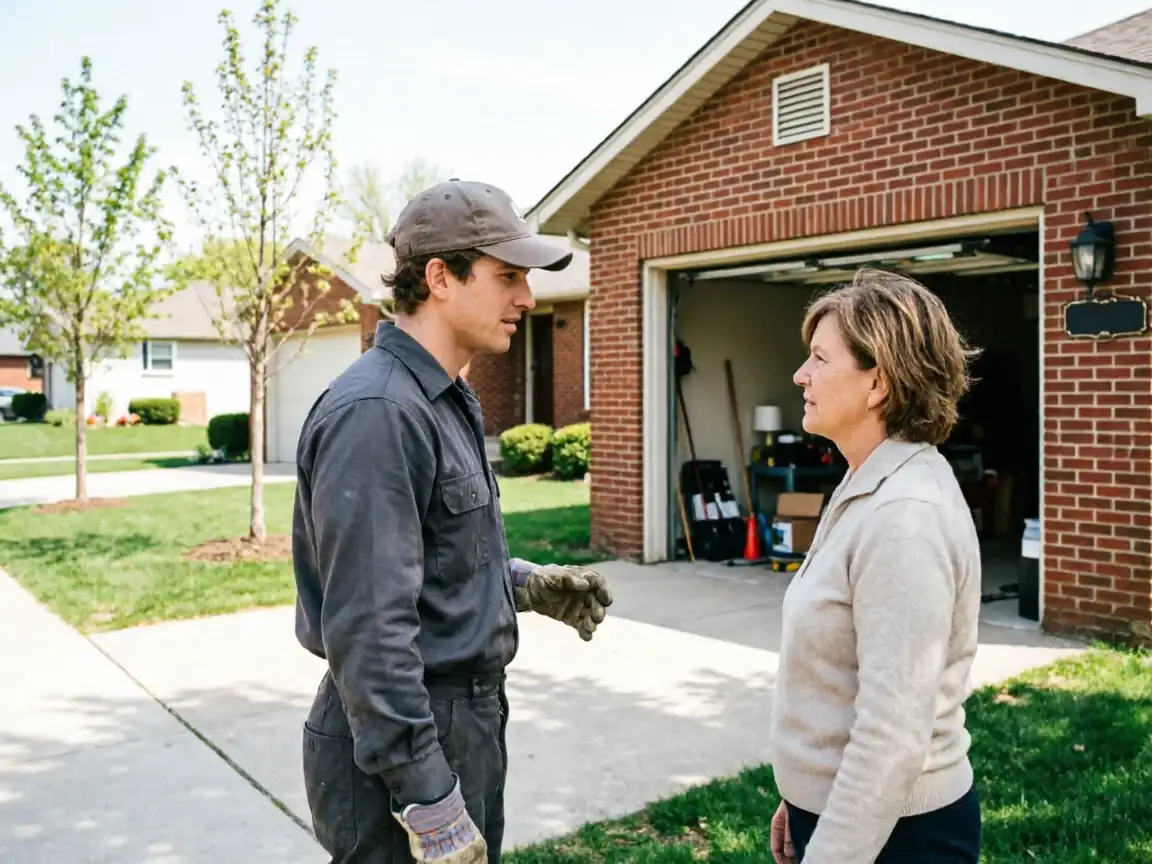
So Kindred jobs get scheduled rather than dropped in same-day. Tell us the door's approximate age, whether it's a single or double door, and where the damage is on the panel - that's usually enough for us to guess whether we're looking at a stock match or an older-profile order before we even get there.
- 17 miles
If you're not sure whether a cracked panel is worth replacing on its own versus replacing the whole door
Say so when you call. On a door built in the late 1960s, that's often the real question, and it's better to answer it before a truck makes the drive than after.