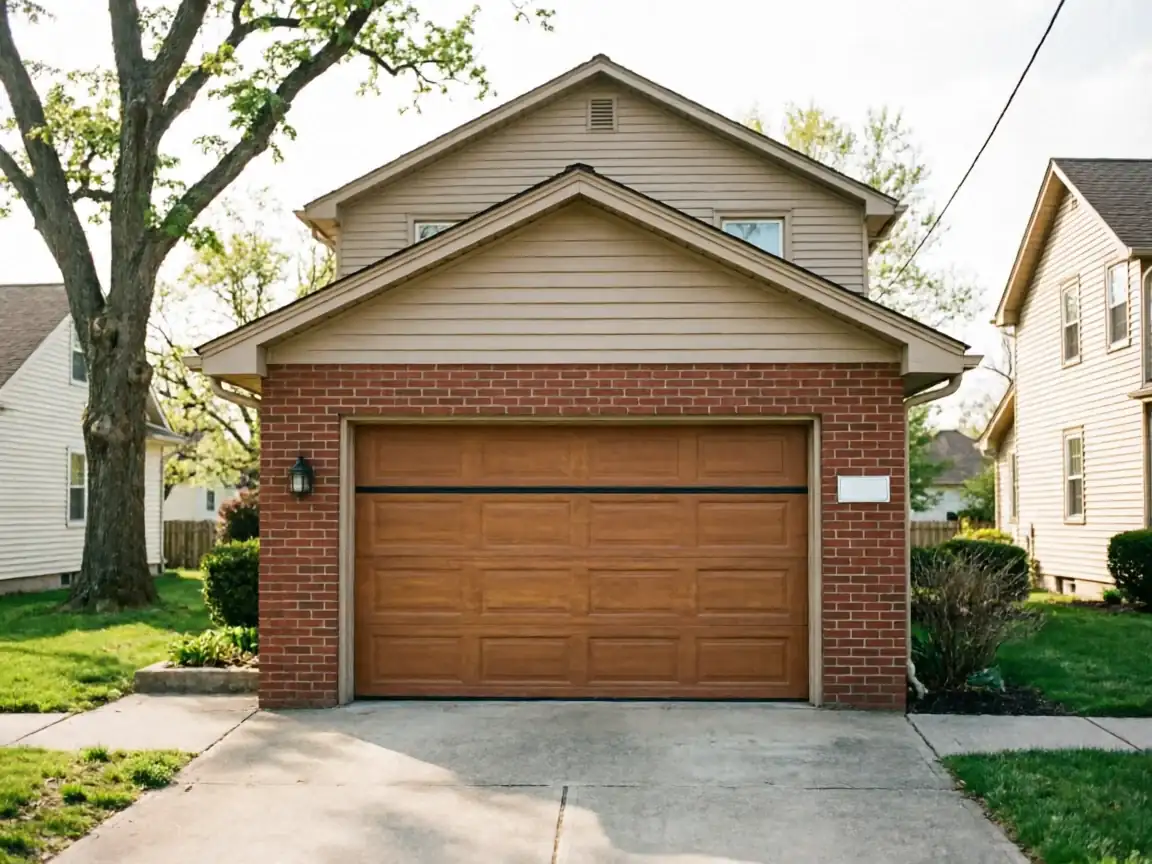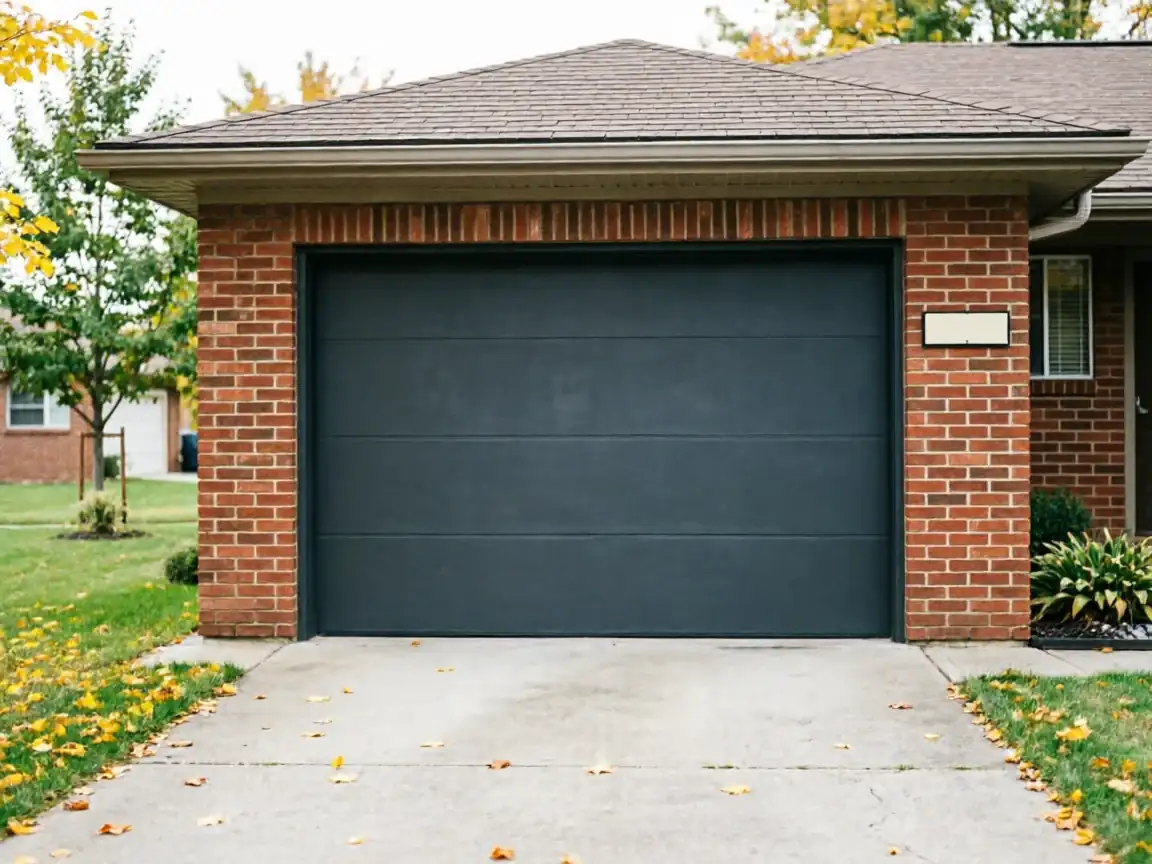
The Symptom
The door starts slow
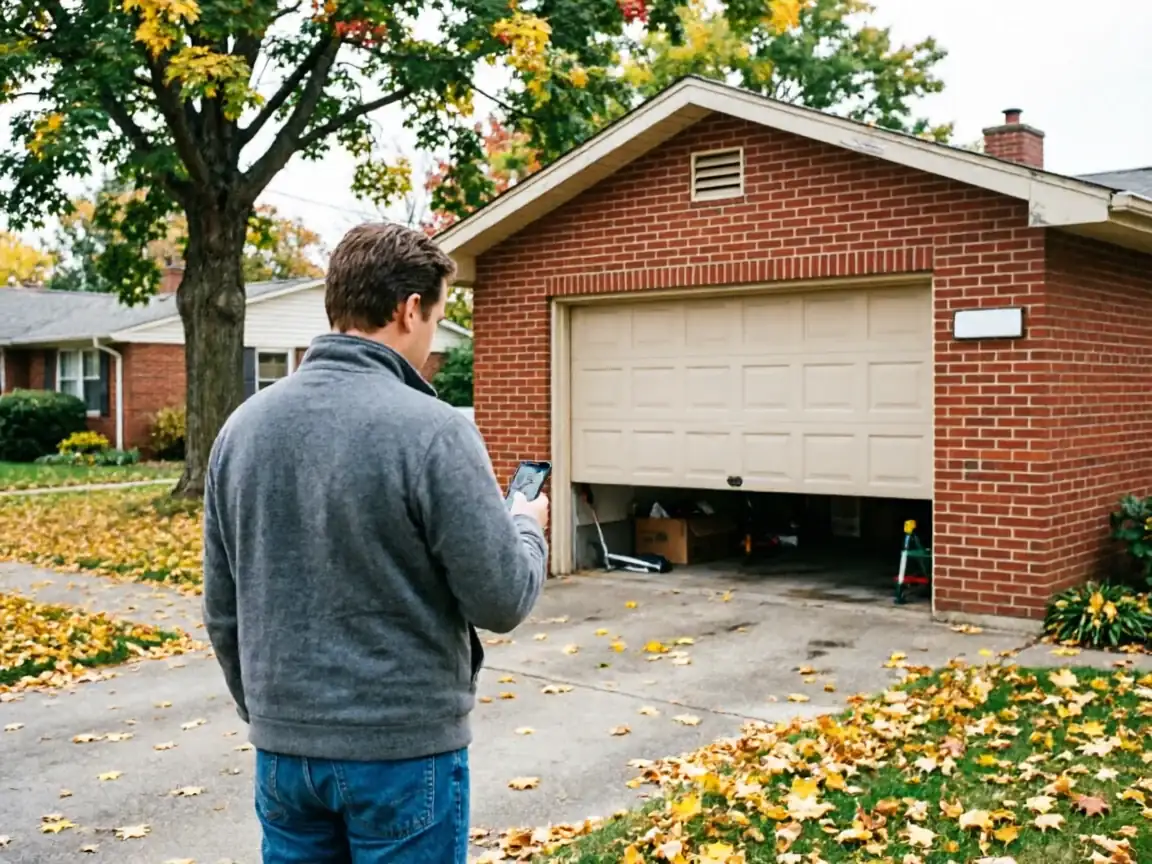
It hesitates before it lifts, or it jerks a few inches in and stutters the rest of the way. Sometimes it's a grinding noise from the rollers, sometimes a bang partway down the track as the cable catches. Owners usually call it a "it's just getting old" problem and put it off, because the door still closes, mostly, most days.
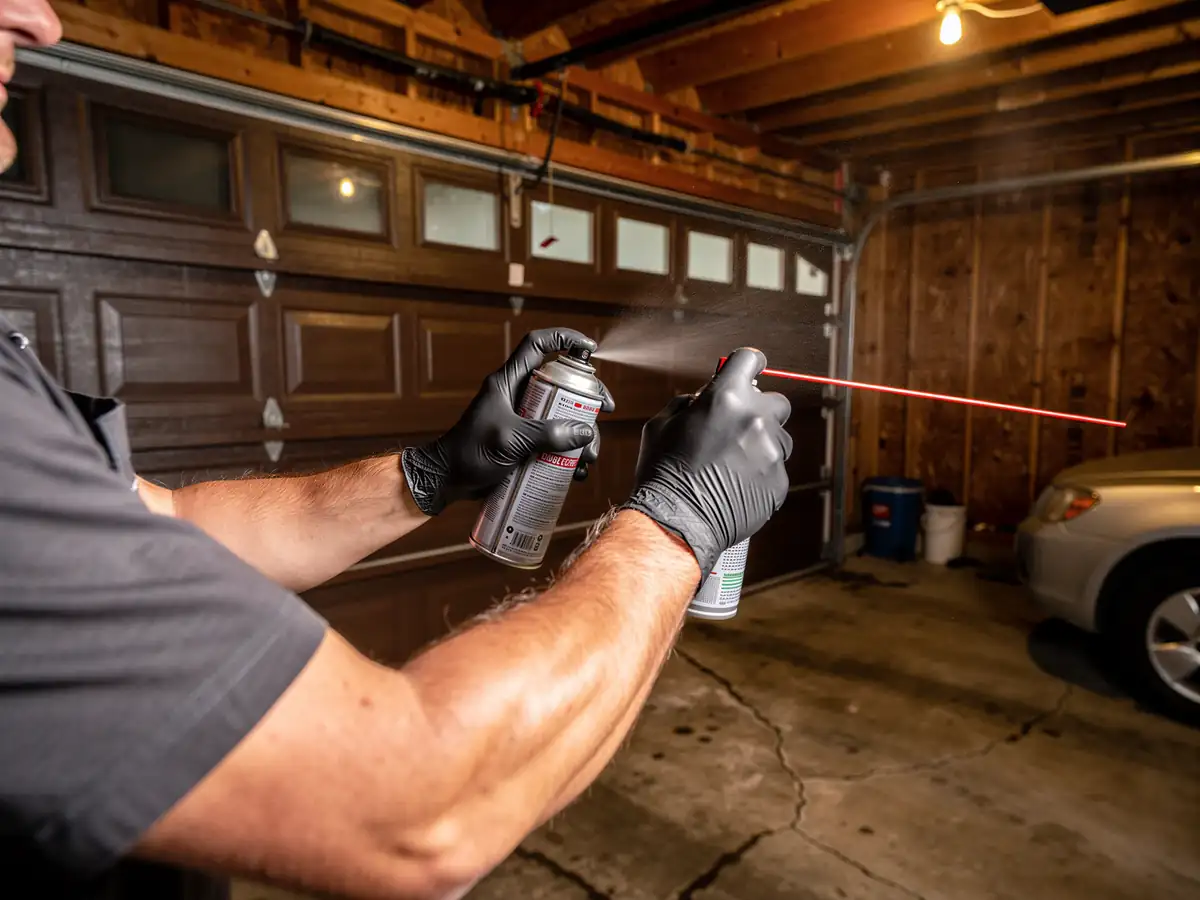
That hesitation is almost always a lubrication or alignment issue that's been building for months
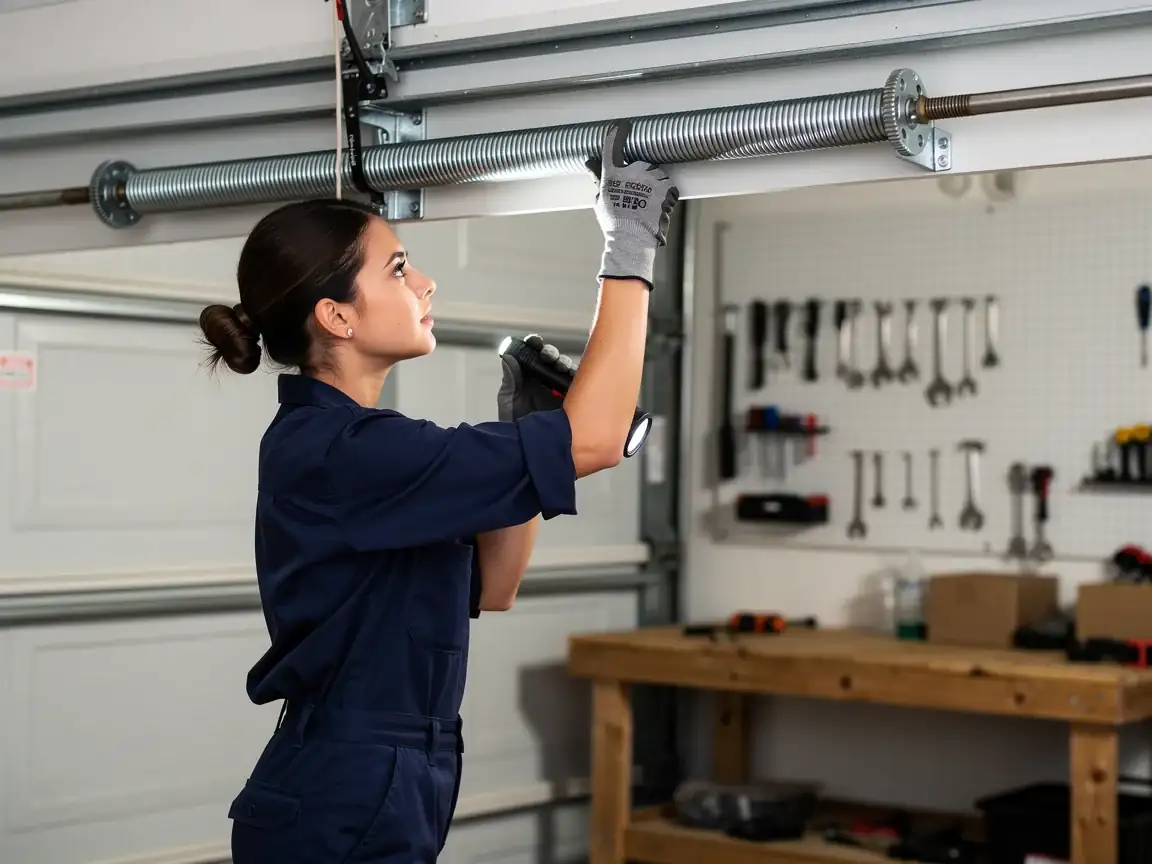
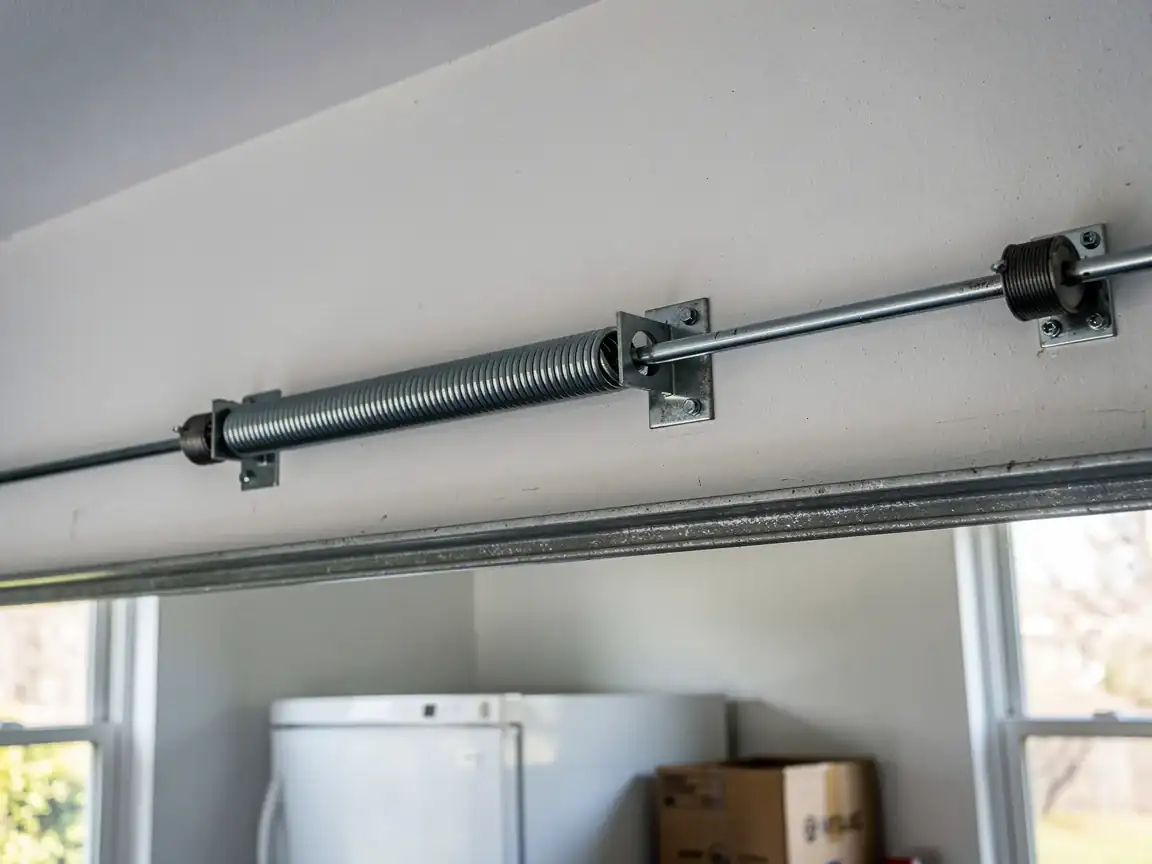
The spring is working harder than it should, the rollers are running dry in the track, or the opener's force setting has crept up to compensate for friction that shouldn't be there. None of that fixes itself. It gets slower through the fall, and by the first real cold snap it's either stuck shut or stuck open.
Across the Fargo service area
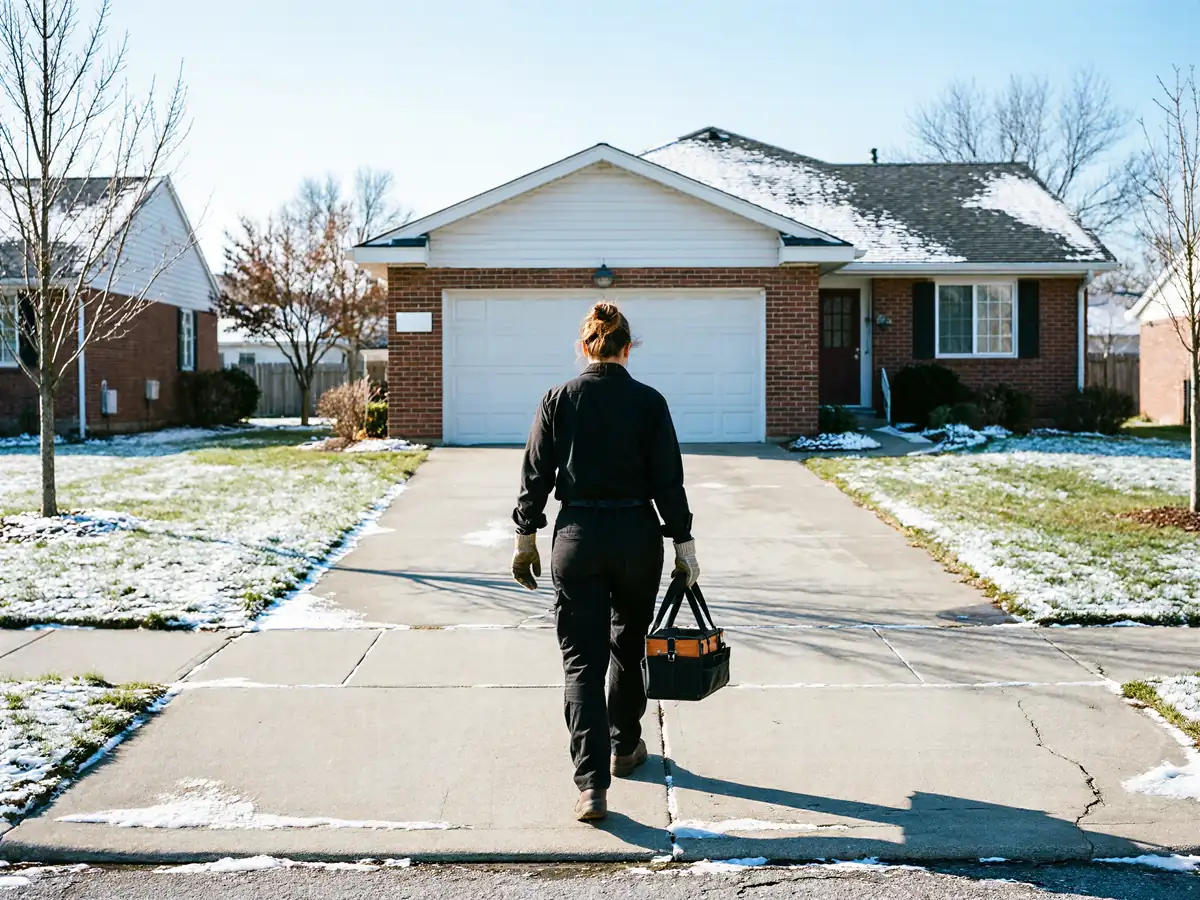
Fargo itself plus the nearby communities of West Fargo, Harwood, Horace, Mapleton, Argusville, Kindred, and Casselton - this is the single most common call we get that didn't have to become a call at all. A maintenance visit catches it while it's still a five-minute fix instead of a spring replacement.
Why This Fails Locally
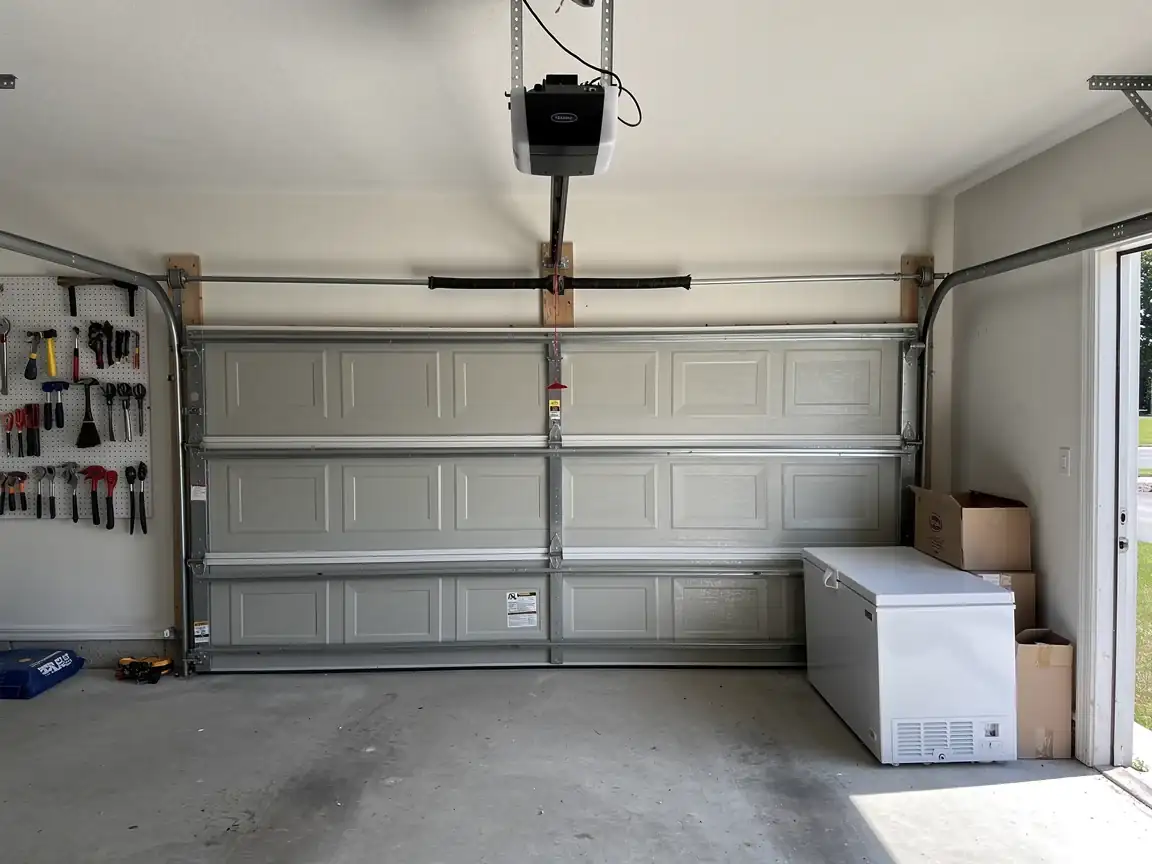
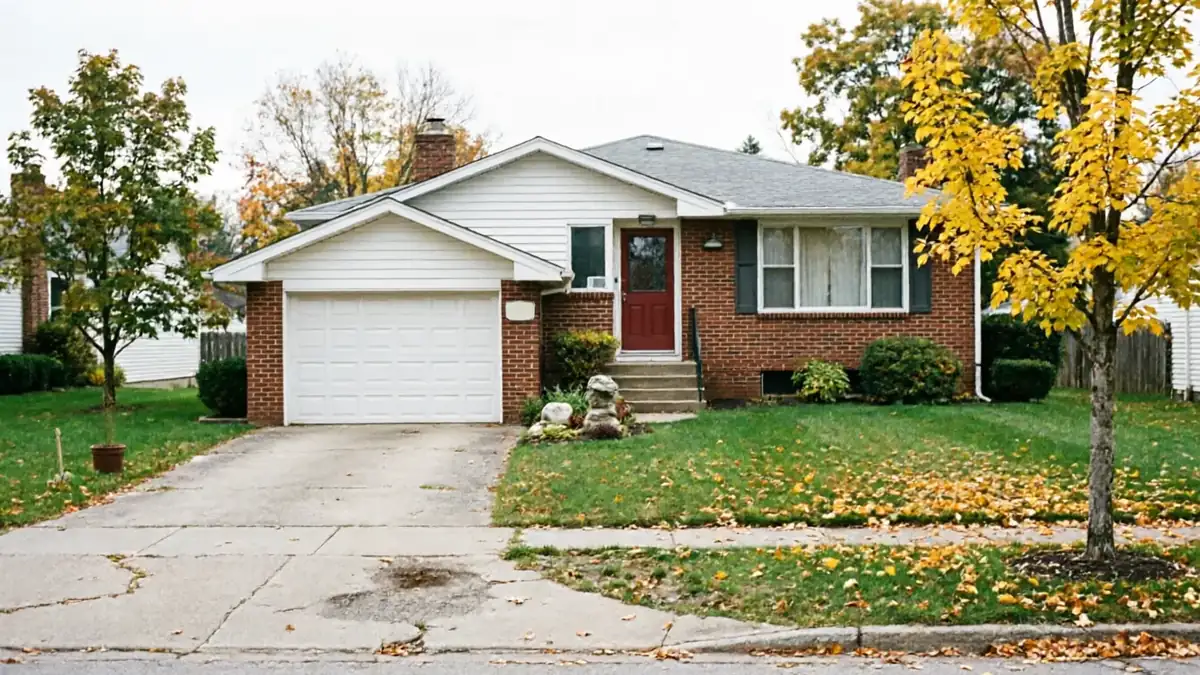
Most of the houses in this area were built between 1969 and 2006, with a lot of that stock concentrated in the 1980s and 90s across the seven named neighborhoods we cover. That generation of garage door hardware - steel torsion springs, standard roller tracks, openers from the same era or a mid-life replacement - was built for a normal climate cycle, not for a severe cold band like this one.
Cold does two things to that hardware. It thickens old grease until it's basically a drag on every moving part, and it shrinks metal just enough to throw alignment off on tracks that were already a few degrees out of true from twenty-plus years of use. A spring that's lived through that many freeze-thaw cycles without service has lost tension in a way that doesn't show up until the day it finally gives out - usually on the coldest morning of the week, which is also the worst morning to have a door stuck.
This isn't a problem specific to one street or one subdivision. It's a function of age plus climate, and it applies across the housing stock in Fargo, West Fargo, Horace, and every other community in this service area built in that same window.
How Long It Takes
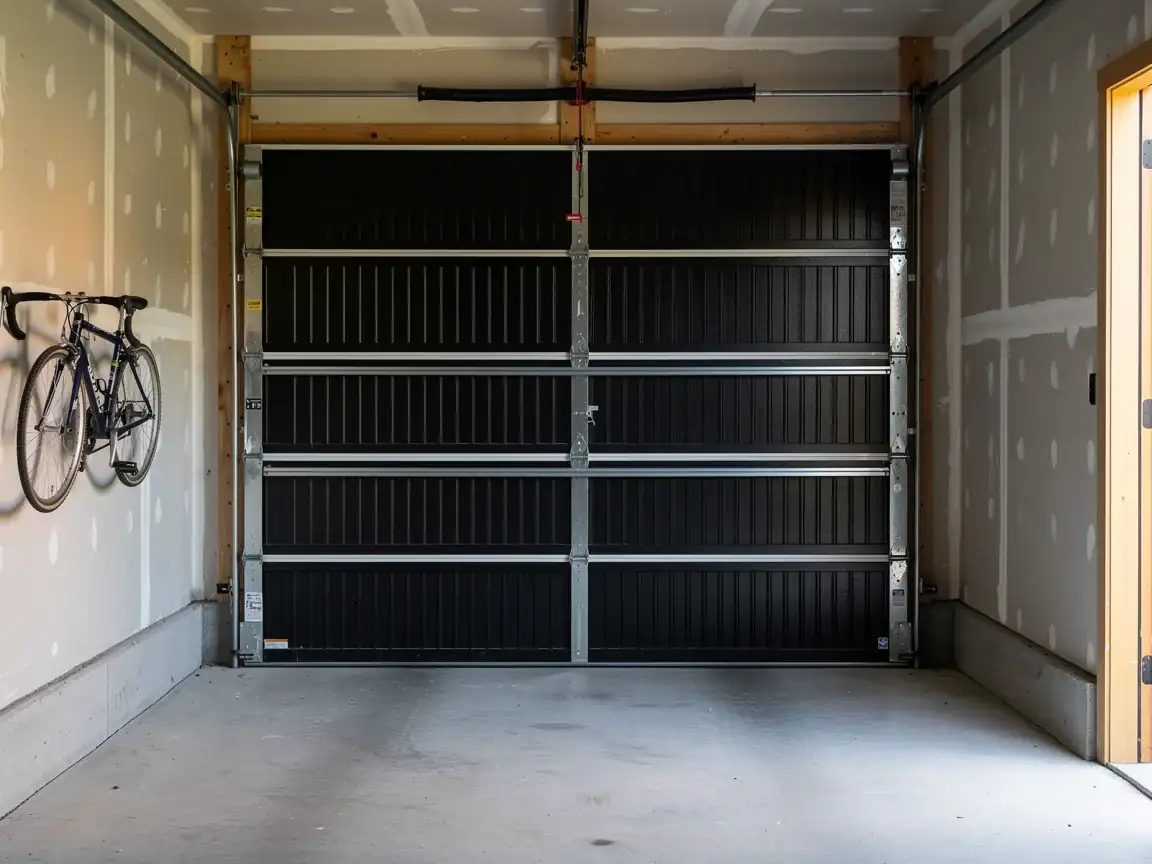
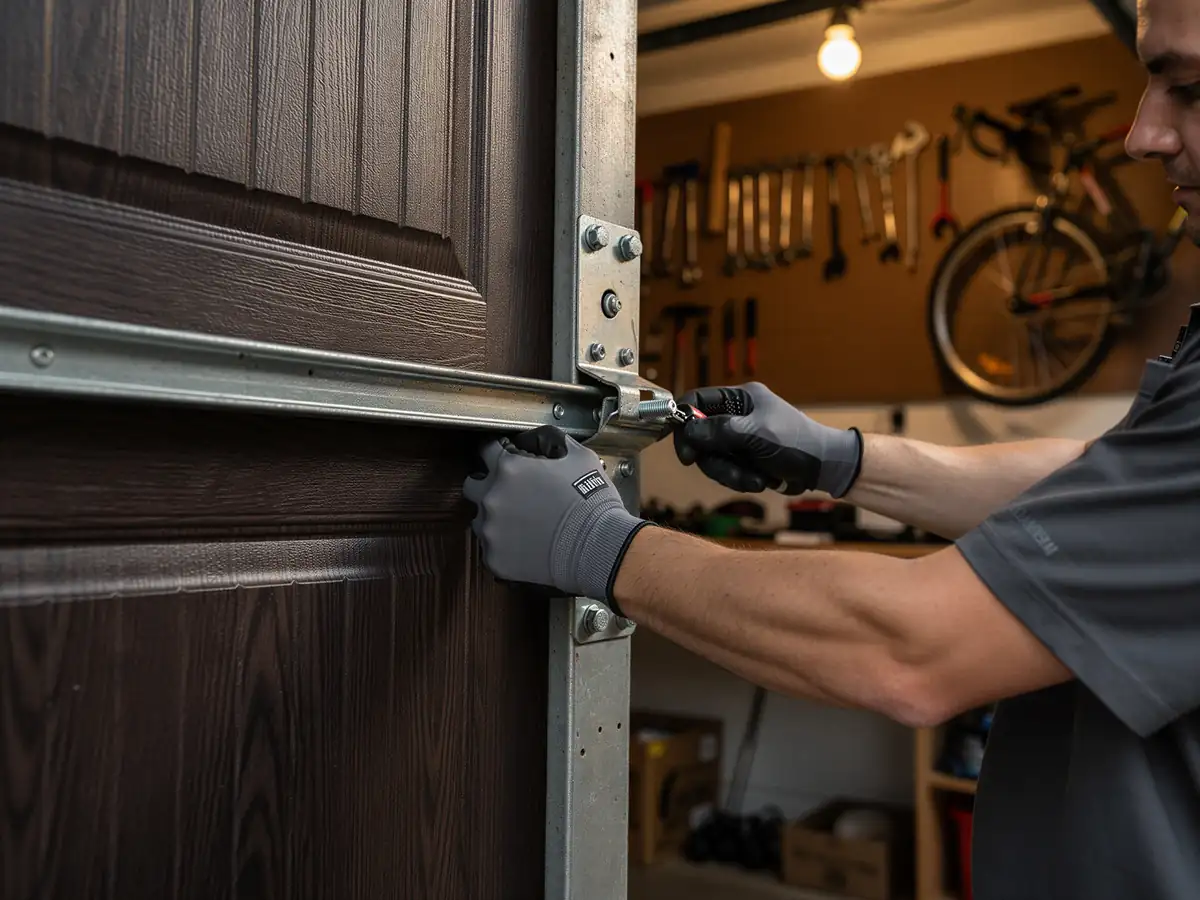
A standard maintenance visit covers the track, rollers, hinges, cables, spring tension, and opener force and limit settings. On a double door in average condition, that's typically under an hour. A single door with no major issues is often faster.
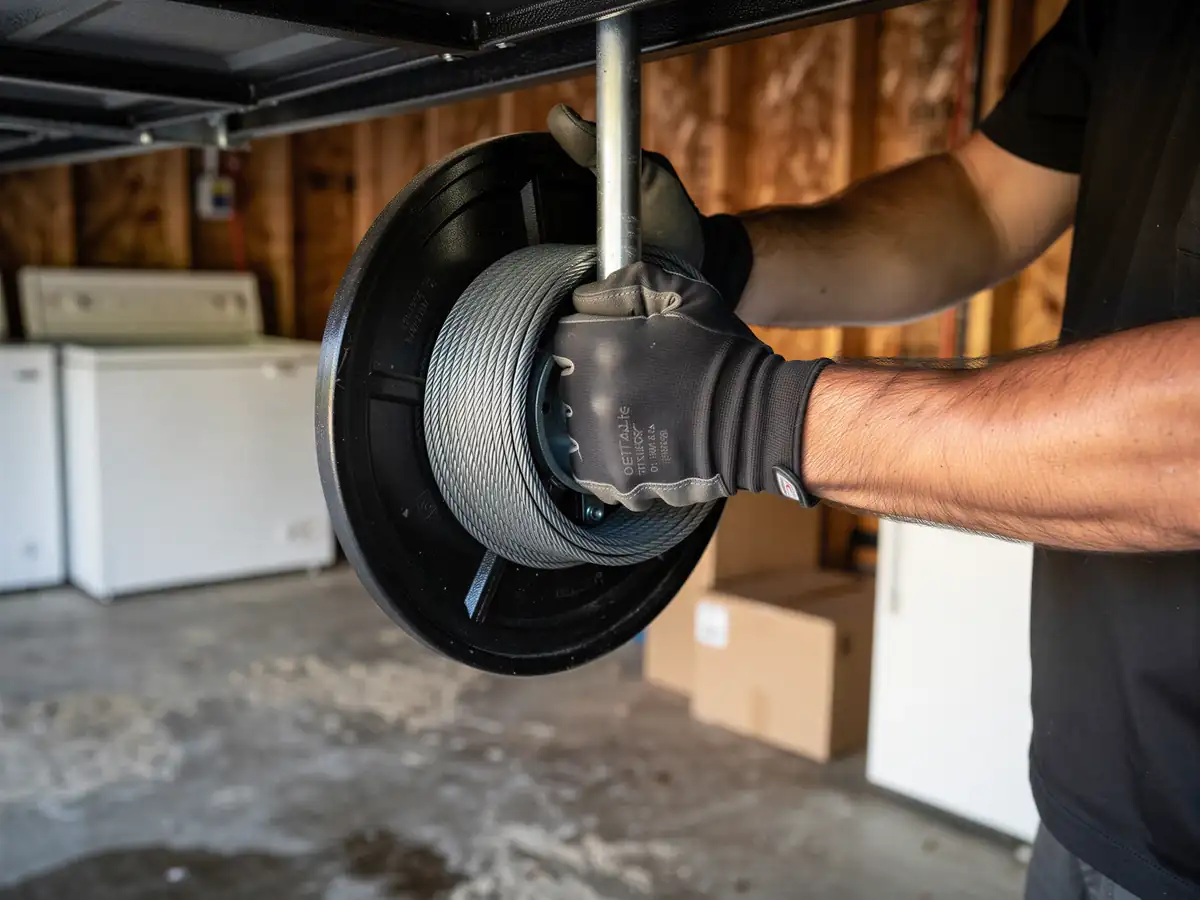
If something's found during the visit - a roller that's cracked, a cable fraying at the drum, a spring that's clearly past its working life - that's a separate conversation about repair, not something we fold into the maintenance price without telling you first. We'll tell you what we see and what it means for the door's remaining life, and you decide what happens next.
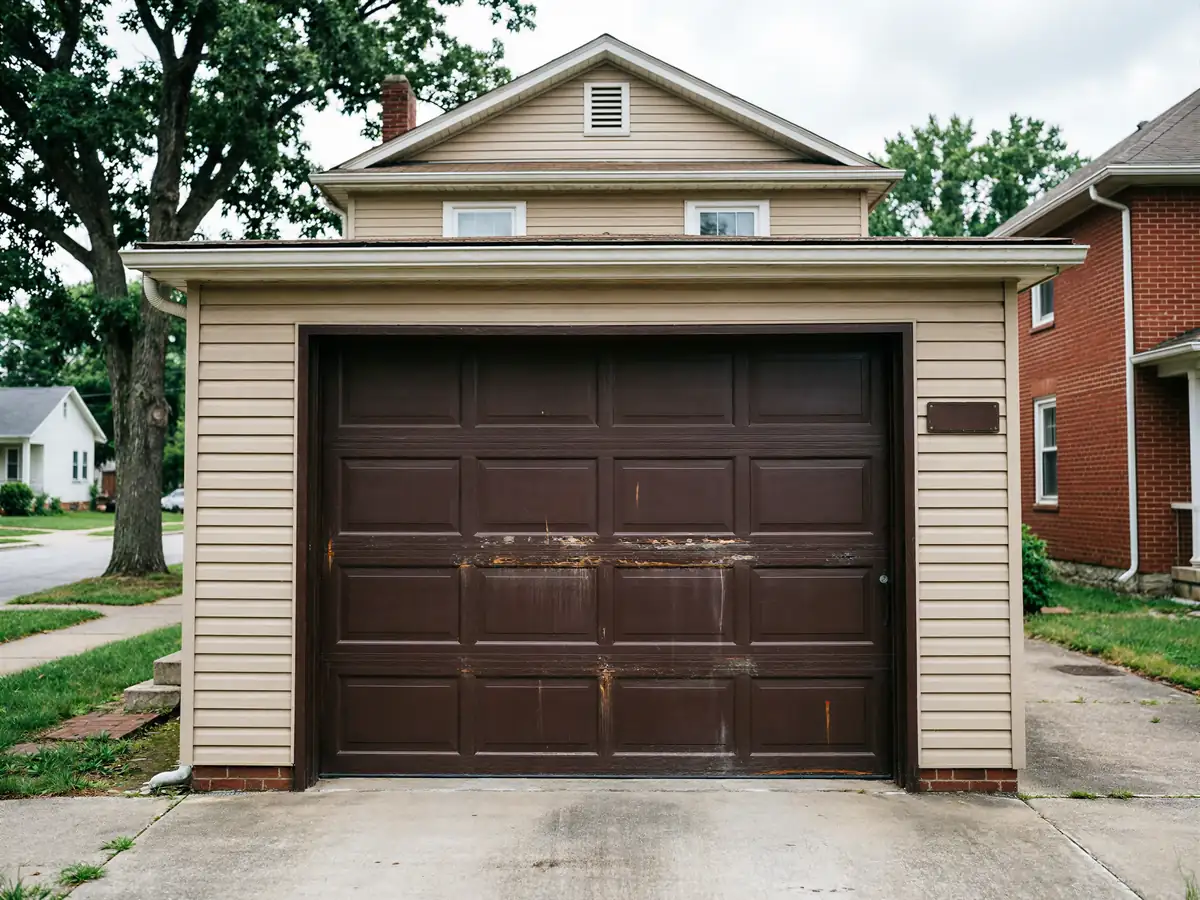
We won't pretend every door needs the same thing. A door installed in the last few years with a newer opener often just needs a lube-and-adjust and nothing else. An older door that's never been serviced usually needs more time, because twenty-plus years of dry rollers and drifted alignment doesn't get undone in five minutes.
Doing It Yourself
Some of this is reasonable to do on your own
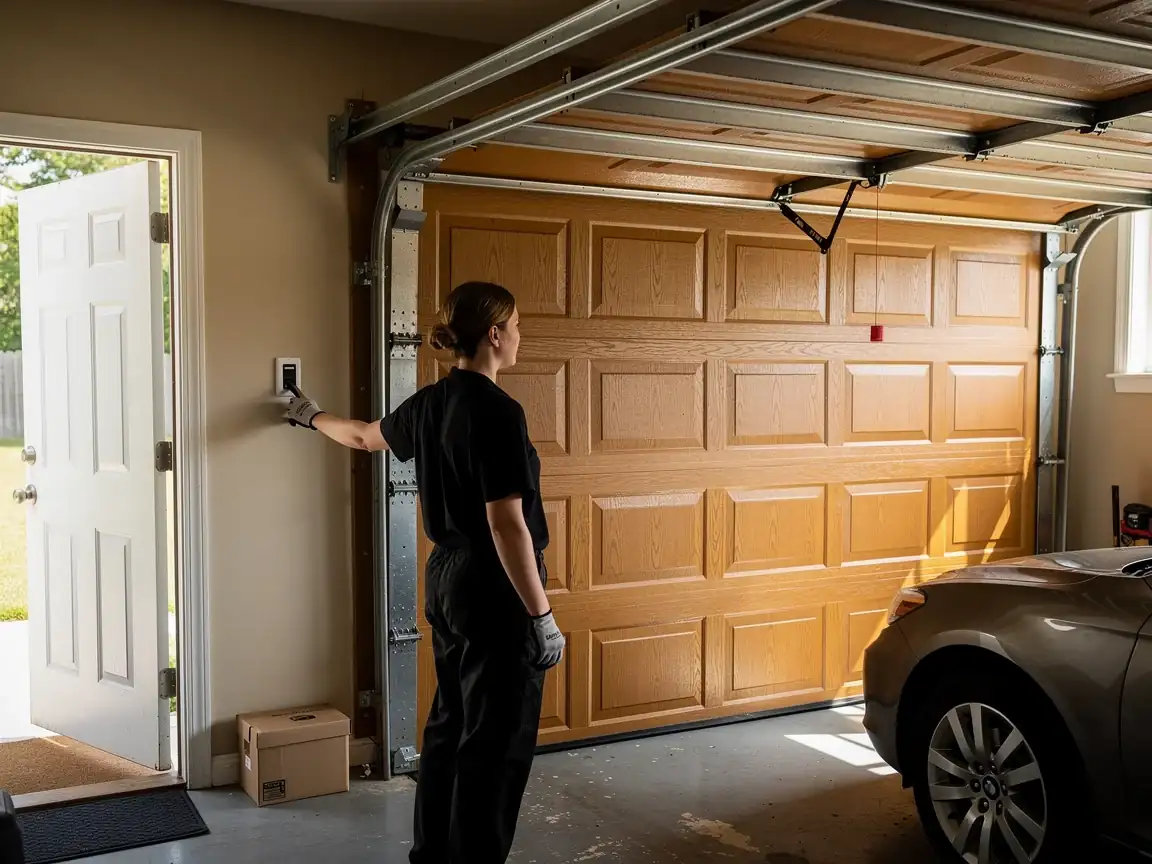
Wiping down the tracks, checking for visible rust or fraying on the cables, and listening for new grinding or scraping noises are all things a homeowner can do in ten minutes without tools. If the door's opener has a manual force adjustment, check your owner's manual before touching it - over-tightening it to compensate for friction is how people end up with a door that slams instead of a door that's actually fixed.
What we don't recommend doing yourself: touching the torsion spring
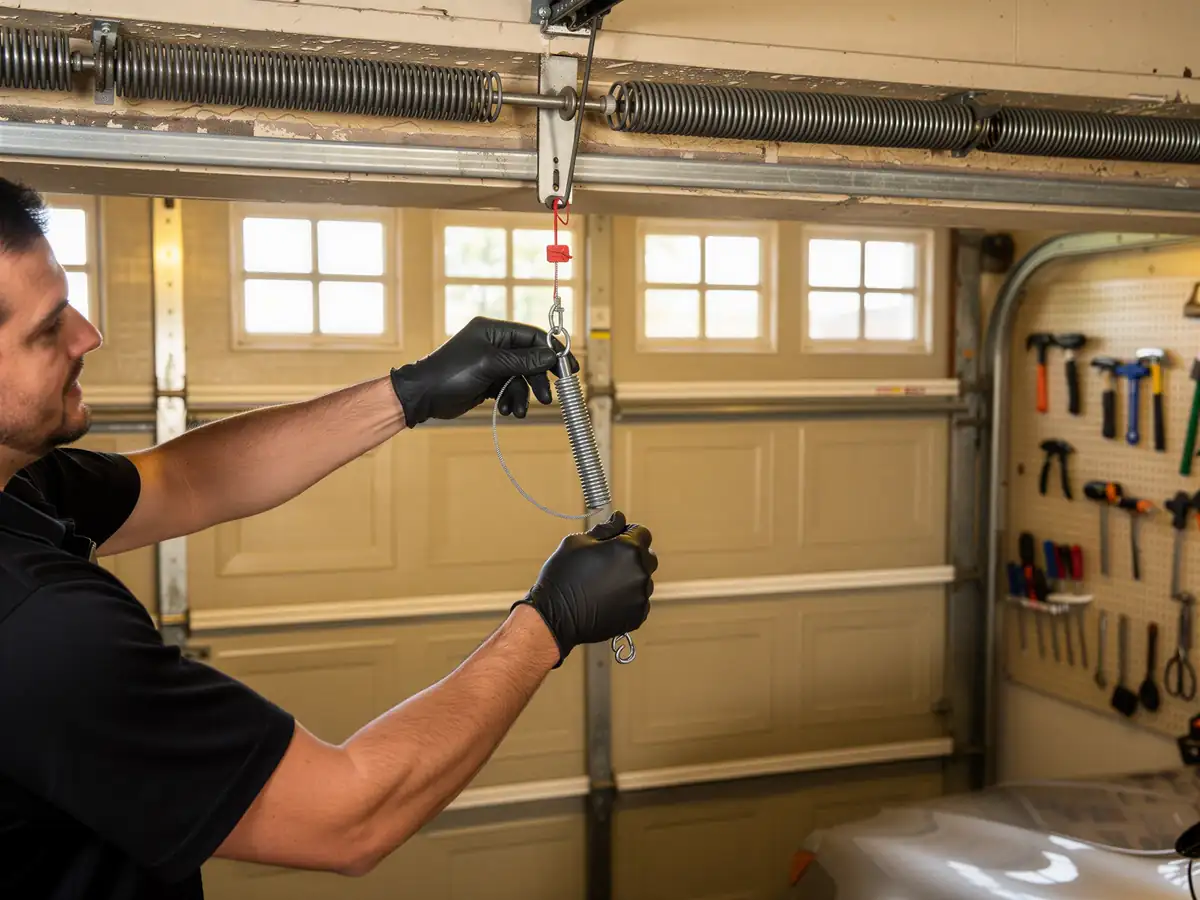
It's under enough tension to cause real injury if it lets go while you're working near it, and that's true whether the spring is five years old or twenty. If you're hearing a loud bang from the spring area, or the door feels heavier than it used to when you lift it manually with the opener disconnected, that's a call, not a weekend project.
If you're not sure whether what you're hearing is normal wear or something that needs attention now
That uncertainty itself is worth a maintenance visit. It's cheaper to find out early than to find out when the door won't open.