The Problem
A power cut doesn't just stop the opener
In a town built up the way Fargo was - most of the housing stock here went up between 1969 and 2006, with a thick band of it from the 1980s and 90s across seven different pockets of the service area - a lot of those openers are old enough that the backup battery, if there's one at all, is also old enough to be the weak point. The motor might be fine. The board might be fine. But a battery that's seven or eight years old doesn't hold a charge the way it did when it was new, and that's the piece nobody thinks about until the lights go out and the door won't move.
The second problem is timing
Outages here don't tend to land on a mild afternoon. They land with the temperature already working against you, which brings us to what cold does to a battery that's already tired. A fresh backup battery in a 60-degree garage and a seven-year-old one in a garage that's sitting near freezing are not the same piece of equipment, even though the sticker says the same voltage.
What Most People Get Wrong
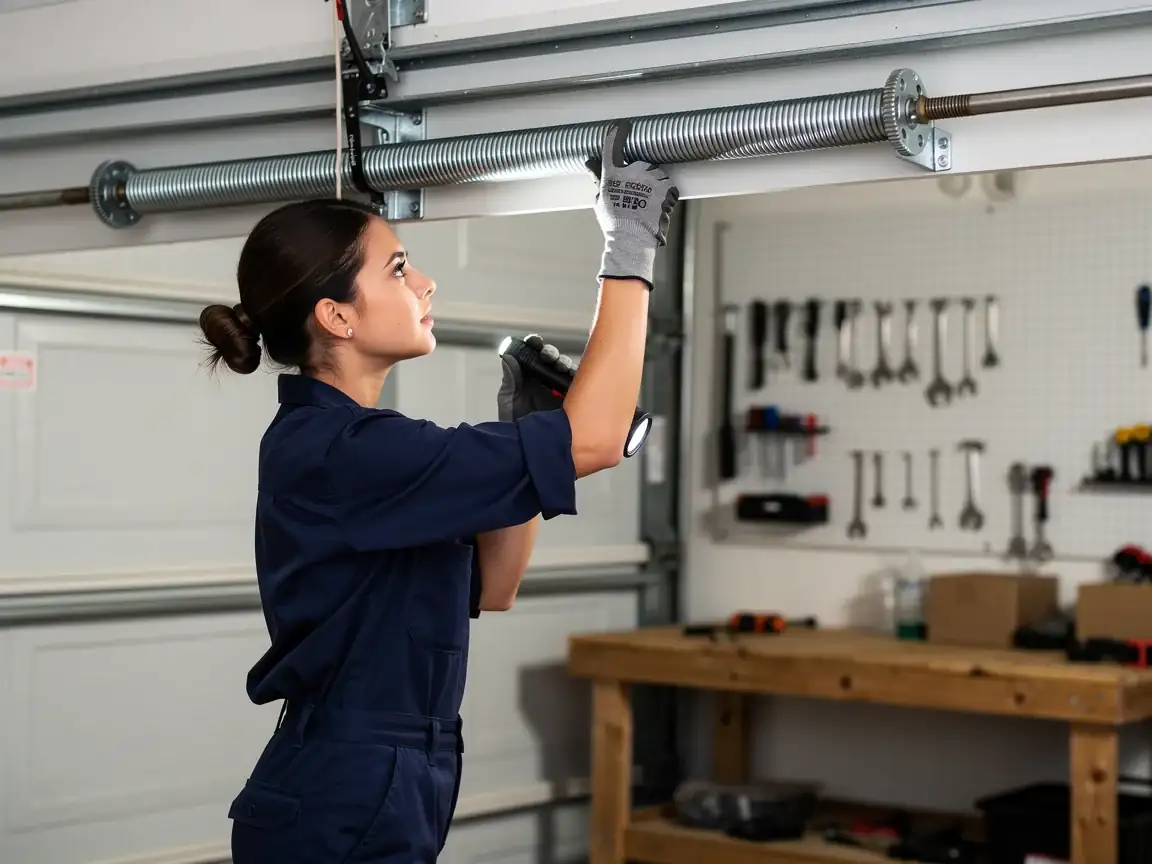
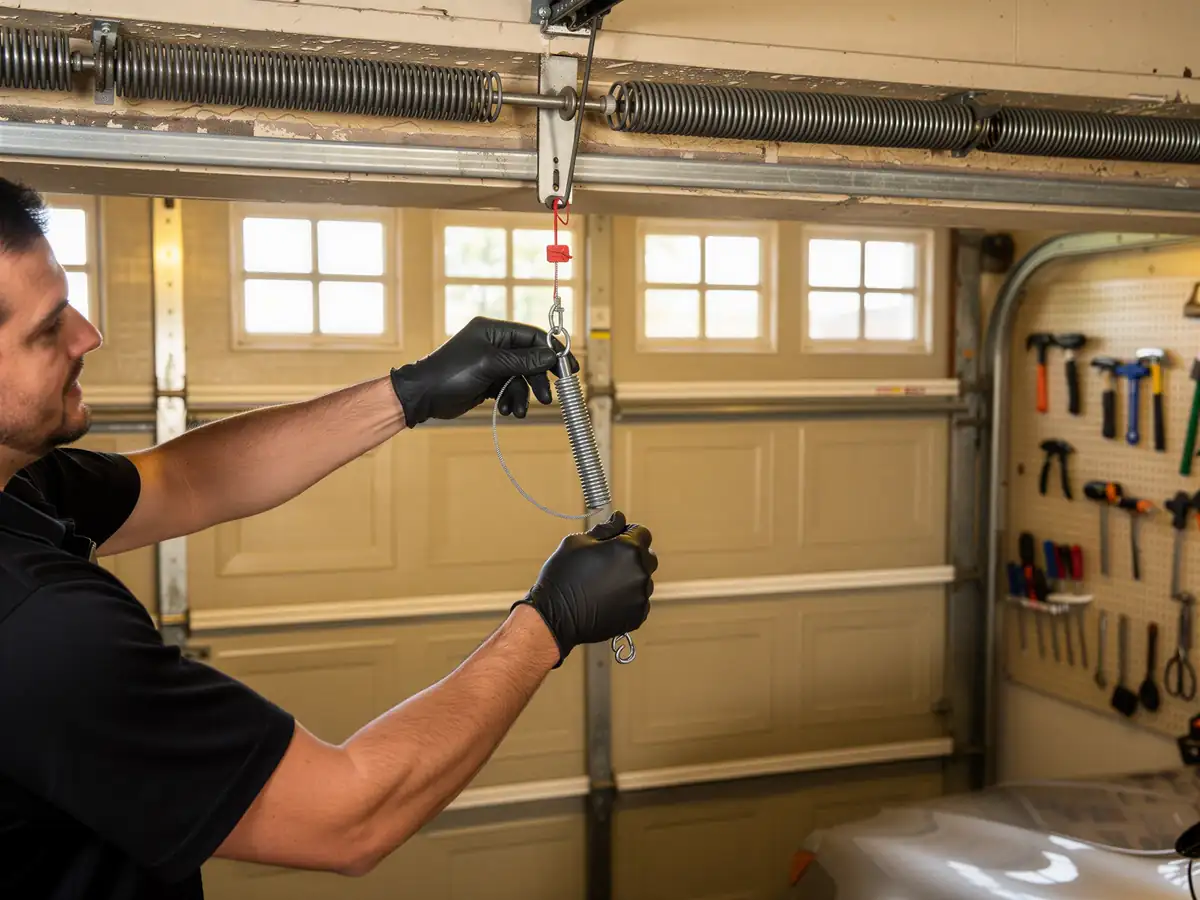
The most common mistake is assuming the manual release cord is a sure thing. It usually is - but only if the door is balanced correctly, and a lot of the original one-piece doors and openers from that 1980s-90s build-out were never rebalanced after the springs started losing tension over the years. Pull the release on an unbalanced door and you're not lifting a door, you're lifting a door plus whatever the springs stopped covering for.
The second mistake is treating a battery backup as a permanent fix once it's installed. It's a buffer, not a cure. People install one, it works during the next outage, and then they forget it exists for six years. By the time the next cut comes, the battery's capacity has dropped by half or more and nobody finds that out until the door is stuck halfway up.
The third mistake, honestly, is calling about the opener when the real issue is the door itself - binding track, a roller that's seized, a cable that's frayed. A power cut just exposes a problem that was already there.
What Local Conditions Do
Fargo sits in the severe end of the cold climate band, and that matters here in a specific way: battery chemistry loses capacity as temperature drops, and an unheated or marginally heated garage in a severe-cold market spends a good chunk of the year below the range a backup battery is rated for. A battery that would carry a door through fifteen or twenty cycles in a heated shop might manage five or six in a garage that's sitting at freezing, and that gap is exactly where people get caught - mid-outage, mid-winter, door stuck.
Across the 19,183 households this shop's area covers, 8,064 are owner-occupied houses, and most of those have an attached garage with a door and opener riding on the same circuit as everything else in the house. When the power drops, it drops for all of it at once. Whether you're four miles out in West Fargo, out toward Horace or Mapleton, or two miles in toward the outage hits the opener the same way - it's the age and condition of what's on the other end of the cord that decides whether you're stuck or not.
Checking It Yourself
Before you call anyone, there are a few things worth five minutes
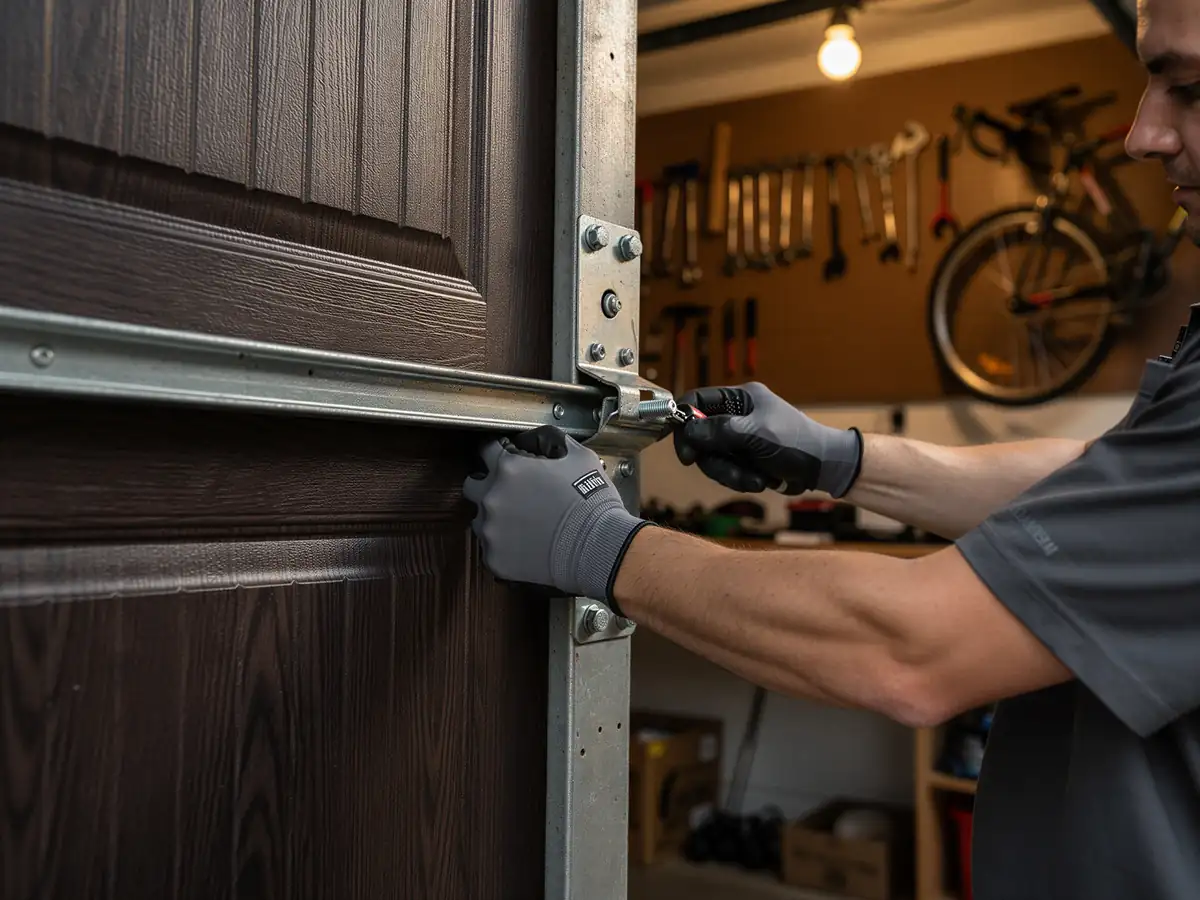
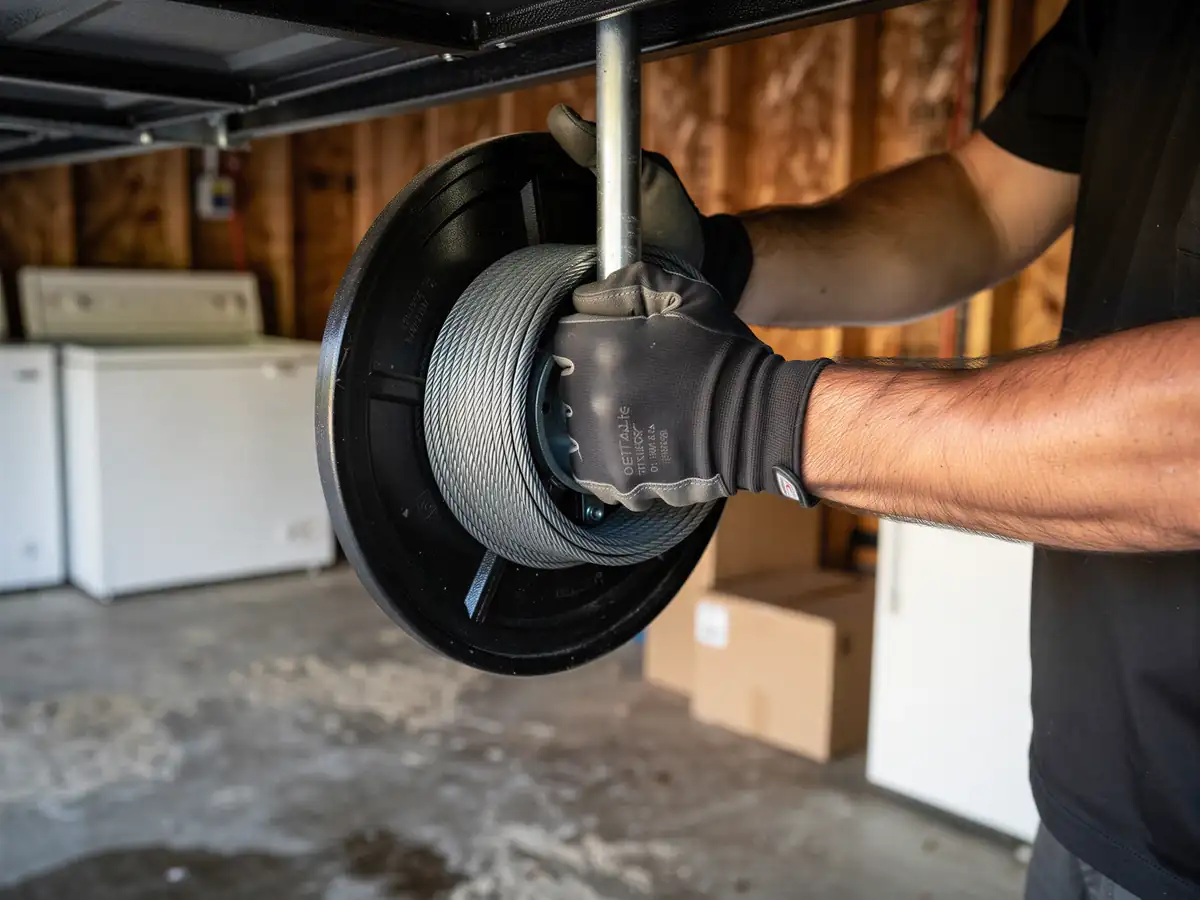
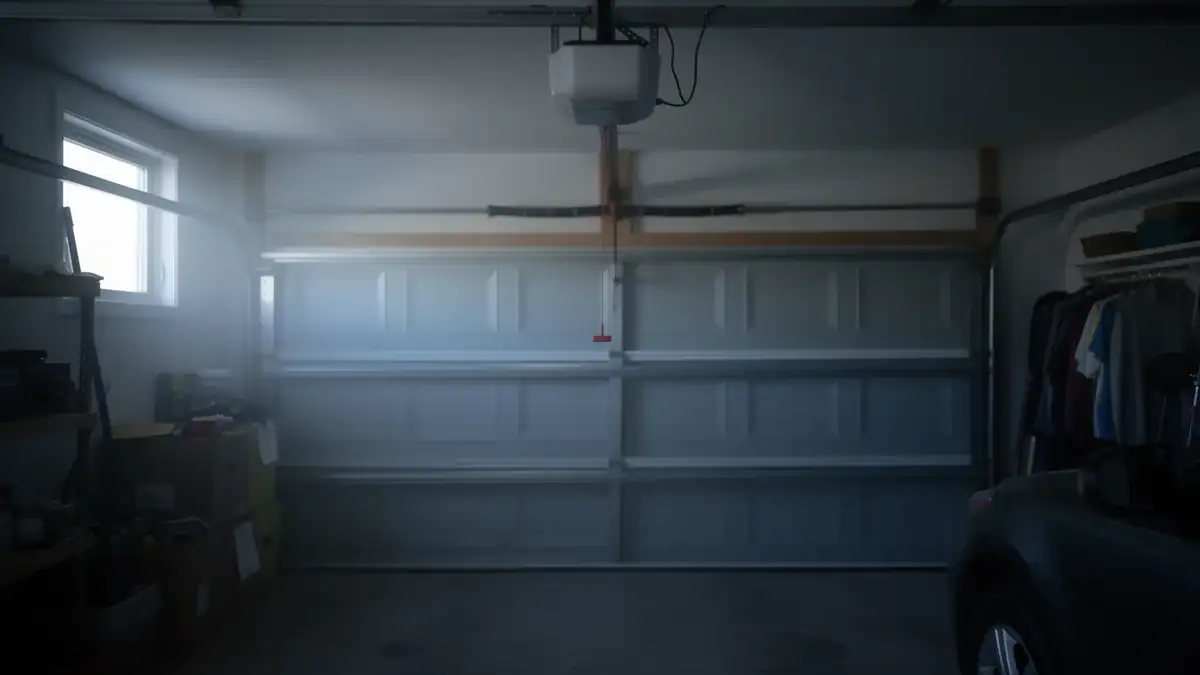
Find the manual release cord - usually a red handle hanging from a track near the motor unit - and pull it once with the door down, just to confirm it disengages cleanly. If it's stiff or the door drops fast when you pull it, that's a spring issue, not a power issue, and it needs a hand, not a workaround.
If you have a battery backup unit on the opener, most have a small indicator light
A steady green usually means charged; amber or blinking red means it's not holding a charge the way it should. Check the date you had it installed, if you remember it - past five or six years in a cold garage, don't count on it for more than a cycle or two.
We don't carry every opener board or battery model on the truck for every outage call
Some of the older 1980s and 90s units take a part that has to be ordered. If yours is one of those, we'll tell you straight instead of making you wait around for a guess.