Why This Fails Locally
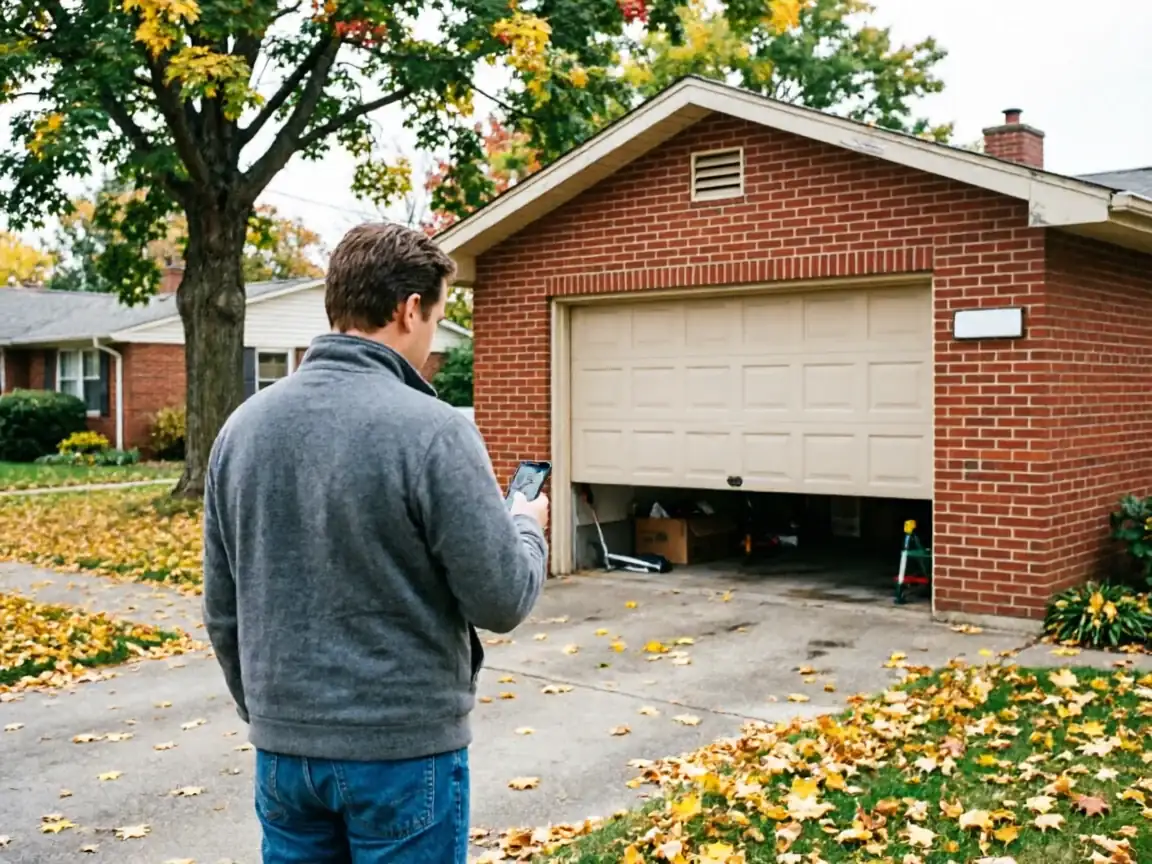
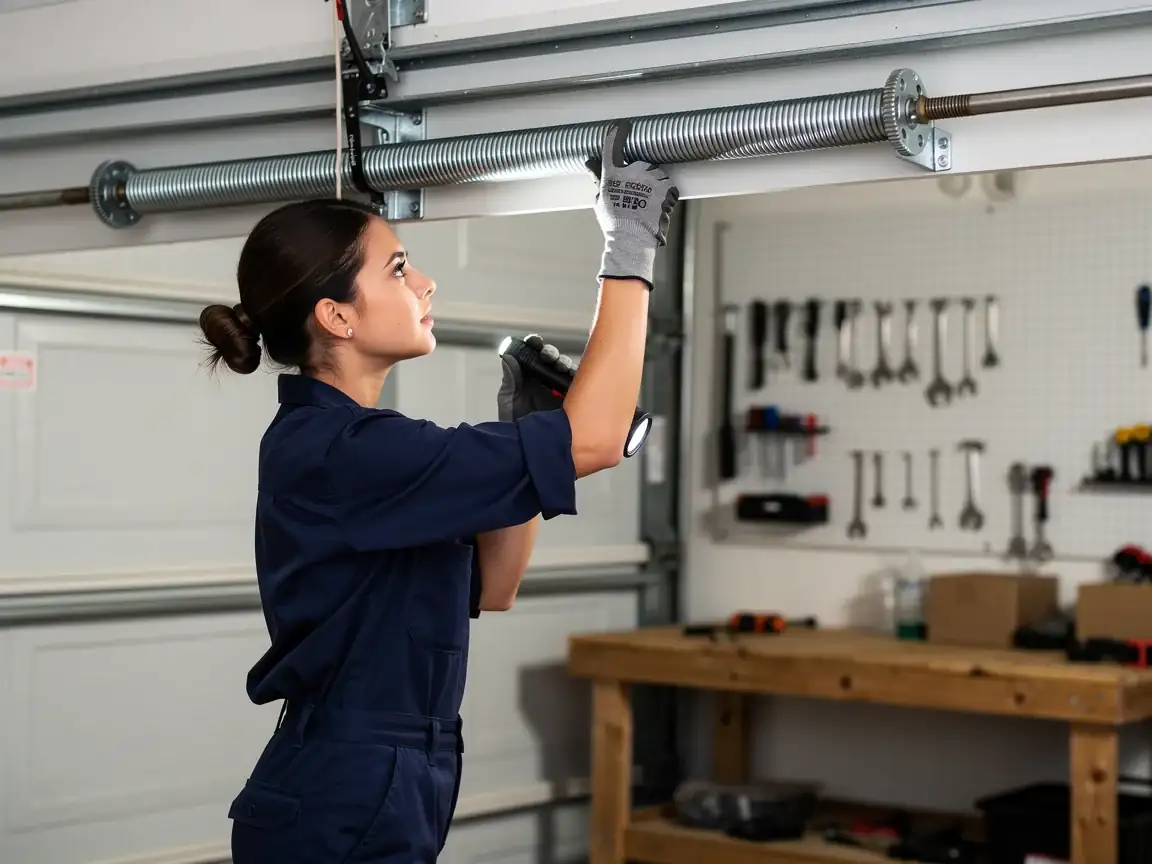
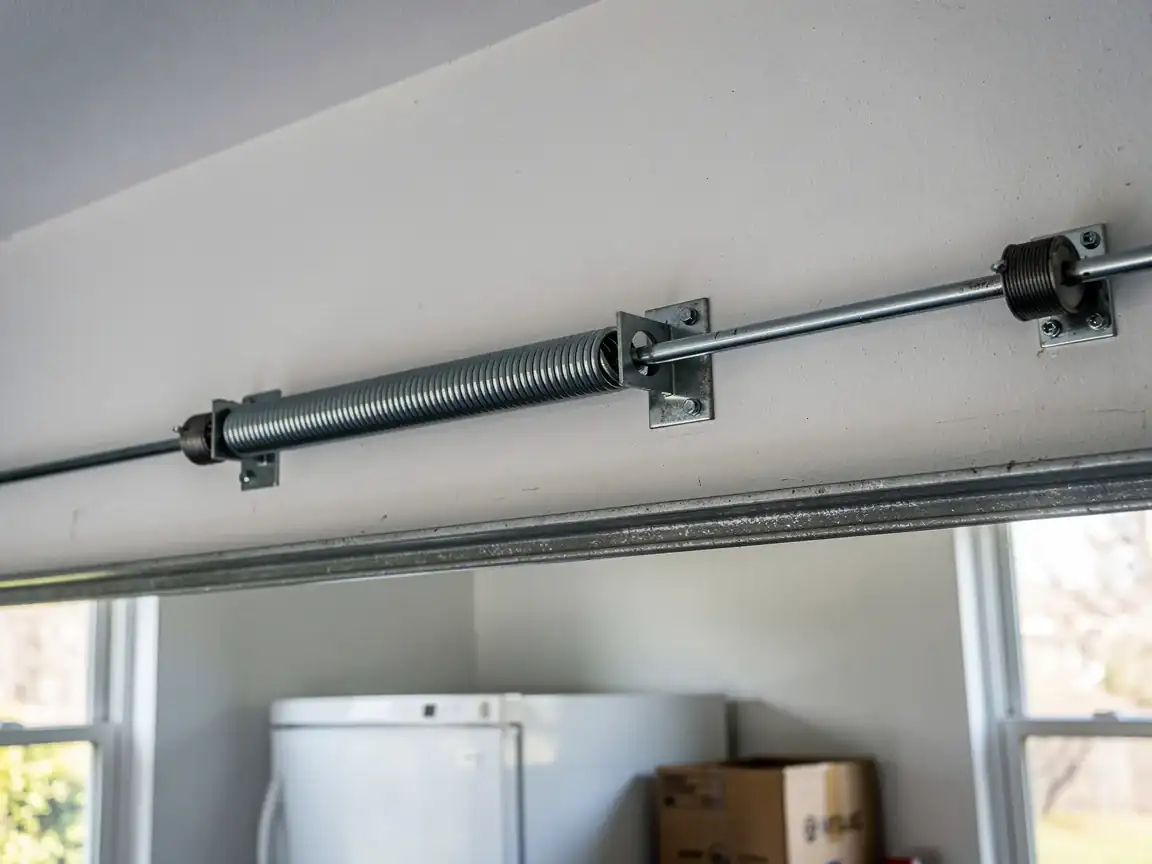
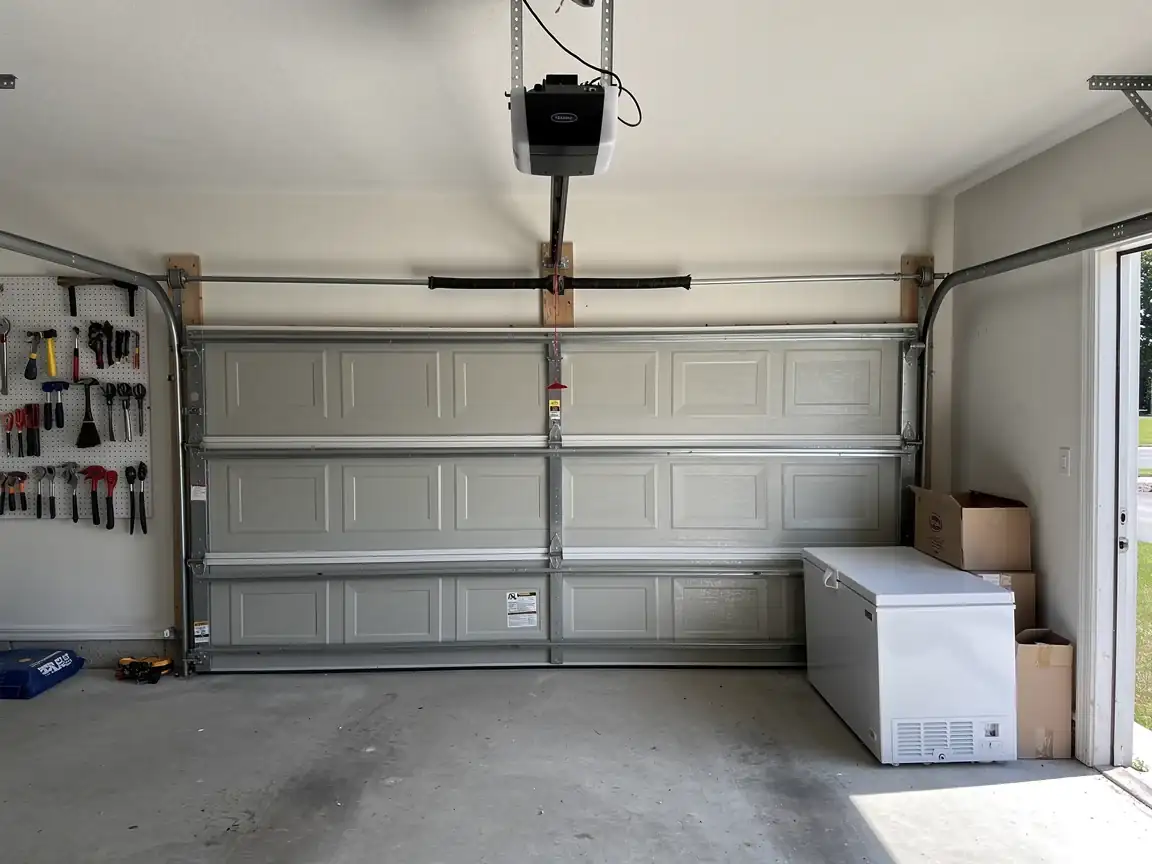
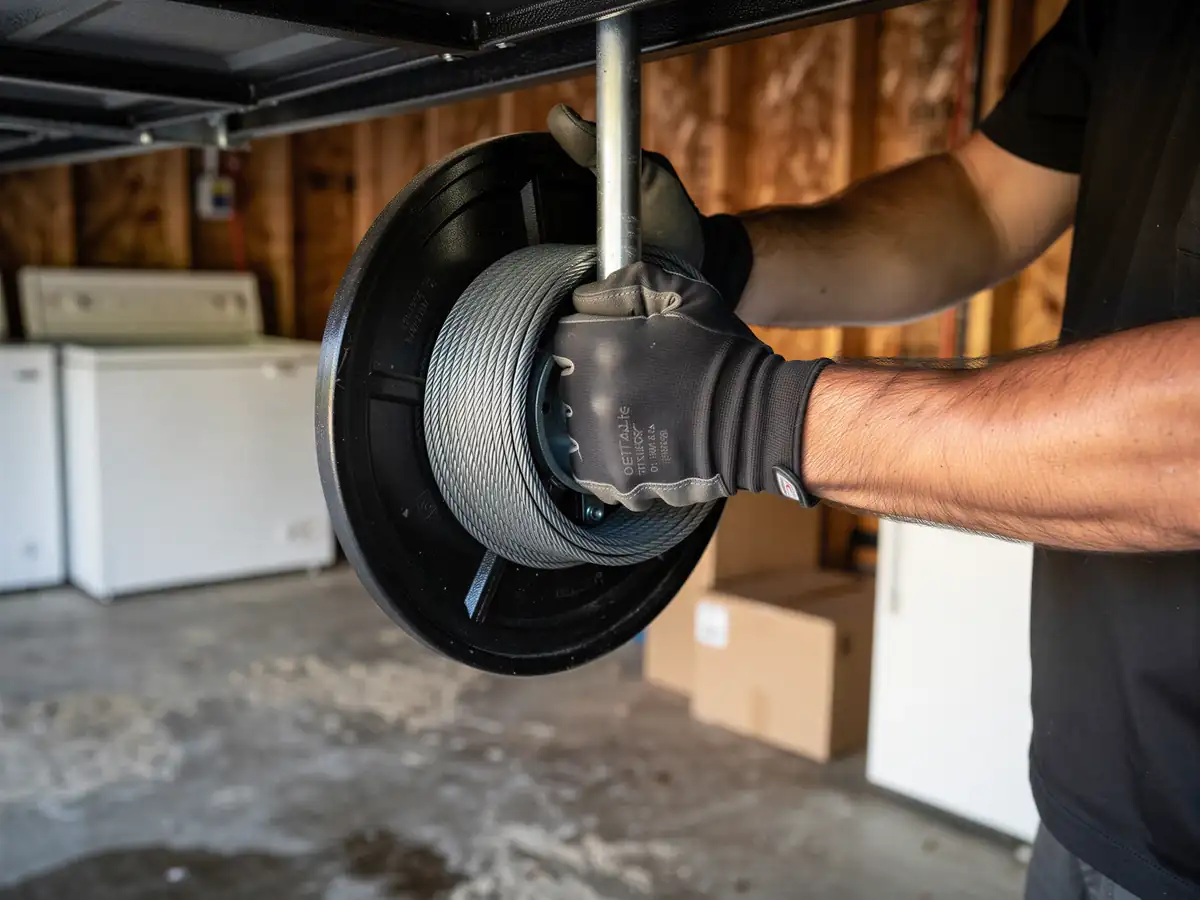
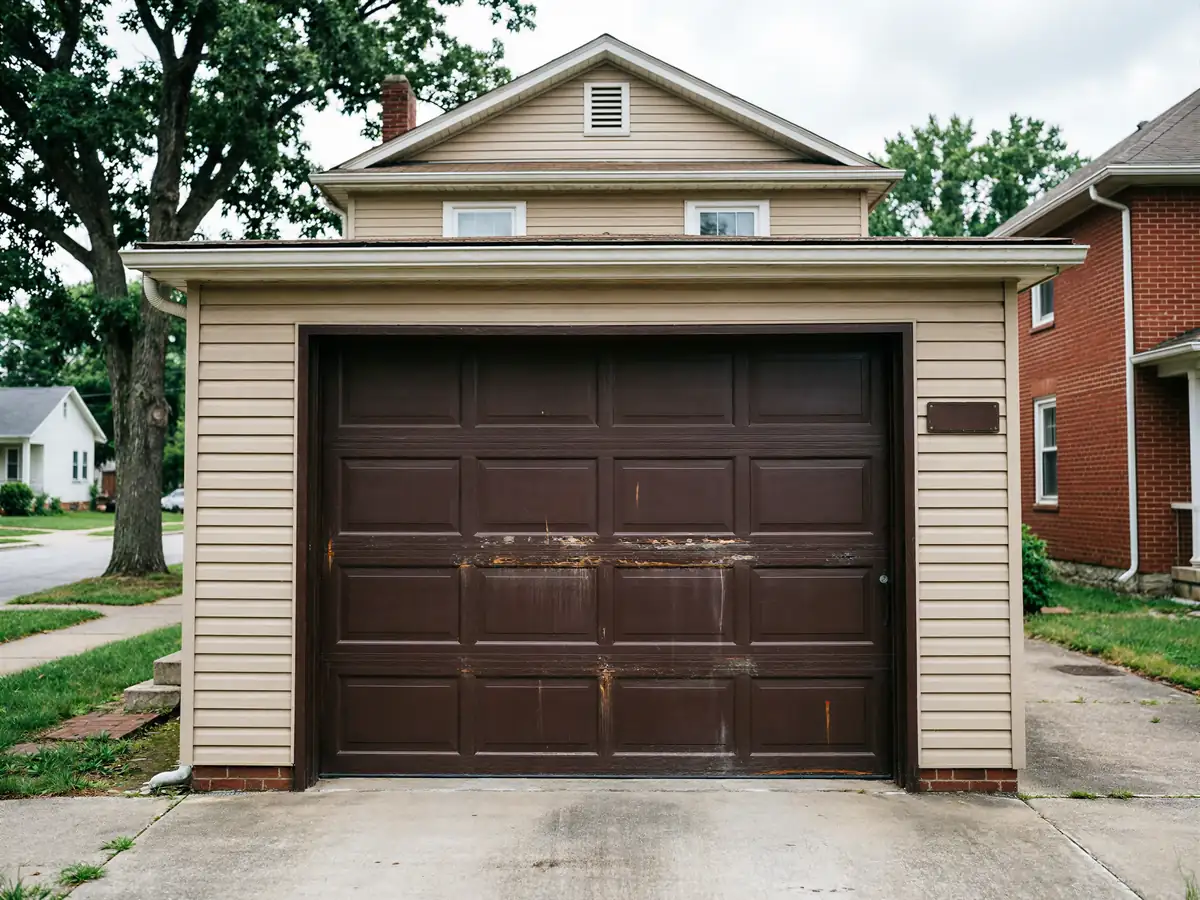
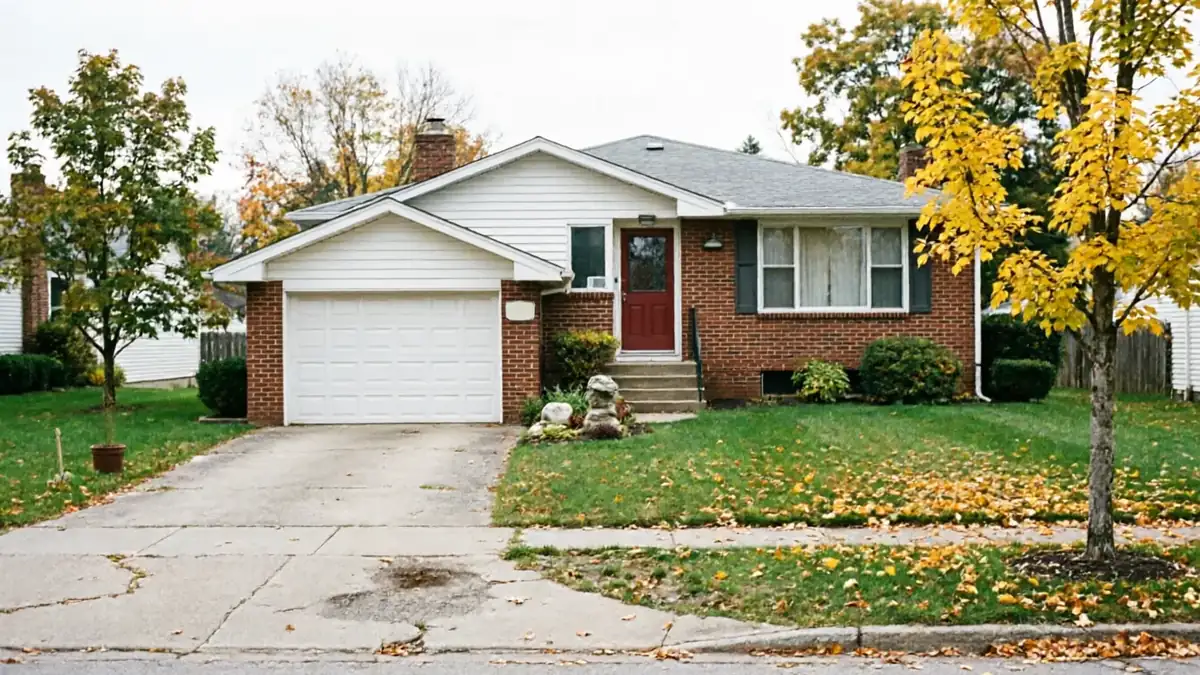
This region sits in a cold-severe climate band, and that matters more to a garage door than people expect. Steel loses some of its temper with repeated deep-cold cycling, and a torsion spring that's wound tight for two decades is exactly the kind of part that fails from fatigue rather than from one bad day. Add in the age of the housing stock - built mostly 1969 through 2006, median right around 1999 - and you've got springs, rollers, and cable that are old enough to be past any reasonable service life even without the cold working against them. Across the service area's roughly 8,064 owner-occupied houses, a large share still carry original hardware, not a replacement spring from five years ago. That's not a West Fargo problem or a Casselton problem specifically - it's a function of when this whole corridor was built and what winter does to steel. The same pattern shows up in Harwood, Horace, Mapleton, Argusville, and Kindred, because they went up in the same building era under the same weather.
How Long It Takes
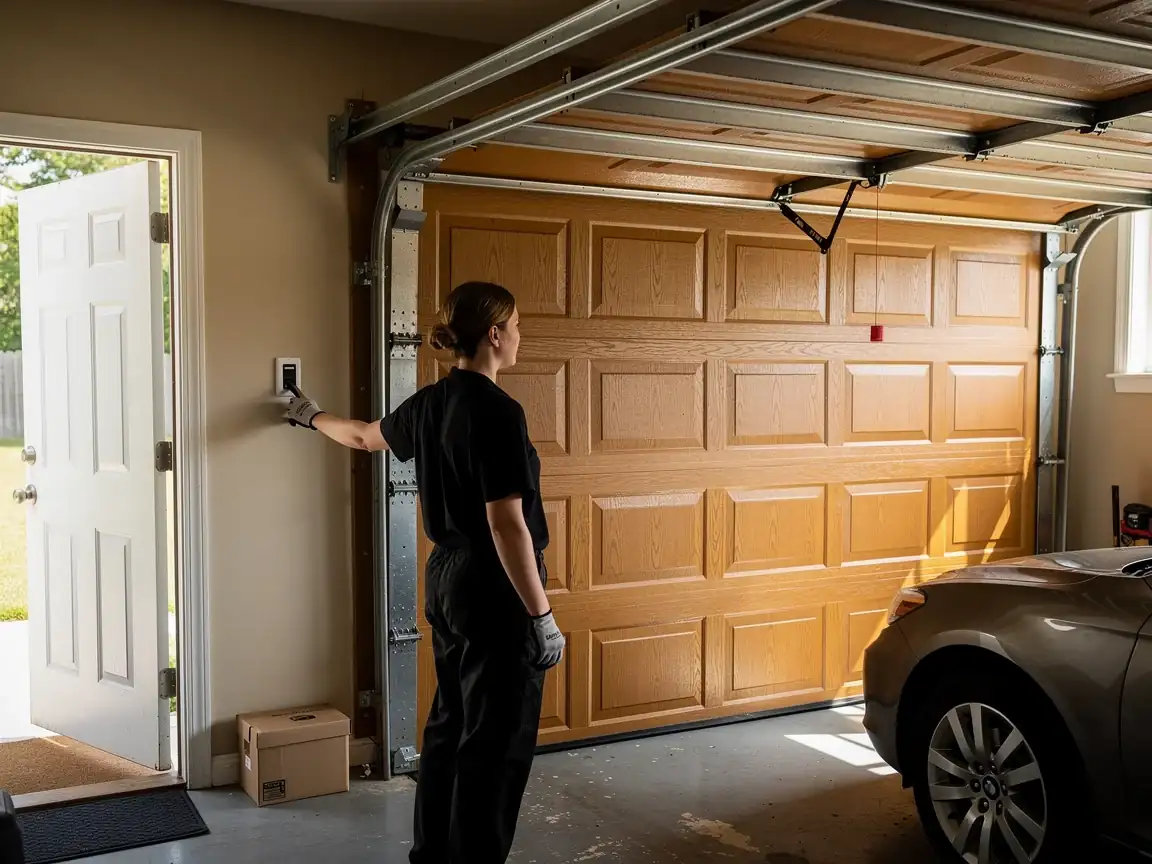
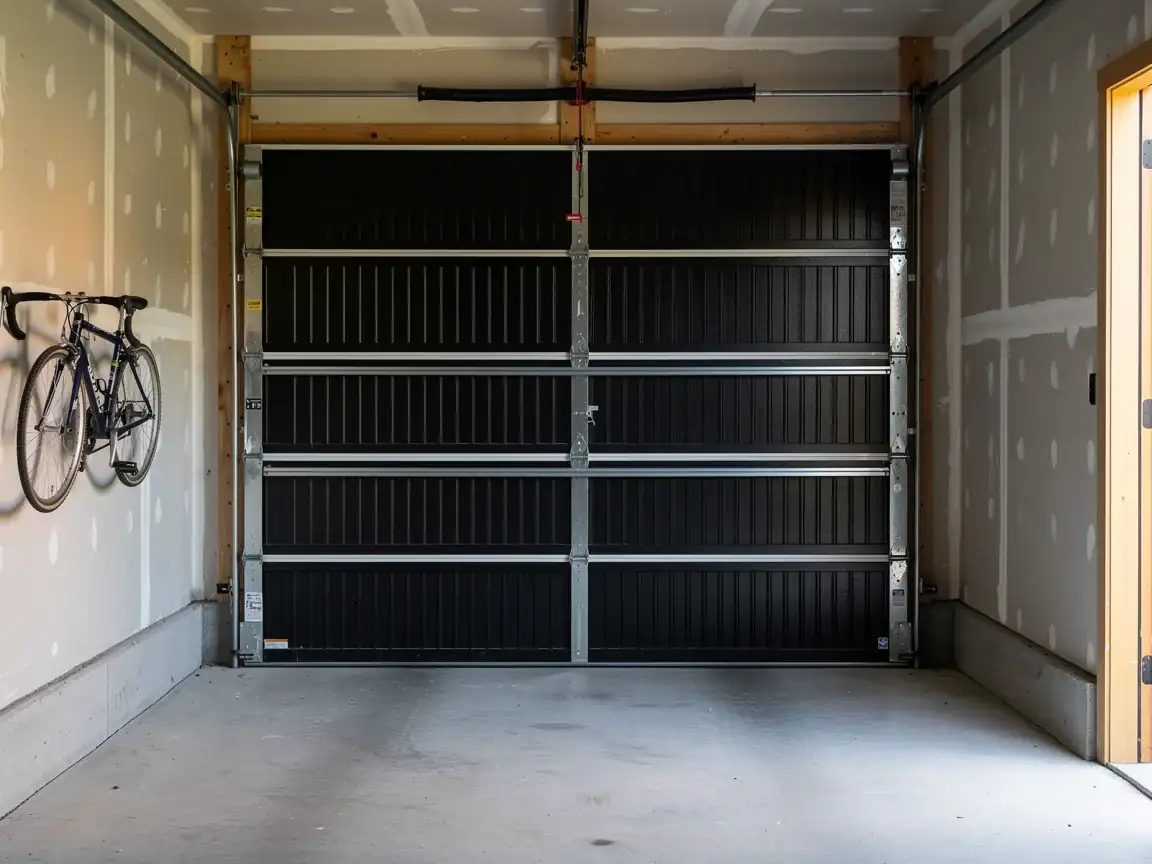
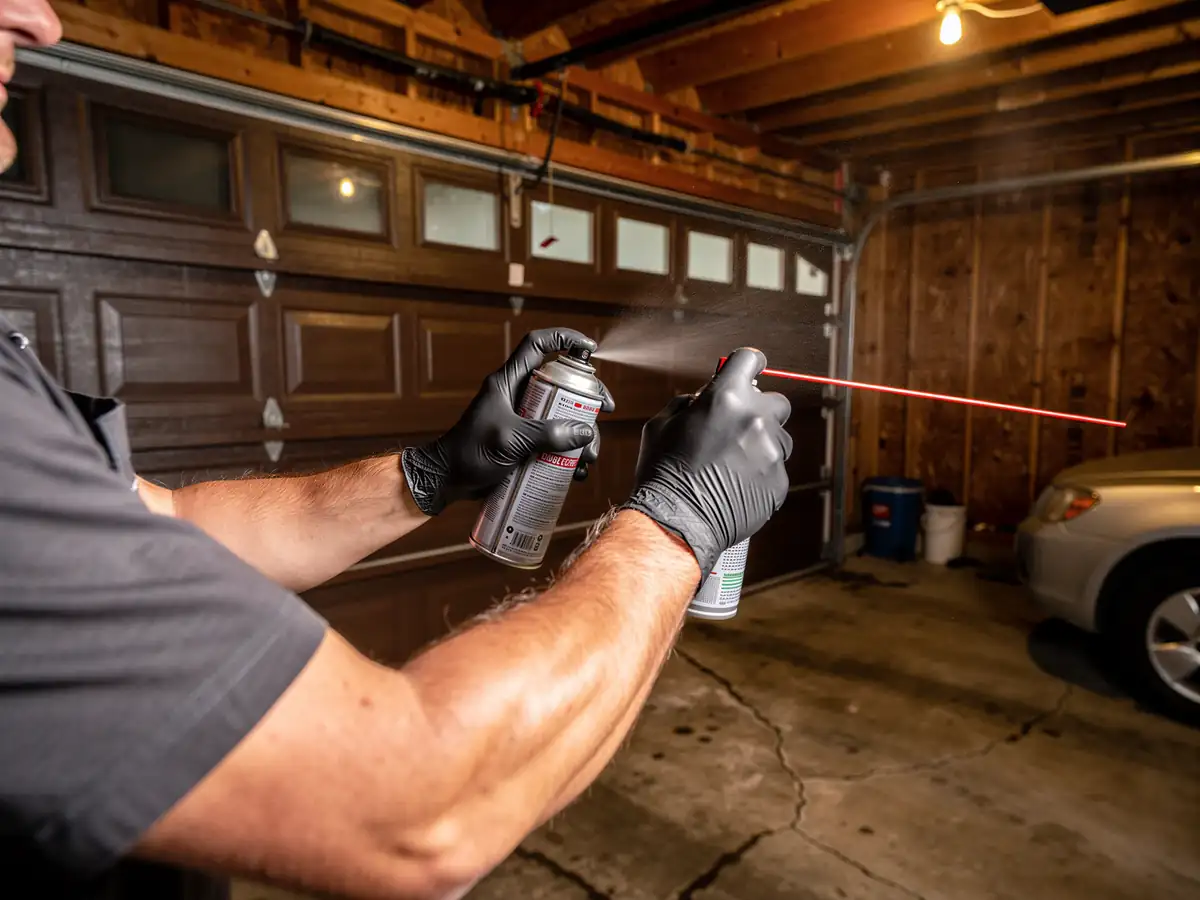
We don't have a posted response-time guarantee to quote you here, and we're not going to invent one just to sound reassuring. What we can tell you honestly: a straightforward broken spring on a standard double door is usually a same-visit fix once a truck is on site - it's not a parts-order job in most cases. A bent track, a snapped cable, or an opener that's burned out from fighting dead springs can add time, especially if a part has to be matched to an older, less common door. If your opener motor smells hot or the door came off one roller entirely, that's a different repair than a clean spring snap, and it's worth saying so up front instead of promising a fifteen-minute fix that isn't realistic for every situation.