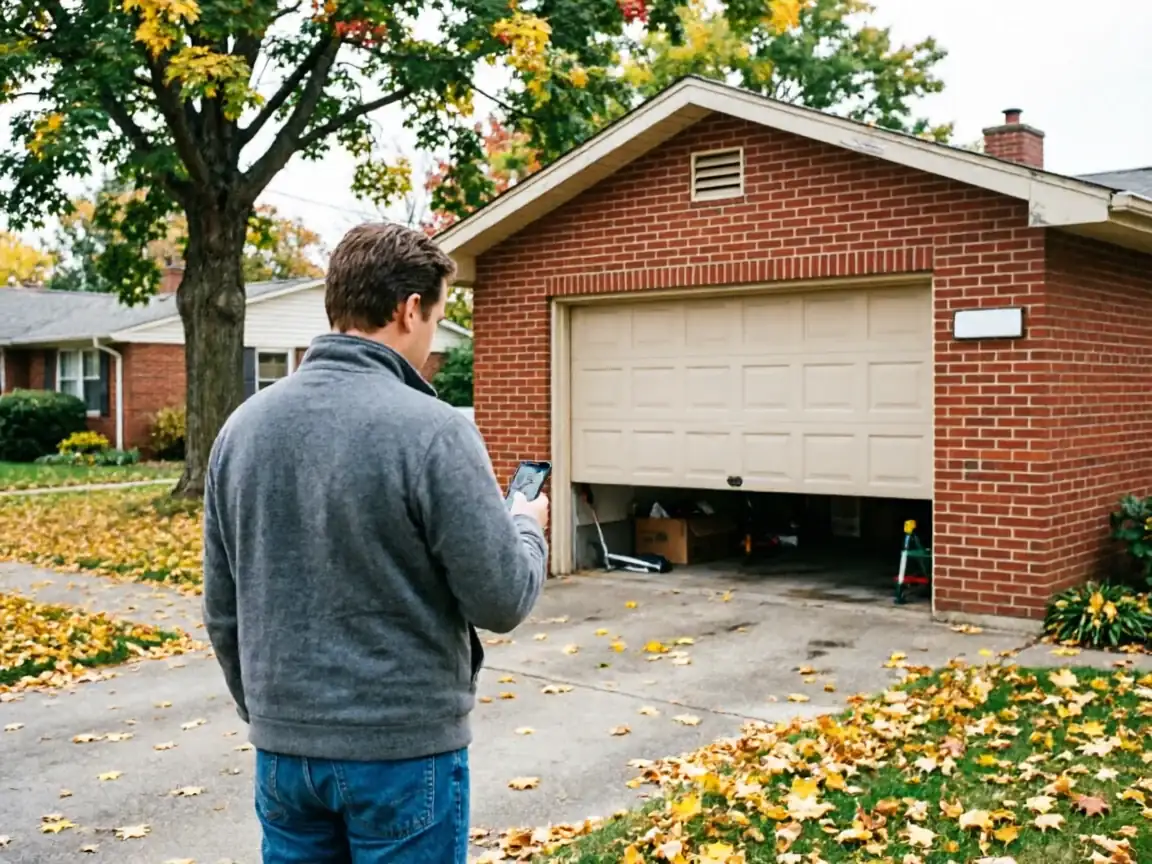
The Problem
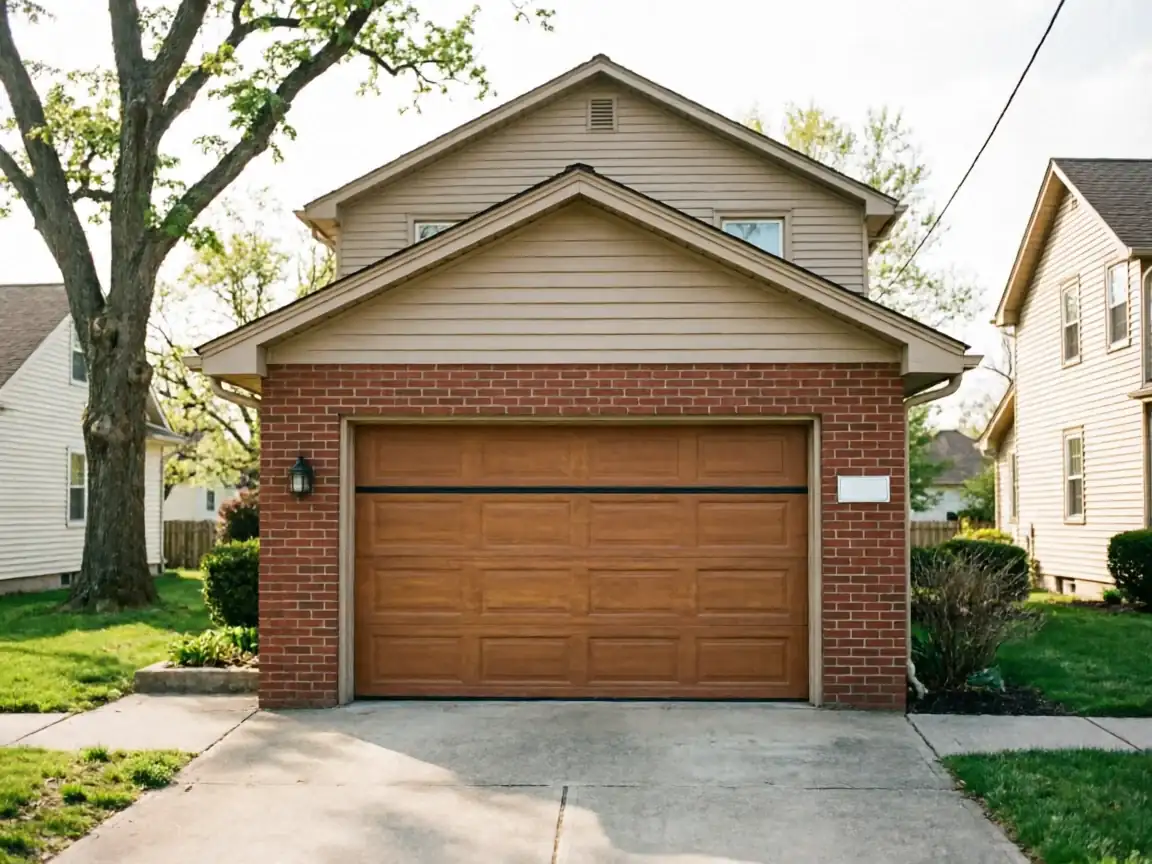
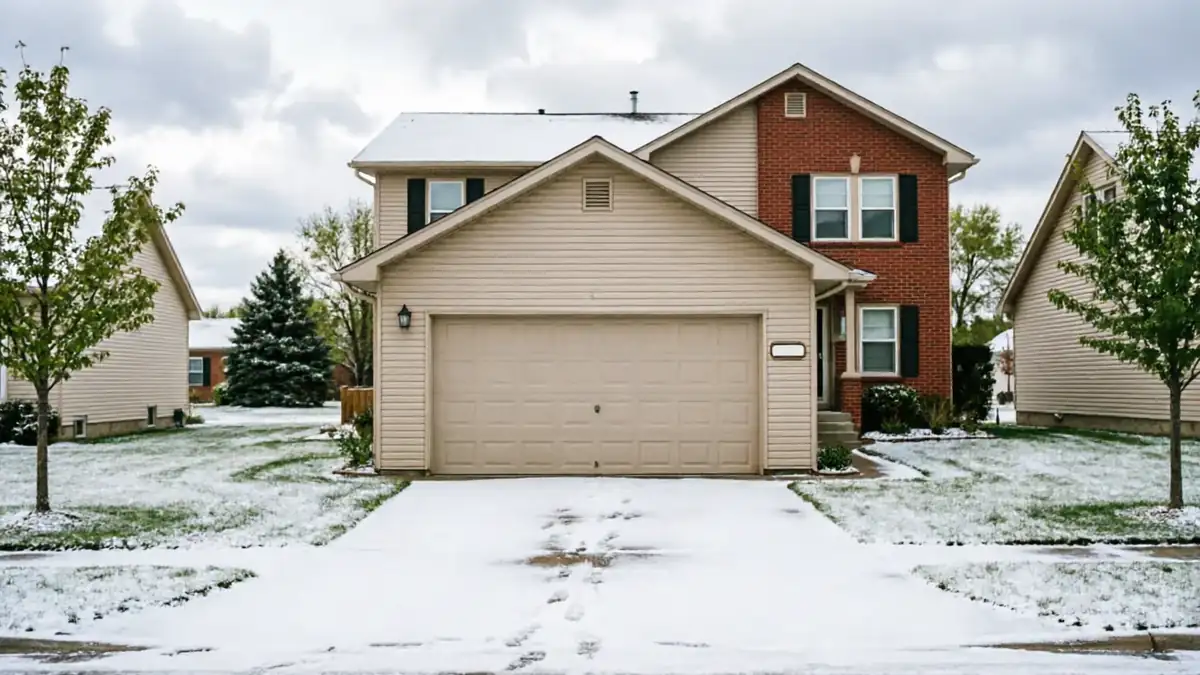
Most of the houses across this service area went up between 1969 and 2006
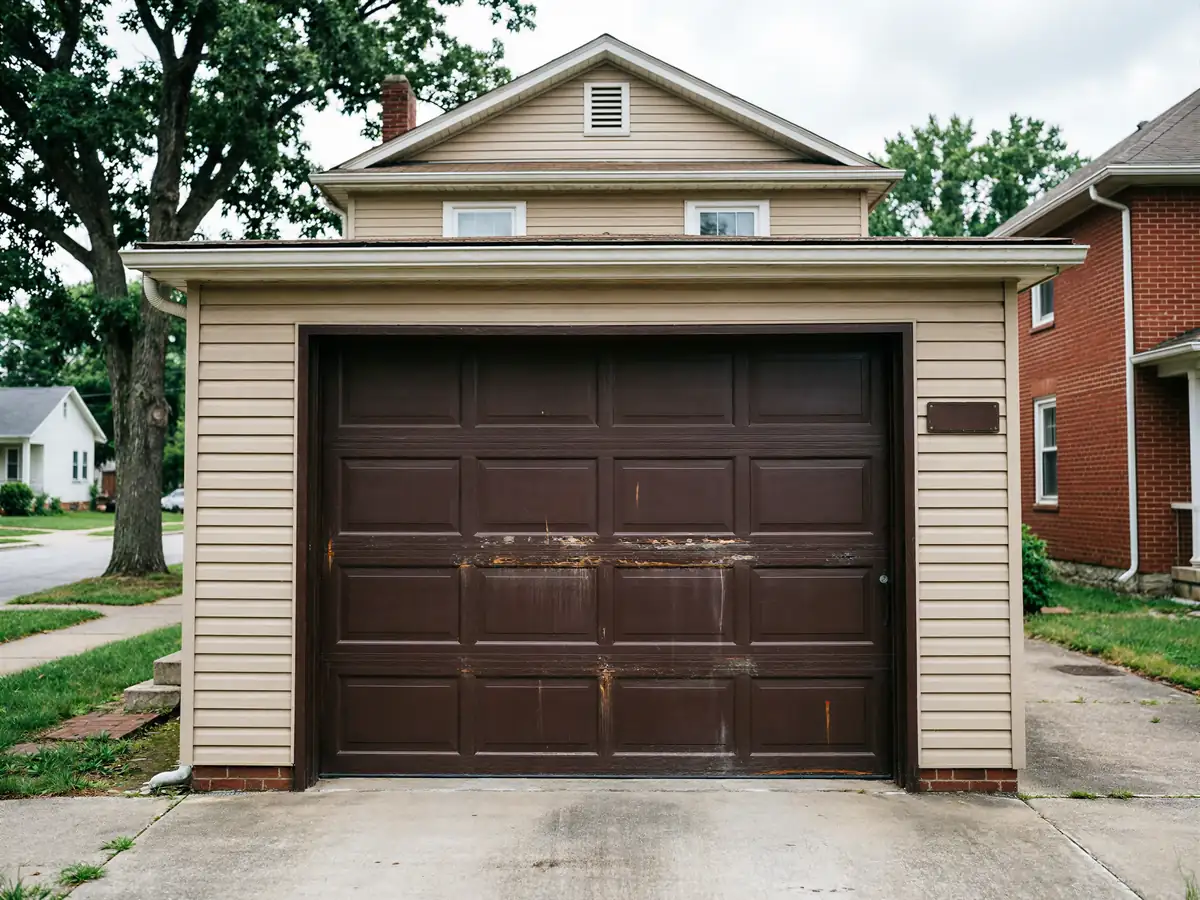
With the bulk of that stock dating to the 1980s and 90s across the seven areas we work in. That means a lot of original torsion springs are still hanging on doors they were sized for thirty or more years ago, in a climate that treats steel differently than it did when they were wound.
A torsion spring loses tension every time it cycles
And cold makes the metal more brittle on top of that. In a severe cold climate like ours, the failure doesn't creep up - it happens on the coldest morning of the week, usually right when you're trying to leave for work. The spring doesn't weaken gradually and give warning. It's under full tension one day and snapped the next, and on a 1980s steel door that's heavier than modern insulated panels, a broken spring means the opener is trying to lift dead weight it was never built to carry alone.
This isn't a defect in the door
It's thirty-plus winters finally catching up to a part with a service life, in a region where that life gets used up faster than it would somewhere milder.
What Most People Get Wrong
The common mistake is assuming the opener is broken when the spring goes. The opener motor is small - it was only ever meant to guide a door that the spring does the actual lifting for. When a spring breaks in cold weather, people hear the motor straining, see the door stop halfway, and replace or service the opener first. That's money spent on the wrong part.
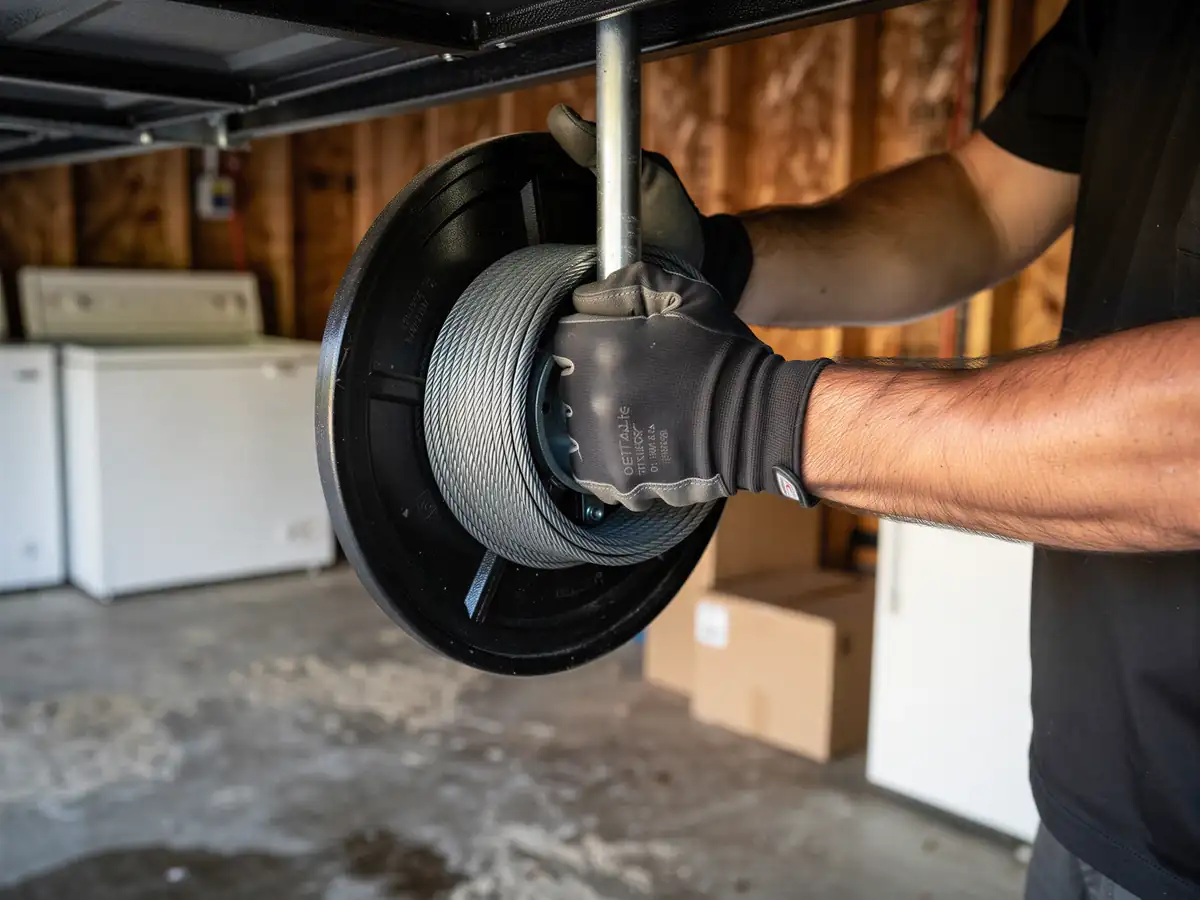
The second mistake is specific to houses from this build era: owners assume any spring will fit because the door looks standard. Torsion springs are wound and sized to the door's actual weight and the drum they sit on, and a lot of 1980s and 90s doors here have combinations that don't match what's sold off the shelf today. Getting the wrong spring on means the door either won't balance right or burns through the new spring twice as fast as it should have.
The third mistake is waiting. A spring that's visibly stretched or has a gap at one of the coils isn't going to heal itself over a warmer week. In a severe cold climate the cycle count to failure keeps dropping once a spring starts showing stress, and most of them let go without a second warning.
What Local Conditions Do
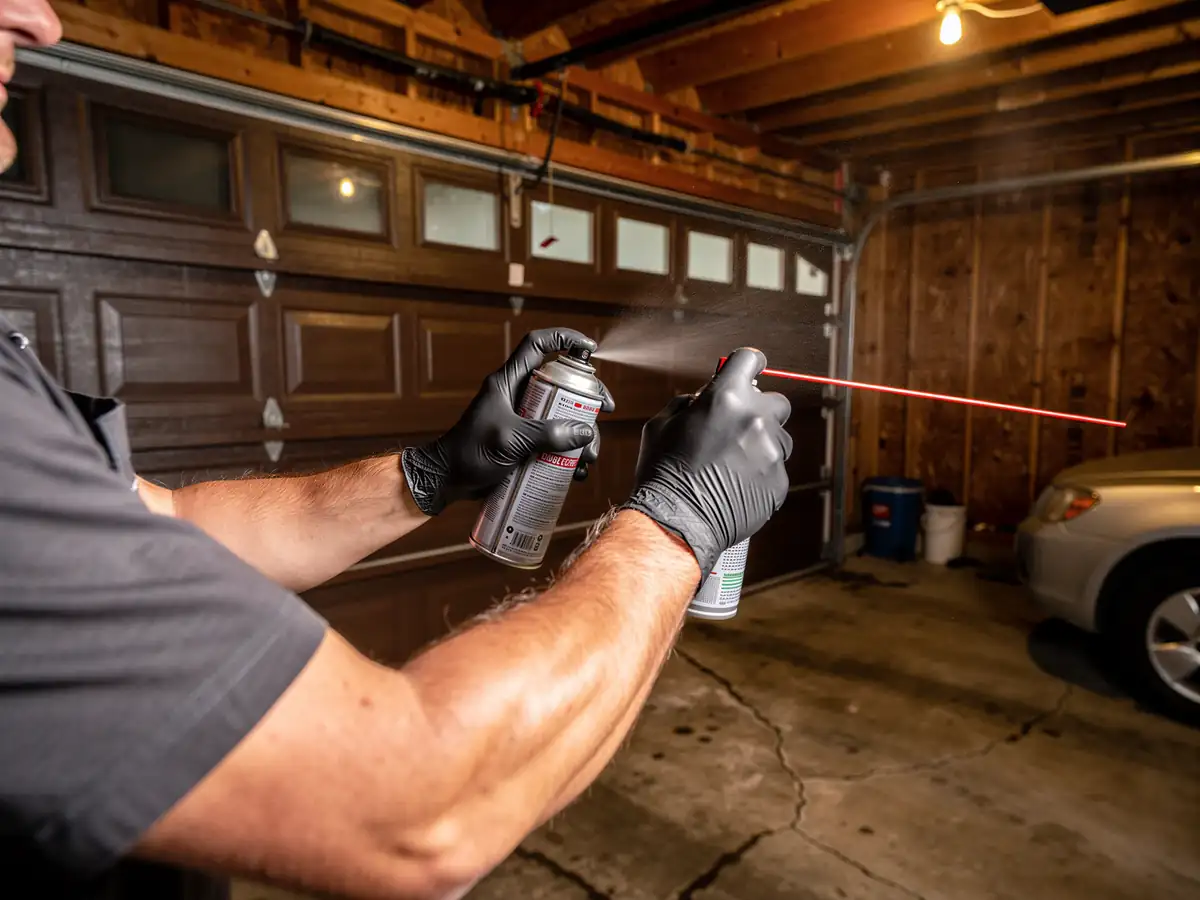
Cold does two separate things to a garage door system, and both matter more here than in a mild climate. First, the steel in the spring and the torsion bar contracts, which changes how much force is needed to lift the door through its full cycle - more than the spring was tuned for at installation. Second, grease and lubricant inside the opener's gear housing and on the track thickens in severe cold, adding drag right at the moment the spring has the least margin left to work with.
For the roughly 8,064 owner-occupied houses in this area, most built in that 1969-2006 window, this plays out the same way winter after winter: the door that worked fine in October starts groaning in December, and by the hardest cold snap of January it's the spring that goes. It's not bad luck tied to one house. It's the predictable result of original hardware meeting a climate band this severe, year after year, until something gives.
The fix isn't exotic. It's matching the replacement spring to the door's actual weight and this climate's demands, not just grabbing whatever's the same size as what broke.
Checking It Yourself
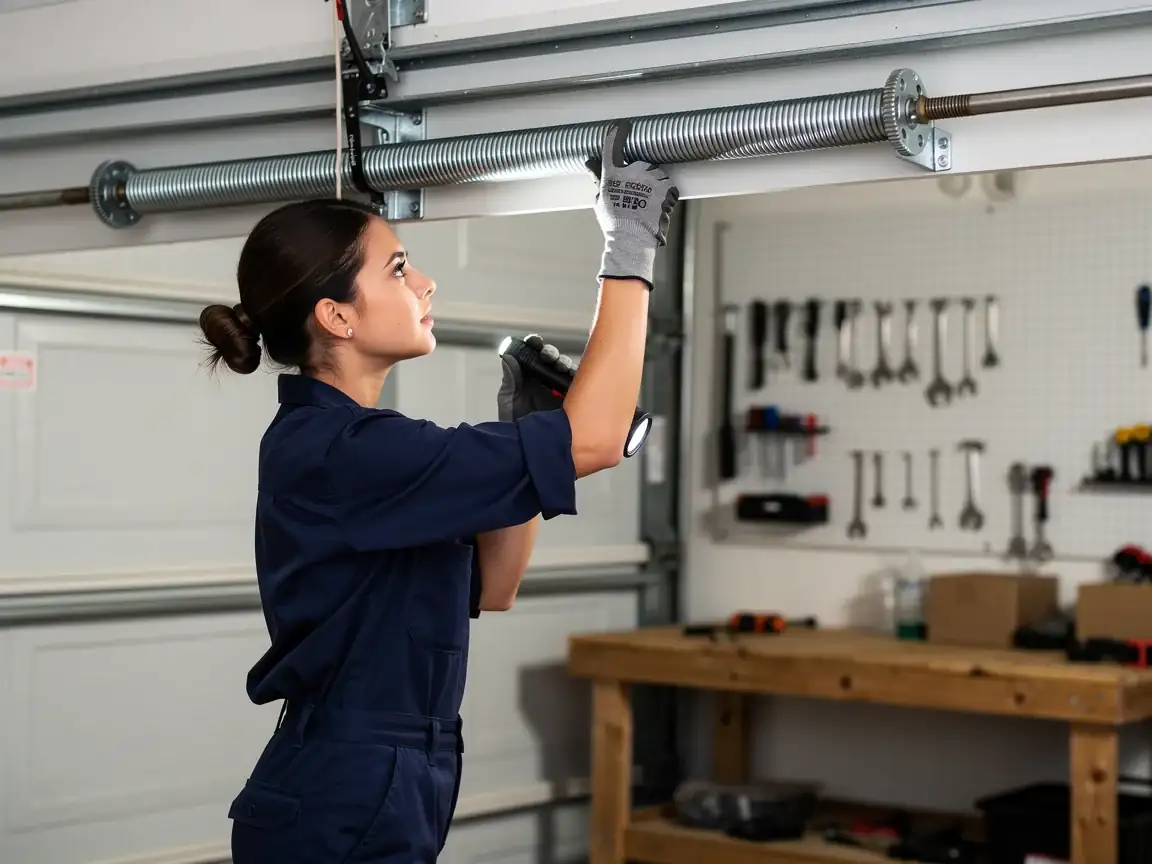
Before you call anyone, look at the spring itself
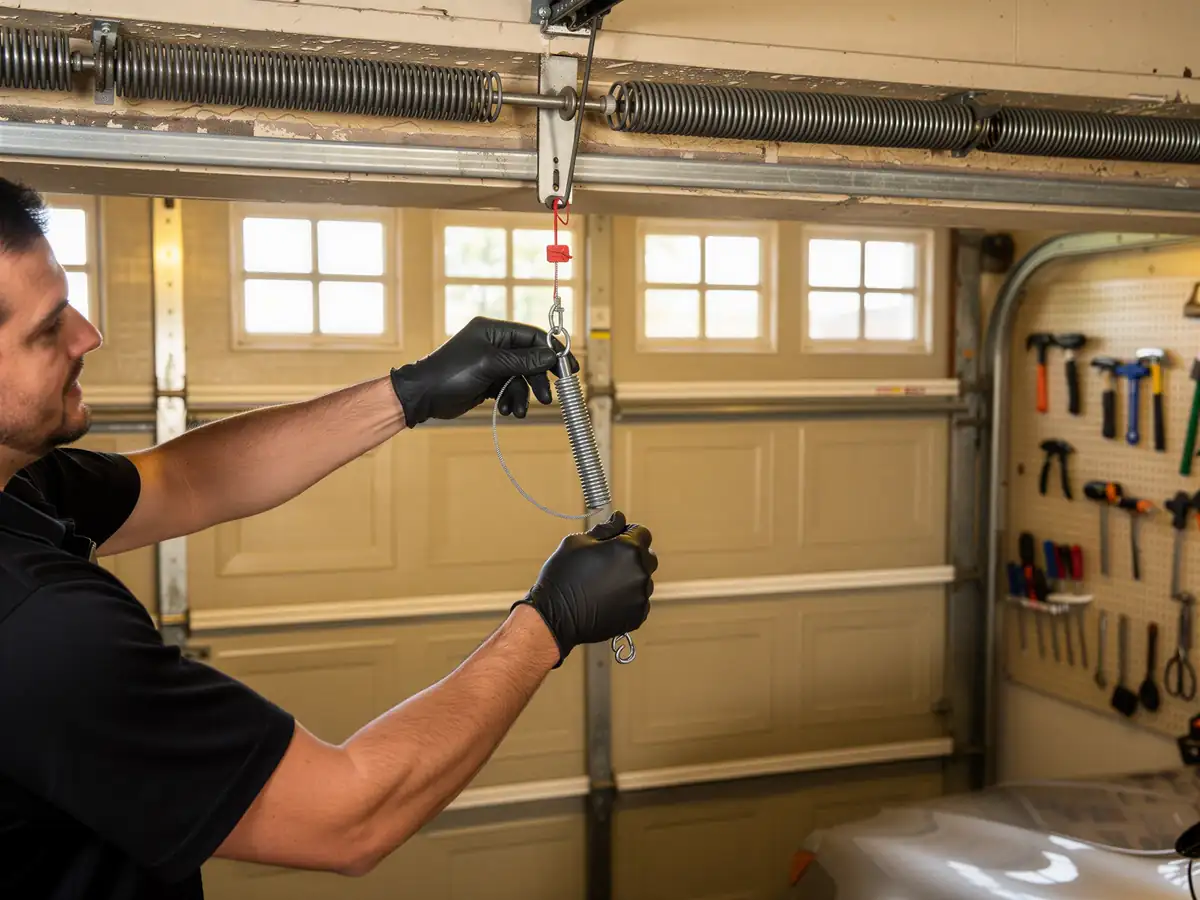
It sits above the door on the horizontal bar. A separation in the coil, visible rust pitting, or a spring that looks stretched compared to its neighbor on a double-spring setup are all signs it's near the end. Don't try to wind or unwind it yourself; that bar is under enough tension to cause real injury, and that part of the job isn't a DIY project regardless of how simple the rest of your maintenance routine is.
What you can safely check
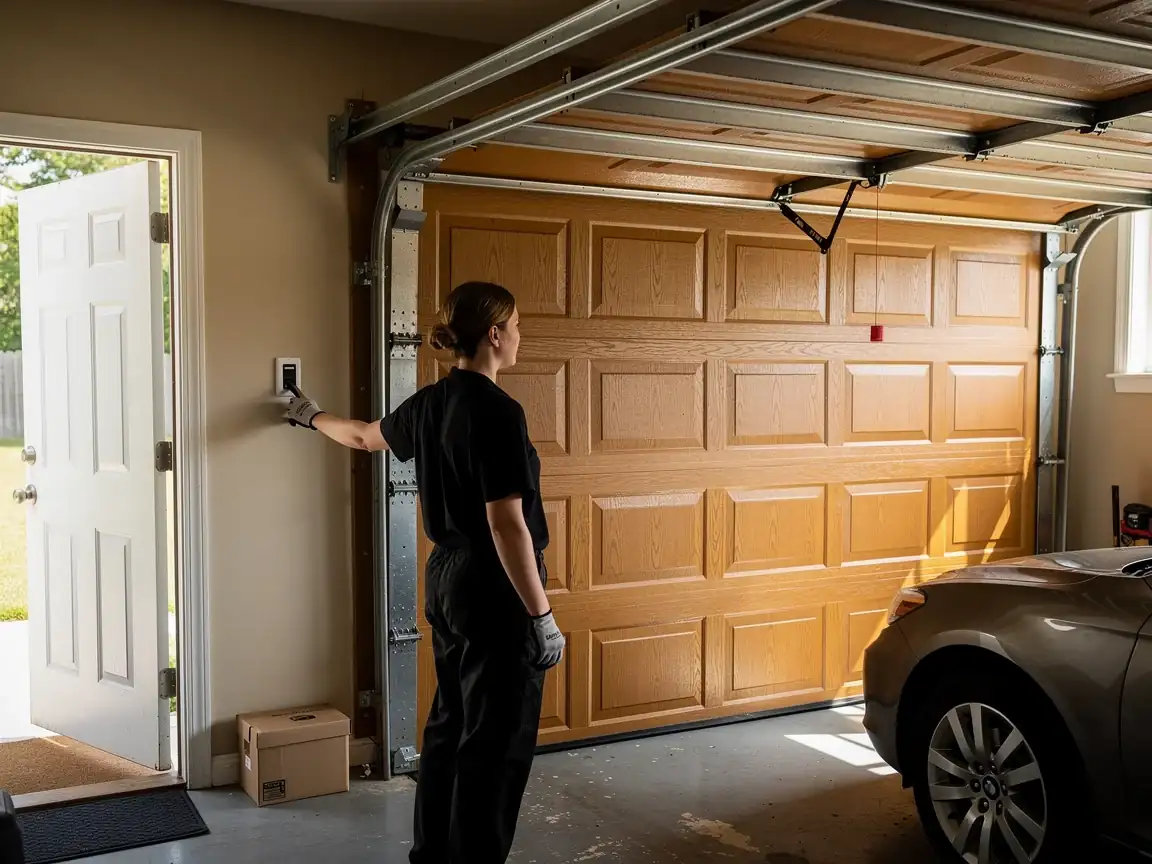
Pull the manual release and see if the door is heavy or uneven lifting it by hand with the opener disconnected. A door that feels noticeably heavier on one side, or that won't stay up on its own partway, is telling you the spring has already lost tension, cold weather or not.
If the door is original to a house built in that 1969-2006 range and you've never had the spring replaced
Cold weather is the stress test it eventually fails, not a cause on its own.