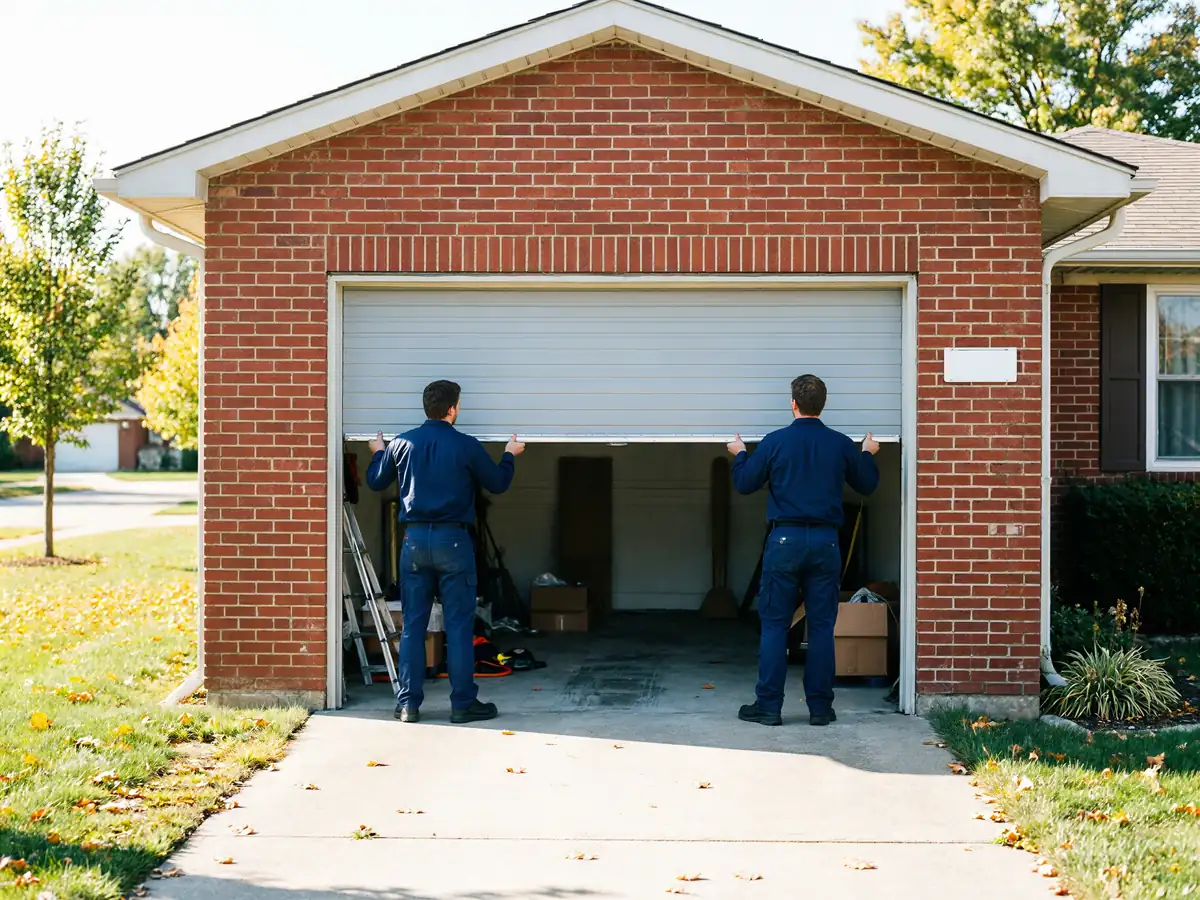
The Symptom
Kindred sits seventeen miles out from Fargo
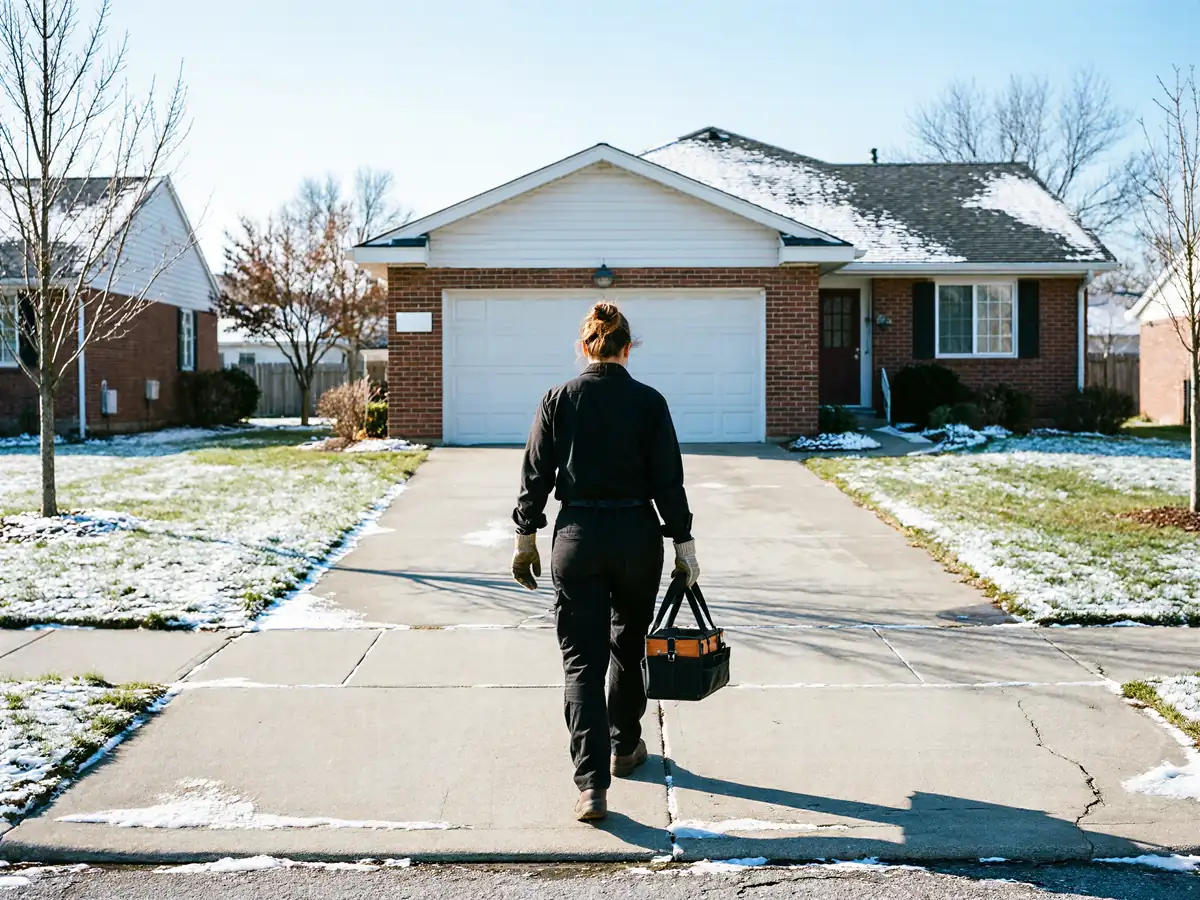
Which changes how an install call works before we even get to the door. We're not swinging by on the way to another job - a Kindred install is its own trip, so we load the truck for that one door: opener, track, torsion hardware, weatherseal, the works, because there's no quick second run back to the shop if something's missing.
What we find once we're there usually traces back to the same thing
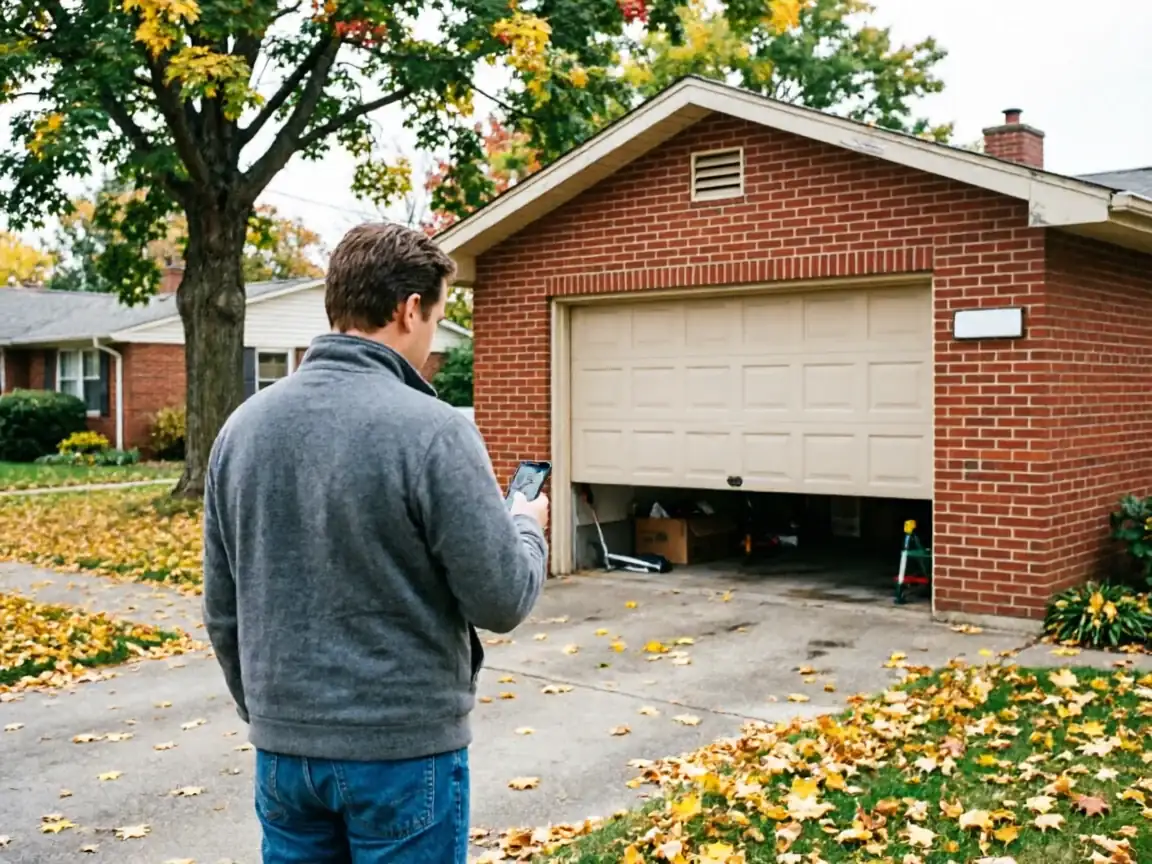
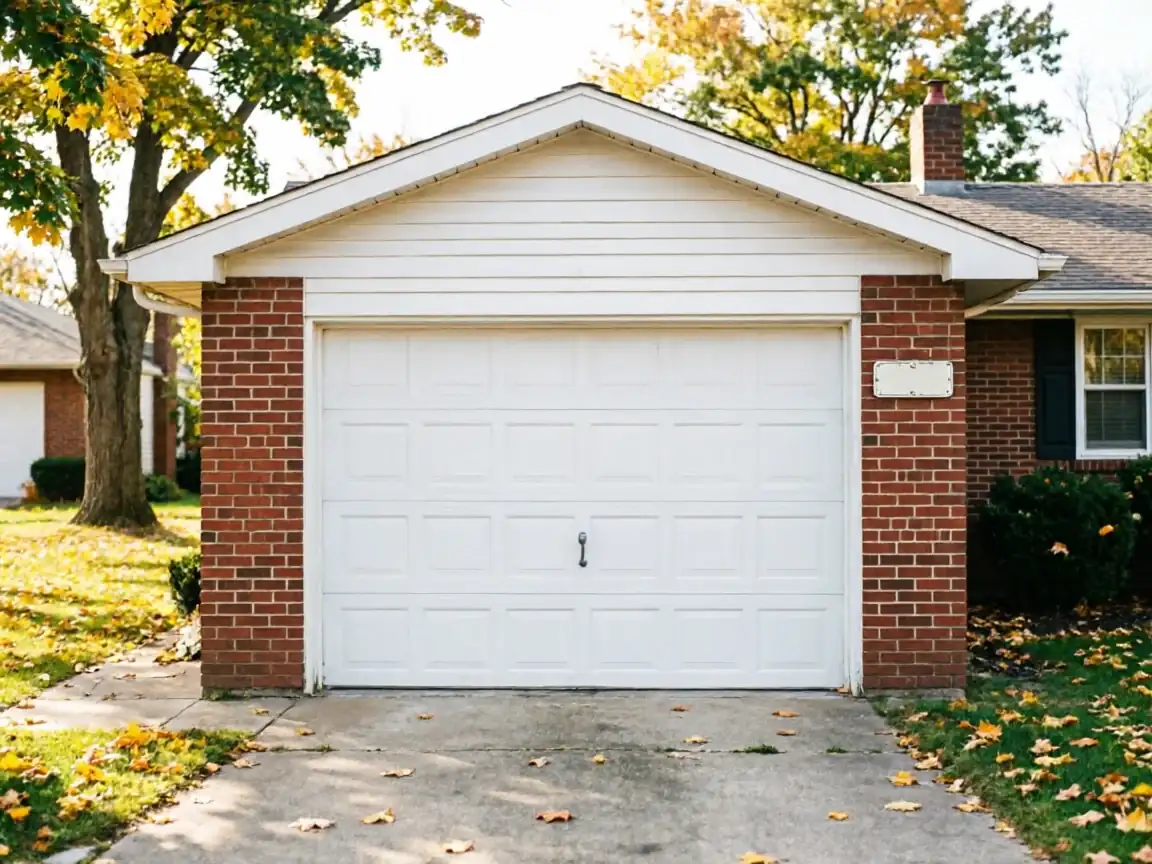
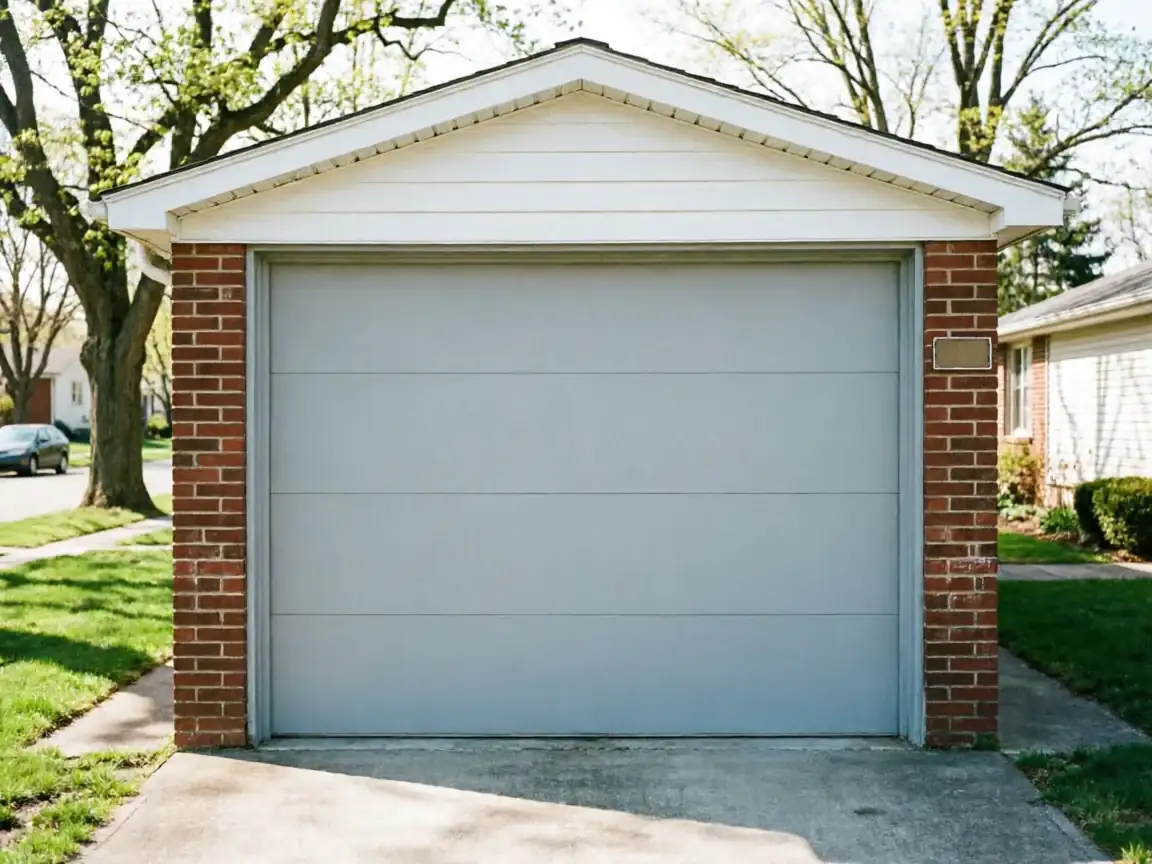
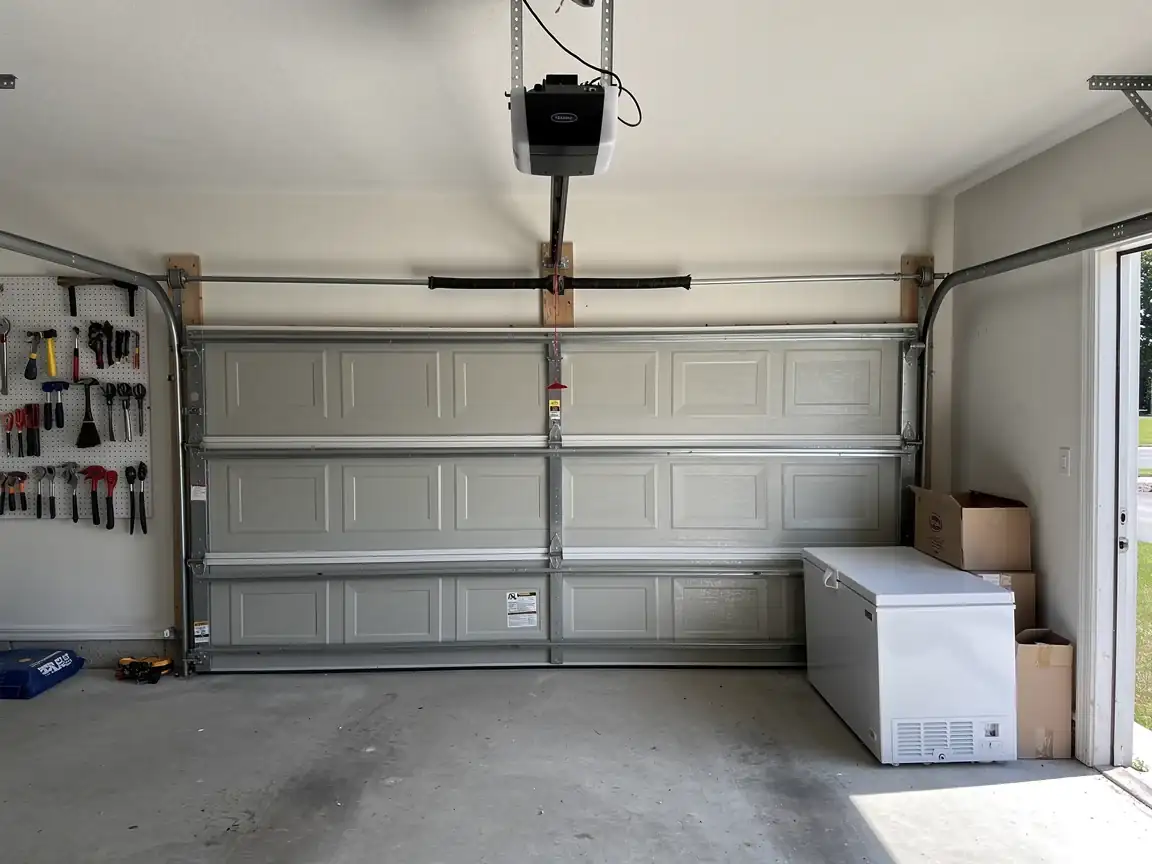
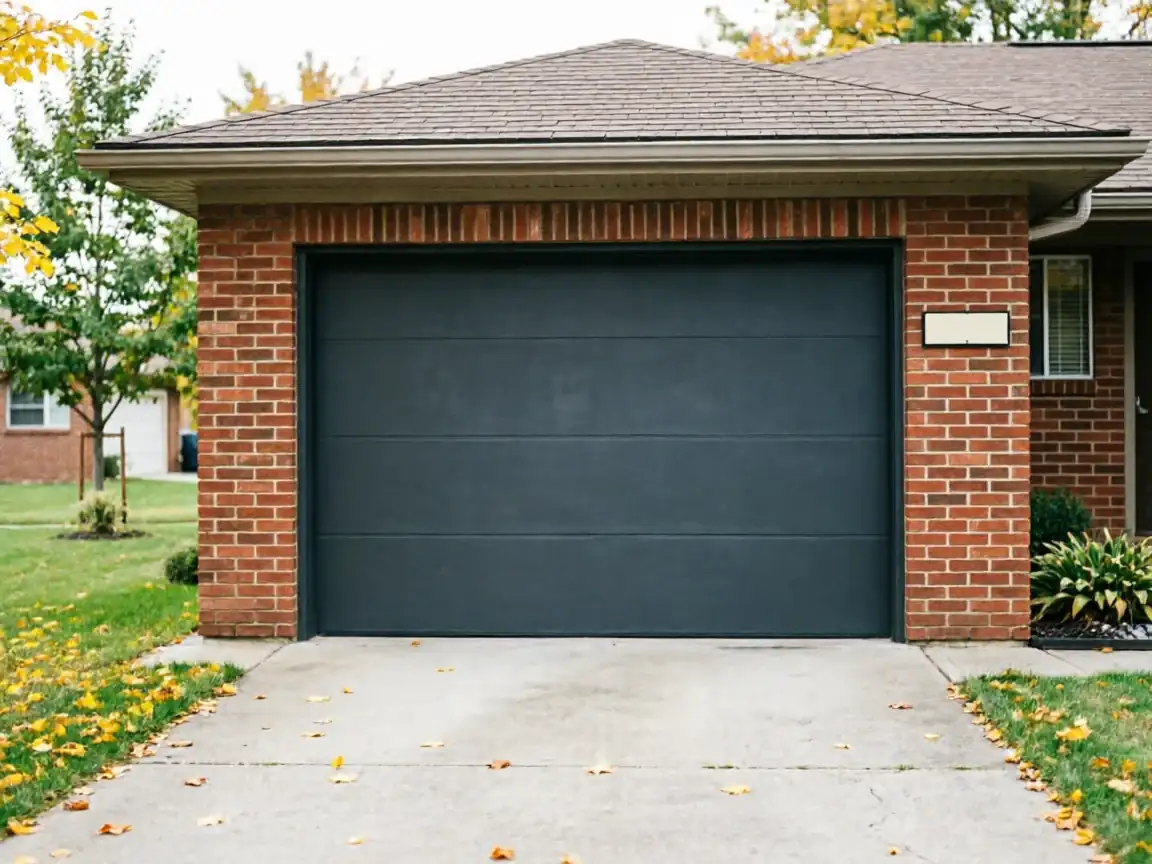
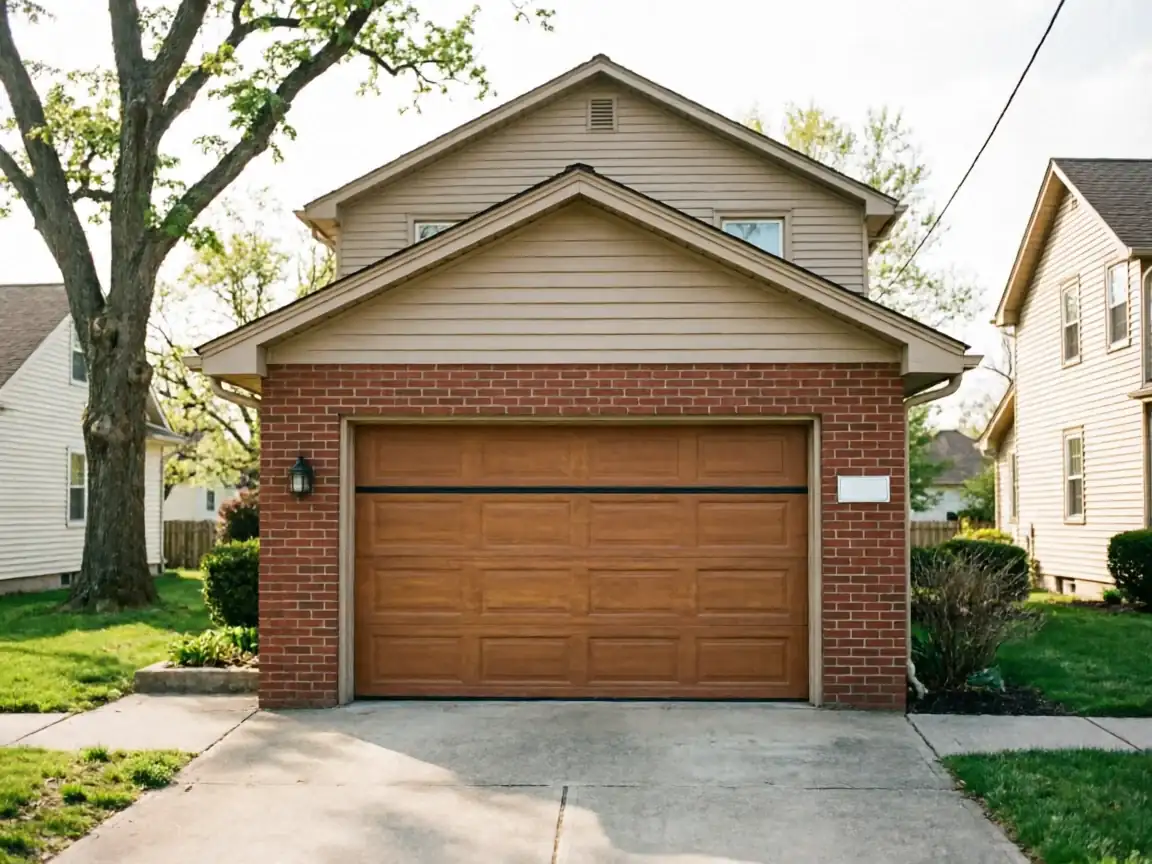
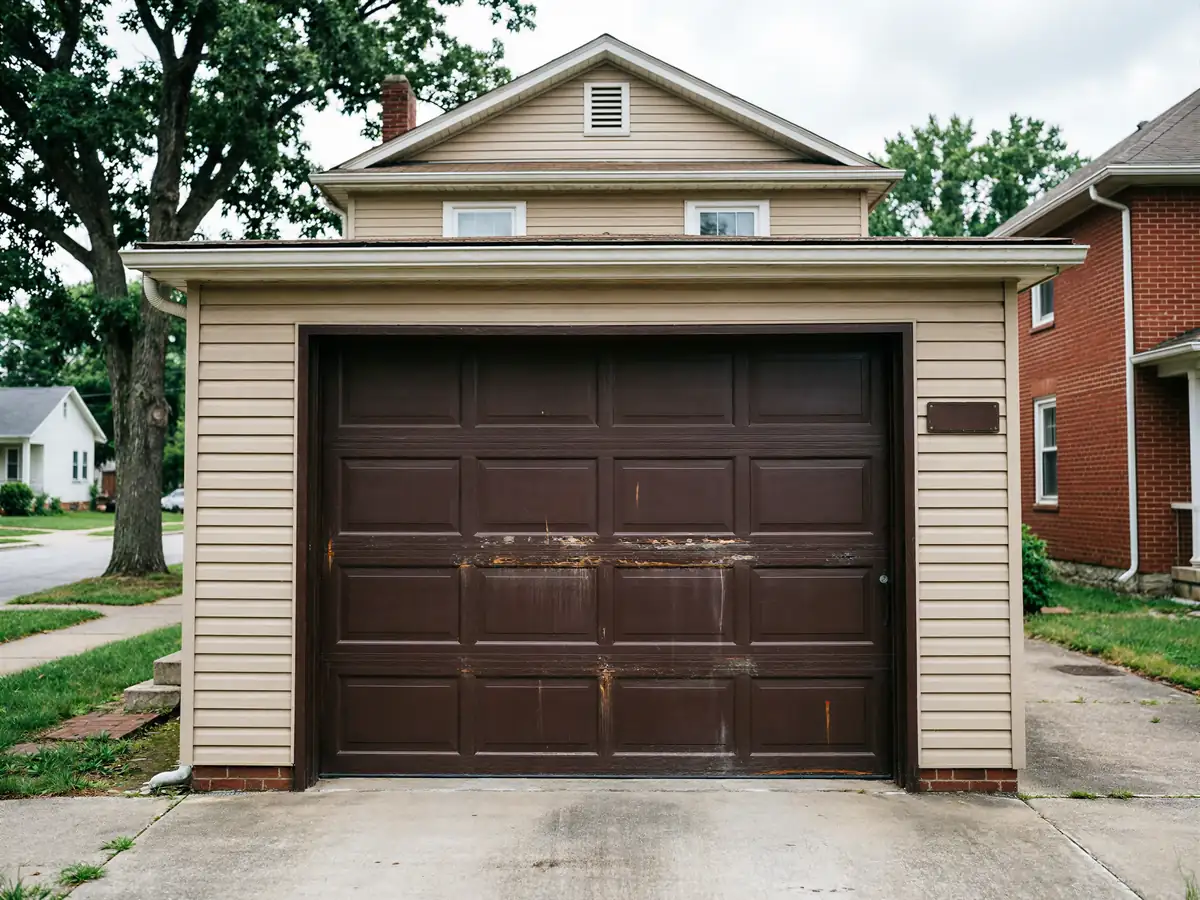
Houses in Kindred mostly went up around 1969, a good thirty years older than the median build year across the wider service area. A door from that era wasn't built for the cold-severe climate band this region sits in - thin panel, no thermal break, a seal that's long past doing its job. So the symptom isn't always a dead opener or a snapped spring. Often it's a door that still opens and closes fine but lets a draft straight into the garage, or a frame that's shifted just enough that a straight off-the-shelf replacement won't sit right without some adjustment to the track and jamb.
That combination - older opening, harsher winters, a single trip out
Is what shapes the job, not a generic "install a new door" checklist.
What the Repair Takes
First step on site is measuring the actual opening, not assuming it matches a current builder-grade size. With 309 households in Kindred, the stock here runs small and consistent for its era, which helps - we've usually seen the opening width before - but "usually" isn't "always," and a 1969 frame can be out of square in ways a 1999 or newer one typically isn't.
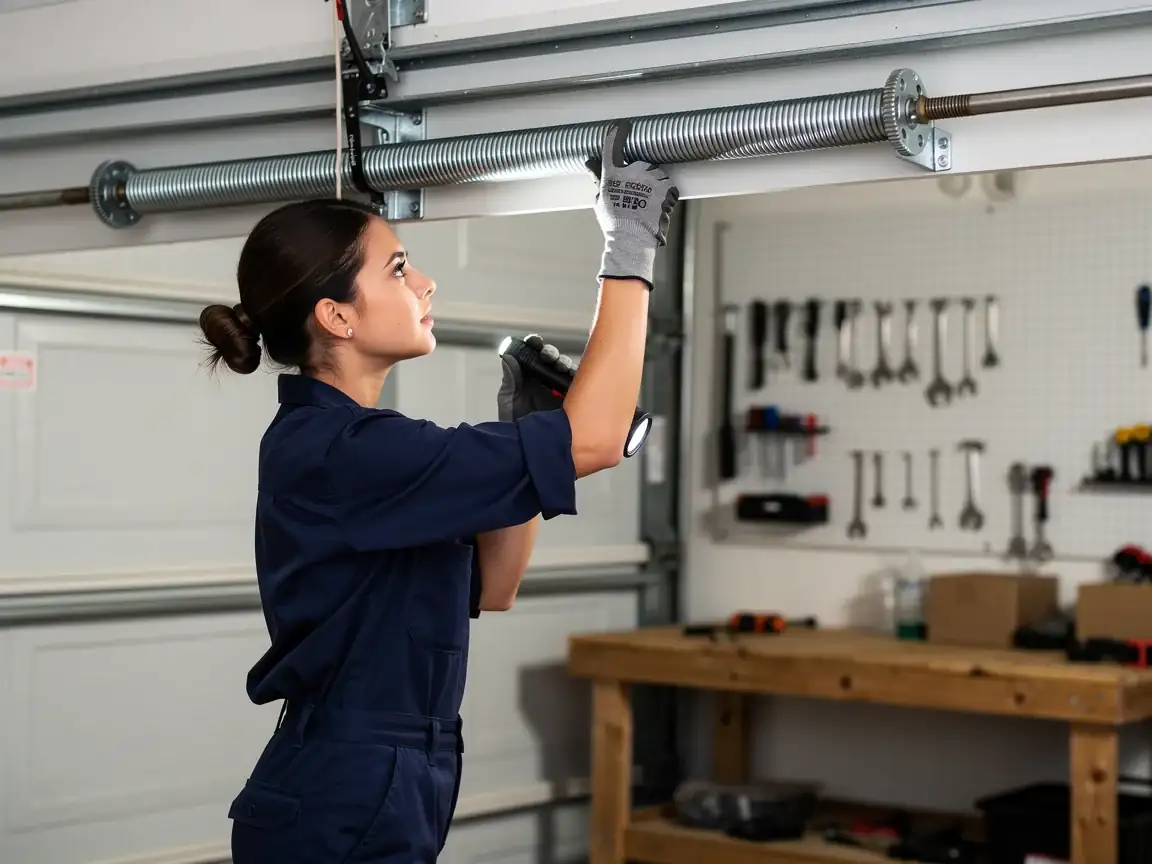
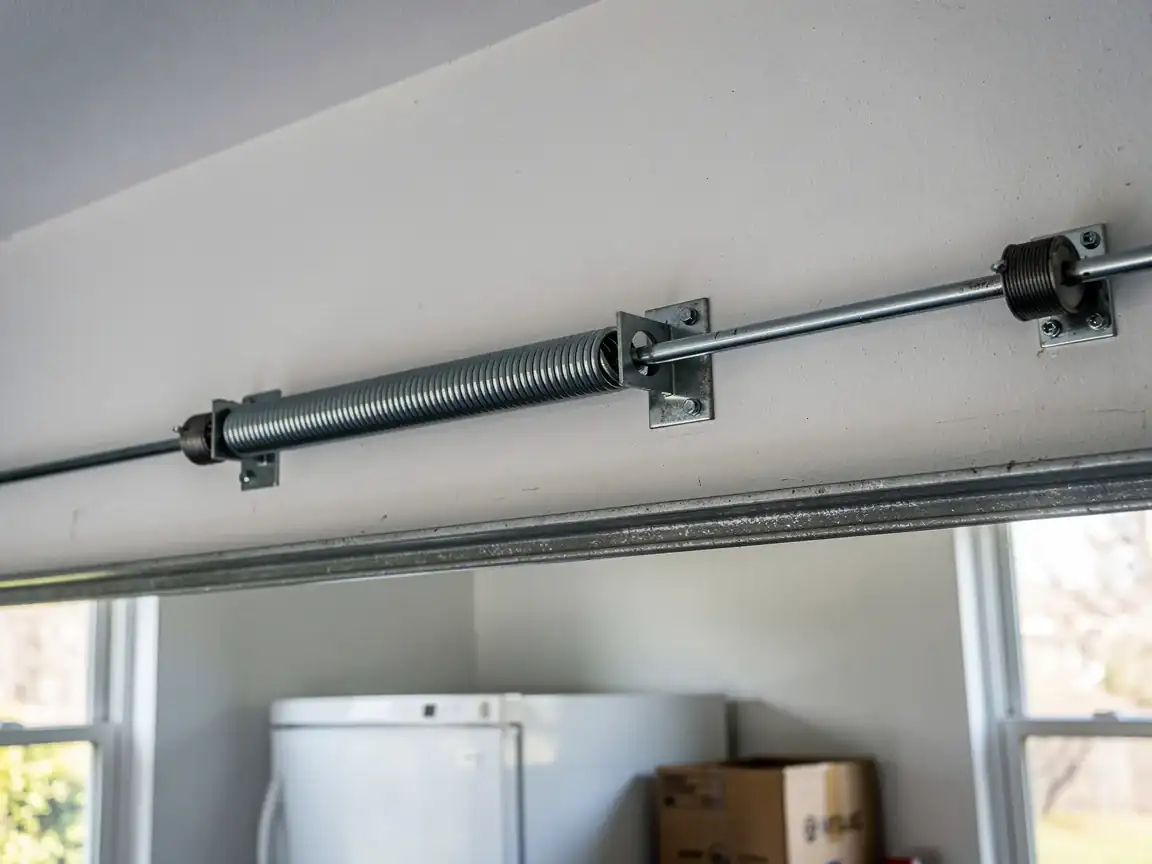
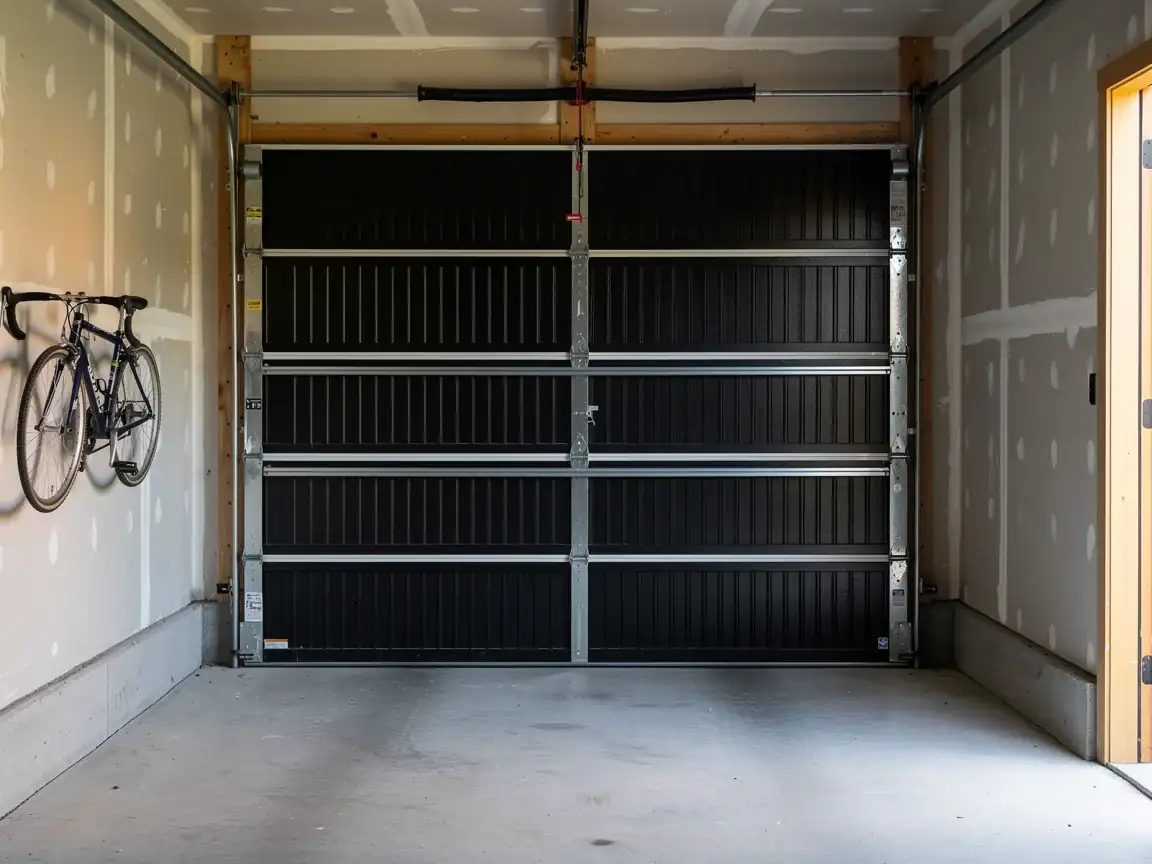
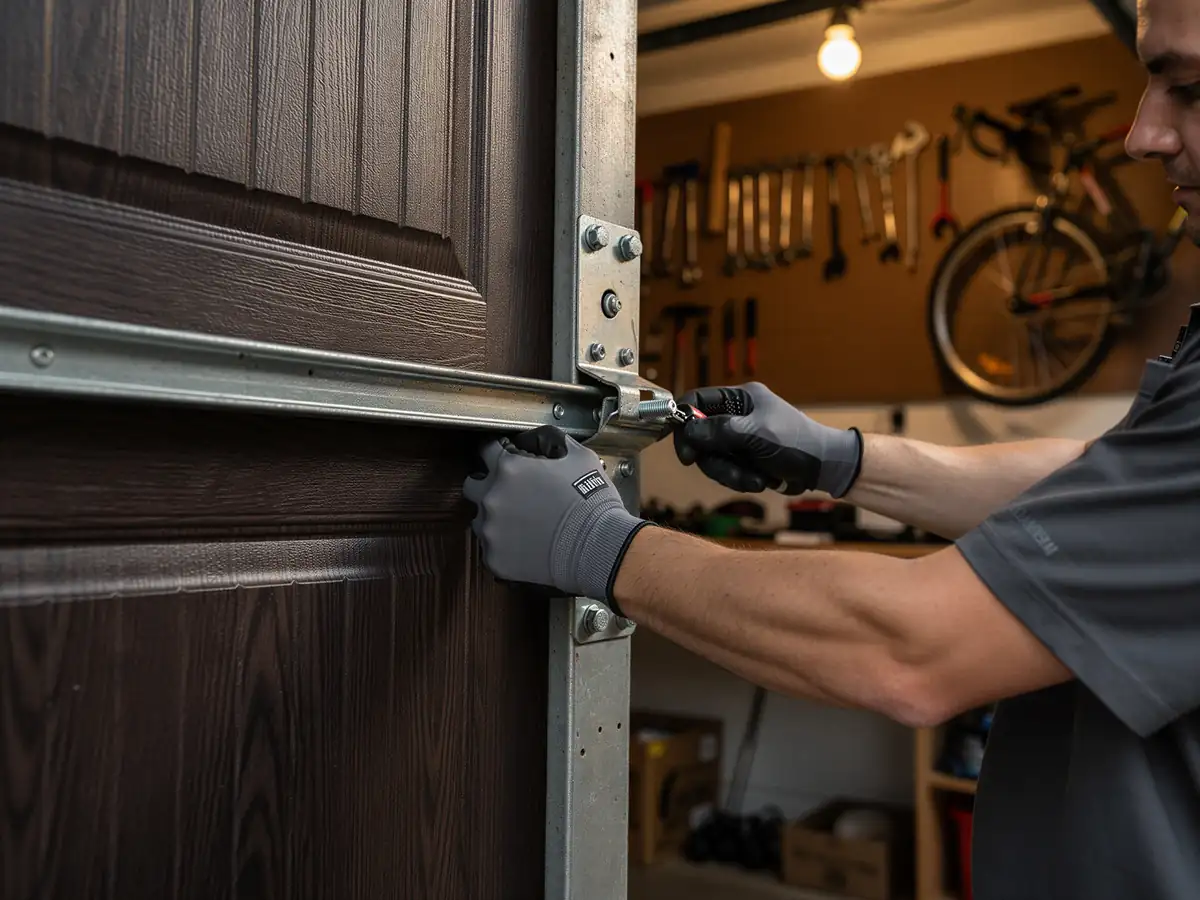
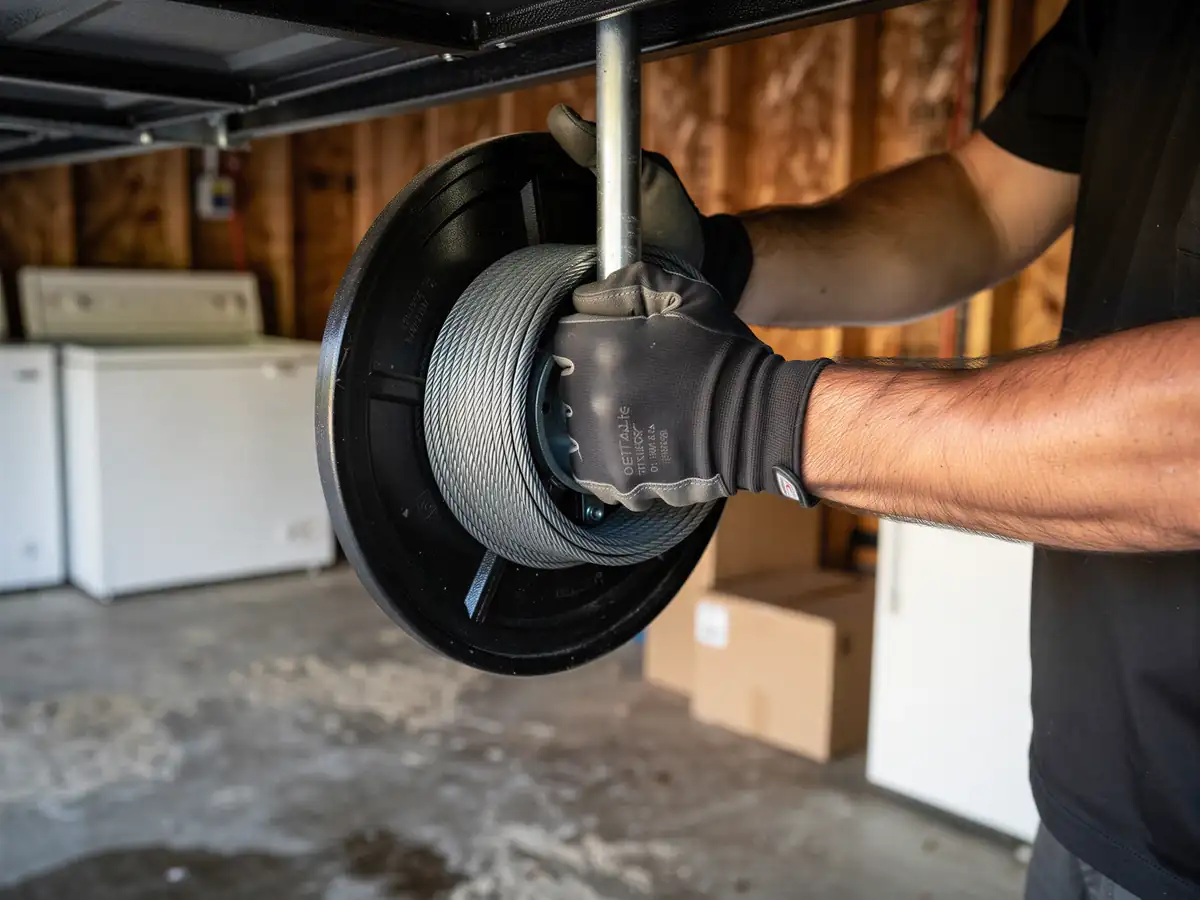
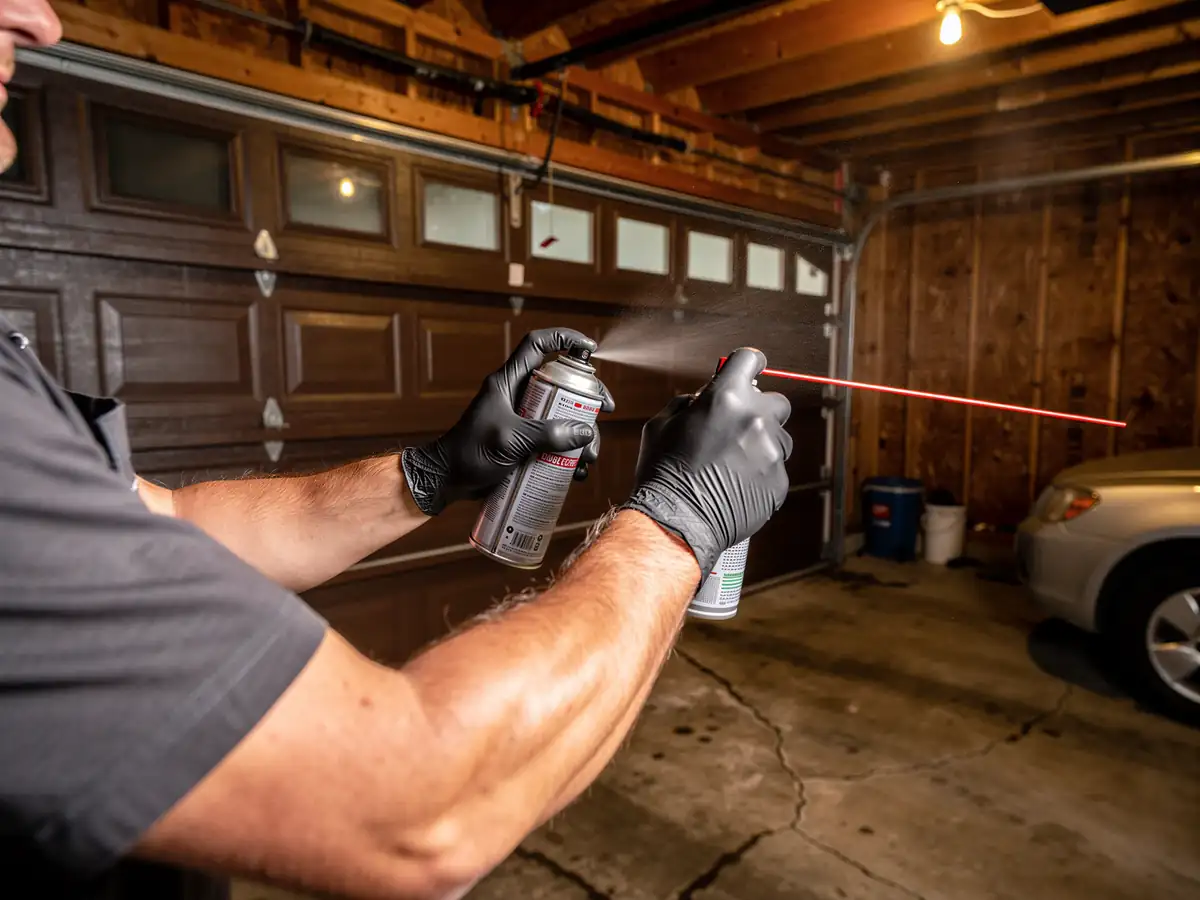
We pull the old door and track, check the jamb for rot or movement, and set new track and torsion hardware sized to what's actually there rather than forcing a stock kit into an opening it wasn't made for. For this climate band, we size the door panel with insulation that makes sense for winters here, not a budget hollow-core panel that'll feel the cold by December.
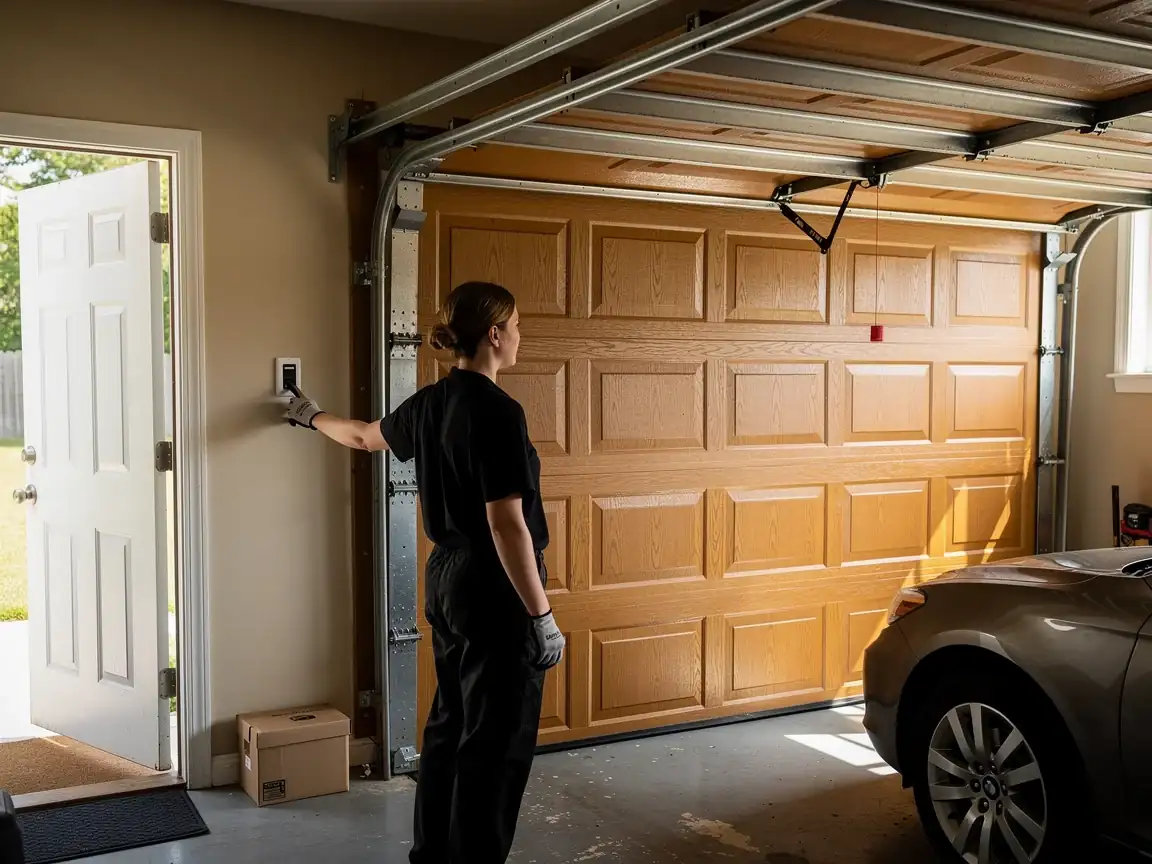
Opener swap happens at the same visit if the old one's chain-drive and worn out, since running new wiring and a new rail separately later costs more in a return trip than doing it once. One honest limit: if the framing's rotted past a shim-and-square fix, that's a carpentry job before it's a door job, and we'll tell you that up front rather than bolt a new door to bad wood.
What You Pay
We're not going to put a number here that doesn't hold up - door size, insulation level, and whether the opener gets replaced all move the price, and quoting a flat figure before seeing the opening would be a guess, not a fact.
What we can tell you is the context. Kindred's median household income runs around $103,542, below the broader service area's $116,364, and that's part of why we don't default to pushing the higher-end glass-insert or smart-opener packages here unless you ask. Across the wider area we work, there are roughly 19,183 households and 8,064 owner-occupied houses, so we see a wide spread of budgets and door ages in a given week - Kindred's older, smaller stock is one slice of that, not an outlier we're guessing at.
The real driver of your price is simple: a straight swap on a standard opening costs less than a job where we're also squaring a jamb or running new opener wiring. We'll walk the opening with you before we give a number, and that number will reflect your door, not an average.
How to Book
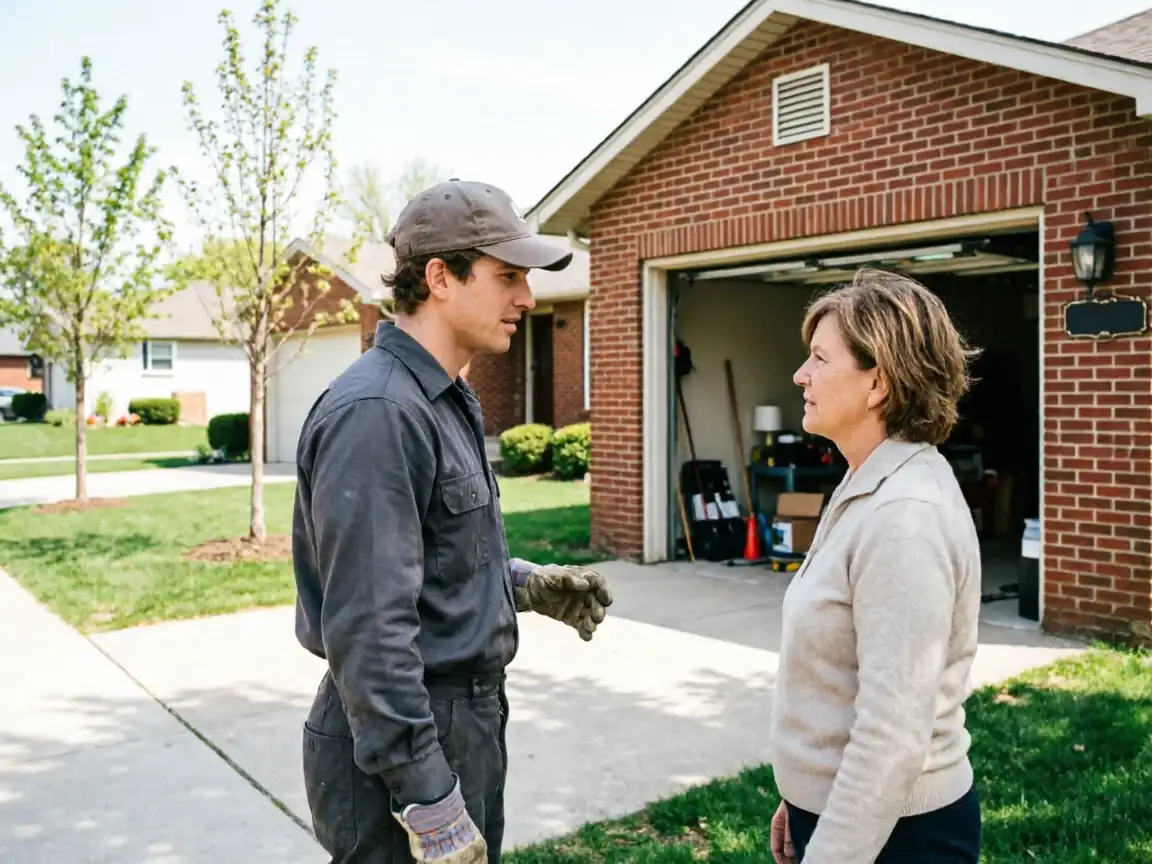
Because every Kindred job is a dedicated trip from Fargo, we ask for the opening width, door age if you know it, and whether the opener's original or already replaced
Before we schedule the visit. That lets us load the right track and hardware the first time instead of discovering a mismatch on site.
If you're also weighing other door issues
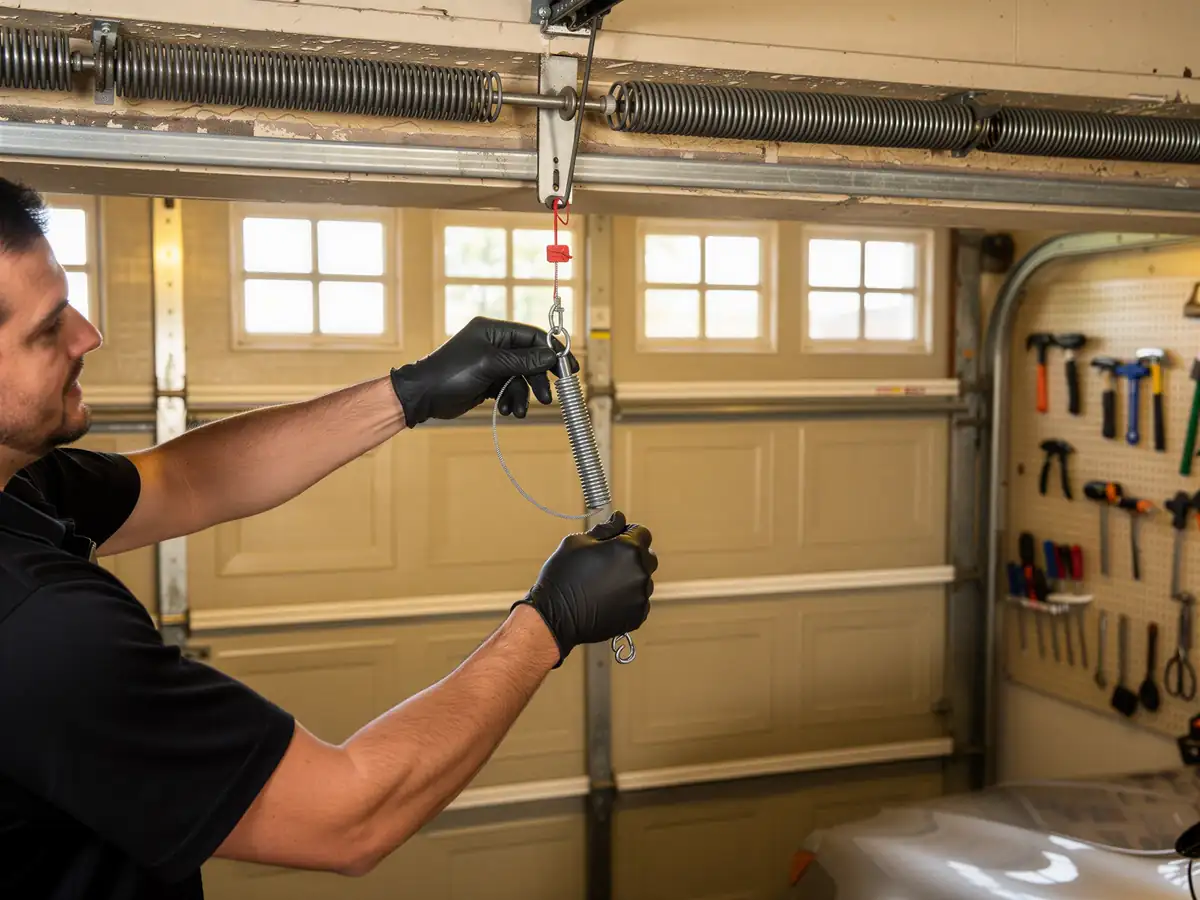
A spring that's going, an opener that's starting to stall - it's worth mentioning when you call, since we're already making the drive. For a full look at what we handle in Kindred specifically, see /kindred-garage-doors/. If you're comparing install costs and timelines across the whole Fargo service area, that's covered on /garage-door-installation-fargo-nd.