What the Repair Takes
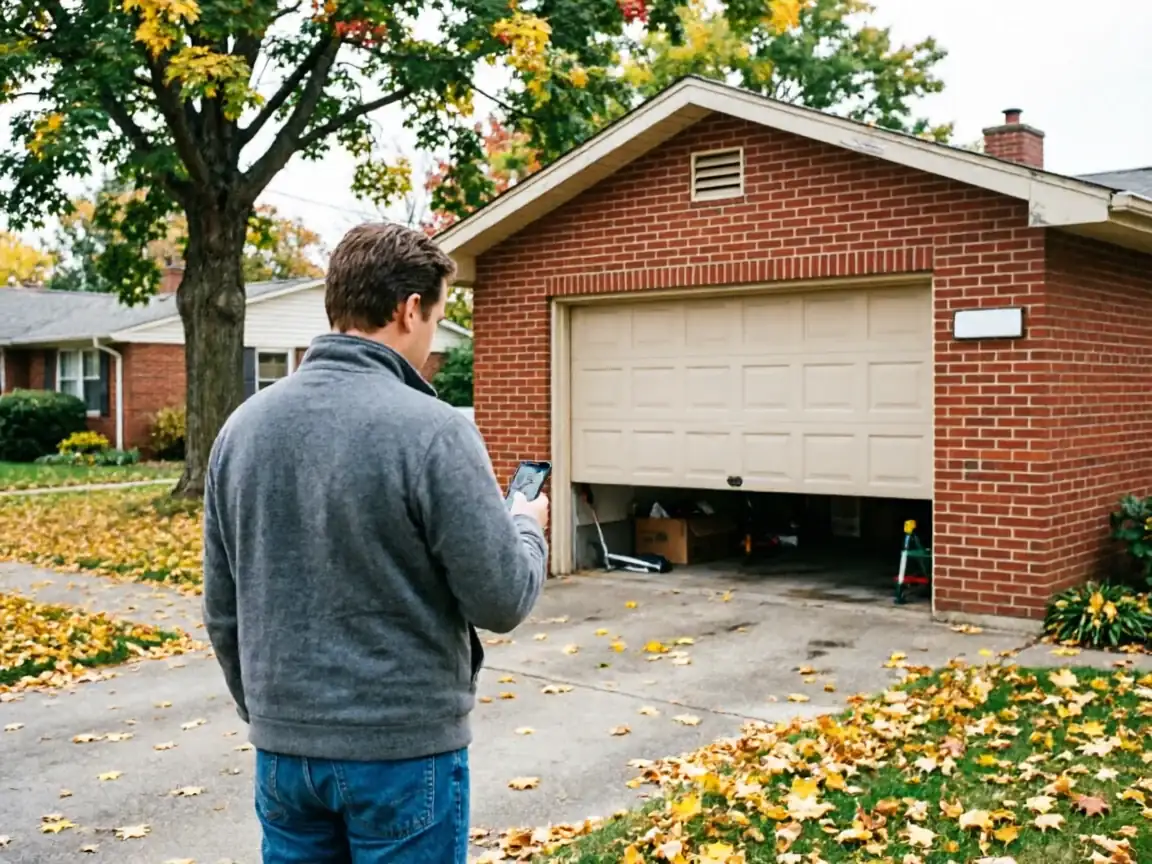
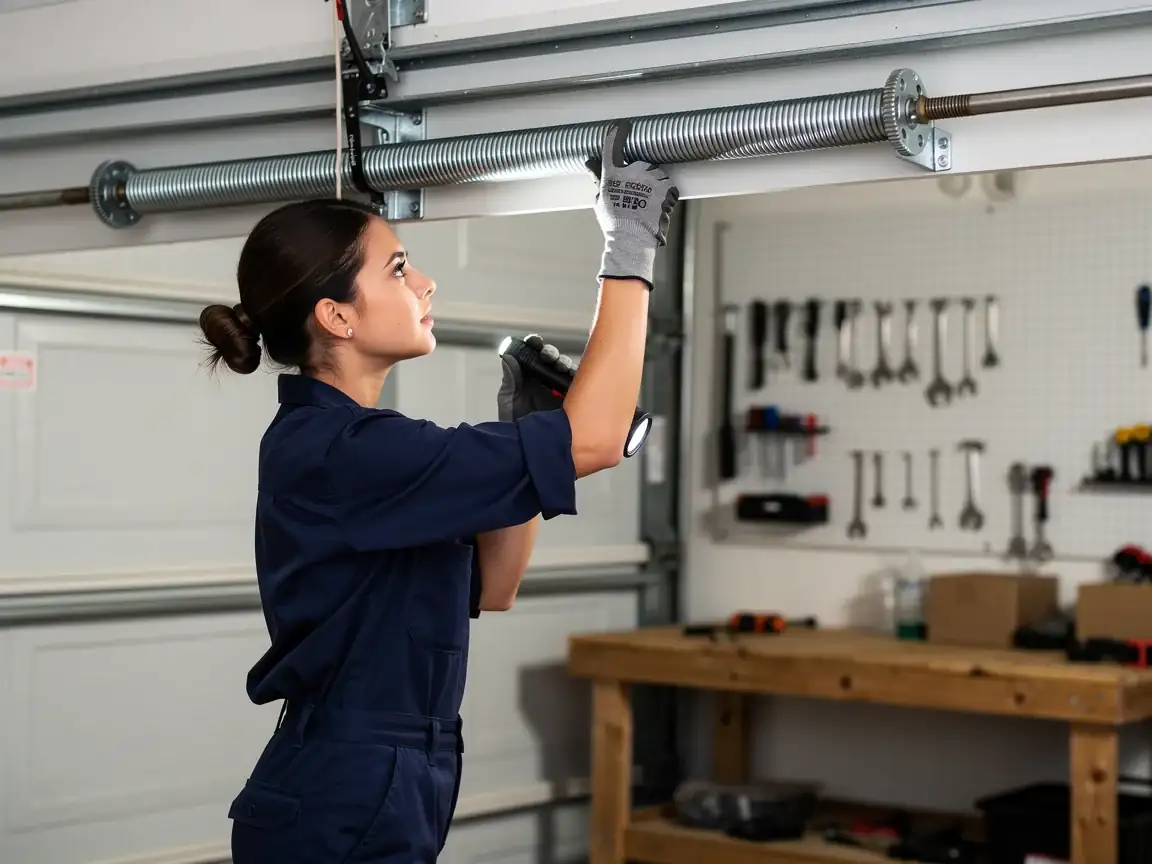
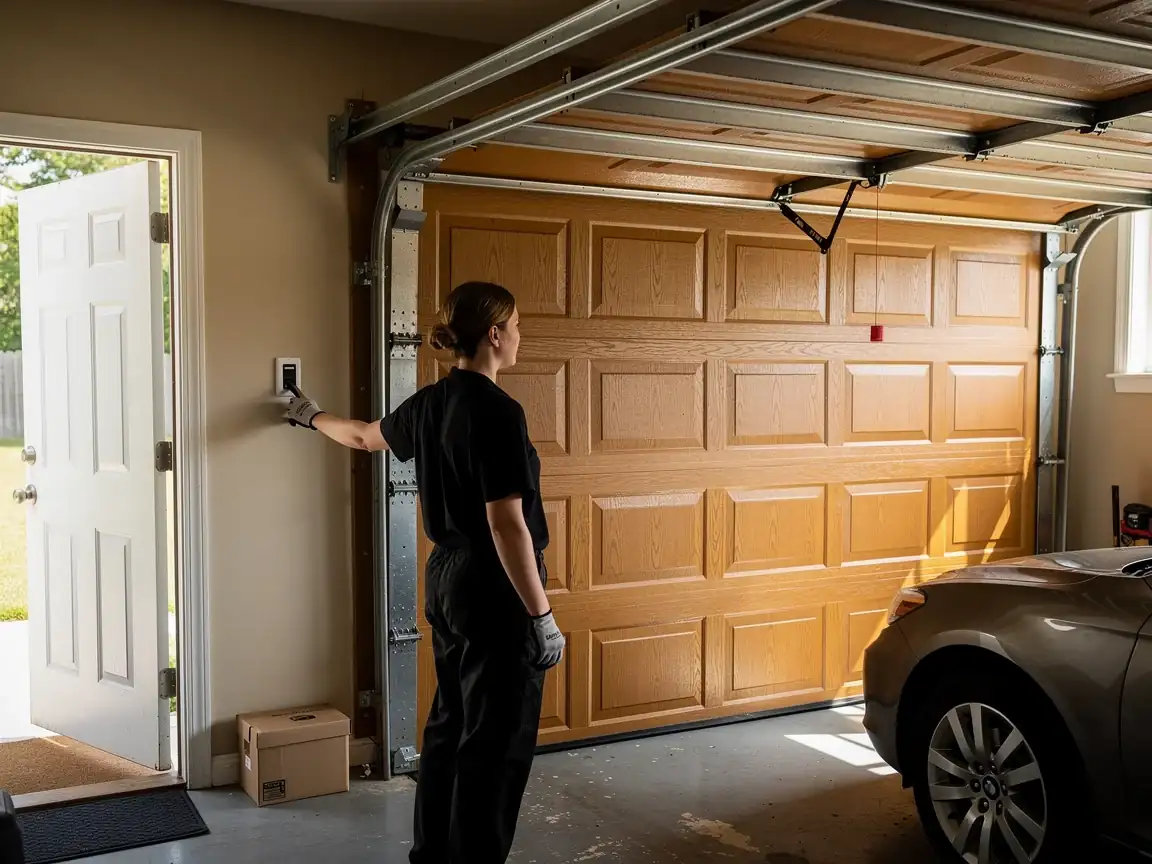
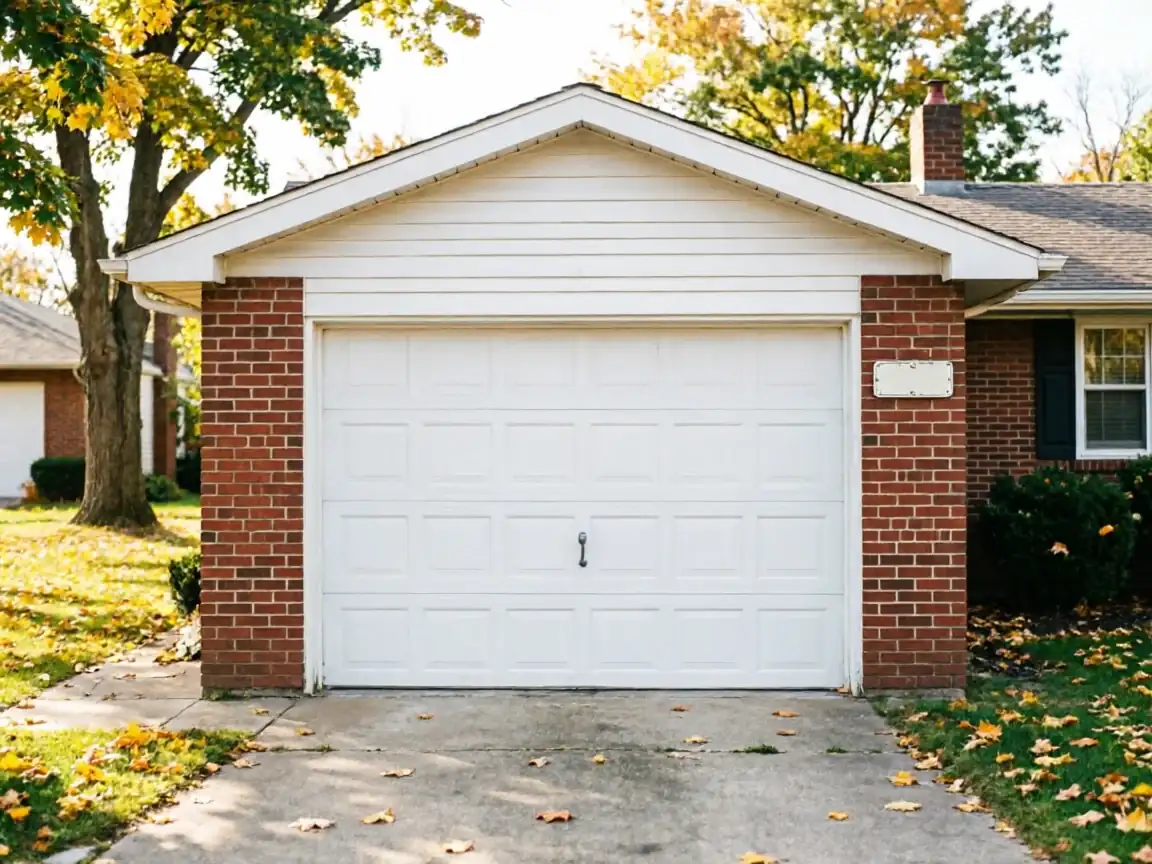
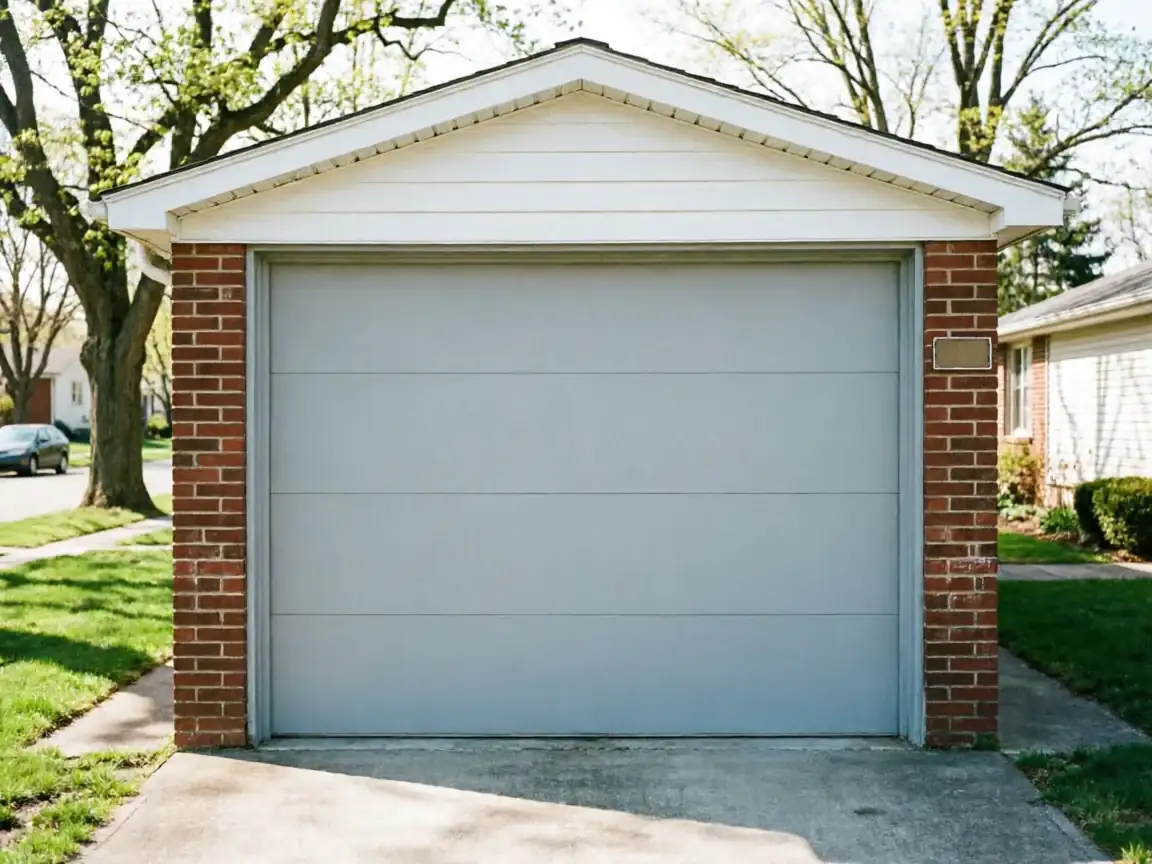
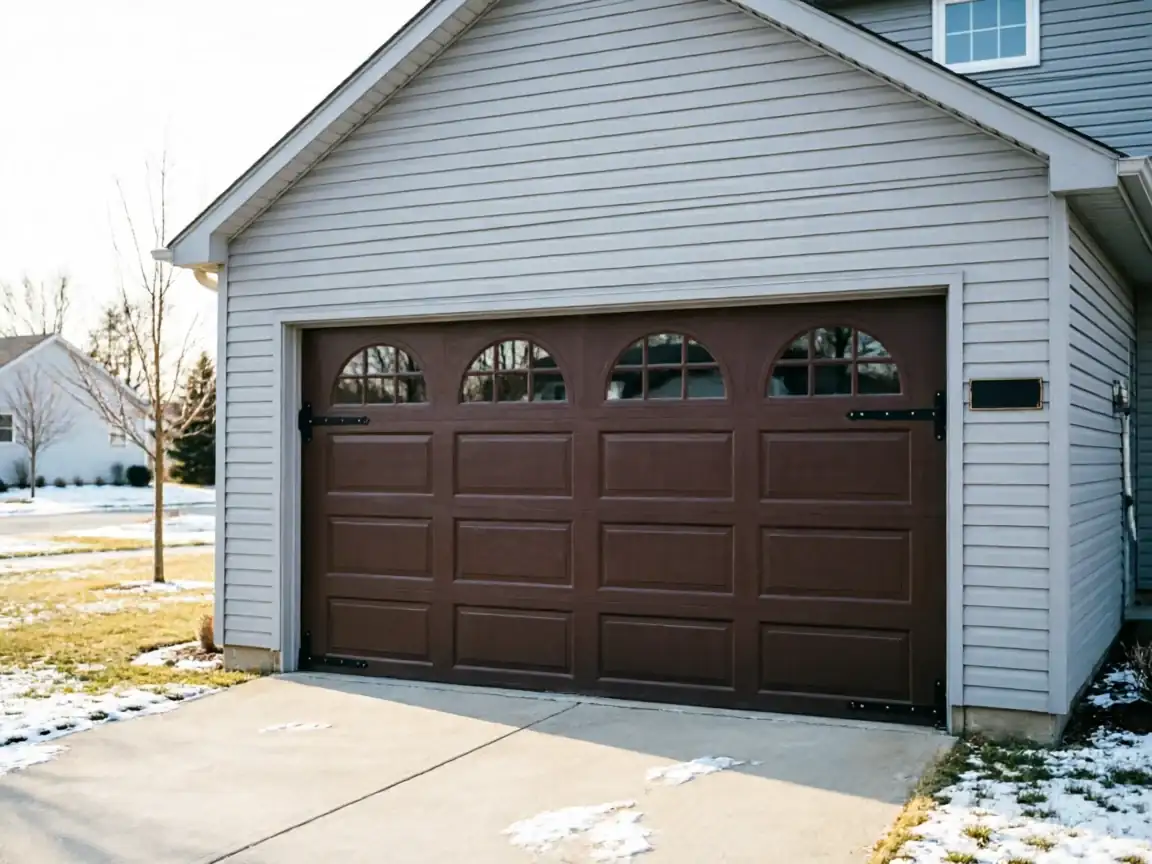
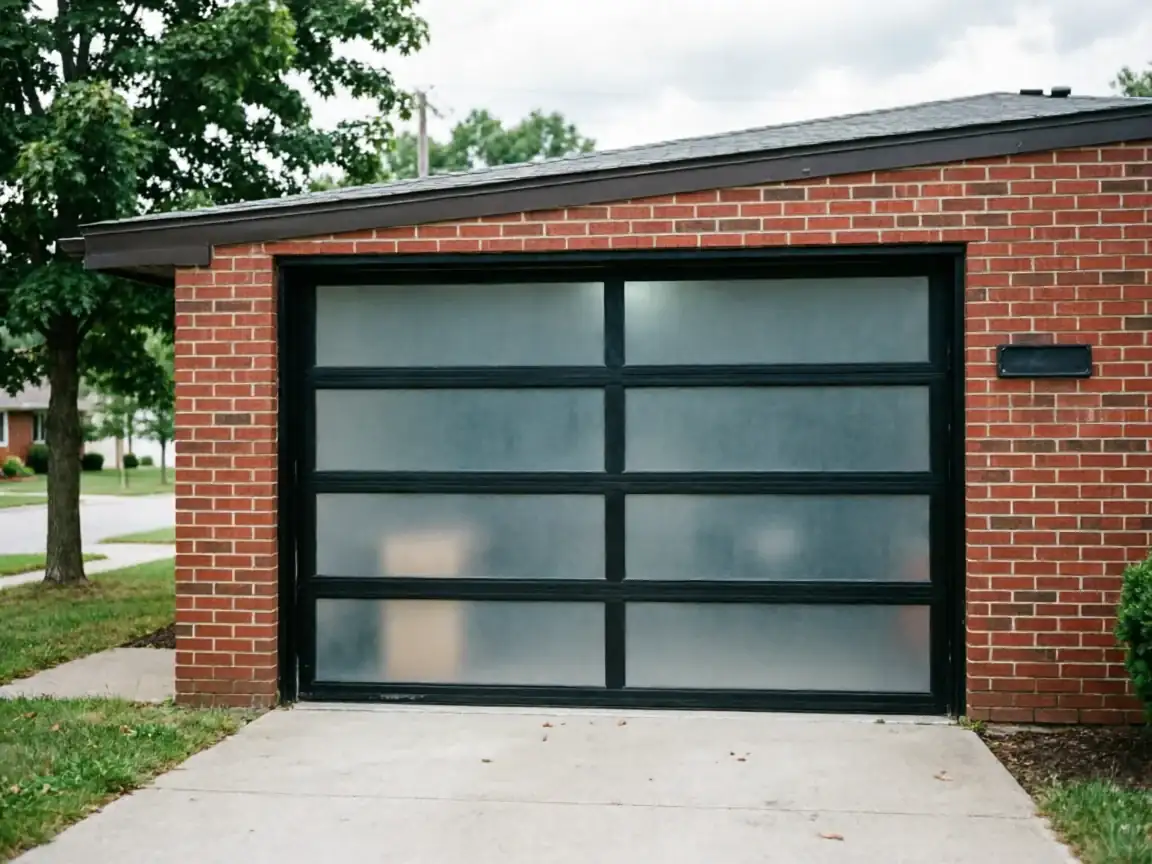
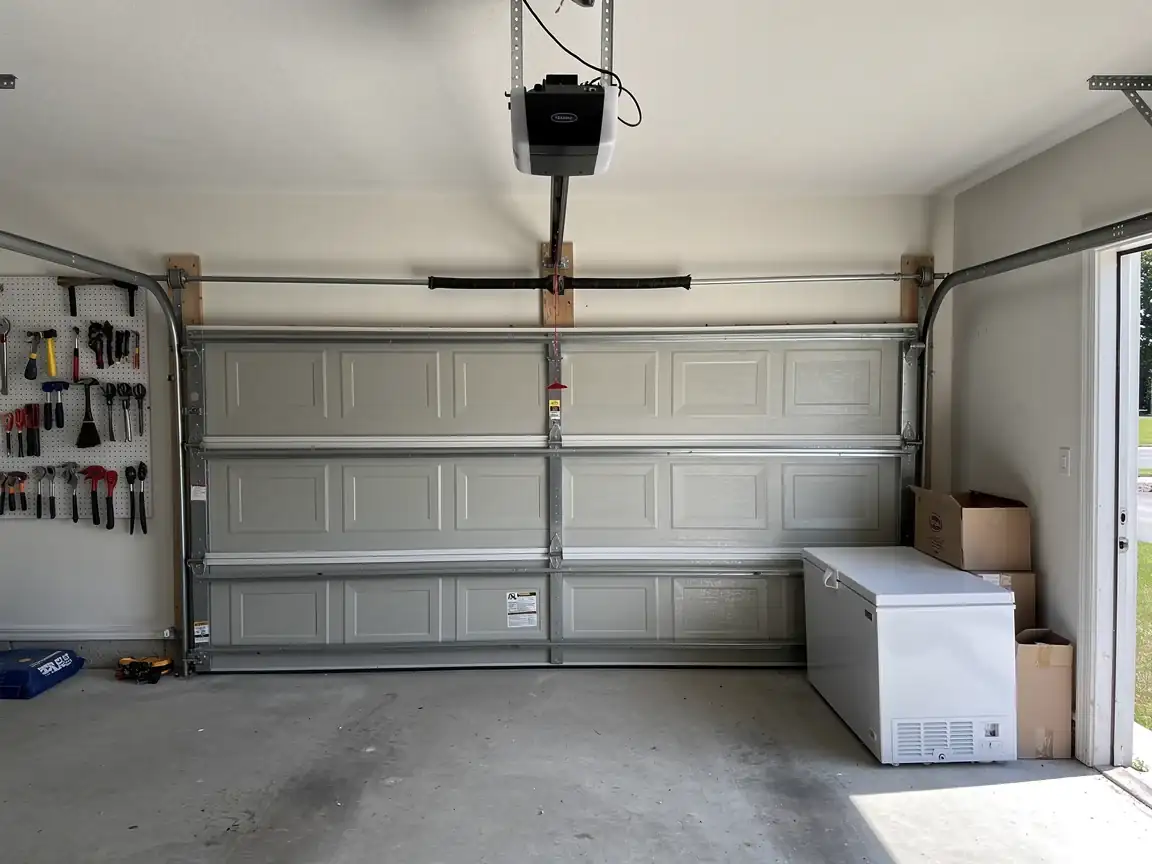
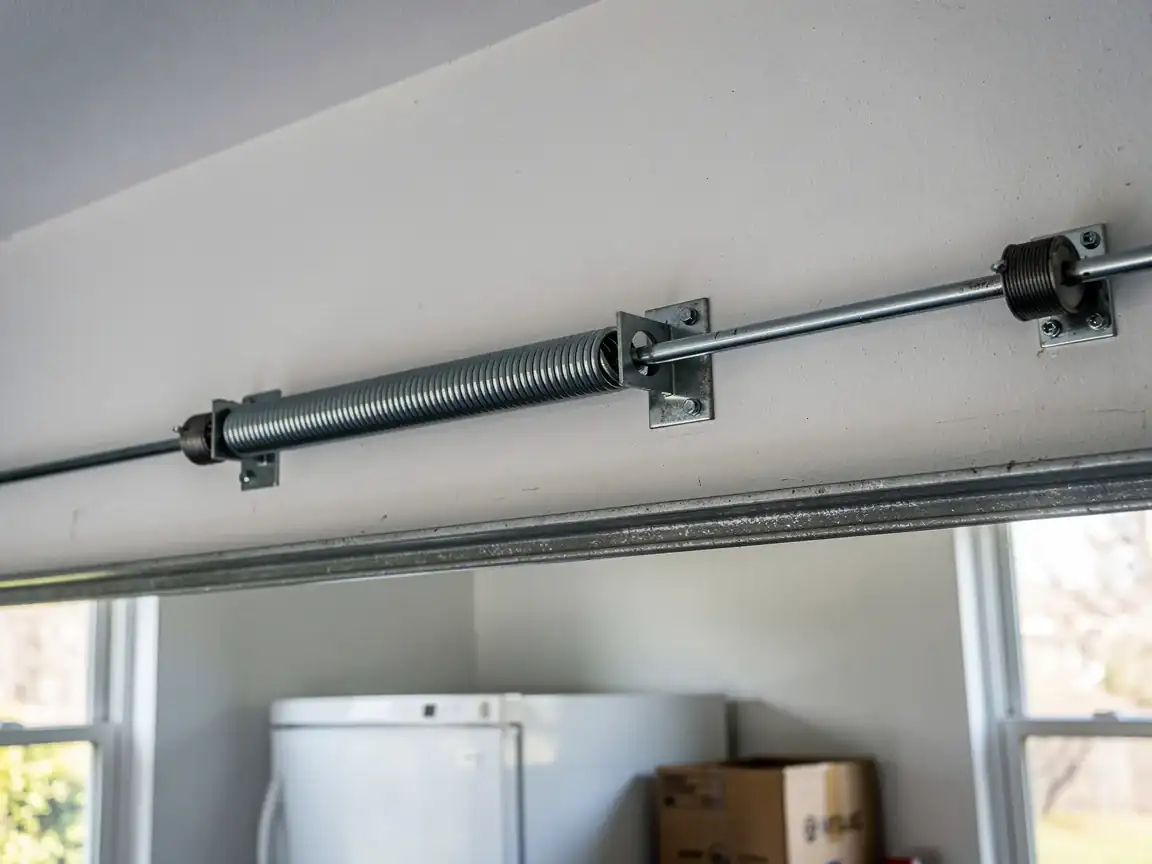
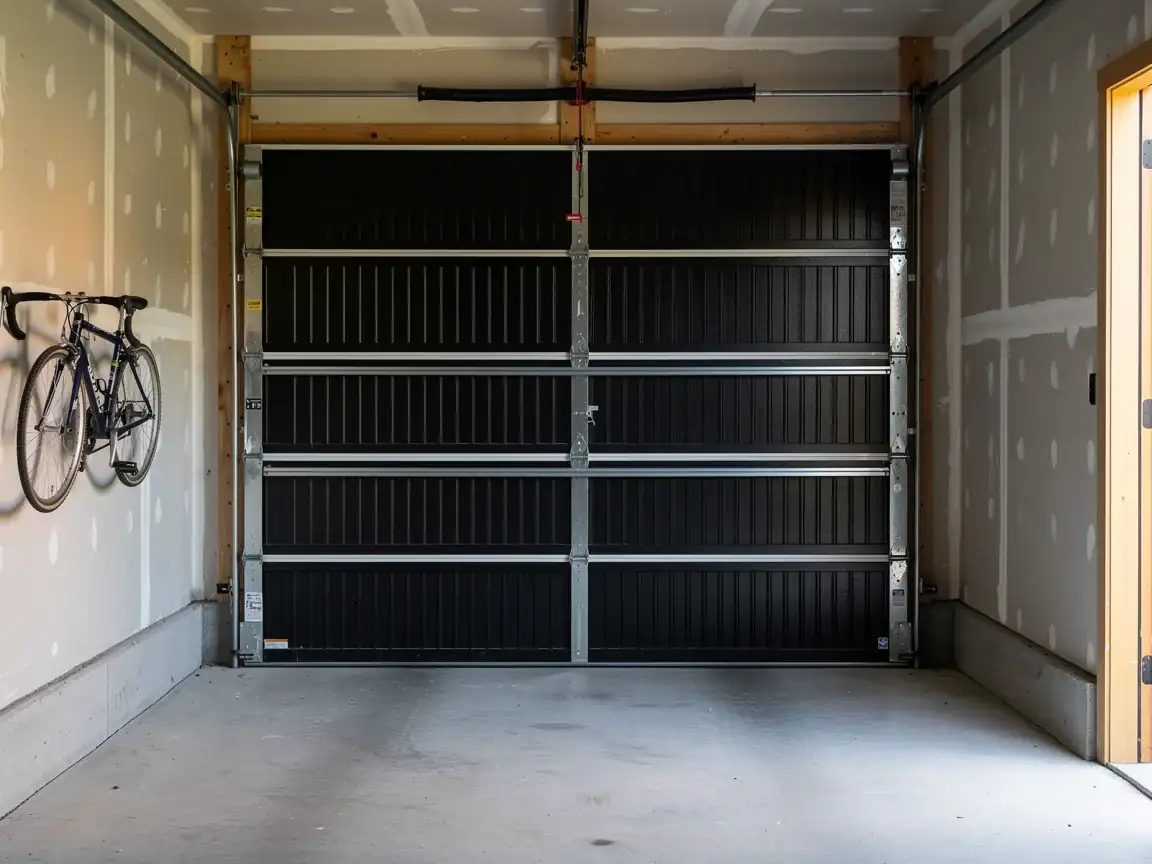
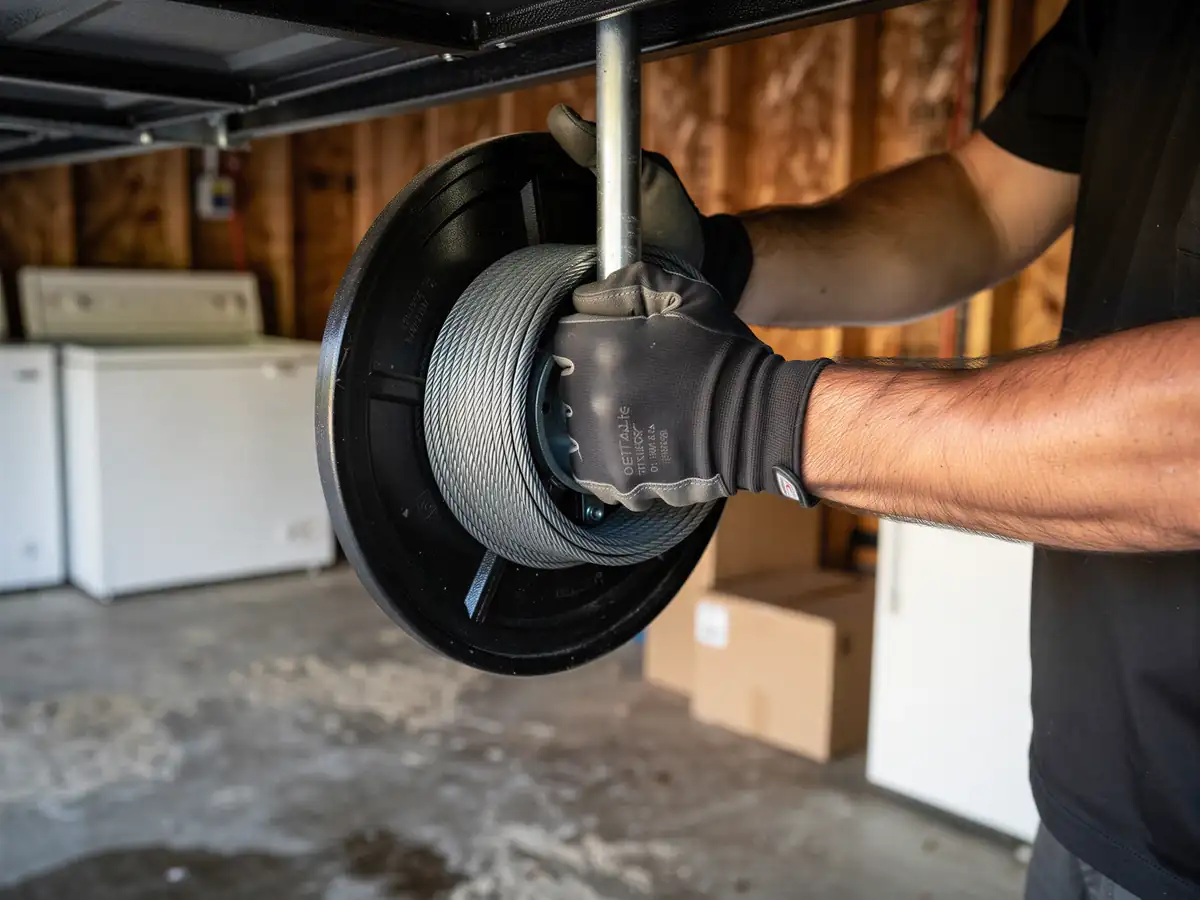
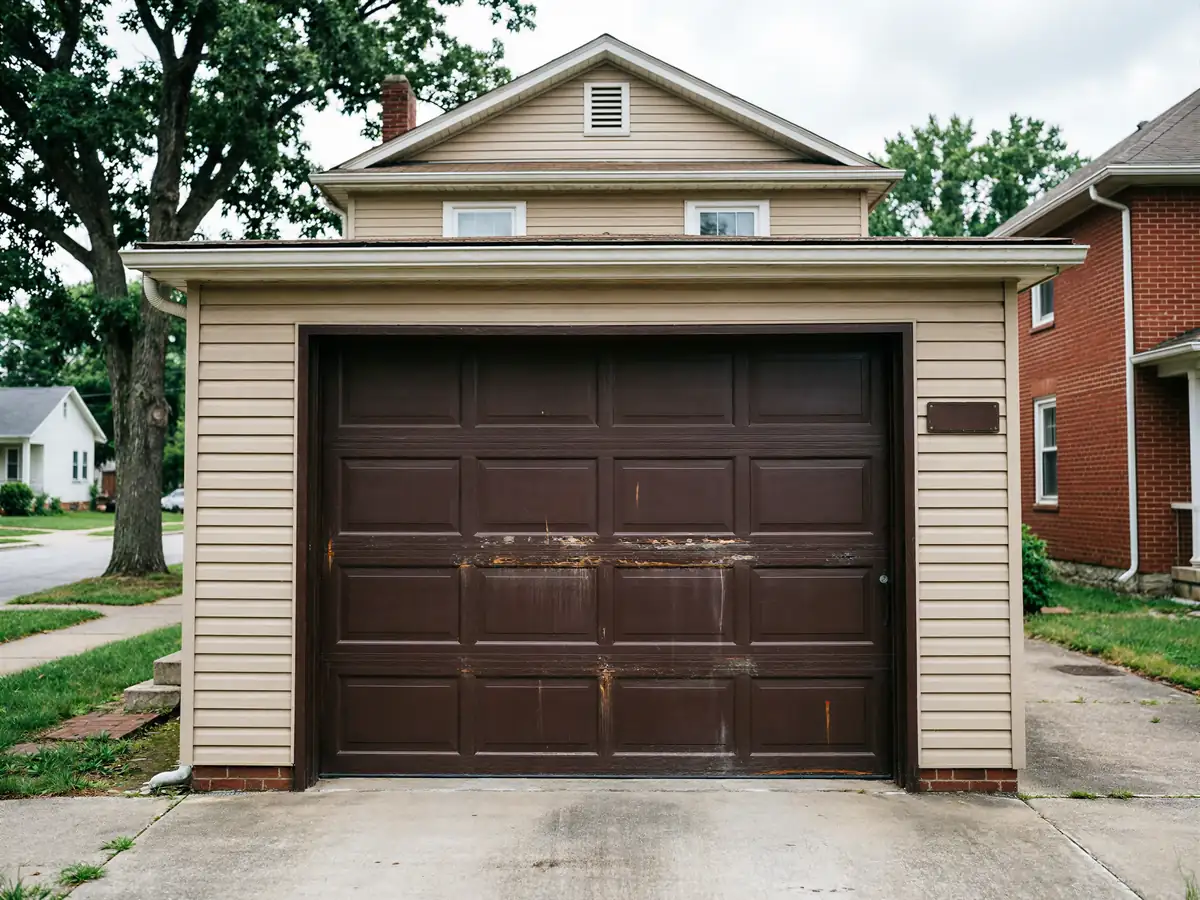
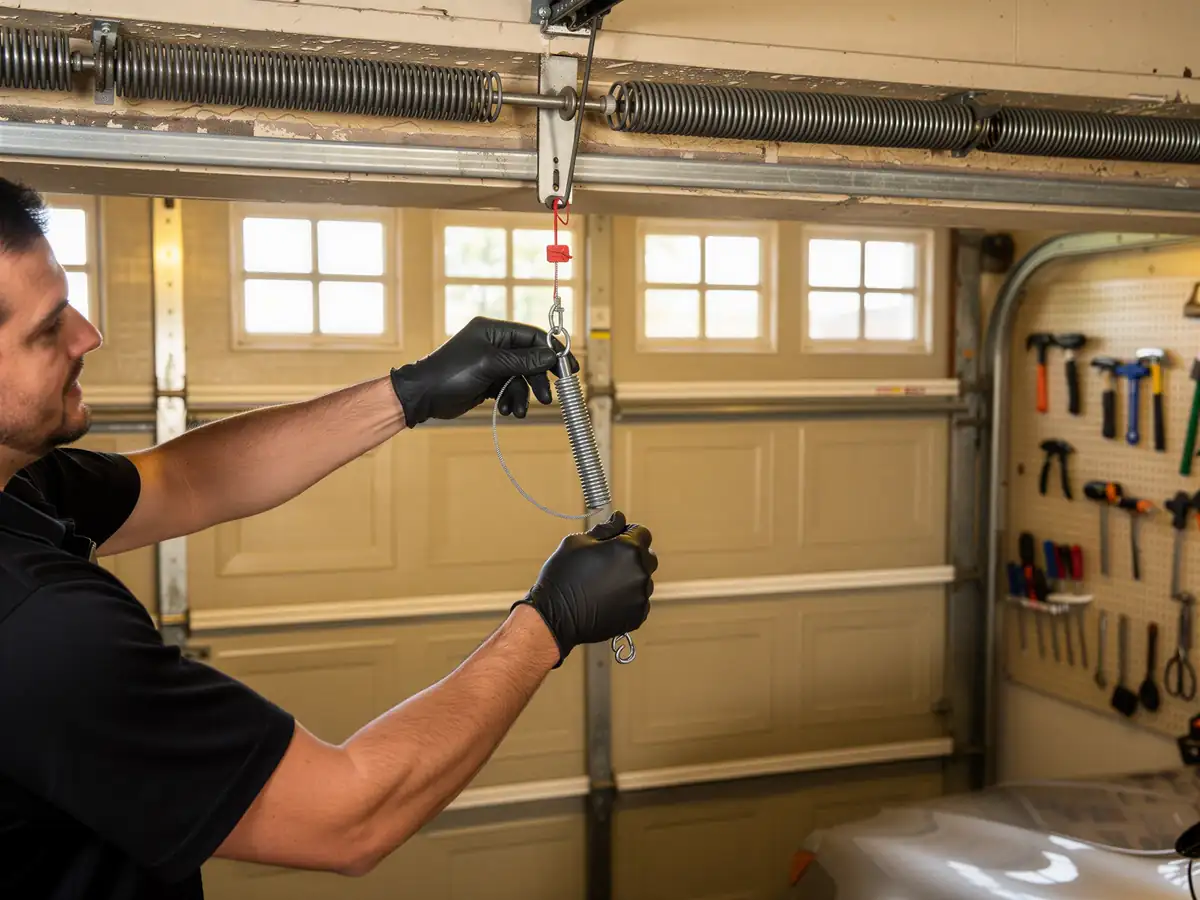
A broken torsion spring gets replaced as a pair, even if only one side let go - the other has logged the same winters and is close behind. On a door this age, we're also checking the drums, the bearing plates, and the cable ends, since hardware from 1969 doesn't always match what's sold today. Older torsion shafts can run a different diameter or winding cone than the current standard, and when that happens, the correct spring has to be special-ordered rather than pulled off the truck. That's the honest limitation here: we can usually get a same-visit repair done, but if the shaft or drum size is nonstandard for the house's age, the job may need a return trip once the right part arrives. Cold weather changes the job itself, too. Winding a spring in sub-zero temperatures takes more care - the steel is stiffer and less forgiving of a rushed adjustment, so we work the tension in smaller increments than we would on a mild day. For a town where household counts are modest and most homeowners aren't replacing a spring more than once or twice a lifetime, getting the winding right the first time matters more than getting it done fast.
What You Pay
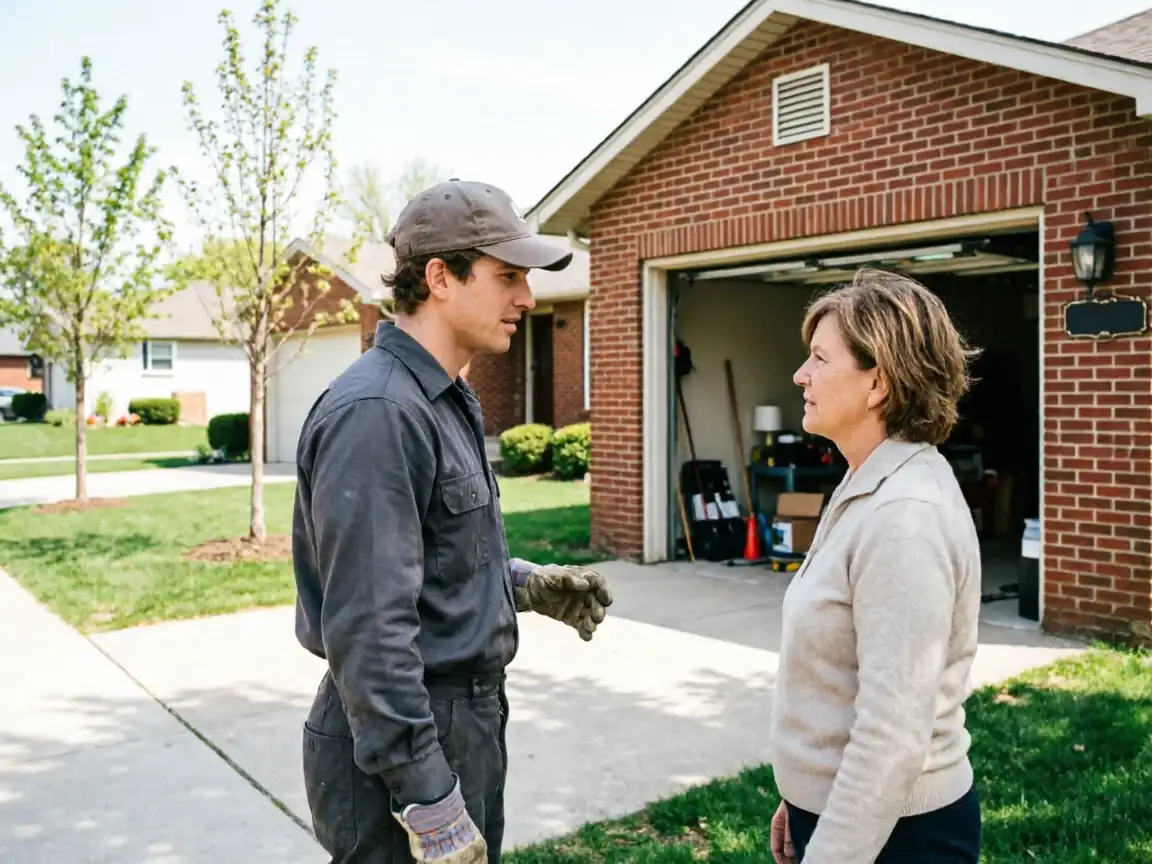
We don't post a flat number for spring jobs because the hardware varies too much door to door, especially on a 1969-era house where the spring size isn't always the modern standard. What we can tell you is how the decision usually breaks down. Kindred's median household income runs $103,542, noticeably below the $116,364 median across the wider Fargo service area - and that gap is part of why we talk through repair-versus-replace honestly instead of defaulting to the bigger job. If the door itself is sound and the track and panels are in decent shape, a spring swap is the right call and it's the smaller bill. If the opener, track, and panels are all original from 1969 and showing their age together, replacing the spring alone just delays the next call. We'll tell you which situation you're in before we quote anything, not after.