What the Repair Takes
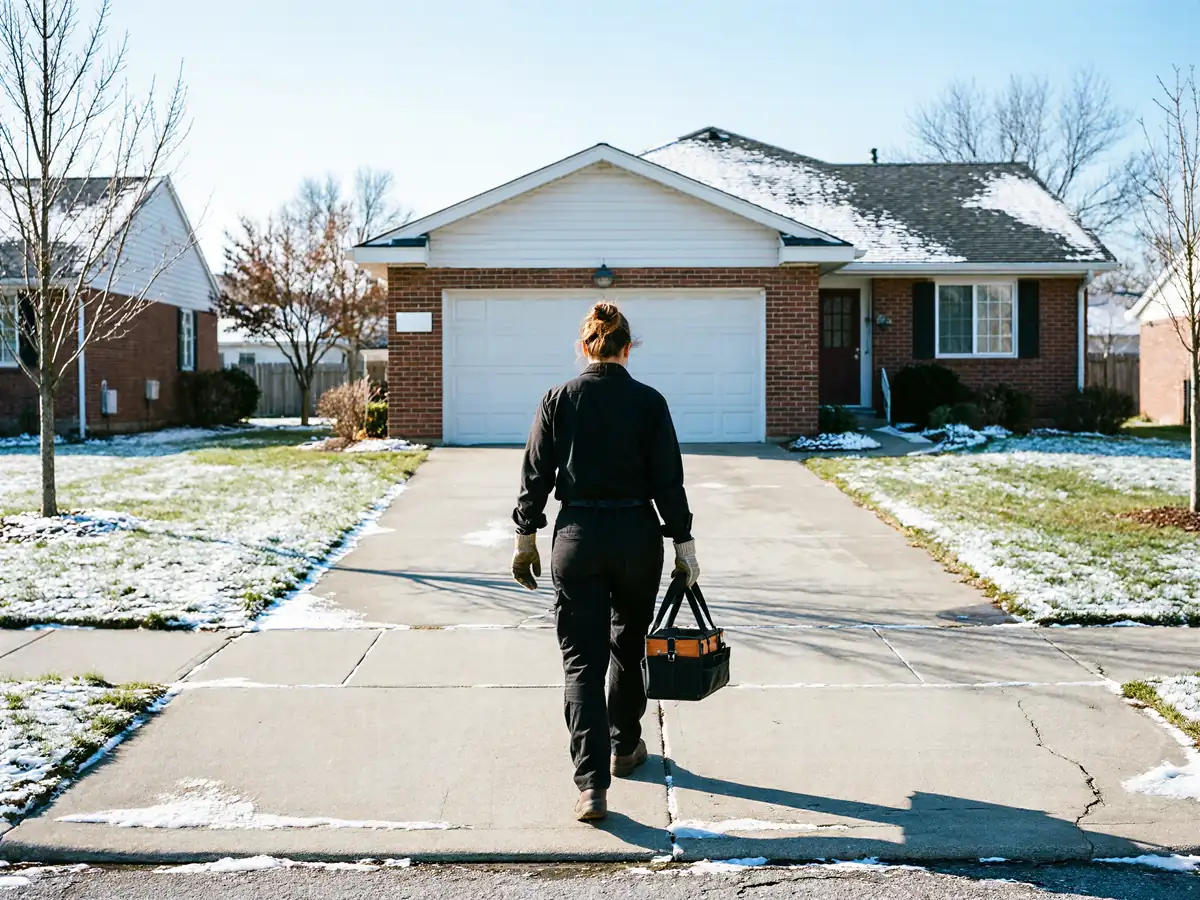
Most emergency calls here start the same way
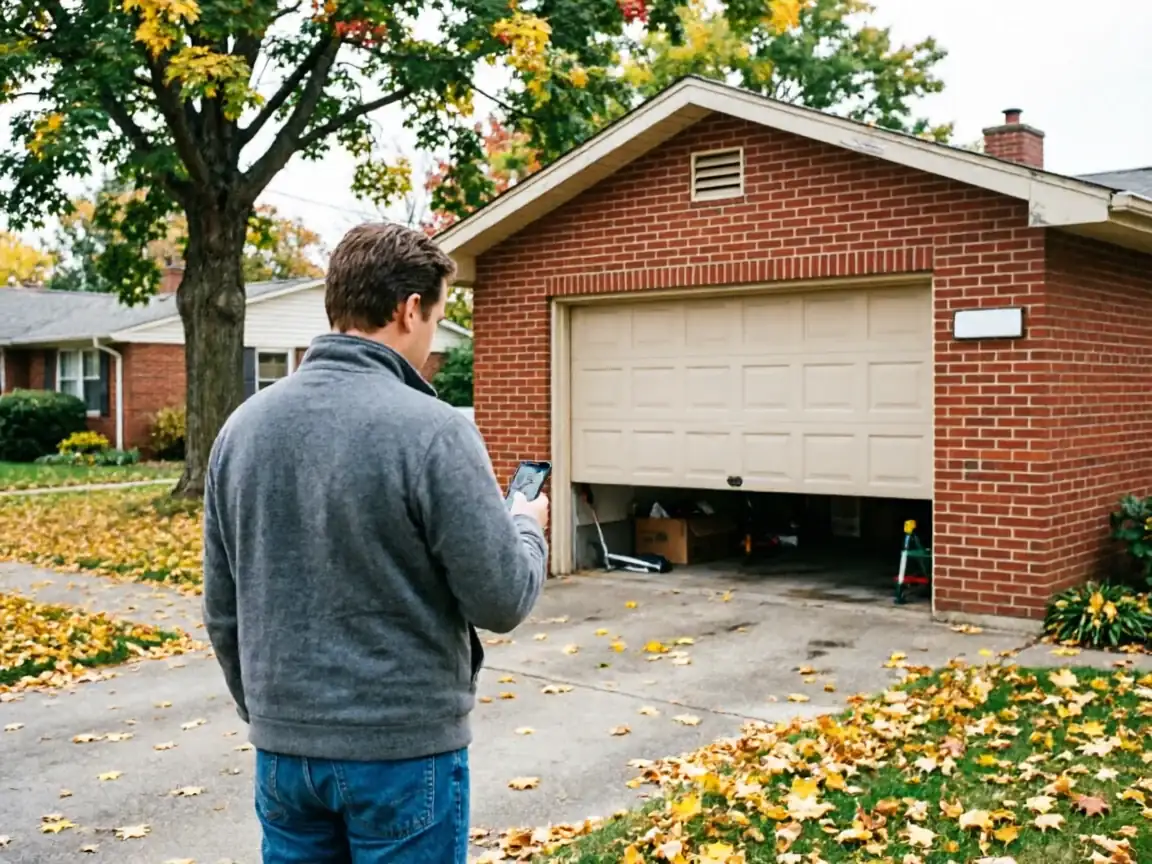
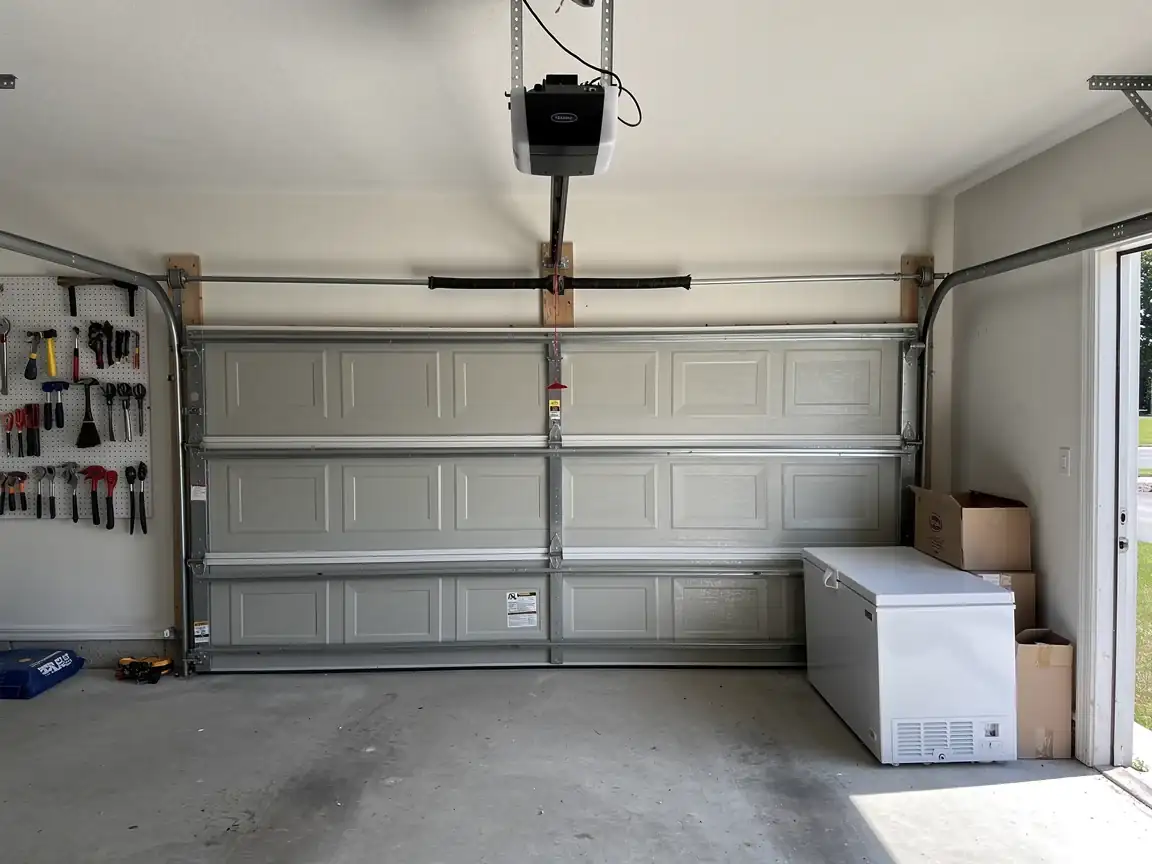
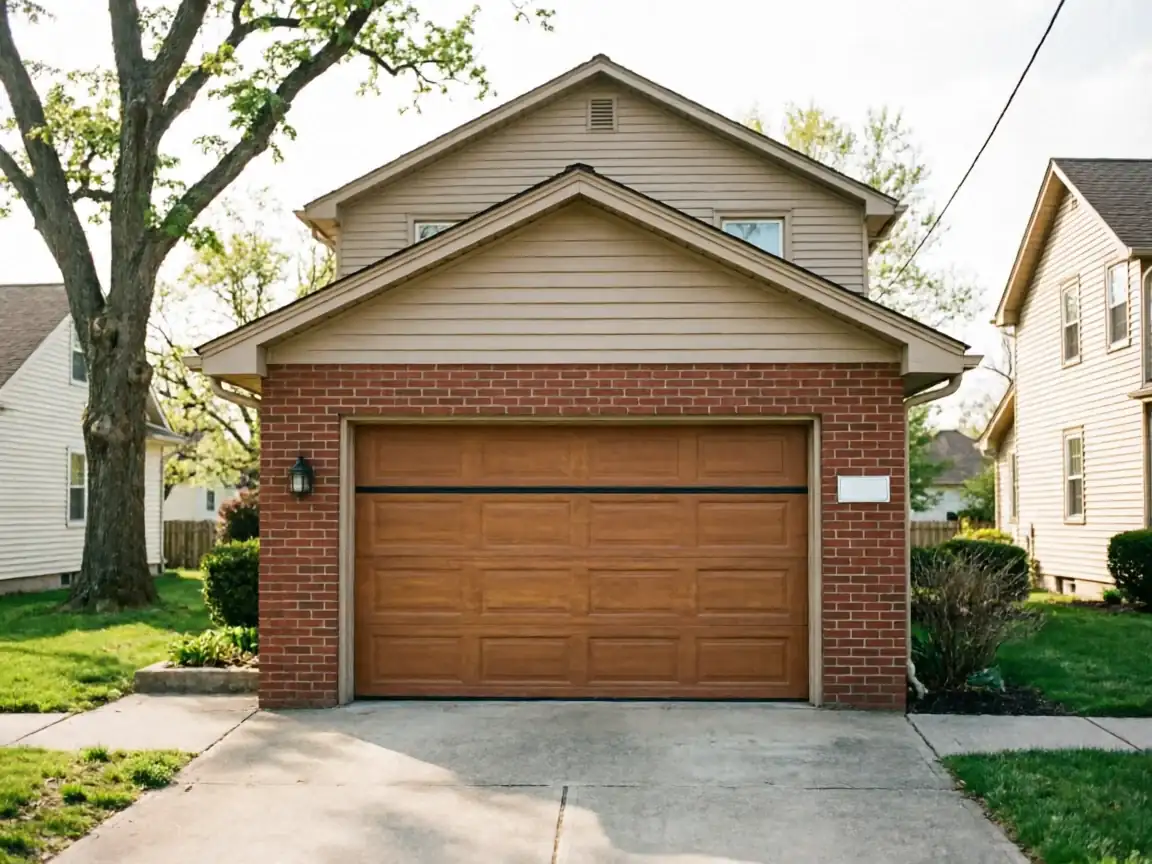
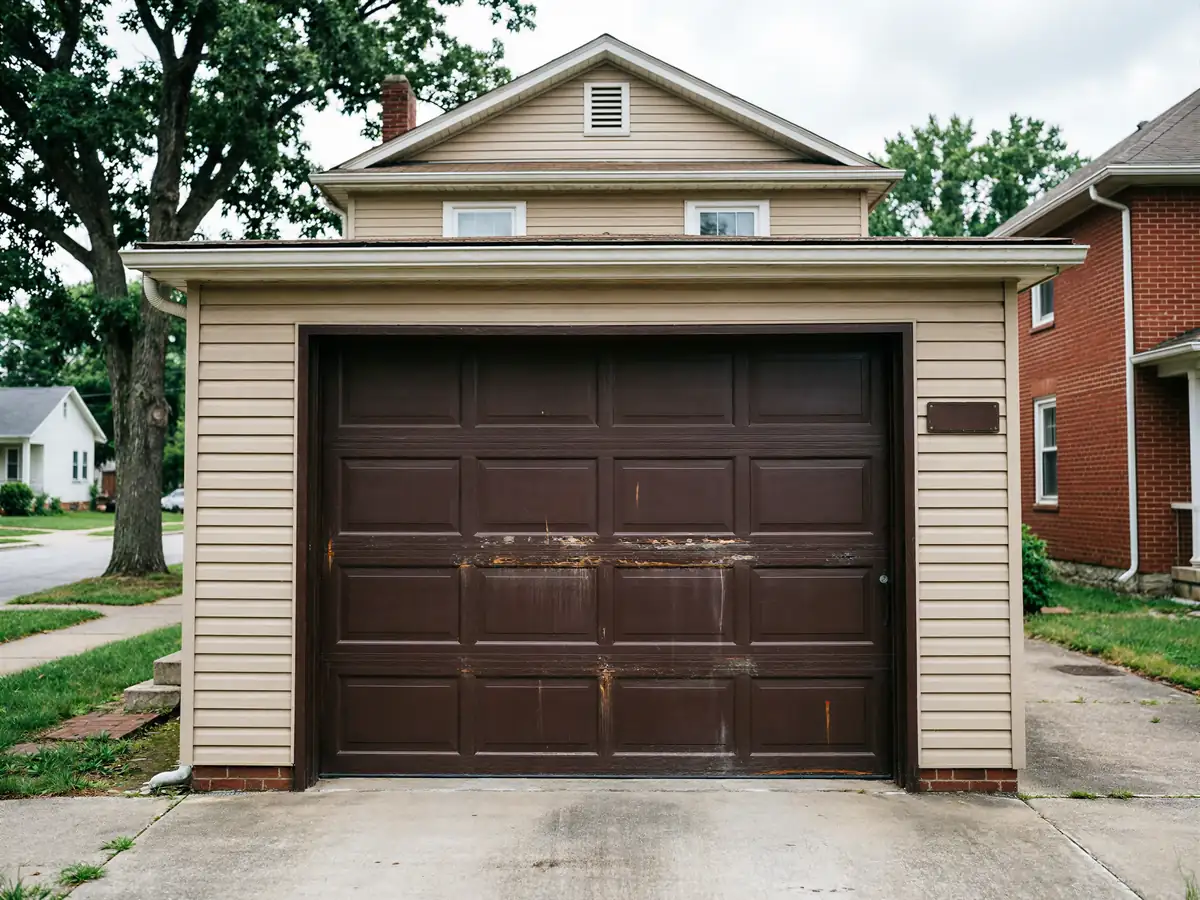
A torsion spring lets go on a cold morning, or a cable jumps the drum and the door won't budge off the floor. Harwood's homes went up mostly in 1986, which means the original torsion springs and openers in this area are pushing forty years of cold-weather cycling. That's not a scare number - it's just what a spring rated for a set number of cycles looks like after four decades of winter contraction and summer expansion.
The repair itself is straightforward for a tech who's seen the hardware
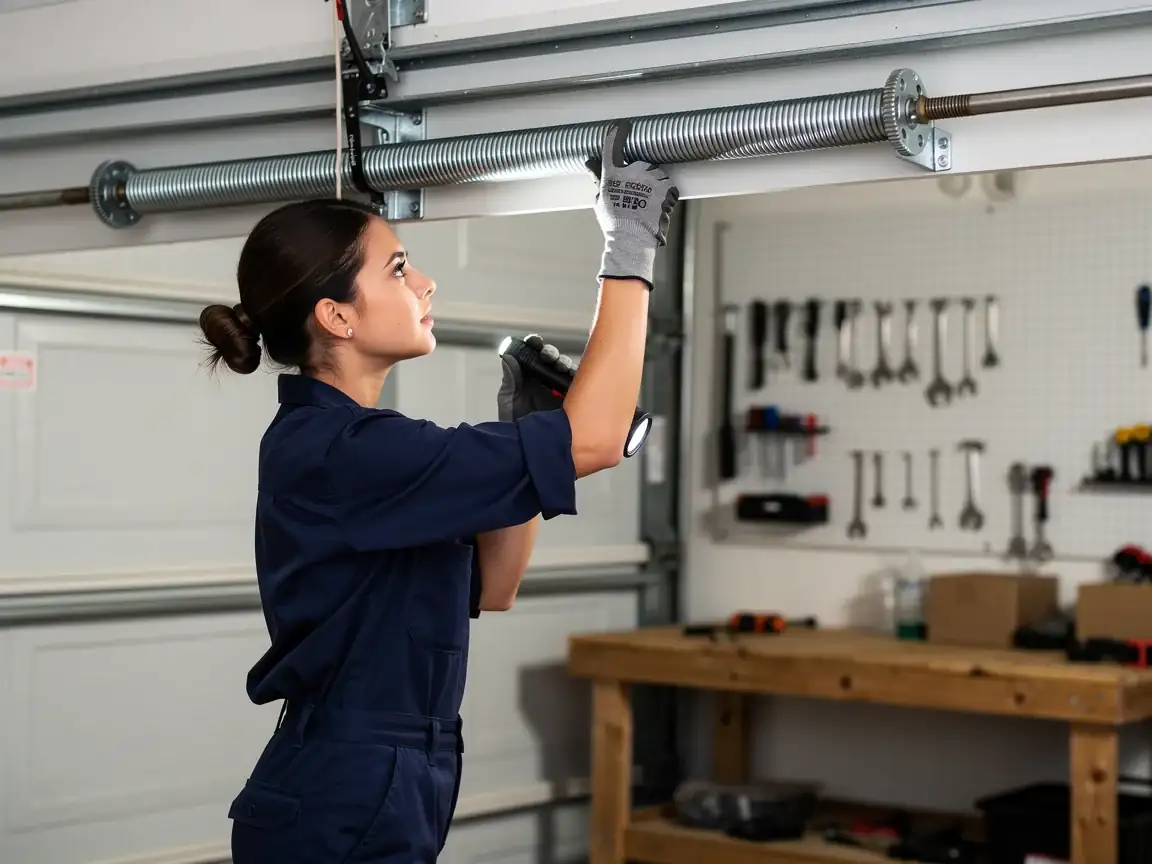
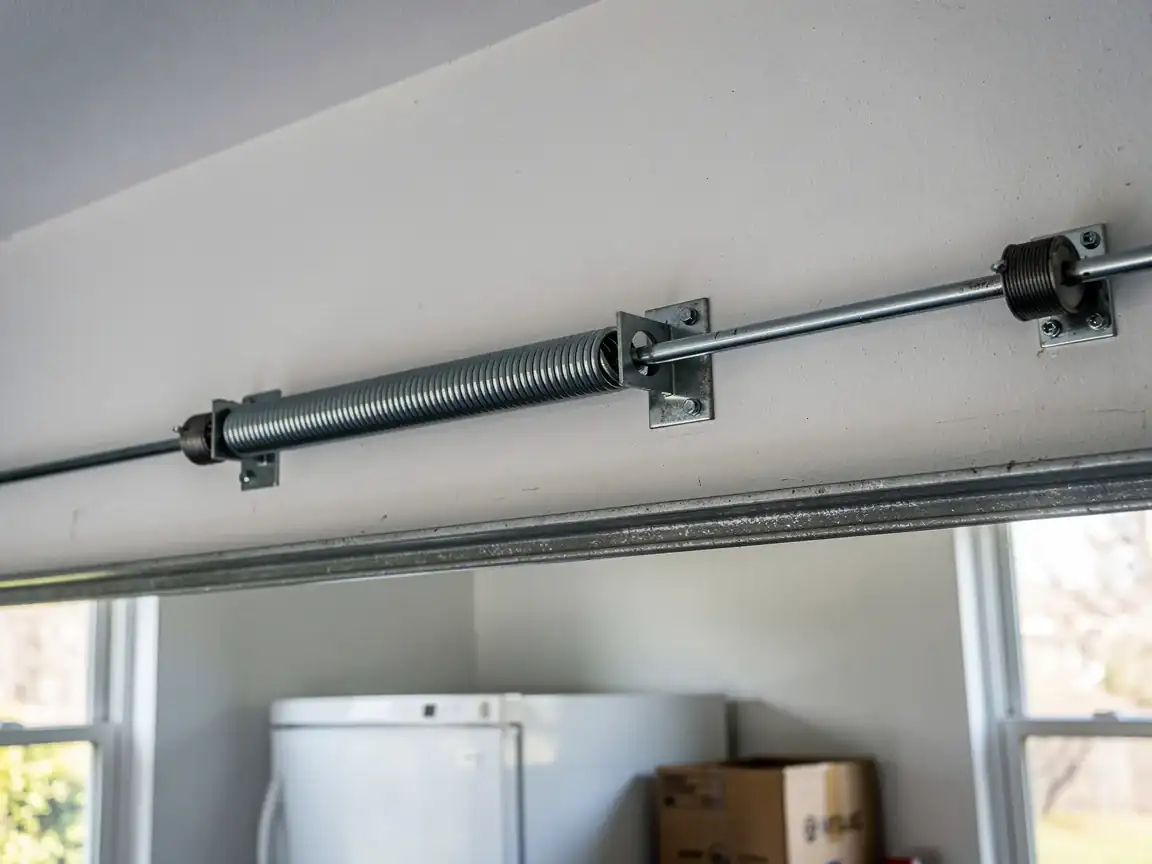
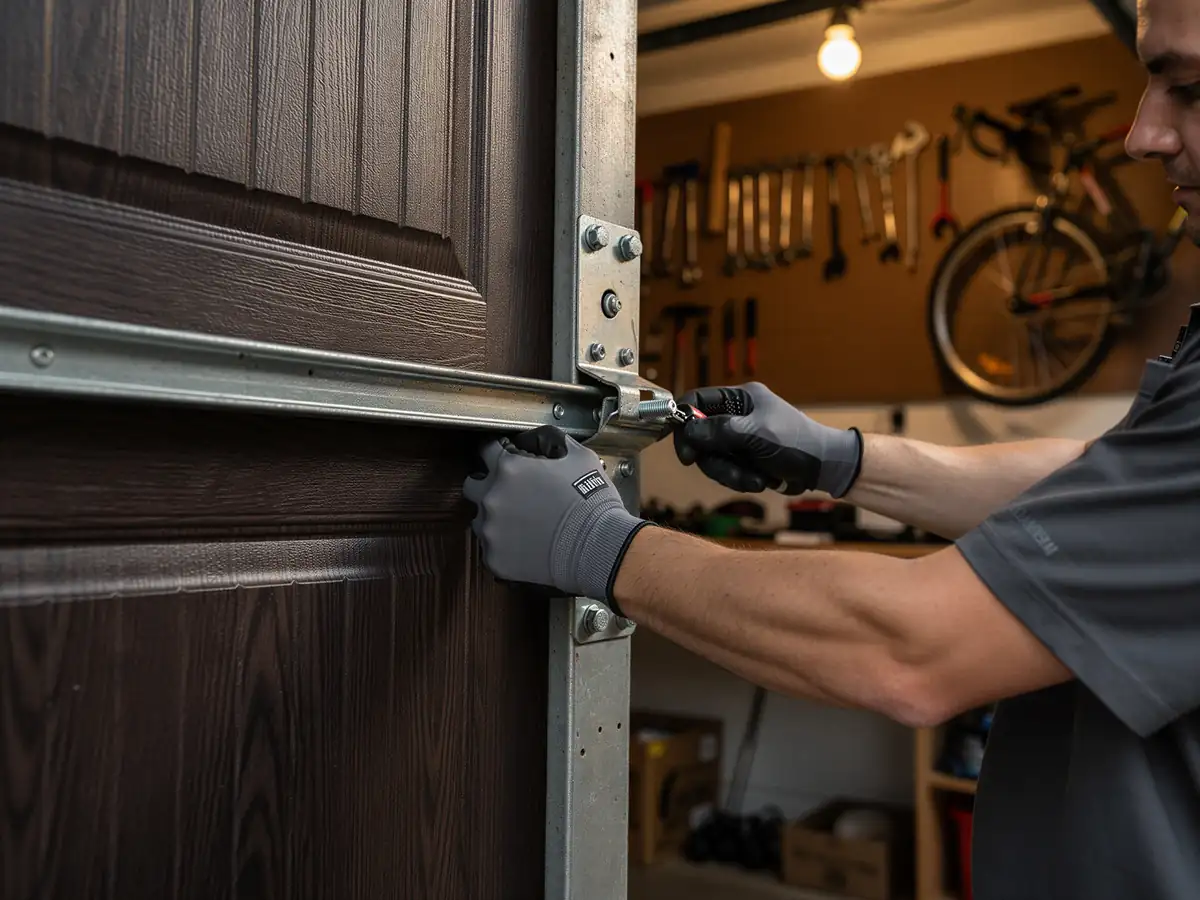
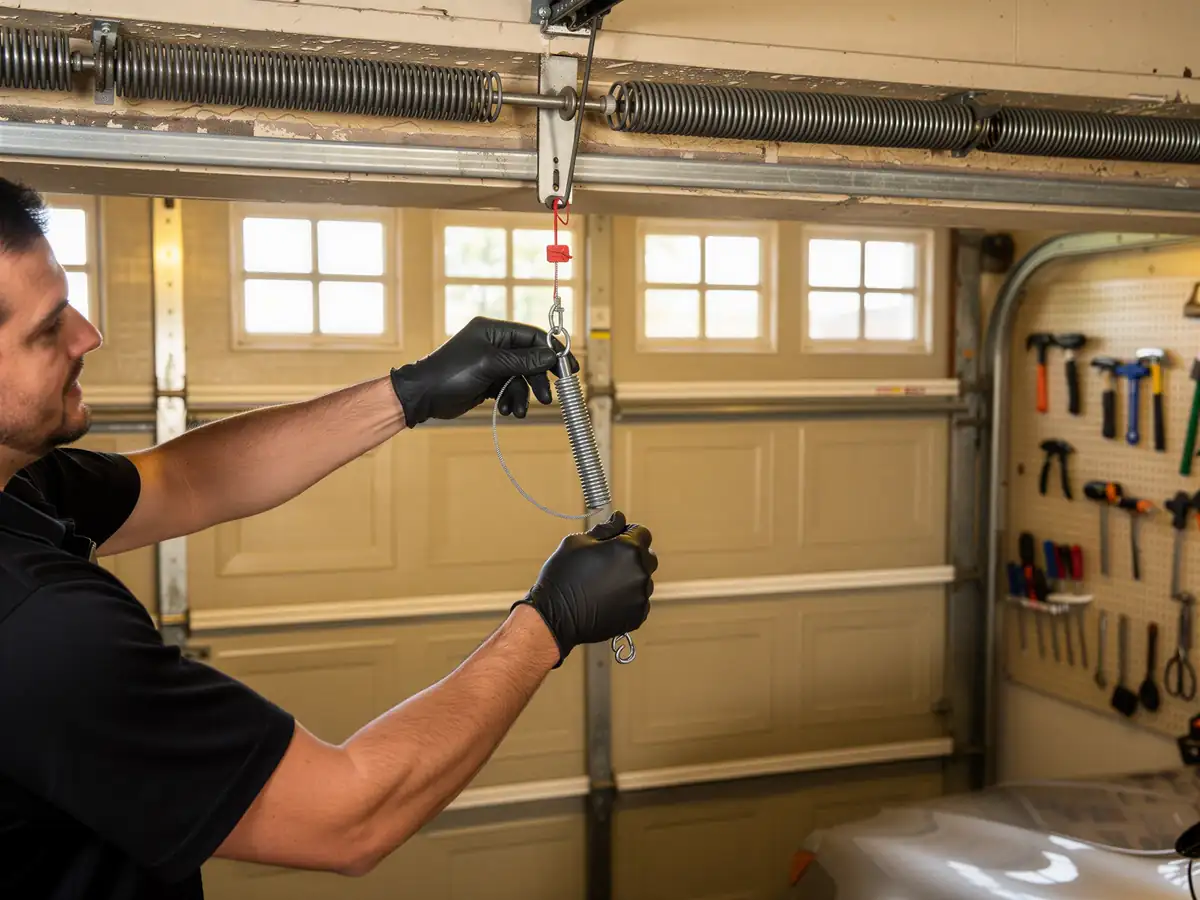
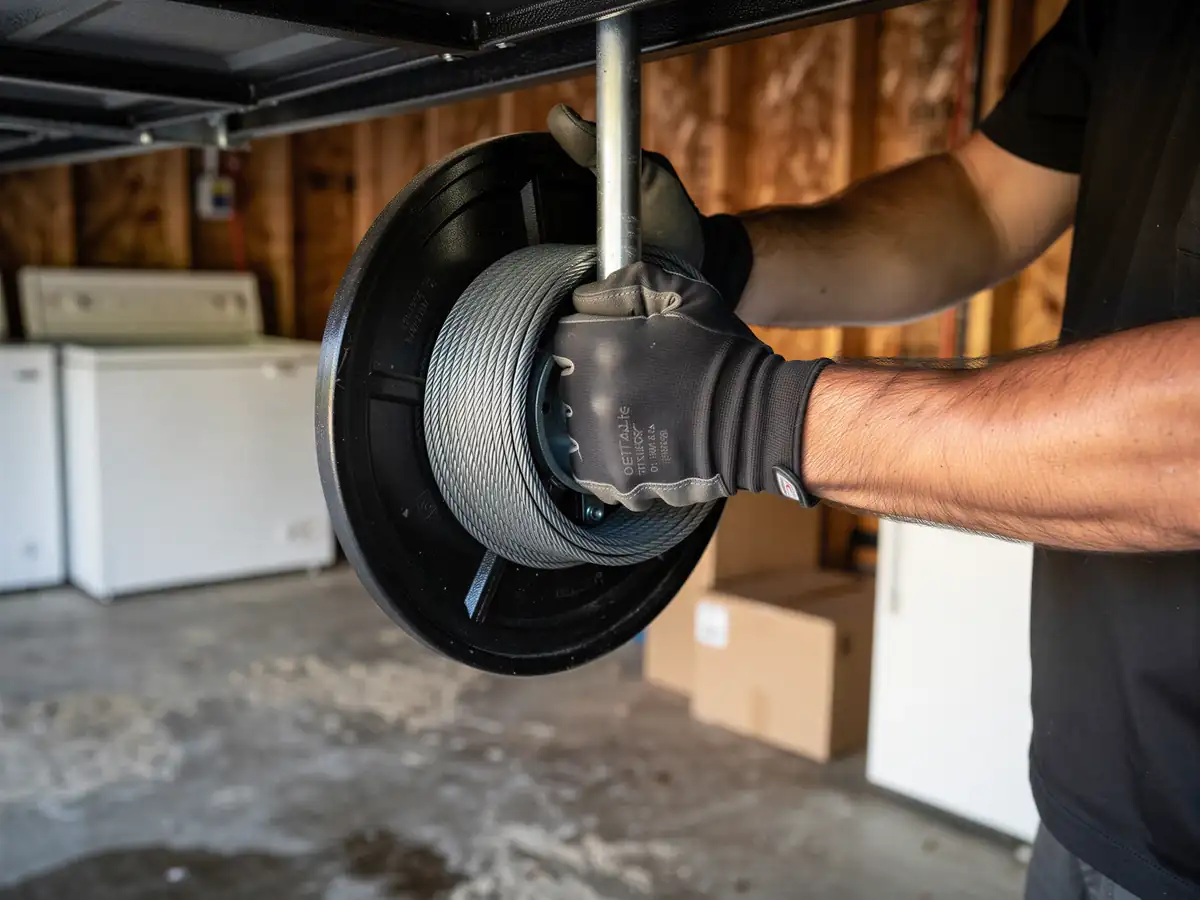
Unload the spring safely, pull the broken halves, measure wire gauge and wind direction, and match it to what the door actually needs rather than whatever's on the truck. On an 1980s-built door that often means a non-standard spring length compared to what gets installed new today. We also check the cable drums and end bearing plates while we're in there, since on doors this age they tend to wear out close together rather than one at a time.
Why This Fails Locally
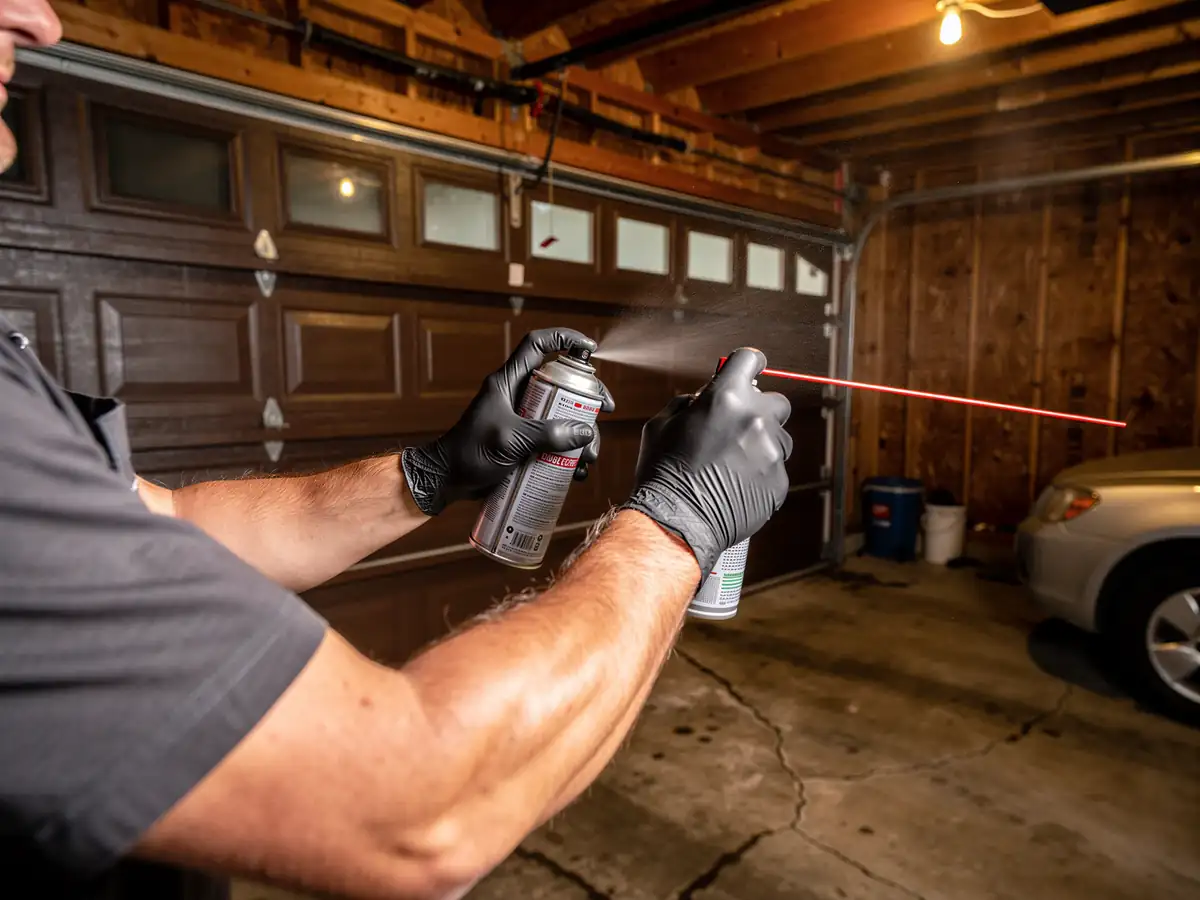
Severe cold swings here crack the nylon idler pulleys and stiffen lift cables on doors built to 1986-era standards faster than they were designed to handle. That's a climate problem more than an age problem, but the two compound each other: older steel springs lose temper faster in hard freeze-thaw cycles than the galvanized coil most newer doors use.
A lot of Harwood's garage doors are still running first-generation openers from the same build period - chain drives with worn sprockets, limit switches that drift, and circuit boards that weren't built with surge protection as standard. When the opener and the spring fail close together, which happens more than owners expect on original hardware, it reads as one big problem when it's really two small ones that happened to time out the same winter.
Doing It Yourself
If the door won't open and the opener motor hums but the door doesn't move, that's almost always a broken spring or a disconnected trolley - not something to force with the emergency release cord while the door is under tension. Pulling the release on a door with a broken spring just drops the full weight onto your arms and the track.
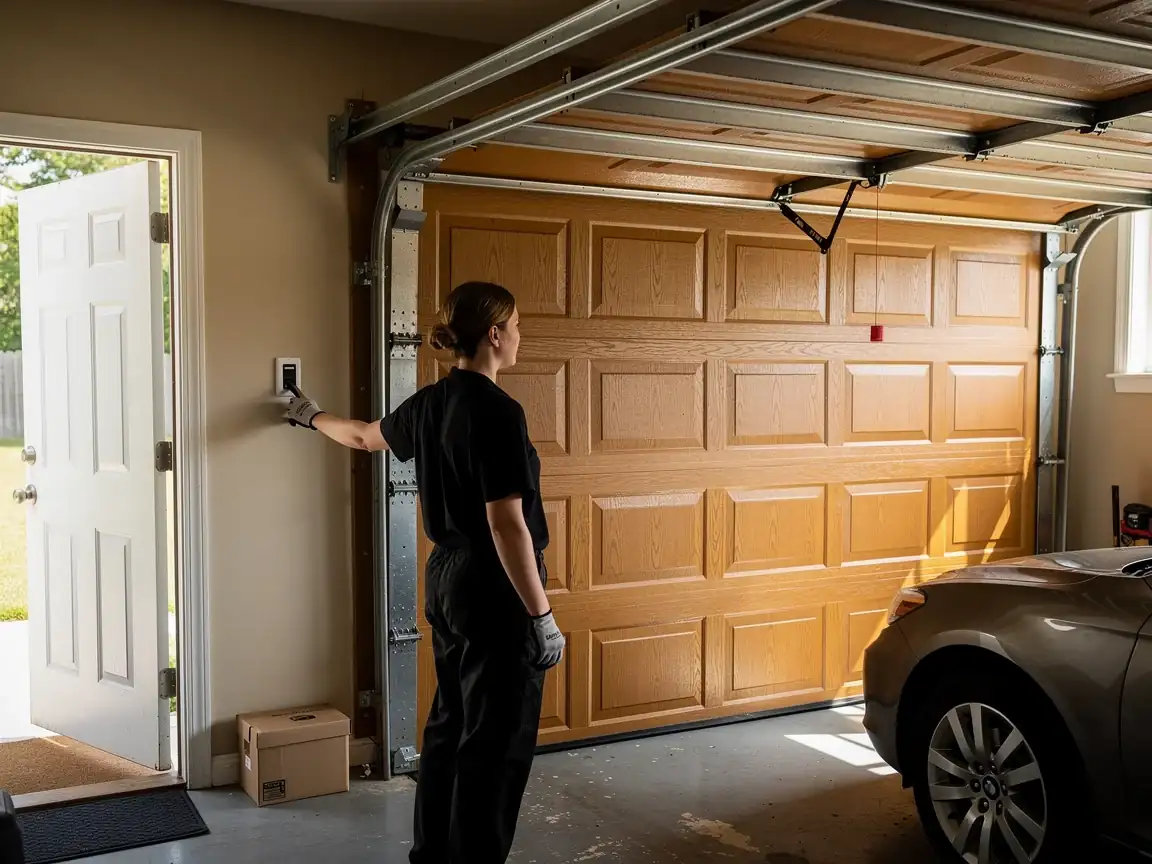
What you can check safely: the wall switch for stuck sensors, the photo-eye alignment at the bottom of the track (a common nuisance fault in winter when ice builds on the lens), and whether the door is binding on one side versus hanging level. None of that requires touching the spring or cable system. If a cable's frayed or a spring's visibly separated, that's the point to stop and call - those parts are under enough tension to cause real injury, and on a door this age the hardware isn't always what current manuals assume.
Stocked Parts
With only 248 households in Harwood, parts suppliers don't keep a local stock here
So our trucks carry the sizes mid-1980s doors actually used - wider-wind torsion springs, older-pattern drums, and the galvanized cable gauges that matched doors from that build period rather than today's standard stock. That's the honest limitation: if a part turns out to be a discontinued opener board or a specialty panel size that nobody made past the 1990s, we may need a day or two to source it rather than finish the same visit.
- 248 households
A median household income of $145,000 in Harwood means more owners choose full opener replacement over patching a board that's already obsolete
And that's often the right call once a board or logic circuit from that era fails - repairing a thirty-plus-year-old circuit board usually costs more in labor than a new unit, even before you count the next failure.
- $145,000 median household income
The Symptom
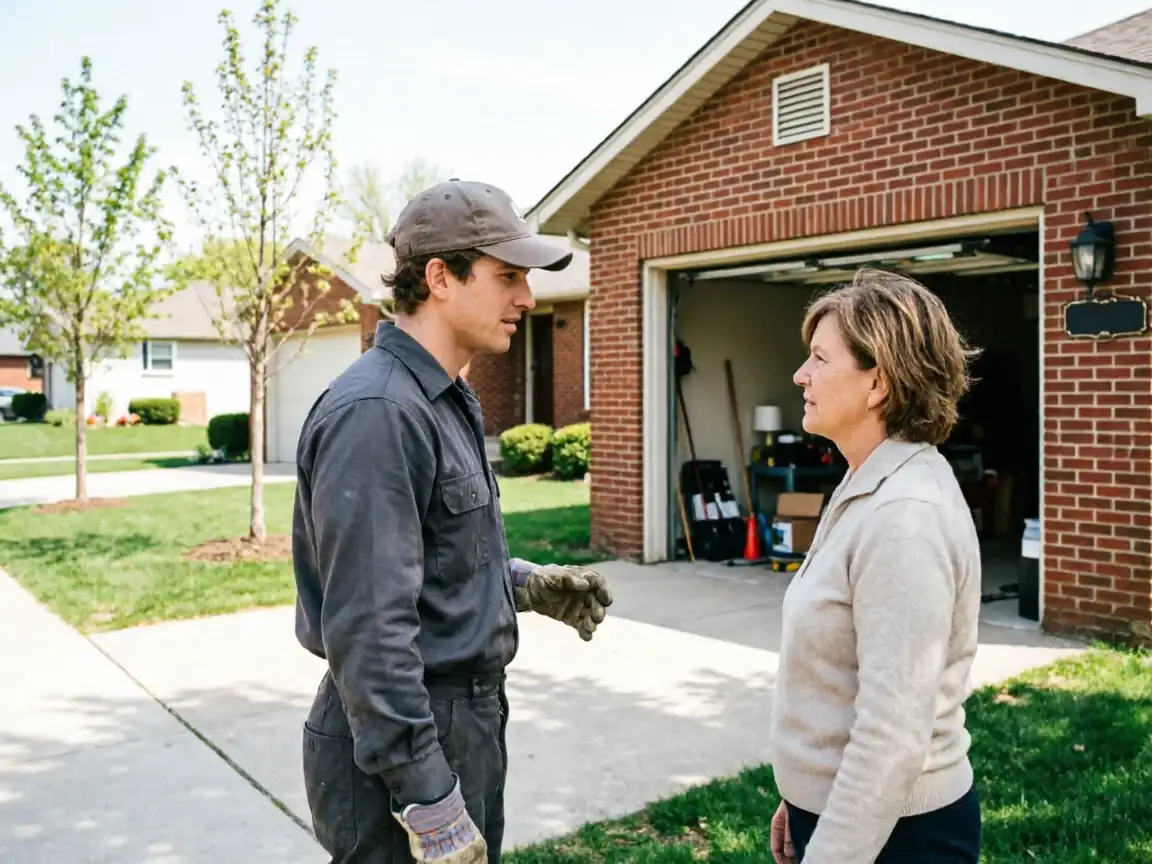
The door reverses halfway up, or it opens fine in the afternoon and jams solid after a cold night - that pattern points to a spring that's lost tension unevenly, not a full break yet, which is actually the easier and cheaper fix if you catch it before the spring snaps outright. At 8 miles from Fargo, Harwood is close enough that a truck can be at your door within a reasonable haul, but it means no on-site depot sits in town itself, so the parts that go wrong on a call here are whatever's loaded that morning plus what we know this housing stock needs.
A grinding noise from one side usually means a roller's gone, not the spring - rollers wear out faster on original 1980s track profiles than on wider modern track, since the roller diameter and track width were never a perfect match to begin with.