Why This Fails Locally
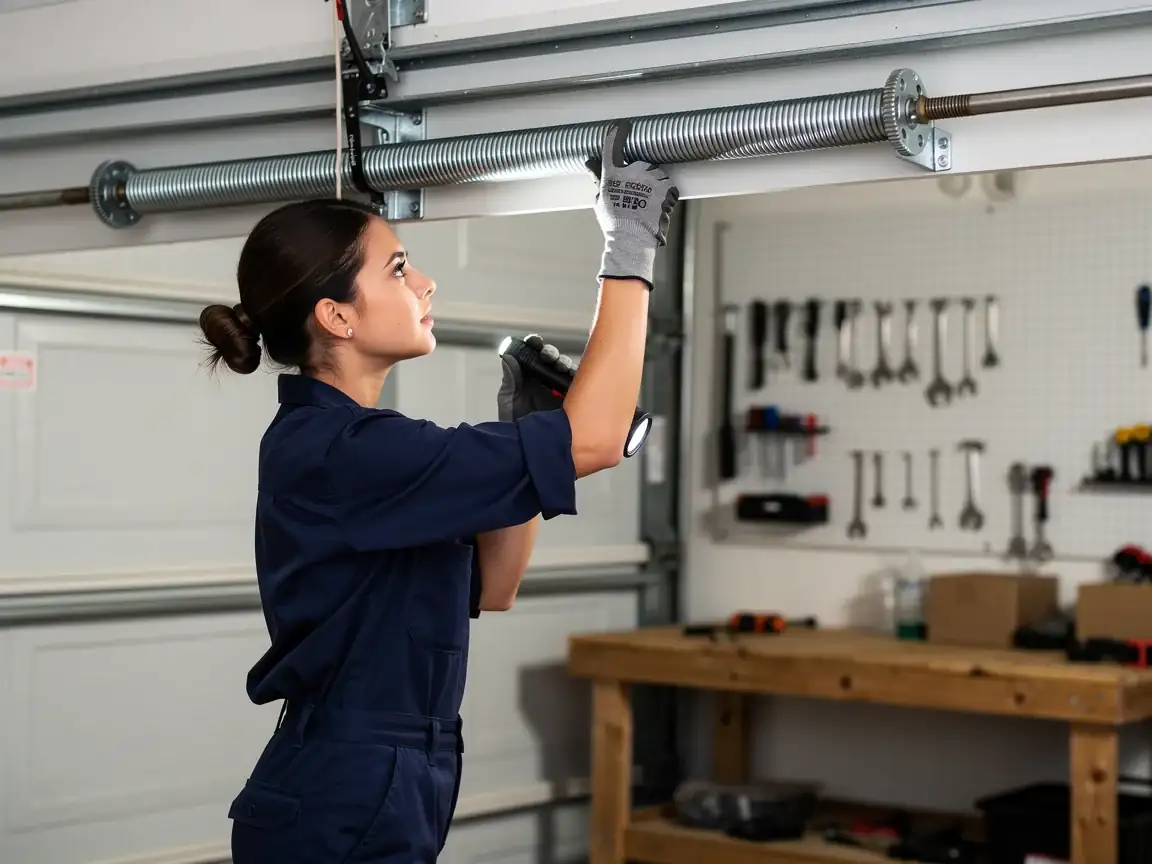
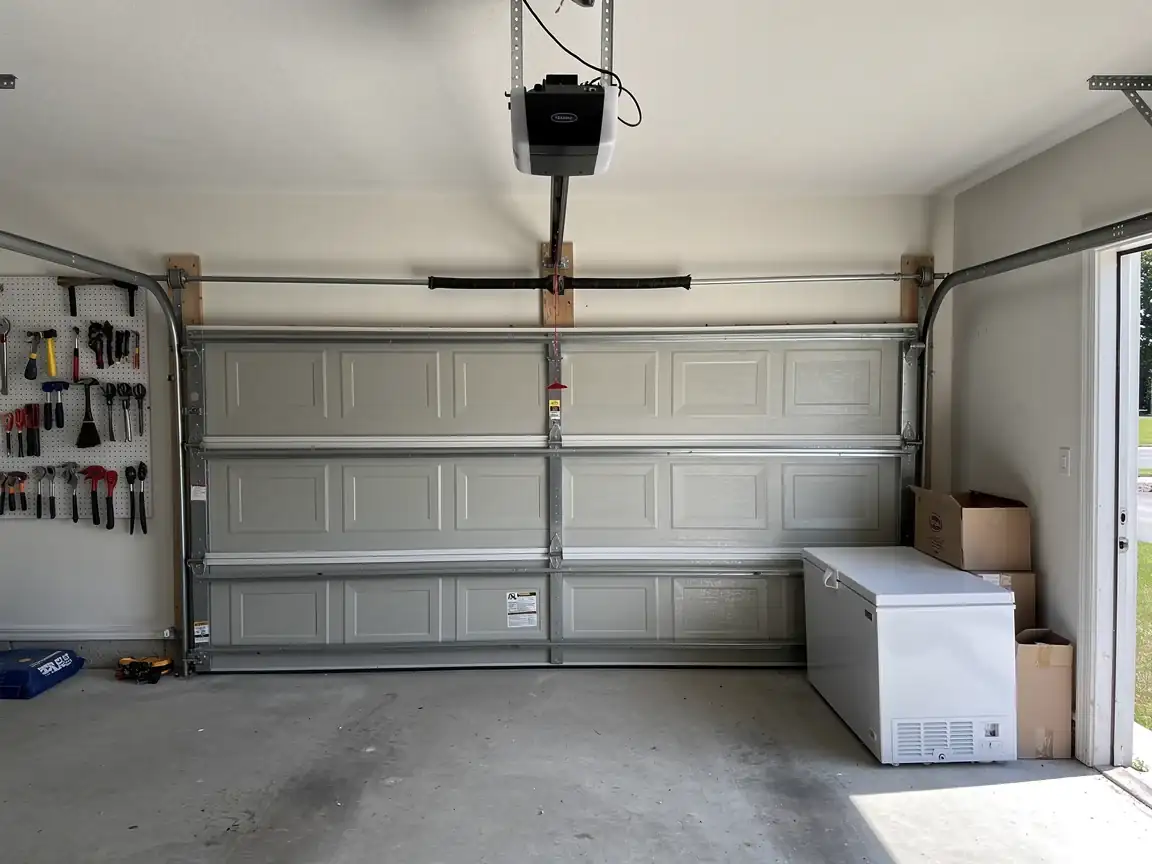
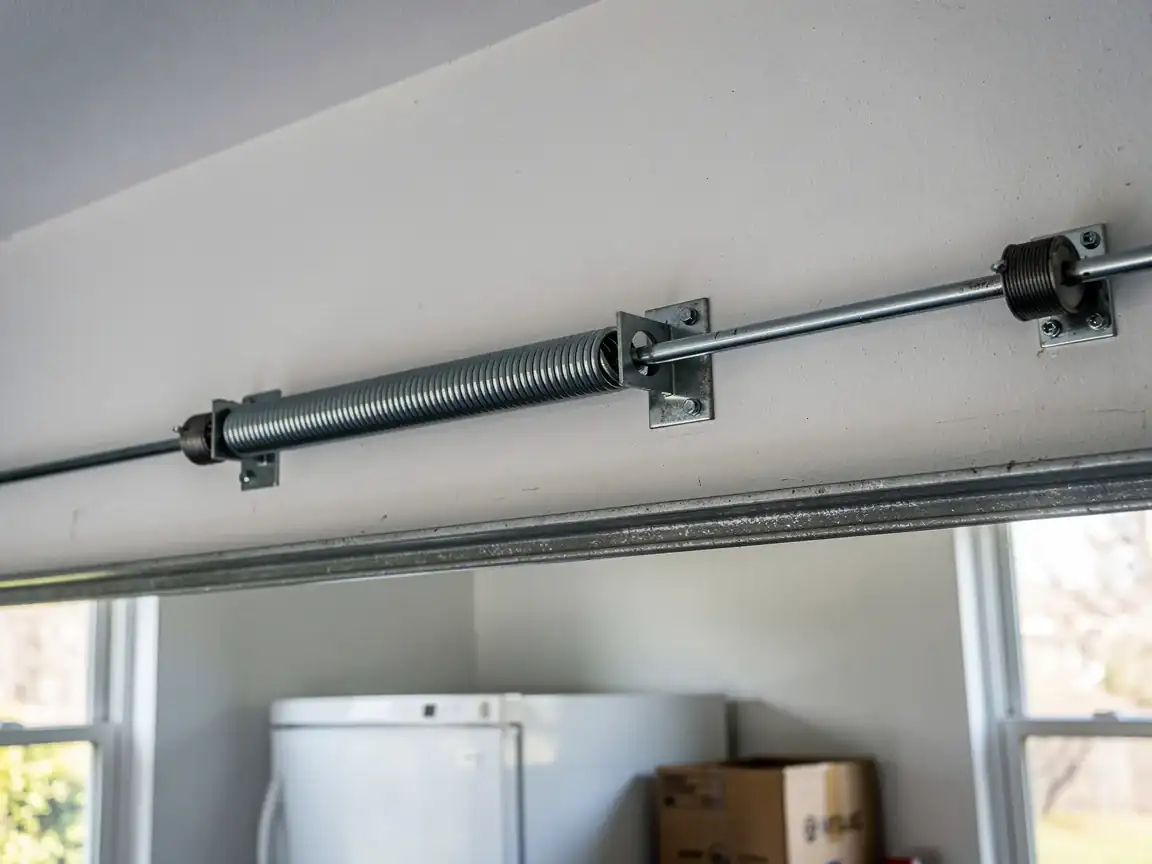
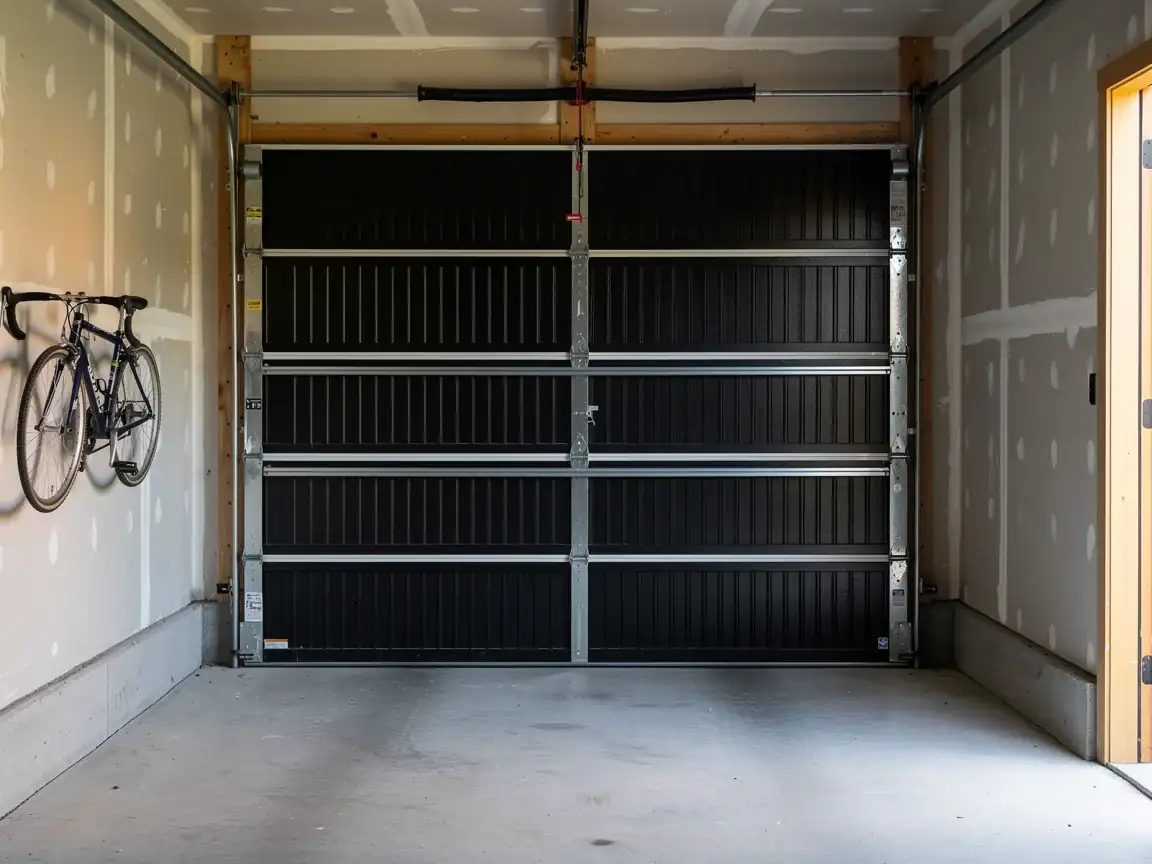
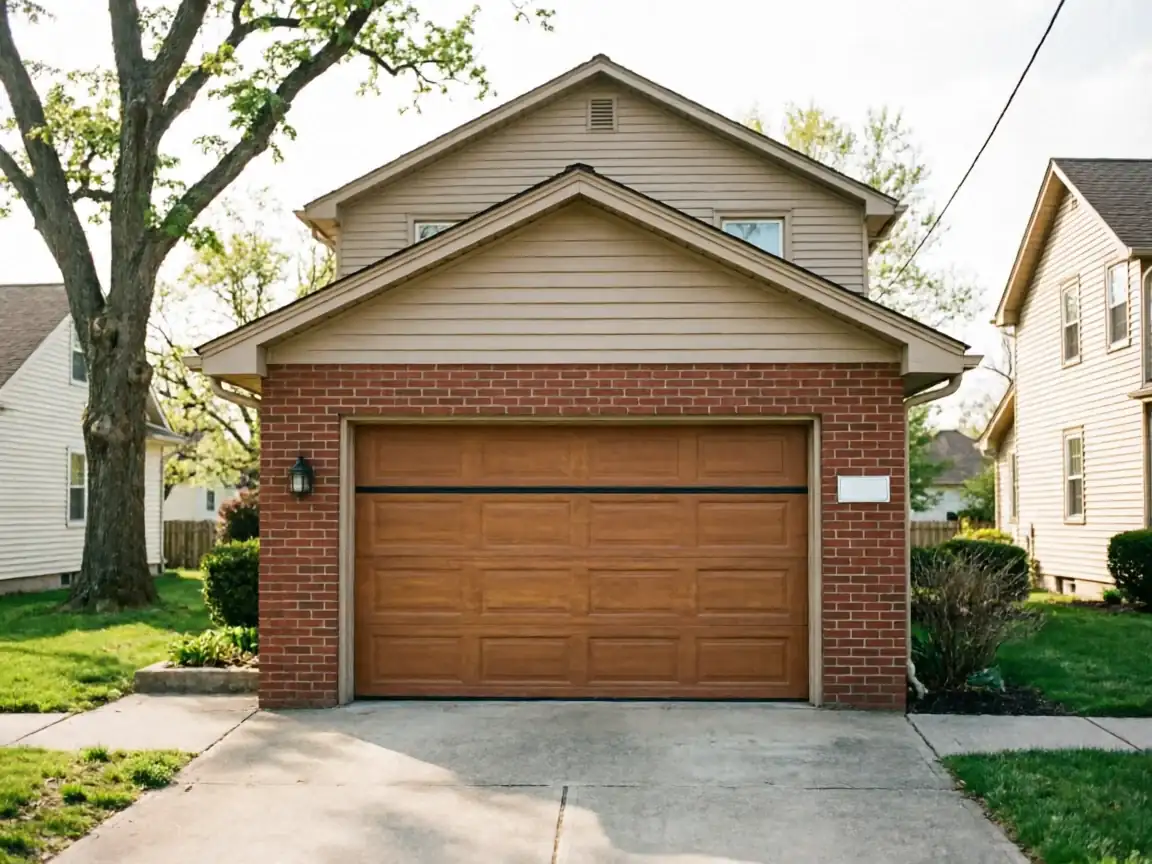
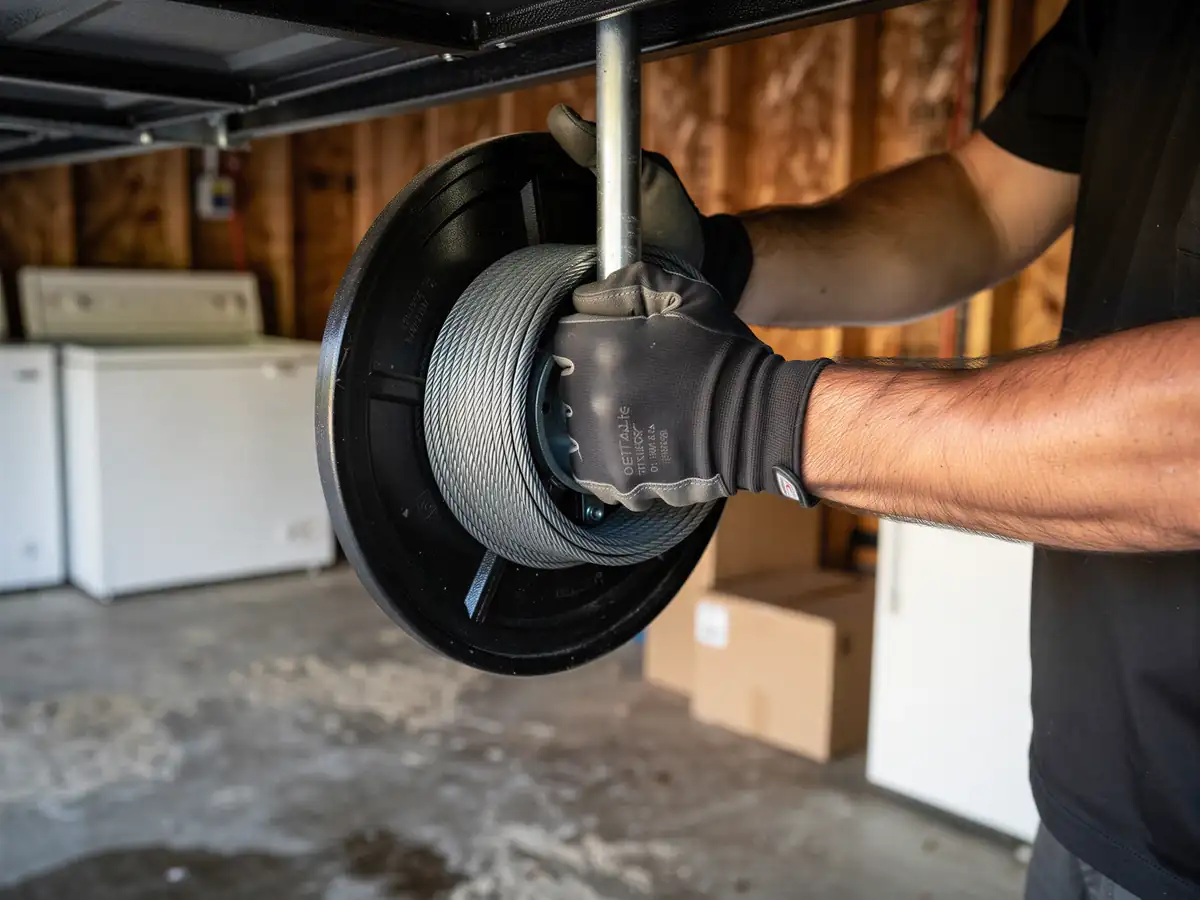
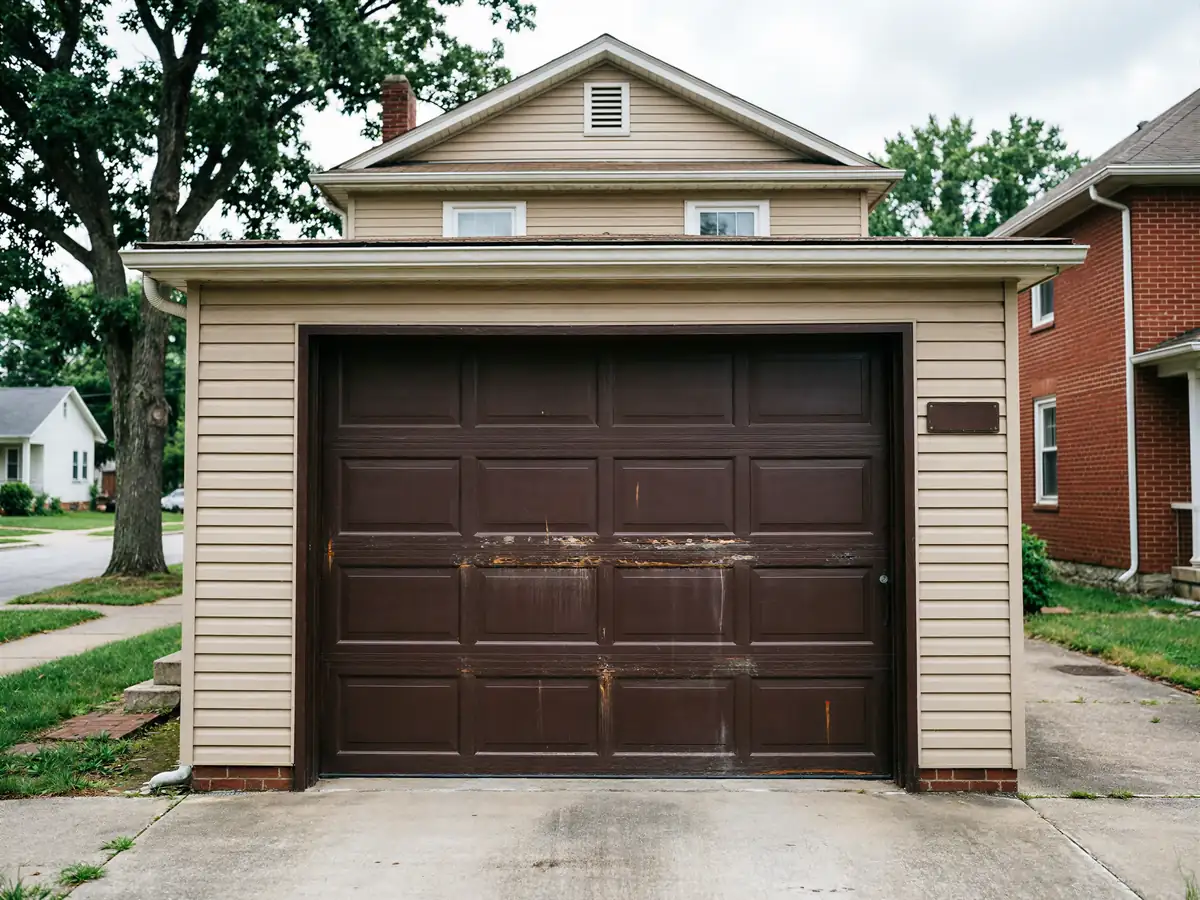
North Dakota's cold band isn't gentle on steel and grease, and a door built in the mid-1980s wasn't engineered with today's insulation or weatherstripping standards in mind. Original springs on a 1986 door have had roughly forty winters of expansion and contraction cycling through them. That's not a scare number, it's just what severe cold does to torsion steel over time: the metal fatigues faster than it would in a milder climate, and the failure tends to be sudden rather than gradual. Harwood's housing stock being this uniform in age means a lot of these springs are approaching the same point in their service life at roughly the same time, which is different from a neighborhood with a mix of build years where failures spread out. The other thing that fails here specifically is old nylon rollers that have gone brittle from decades of cold snaps - they don't squeak first, they just crack.
Doing It Yourself
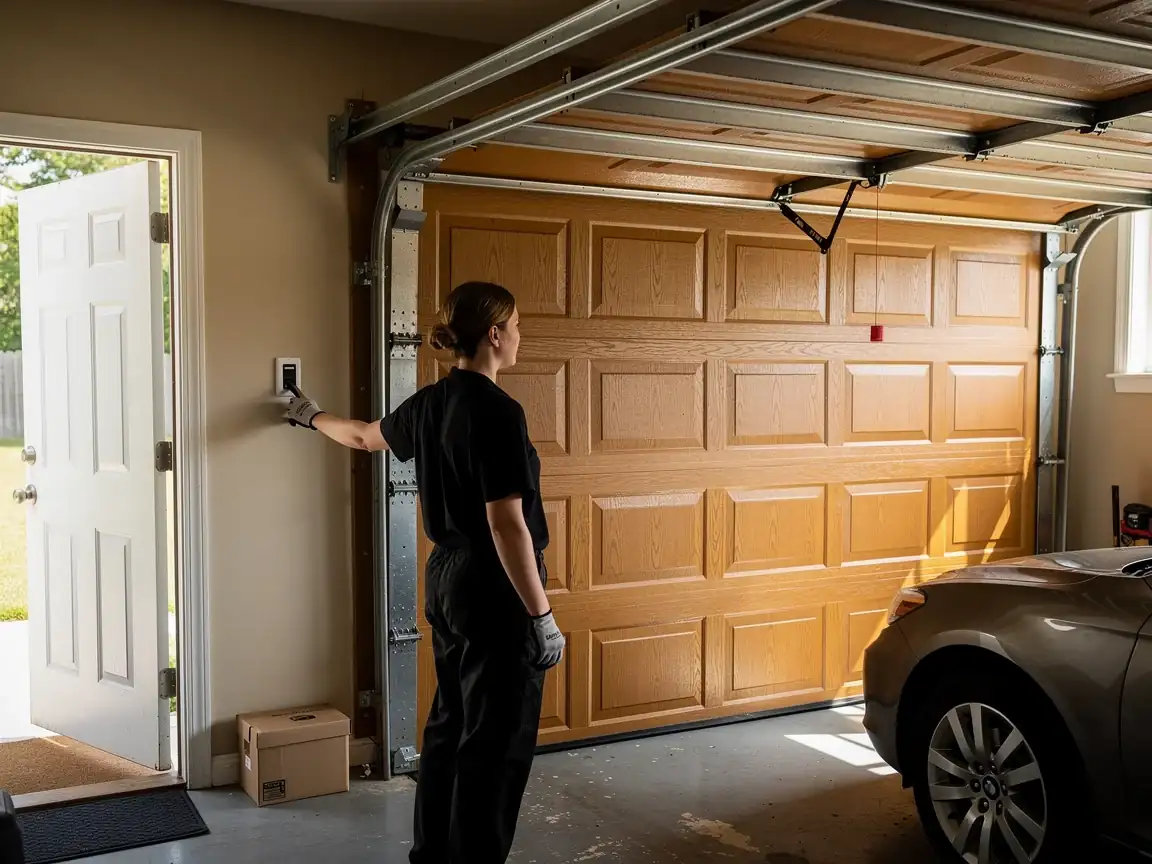
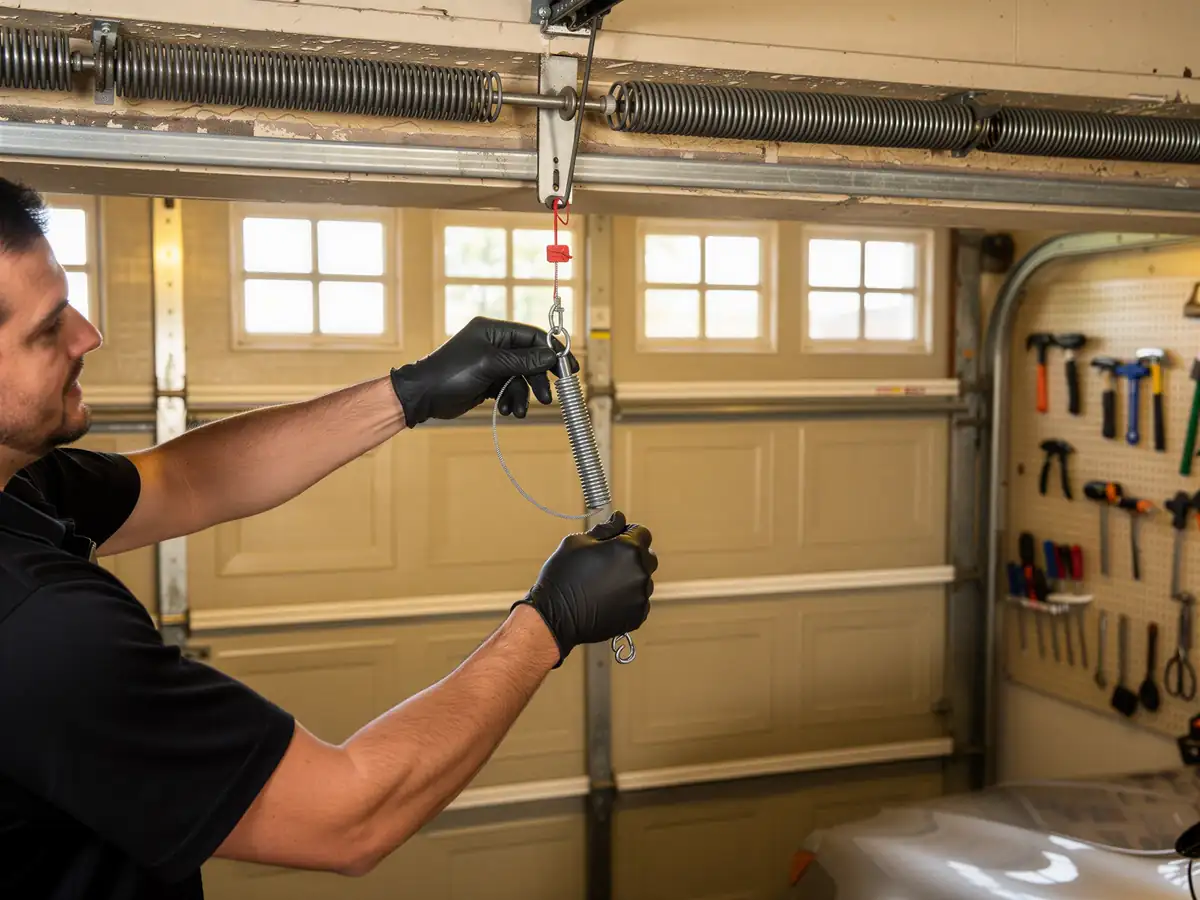
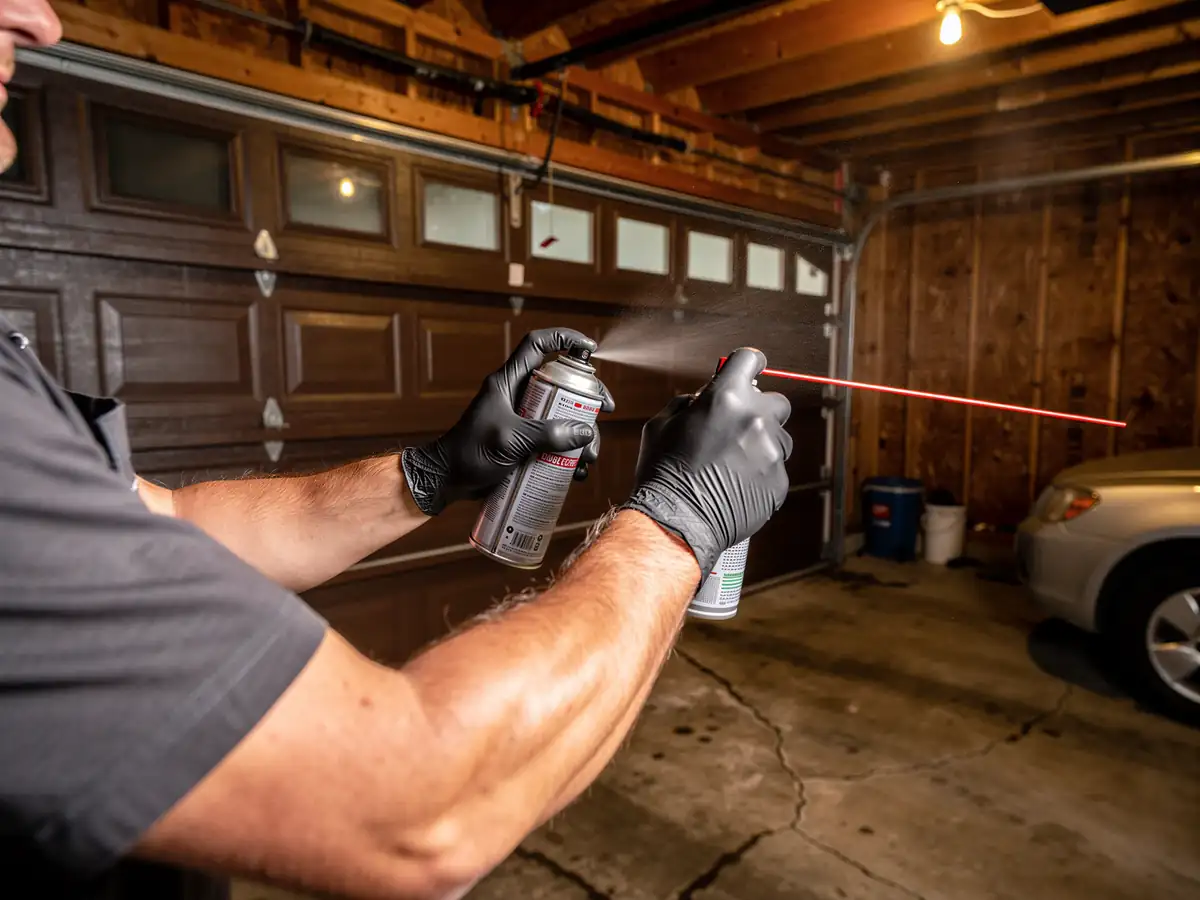
You can do some of this yourself. Vacuuming the track, wiping down and lightly lubricating rollers with a garage-door-specific lubricant (not WD-40, it attracts grit), and testing the auto-reverse safety feature by setting a board under the door and watching it reverse - all reasonable homeowner tasks. What you shouldn't touch is the torsion spring itself. On a door this age, the spring is under decades of stored tension and the winding cones can be more worn than they look. We don't sell spring adjustment as a DIY step for a house in this bracket, and we'd rather tell you that than have you find out the hard way. If your opener motor is original to the house, that's also worth a second opinion before you keep running it - parts for some of these older units take a while to track down.
The Symptom
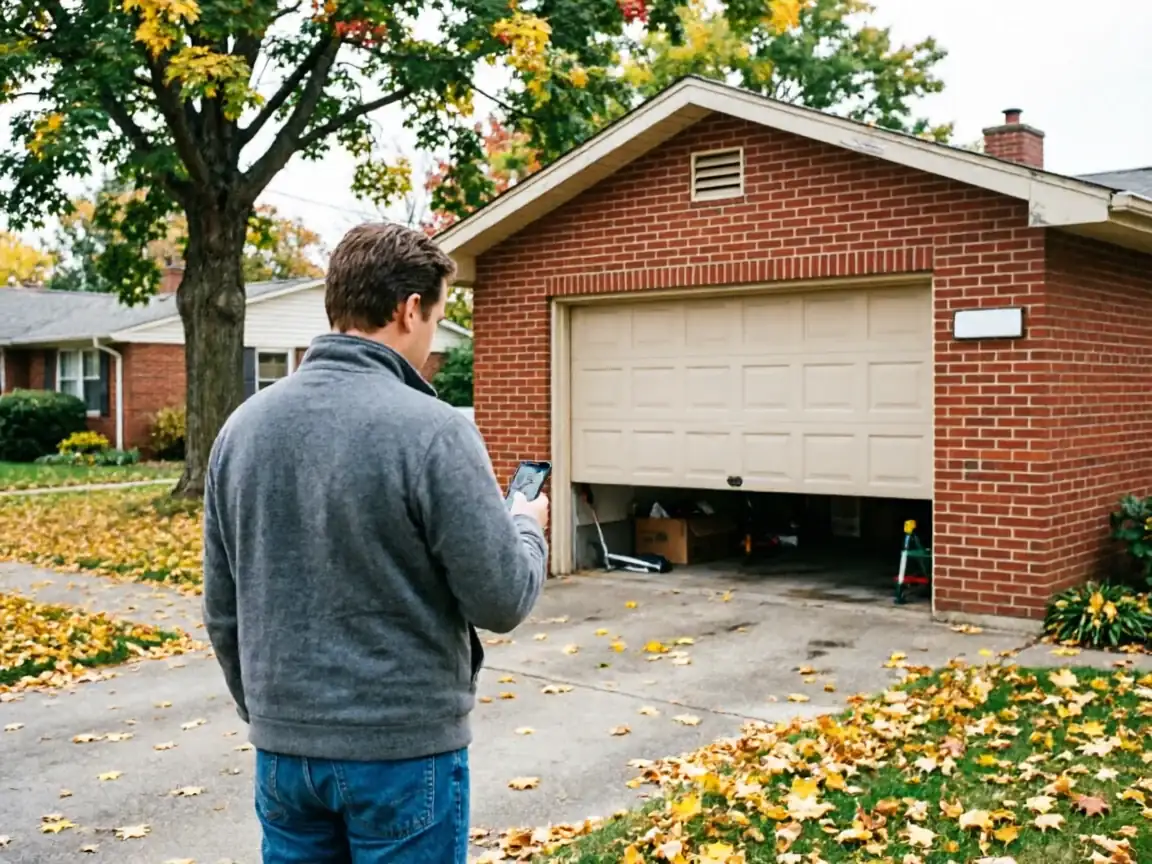
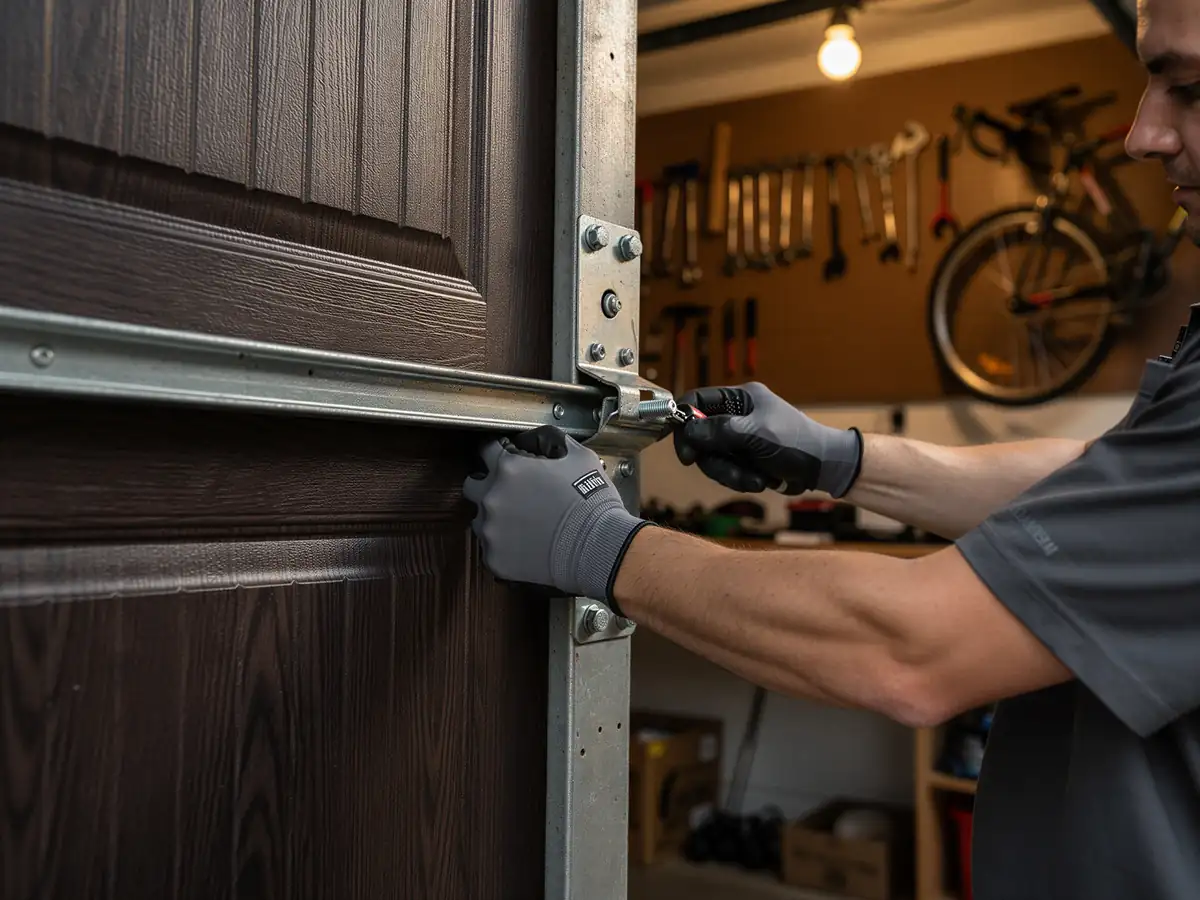
The complaint we hear most from this stretch of houses is a door that shudders or jerks partway through its travel instead of moving smoothly. On a door this age, that's almost always a roller that's worn flat on one side or a spring that's lost enough tension to throw the balance off. Harwood's median income sits well above the wider Fargo service area, and we mention that only because it tends to mean owners catch this symptom early and call before the door fails outright rather than running it until the cable snaps. That's the right instinct. A door that jerks is cheaper to fix than a door that's stuck.