Why This Fails Locally
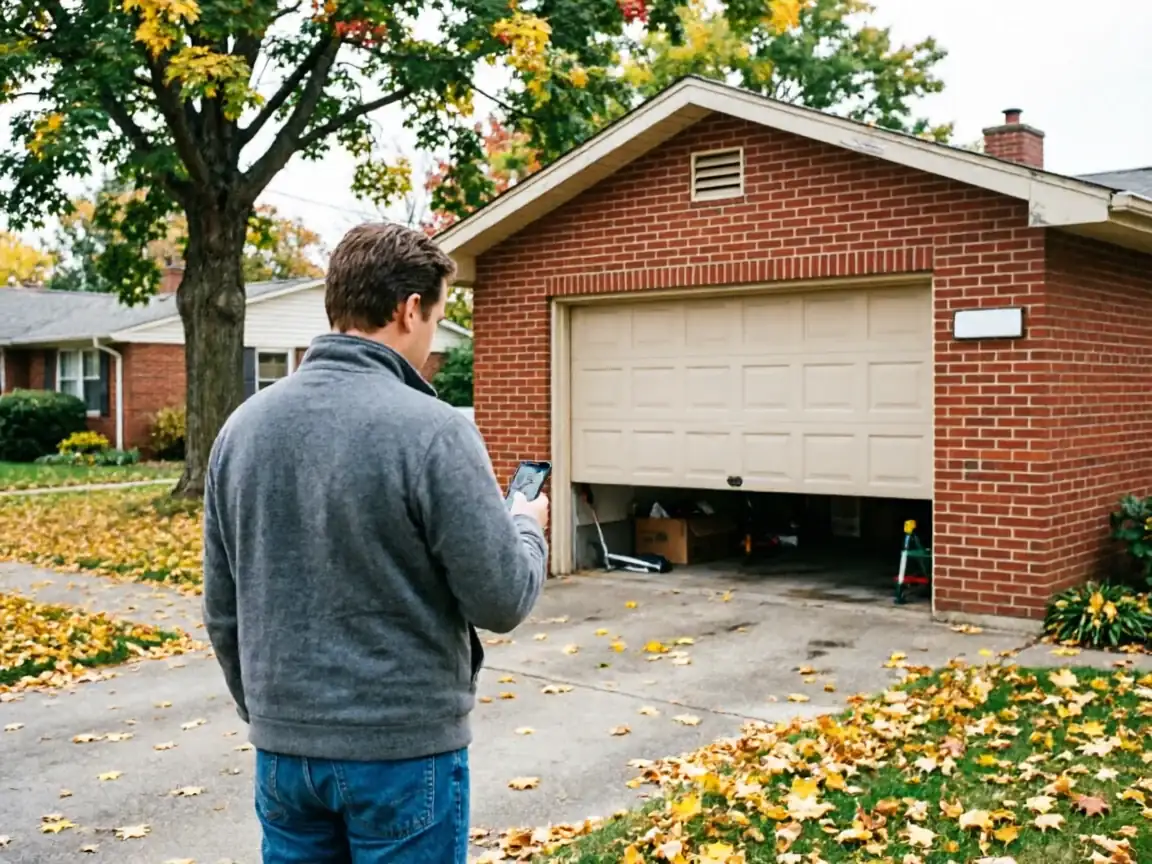
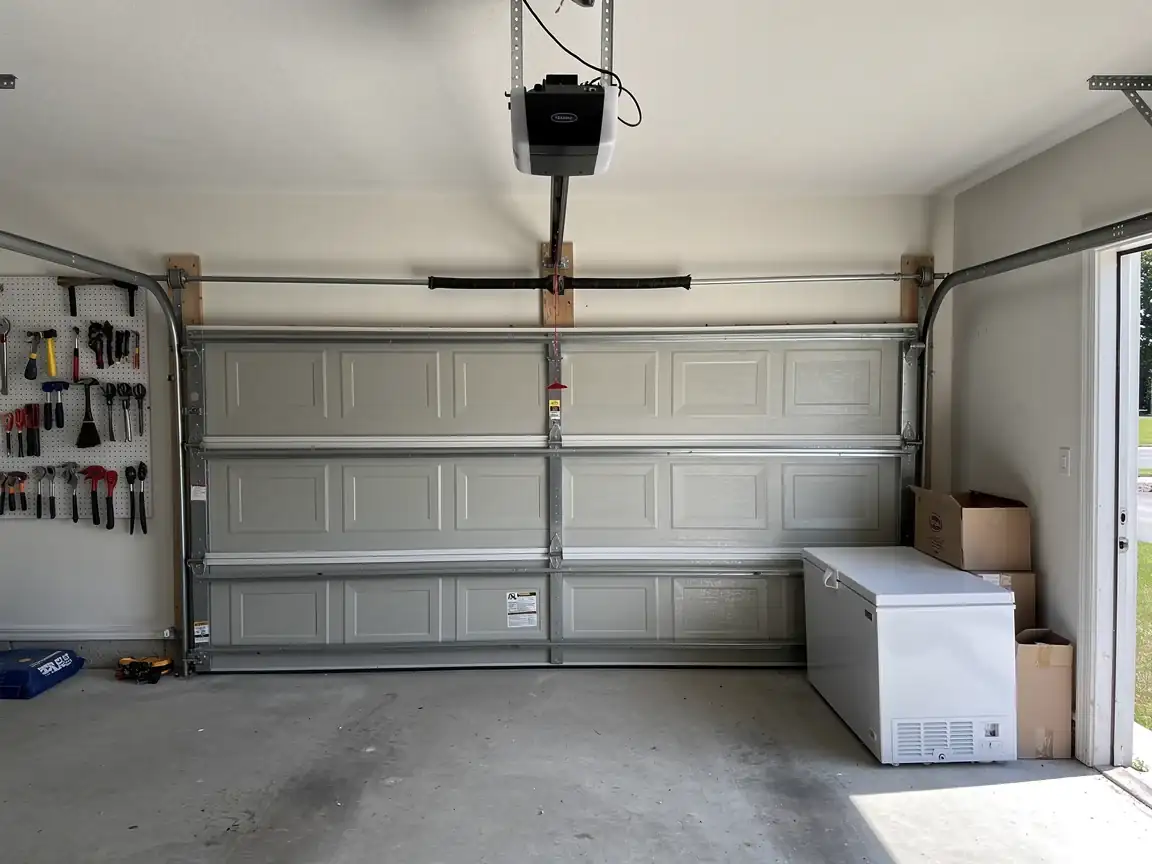
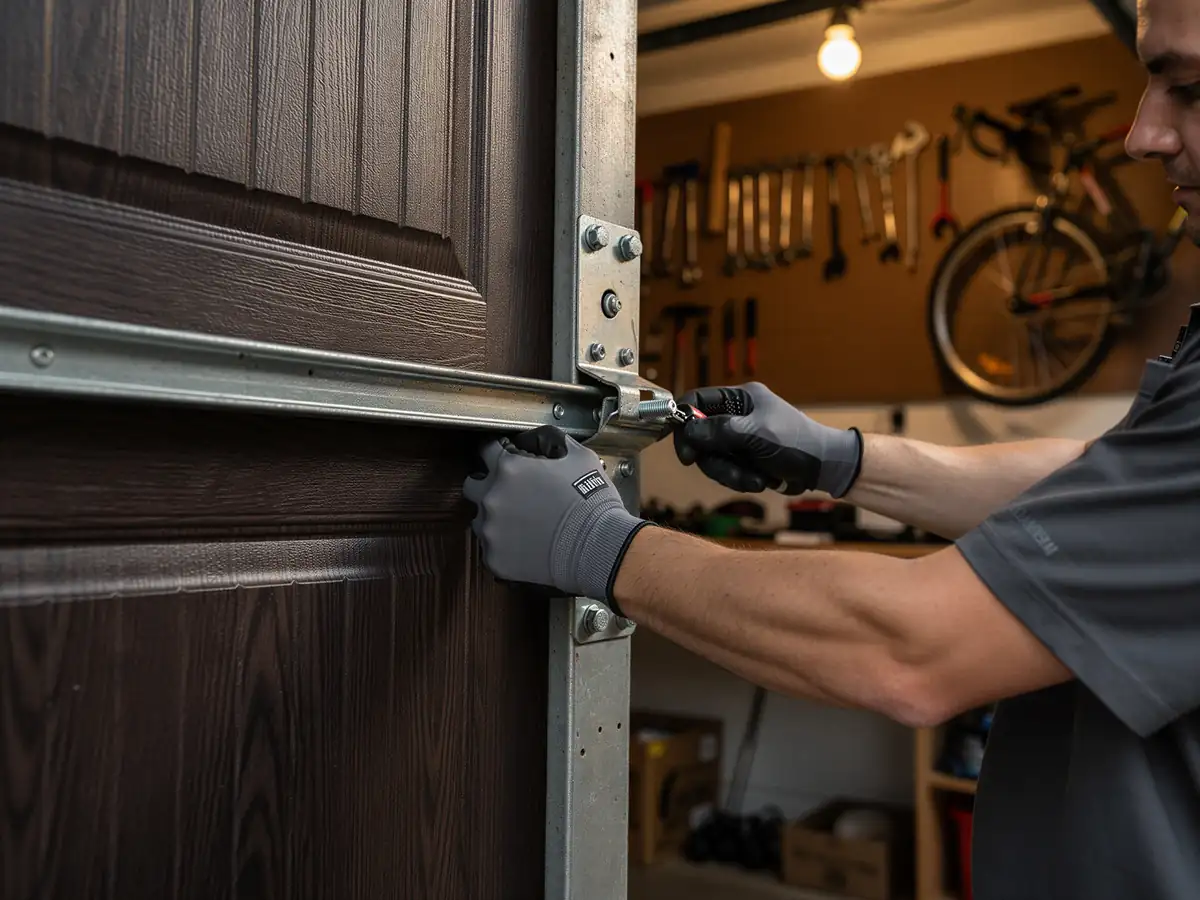
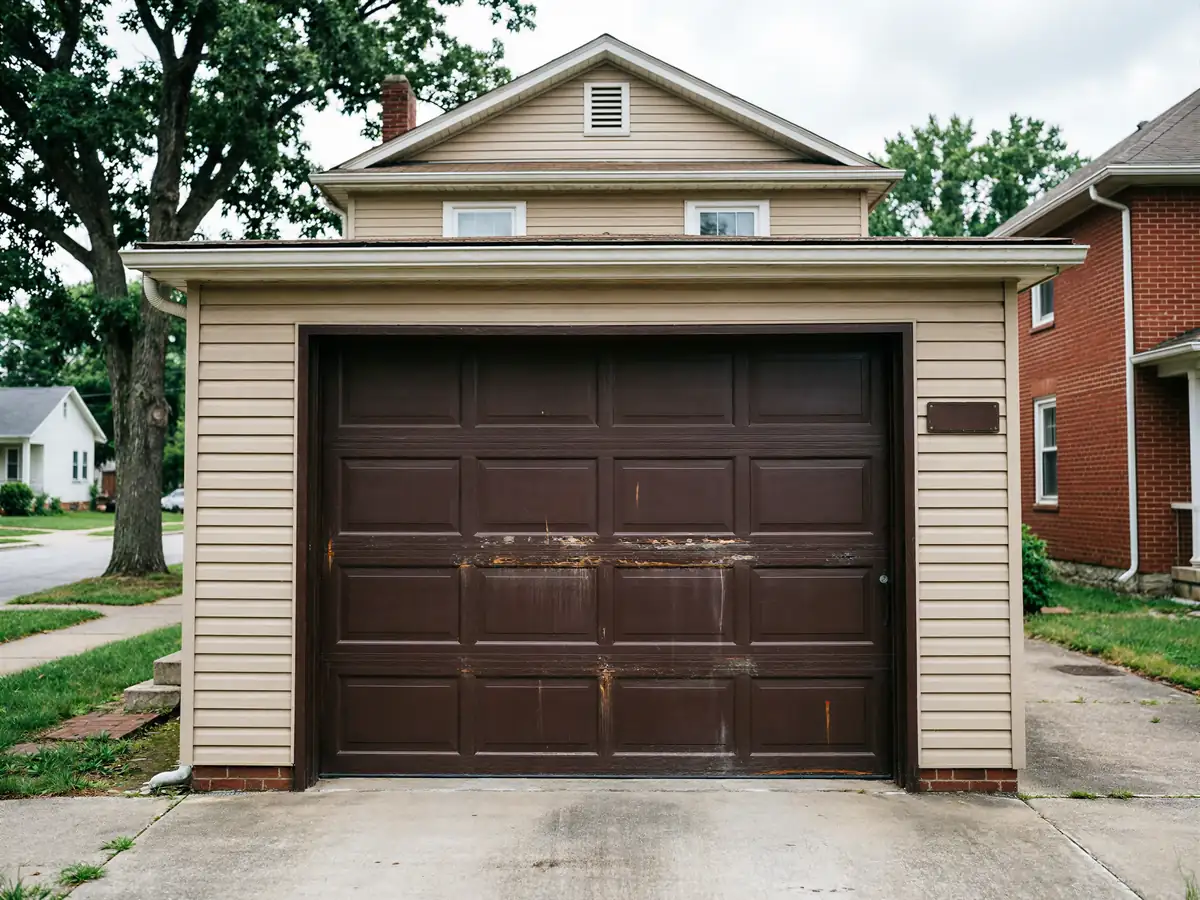
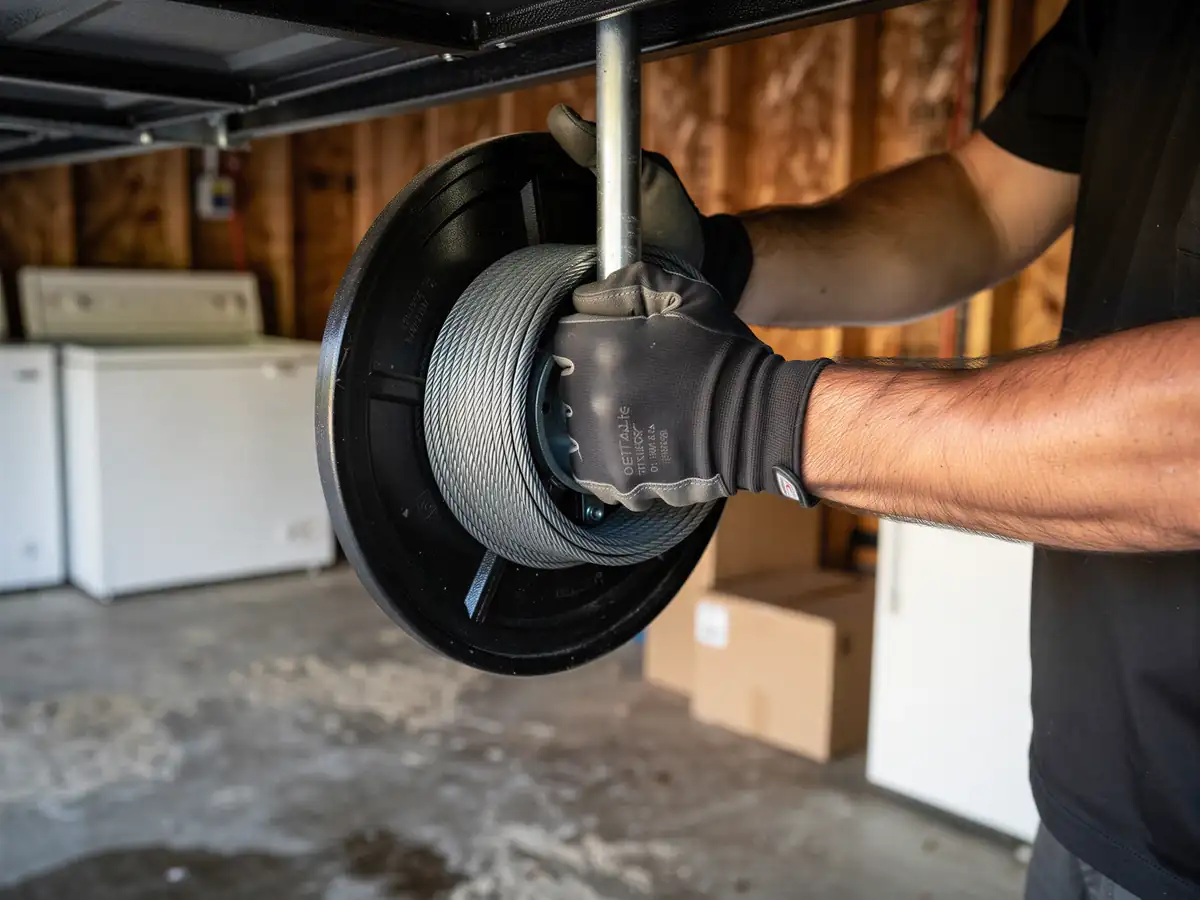
North Dakota's winters are the real driver here, not just age. The climate band for this area is classified cold-severe, and lifting cables are exposed to temperature swings that make galvanized steel brittle at the strand level over time. On a door that's roughly 35-40 years old, that cable has been through four decades of those swings. Add in the extension-spring geometry common to 1986-era construction - the cable does more of the direct lifting work than it does on a torsion system - and you get a part that's both older and under more load than its newer-construction counterpart. The failure usually shows up the same way: a cold snap, a door that's been opened and closed thousands of times, and a strand gives out at the point where it wraps the bottom bracket. That's the fray point we check first on any call out this way.
Doing It Yourself
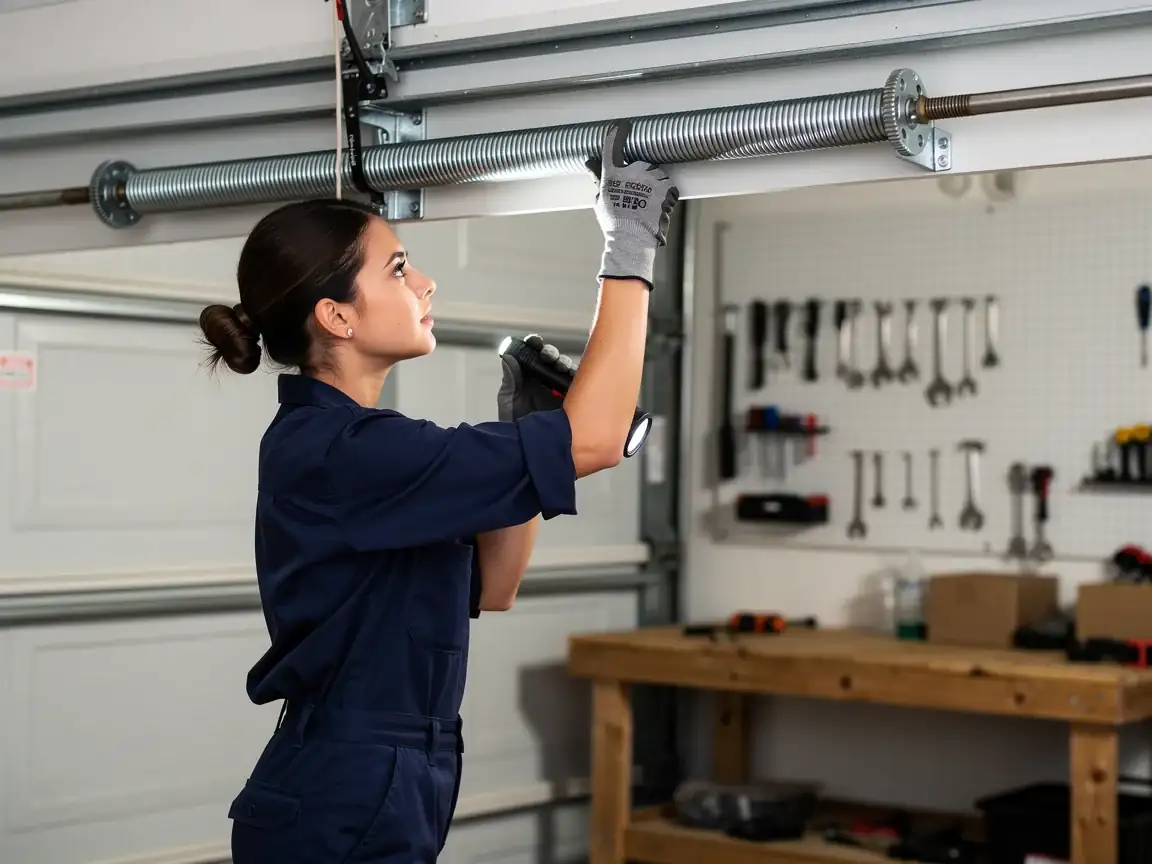
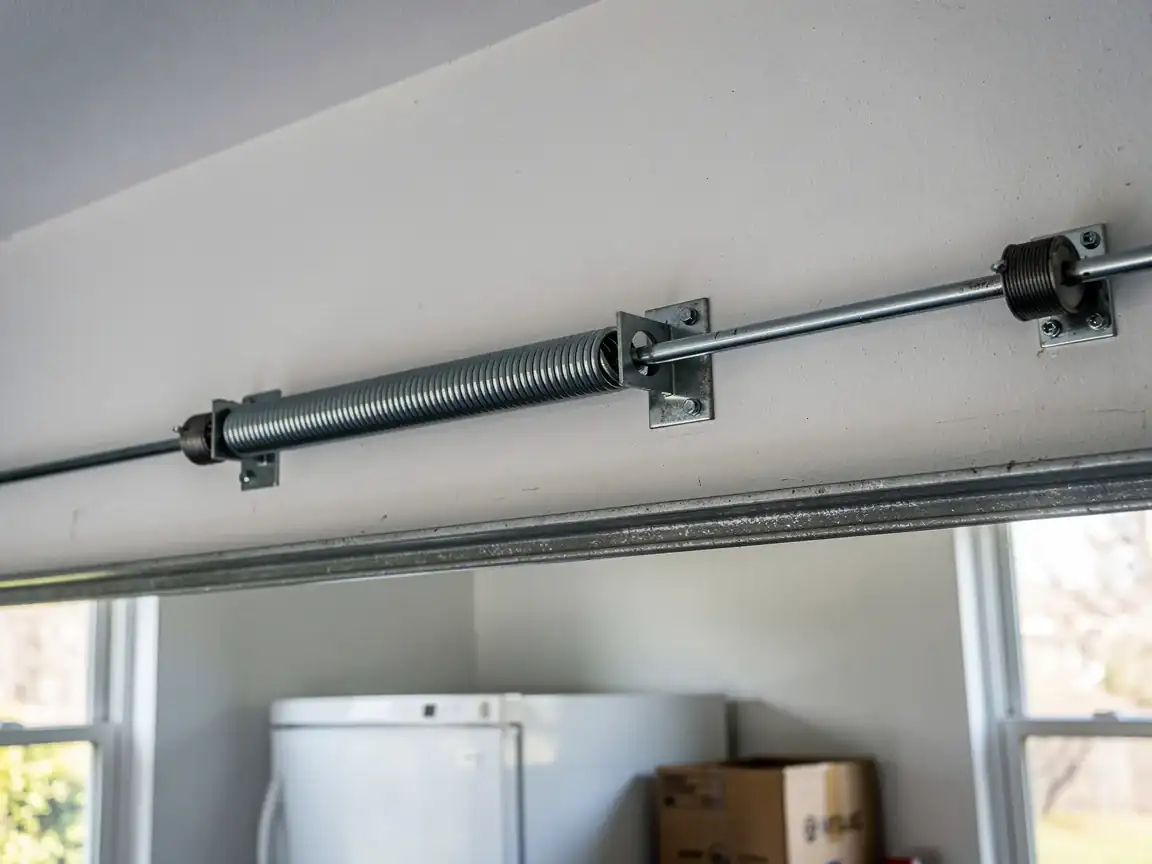
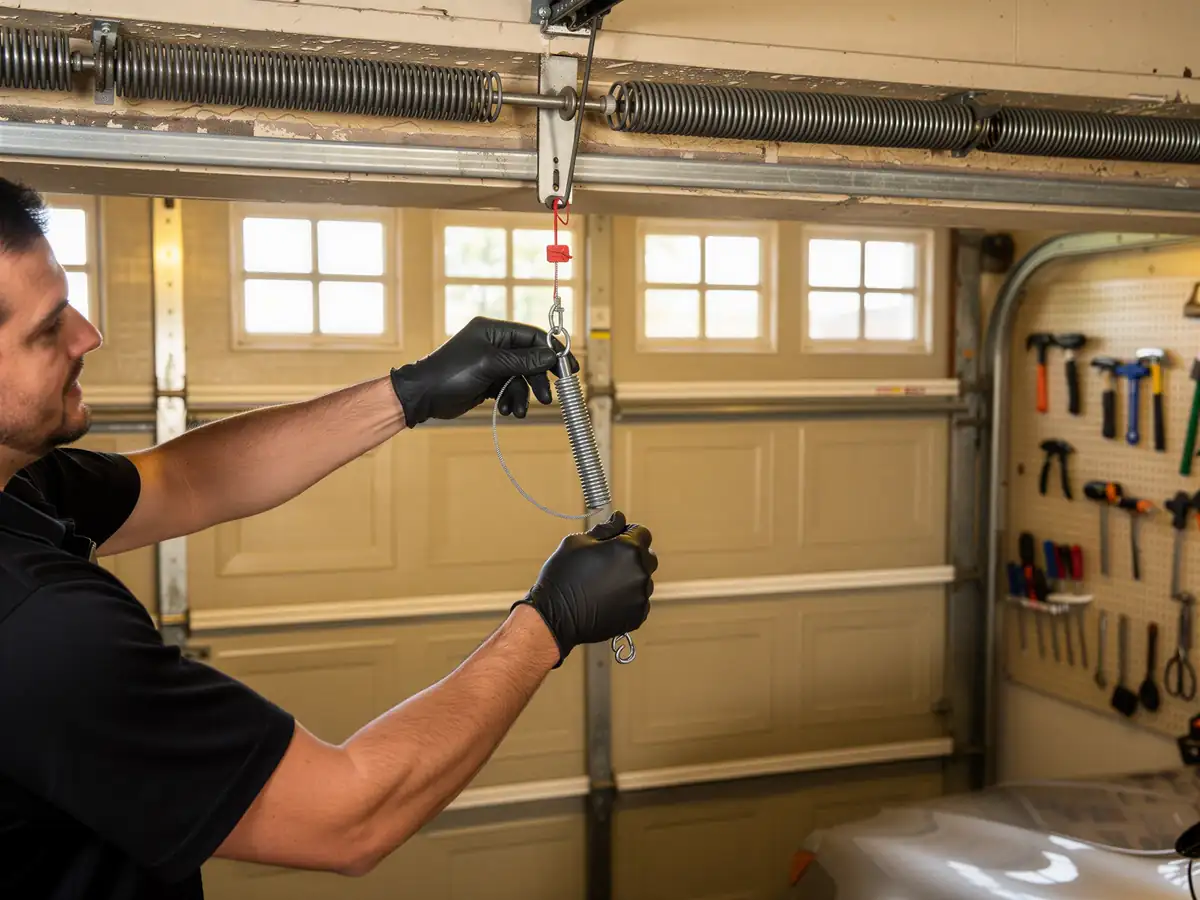
A broken cable on a door that's still held up by a spring is dangerous to touch without releasing tension first, and extension-spring systems don't have a simple lock-off like torsion springs do. If you can see the cable has come off the pulley but the spring hasn't let go, don't put weight on the door or try to force it down - the stored tension in an old extension spring can snap back hard enough to hurt someone. The honest limit here: we don't talk anyone through this one over the phone. It's a job that needs two hands free and the door secured, and getting it wrong on a decades-old spring is how people end up with a trip to the ER instead of a working door.
The Symptom
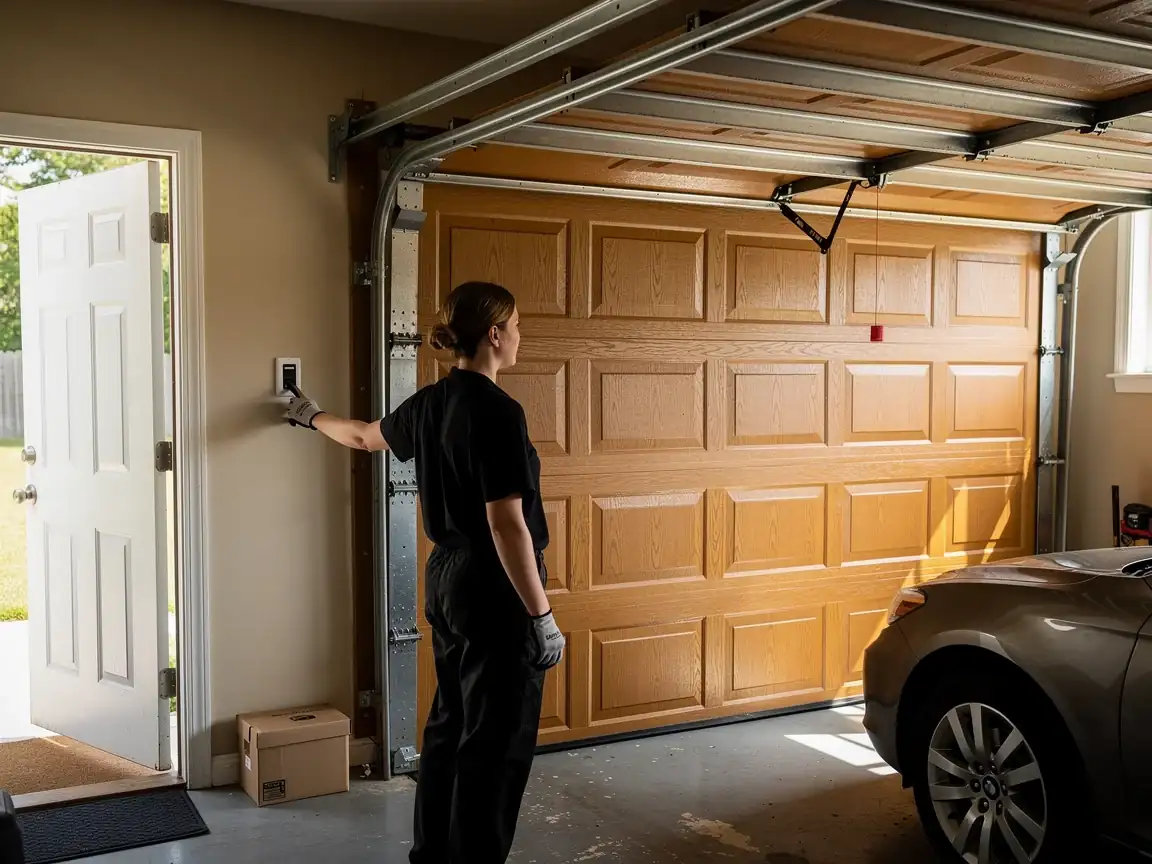
The call usually starts the same way: the door won't go up, or it goes up a few inches and stops, and there's a visible loop of cable hanging loose at one corner instead of running taut along the track. Sometimes it's quieter - a door that's starting to hang crooked, one side lower than the other, which means a cable has stretched or partially slipped off its drum or pulley before fully letting go. Either version means the door is no longer safely supported on both sides, and it needs a look before it's used again, not after the next cold morning finishes the job.