The Symptom
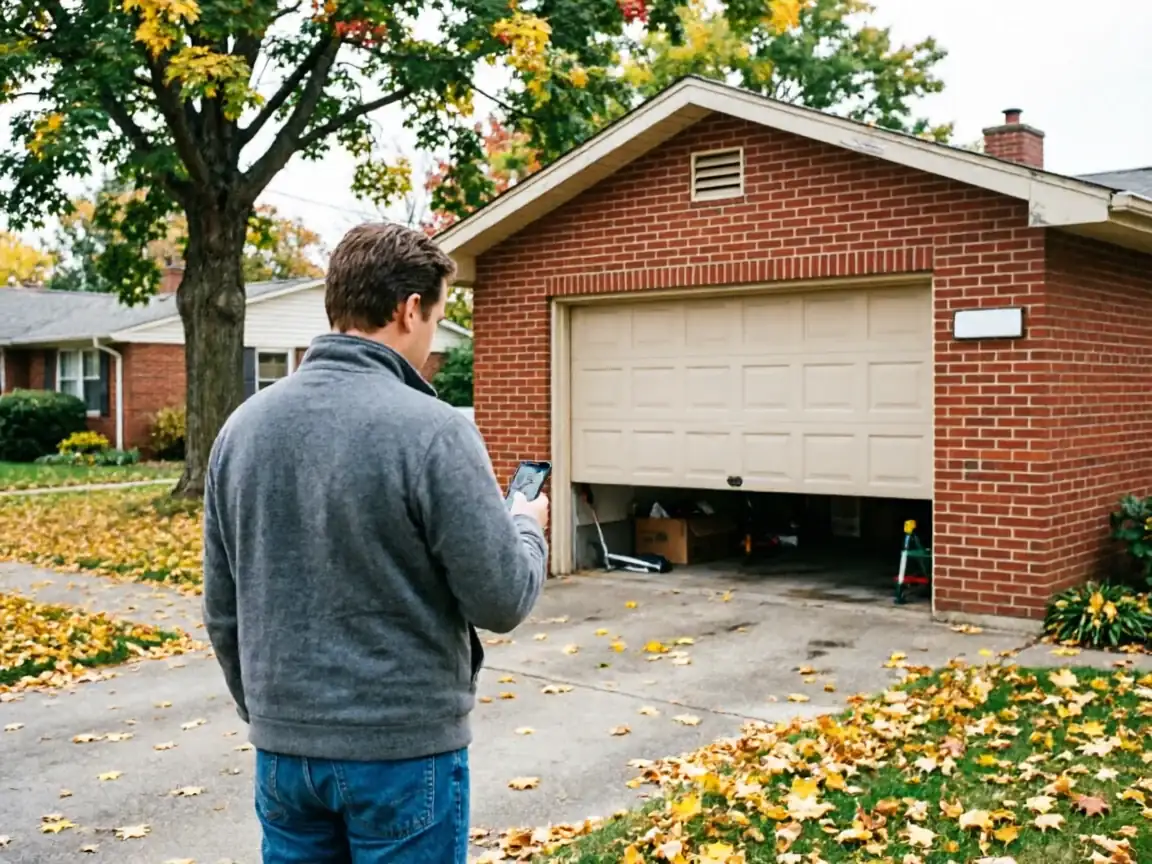
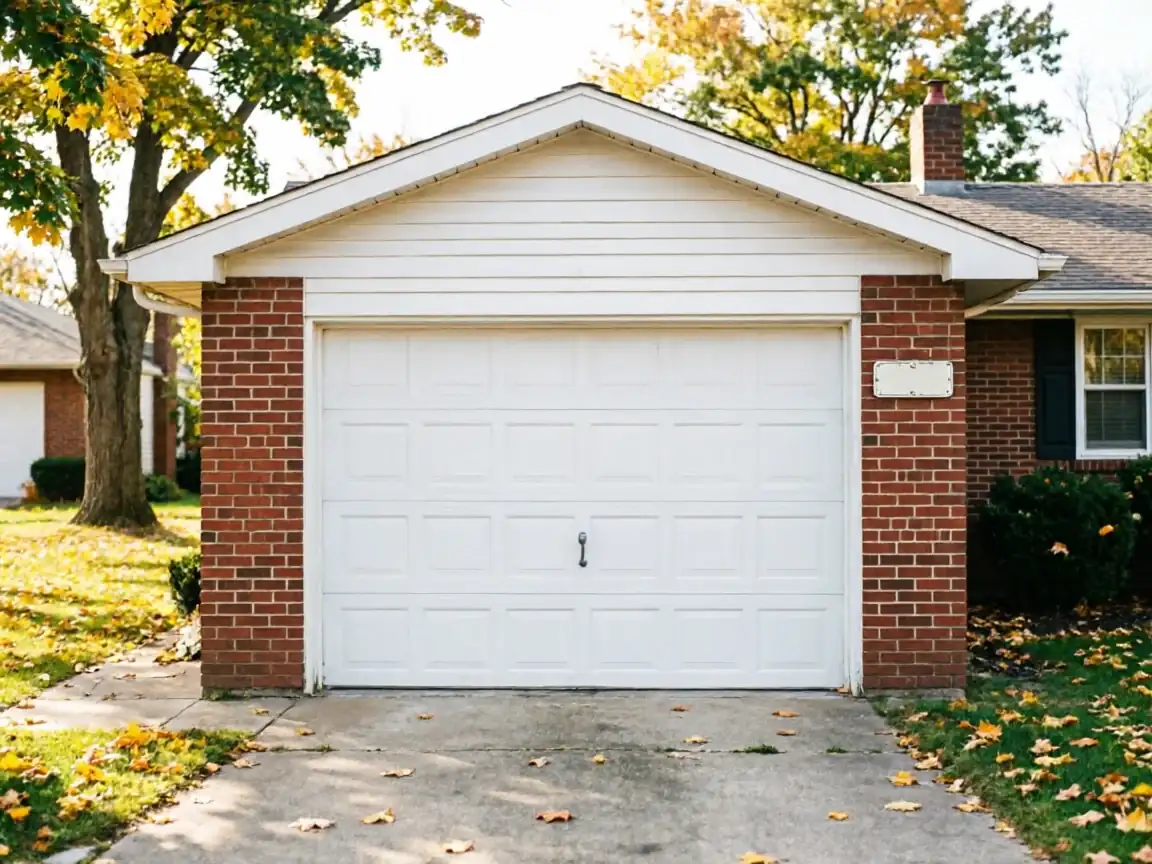
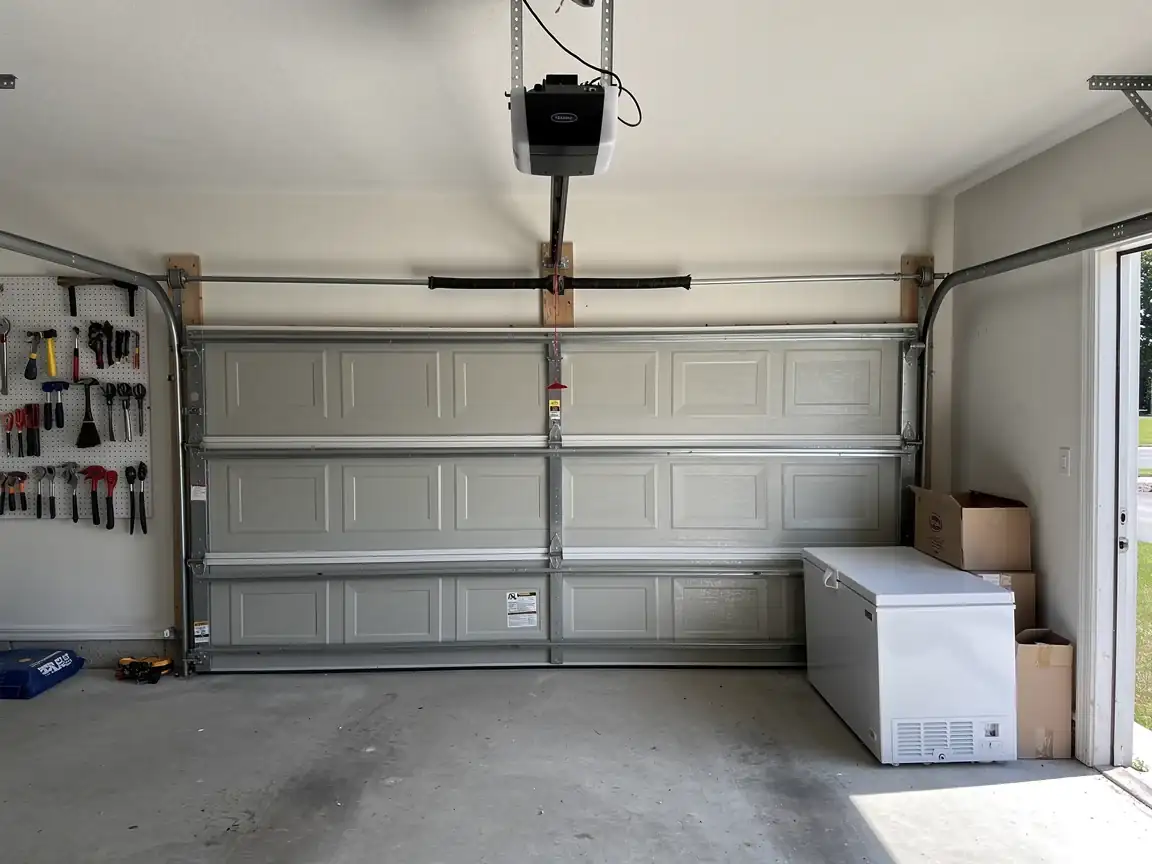
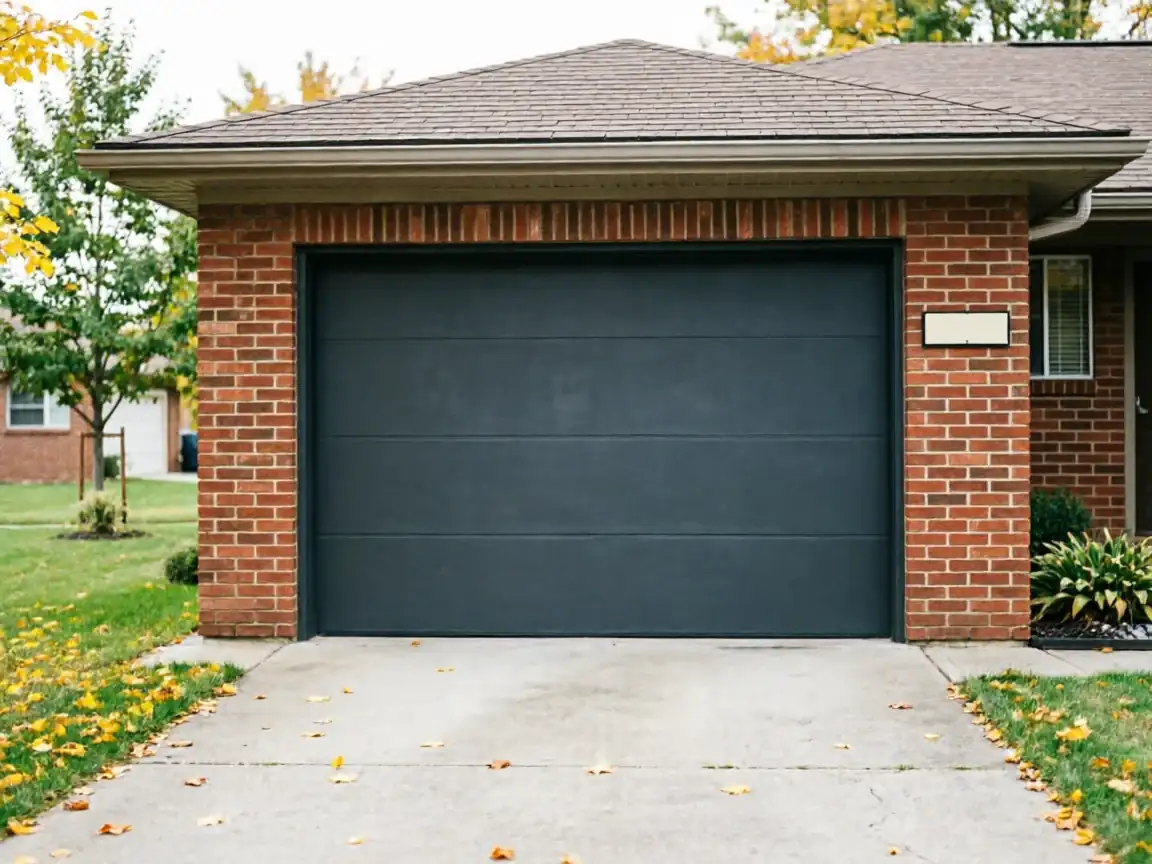
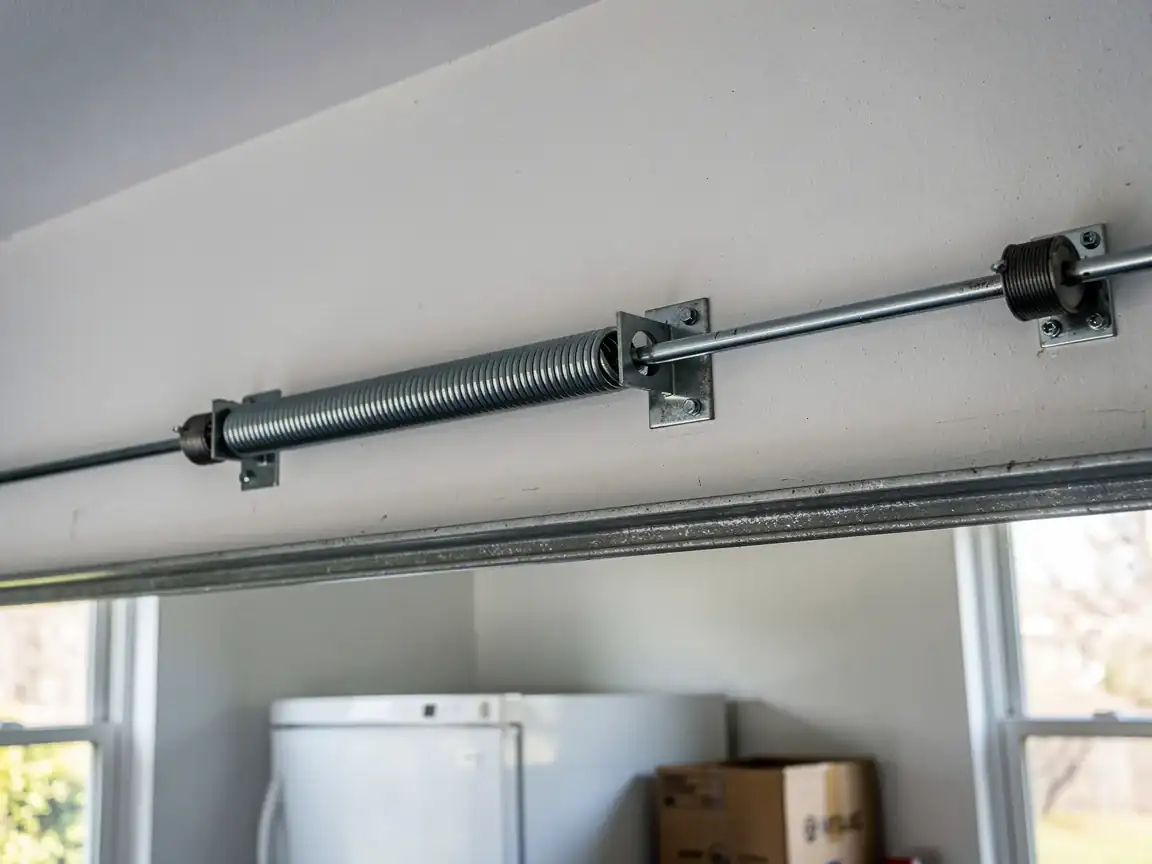
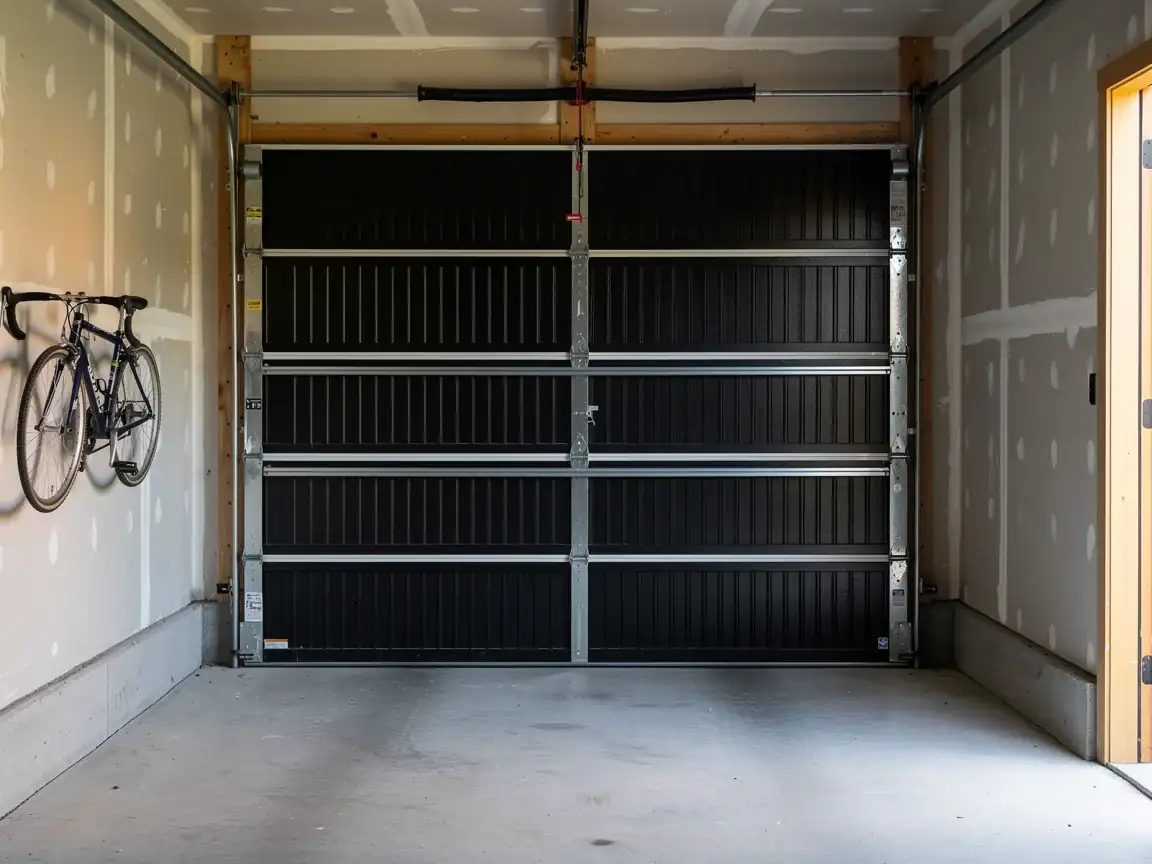
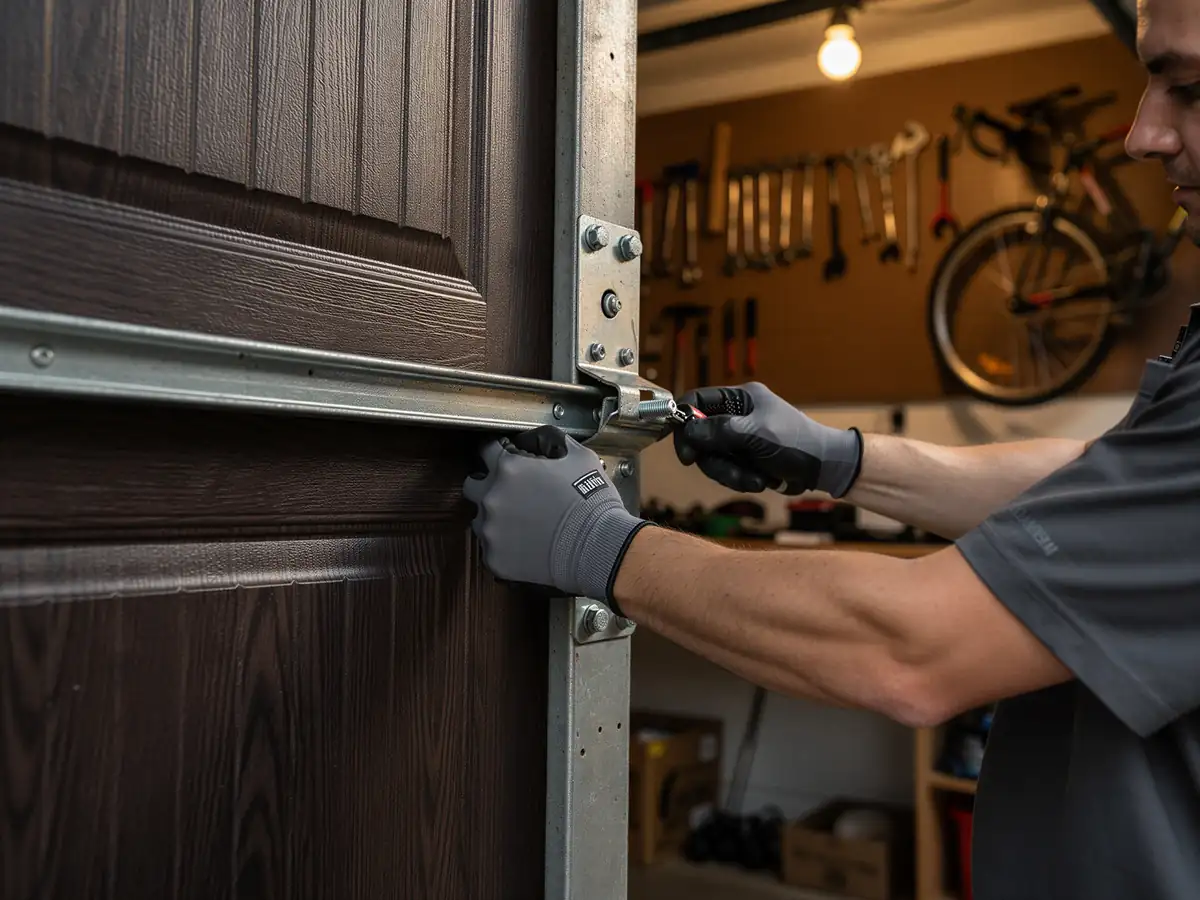
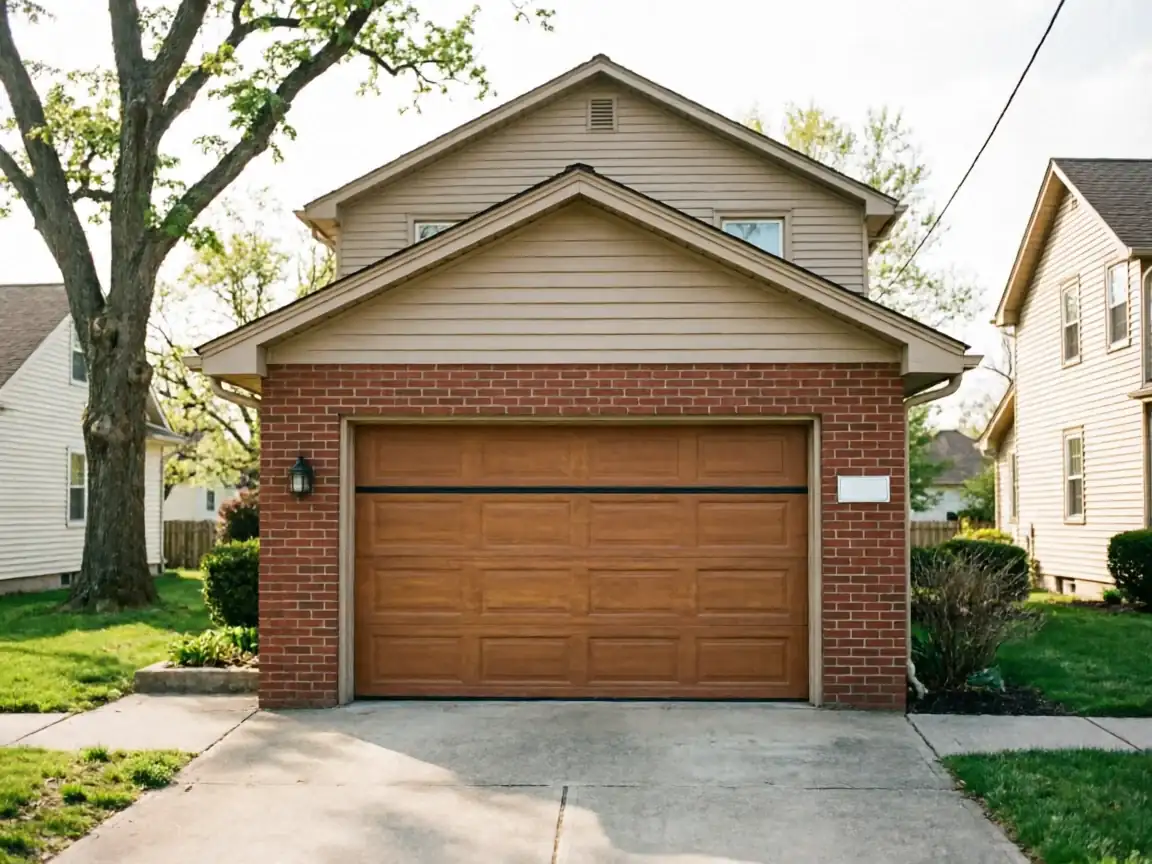
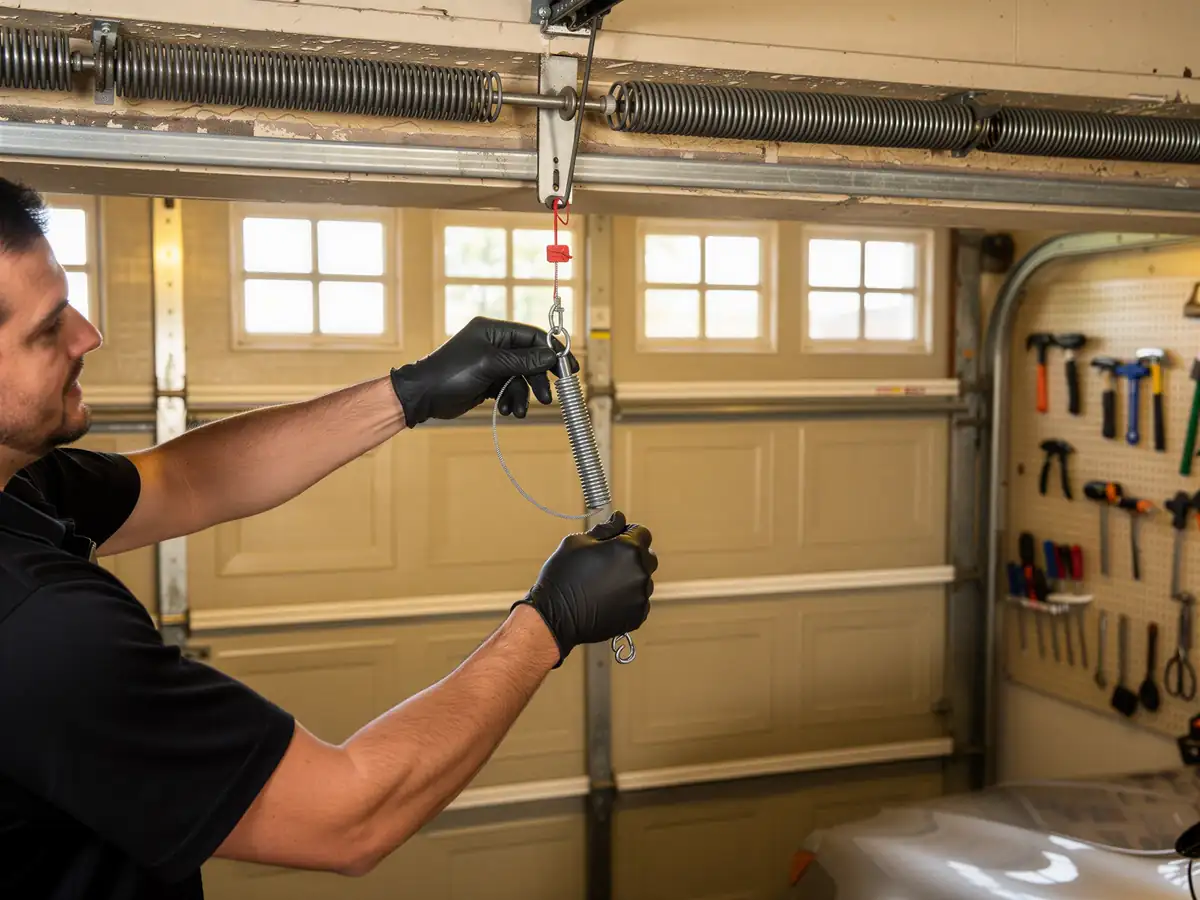
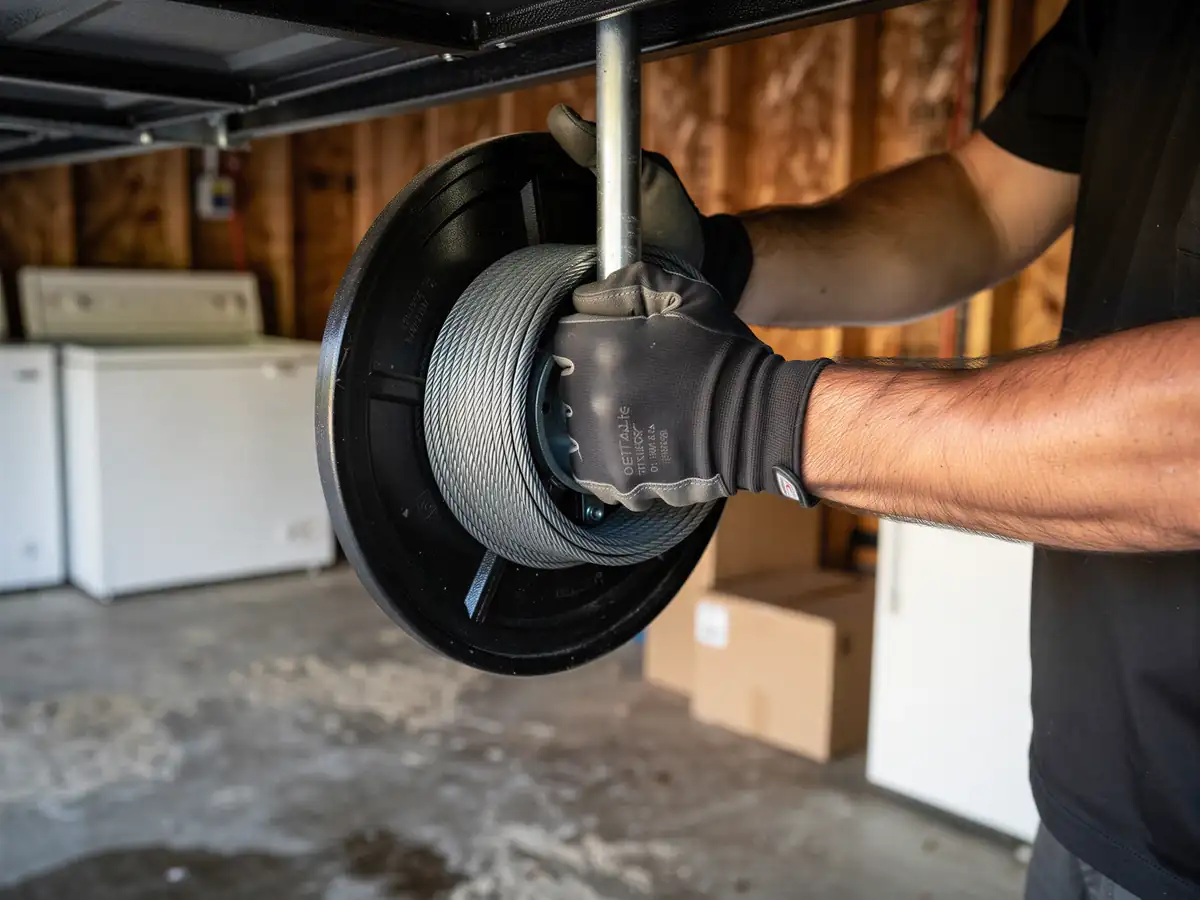
Because the median home in Horace was built around 2001, the doors going up then were steel sectional panels on torsion spring systems - the setup that became standard once older extension-spring and one-piece designs fell out of favor. That means the emergency calls we get from Horace tend to look different from what we see in the oldest pockets of the Fargo area. You're less likely to deal with a brittle one-piece door that's cracked along the seam, and more likely to deal with a torsion spring that's reached the end of its wind cycles and let go - often loud, often sudden, and always a door that won't move afterward. A door that drifts crooked on one side, or slams down fast instead of lowering slow, is usually a cable or spring problem, not a track problem. The service area sits in a severe cold climate band, and cold steel and cold lubricant make springs and rollers more likely to fail exactly when you need the door to work. If your opener motor runs but the door doesn't move, that's almost always the spring, not the motor - don't keep hitting the button.
Doing It Yourself
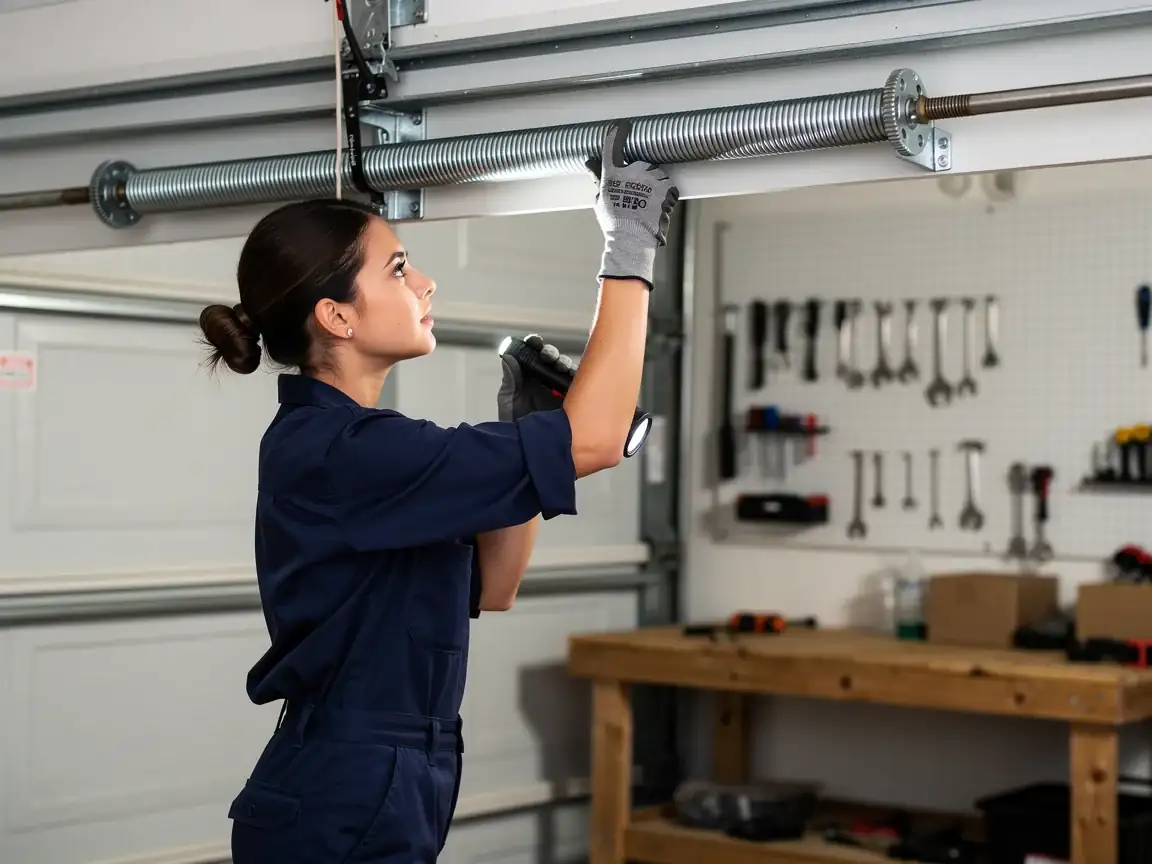
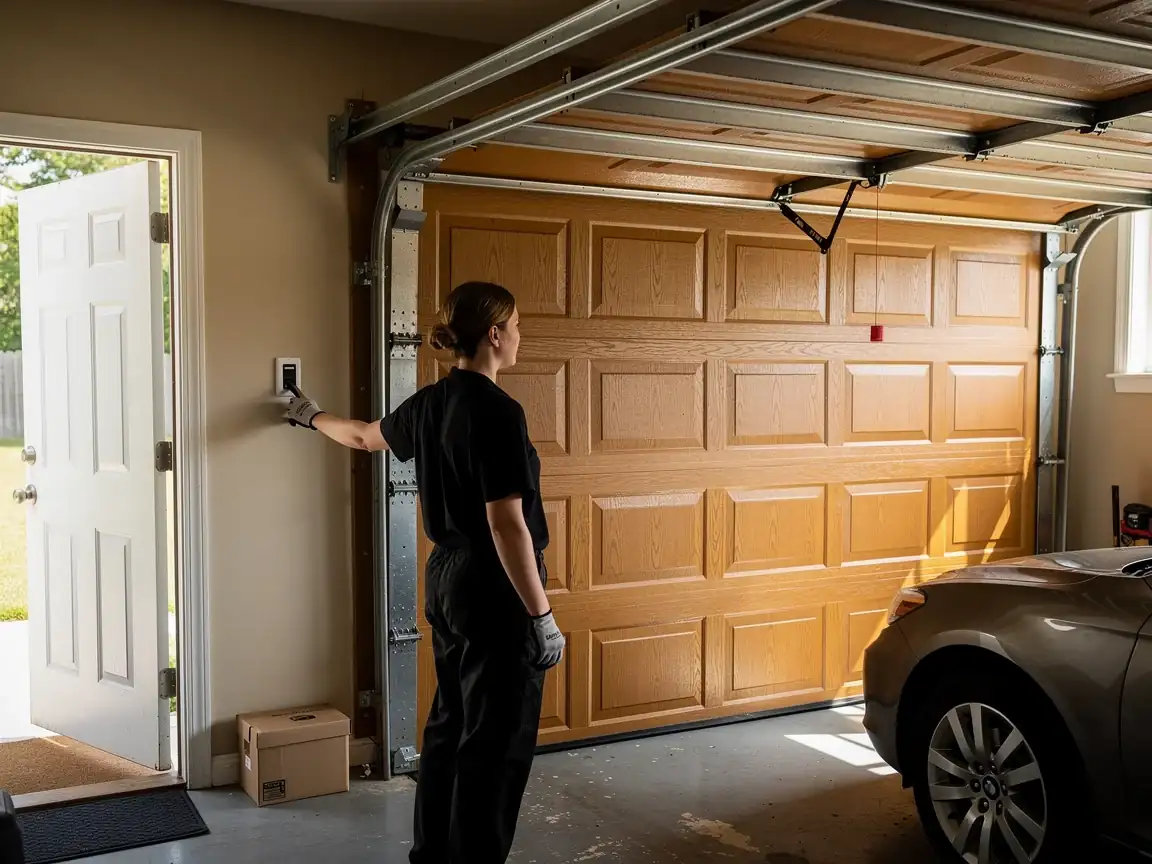
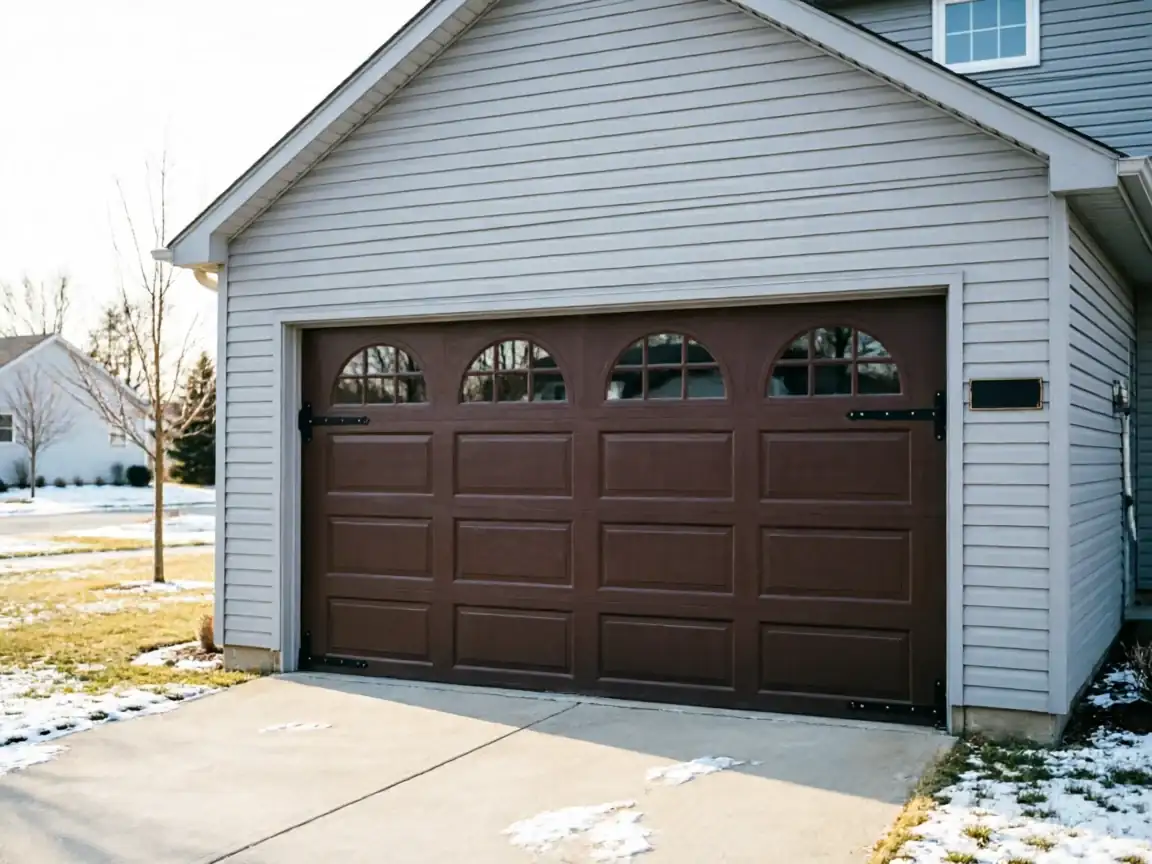
There's a real limit to what's safe to do yourself here, and torsion springs are the line we won't let homeowners cross on the phone. A torsion spring under tension can put a cable or a socket wrench through a hand or a face, and that risk doesn't change because the door is newer or the house is nicer. What you can check yourself: whether the opener's safety sensors have slipped out of alignment (a blinking light on the unit usually tells you), whether the track has visible debris or ice buildup, and whether the door is binding on one side versus hanging straight. If the door won't budge and you hear or see a spring that's separated, stop - don't force the opener, don't cut the cable, and don't try to rewind anything by hand. With household incomes in Horace running higher than the regional median, it's common for these newer builds to have insulated steel doors with heavier counterbalance systems, which means more stored energy in the spring than a lighter older door carried - one more reason this isn't a weekend fix.
Stocked Parts
Torsion springs sized for a standard steel sectional door - the kind that went up across Horace through the 2000s - are what we keep loaded on the truck, along with matching cables, rollers, and the hinges that wear out first on a daily-use door. That covers the large majority of emergency calls in a town where the housing stock is newer and fairly consistent. What we don't carry as standard stock is anything sized for an oversized or custom door, or an opener model outside the common residential lines - those get ordered once we've seen the unit, and that's the honest limitation here. For the typical Horace garage, built in the era we're talking about, the spring and hardware on the truck fits without a special order, which is the main reason a same-visit repair is realistic for most of these calls.