Doing It Yourself
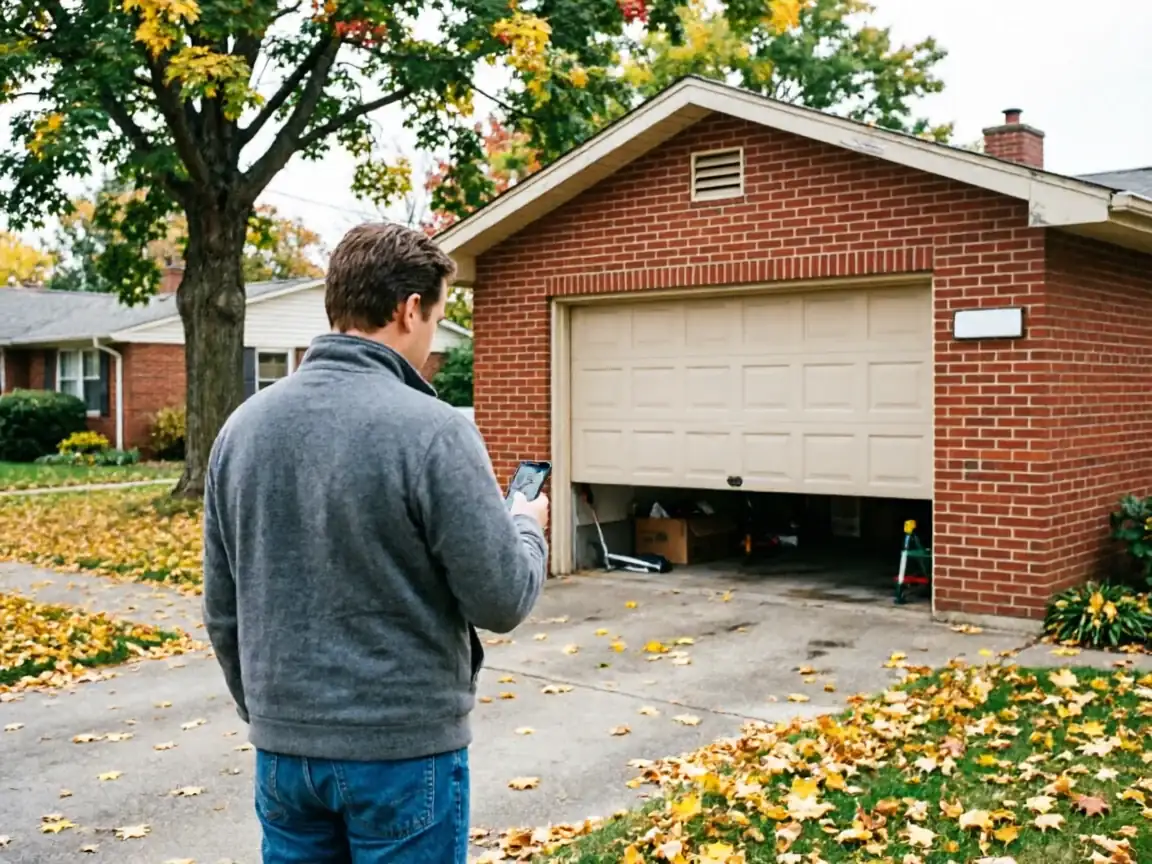
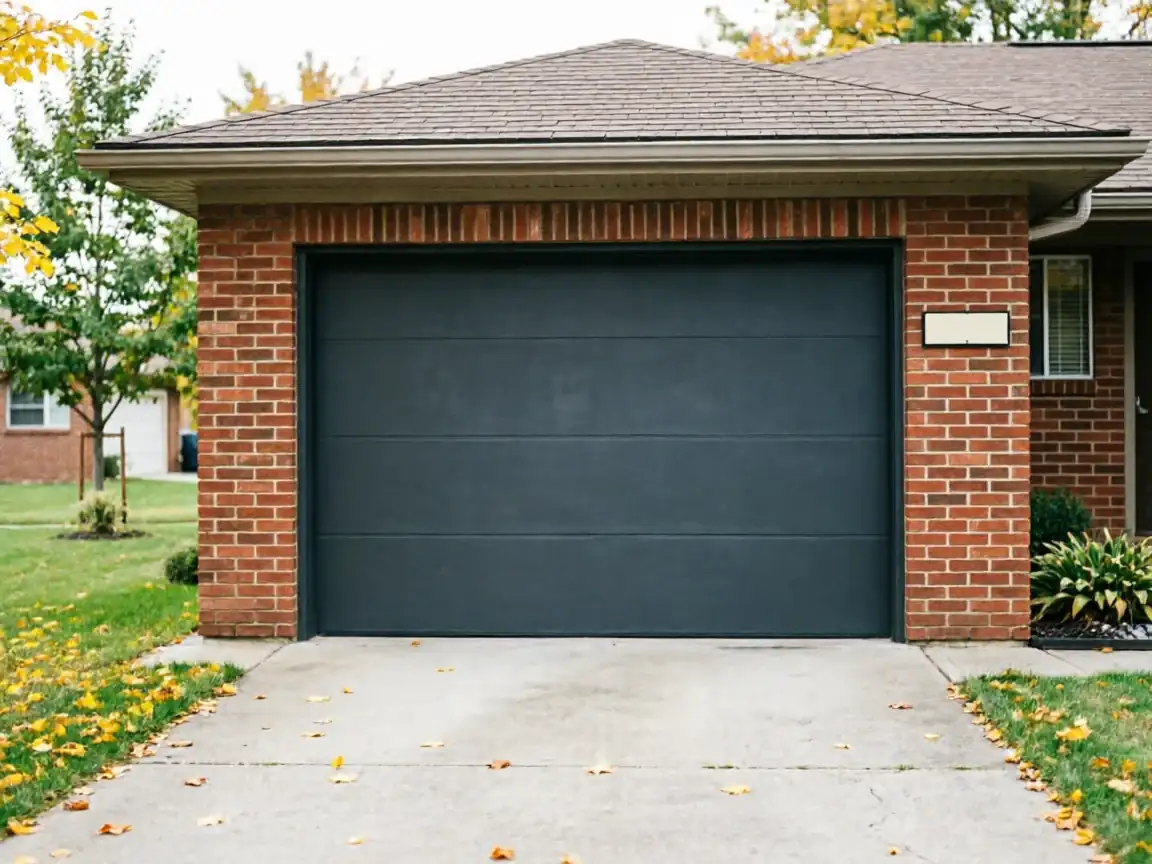
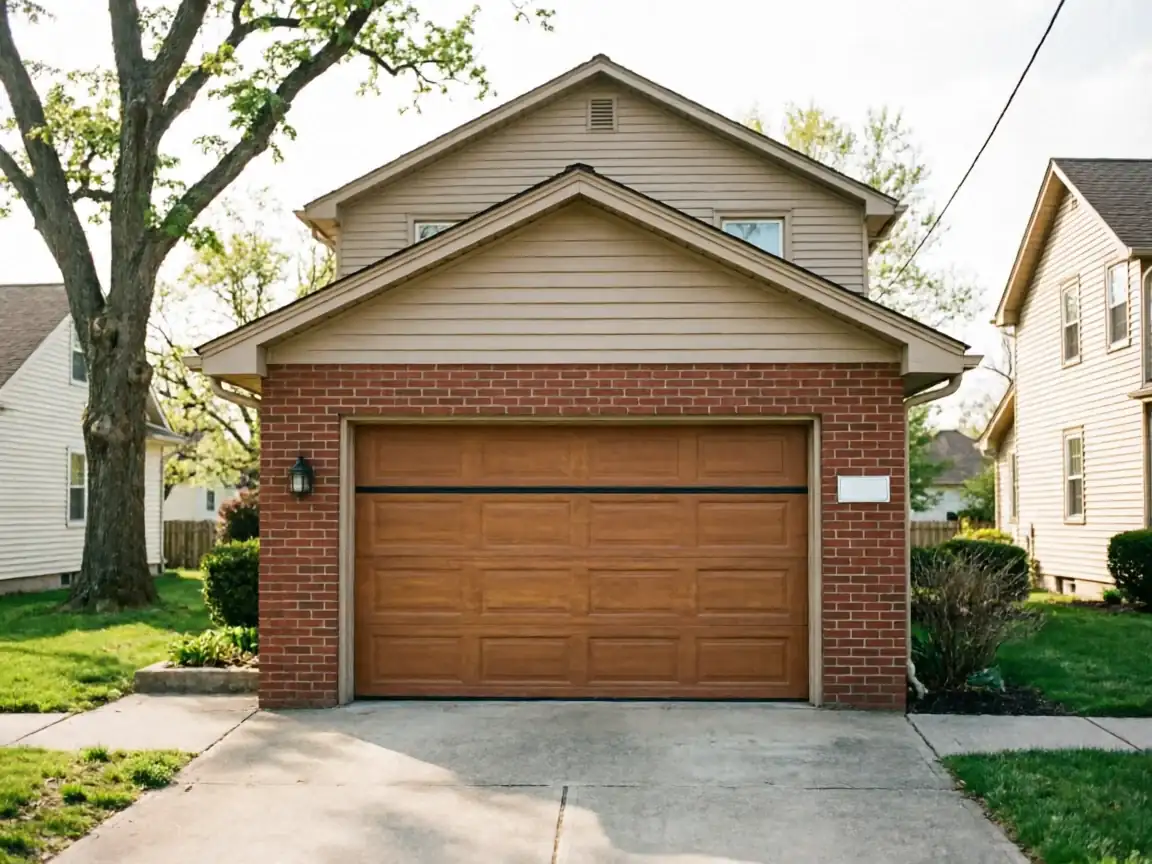
A lot of Casselton houses went up around 1979
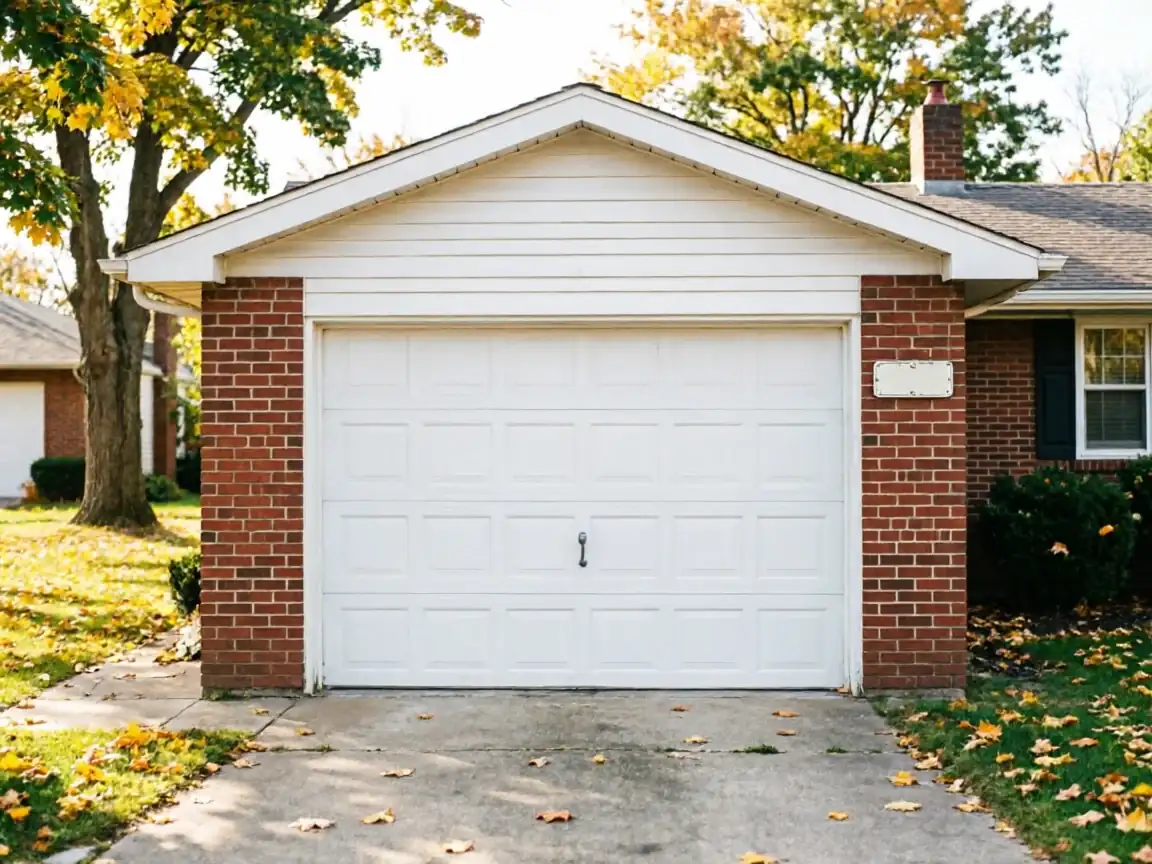
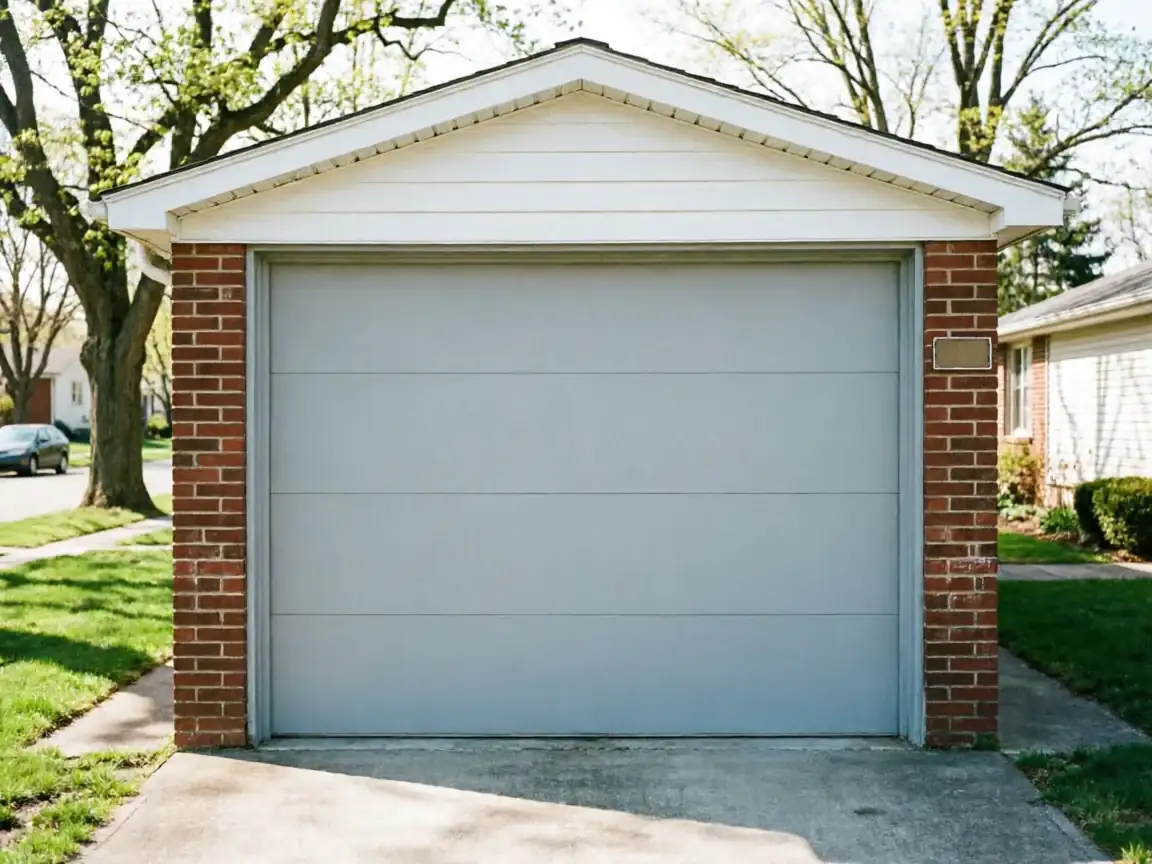
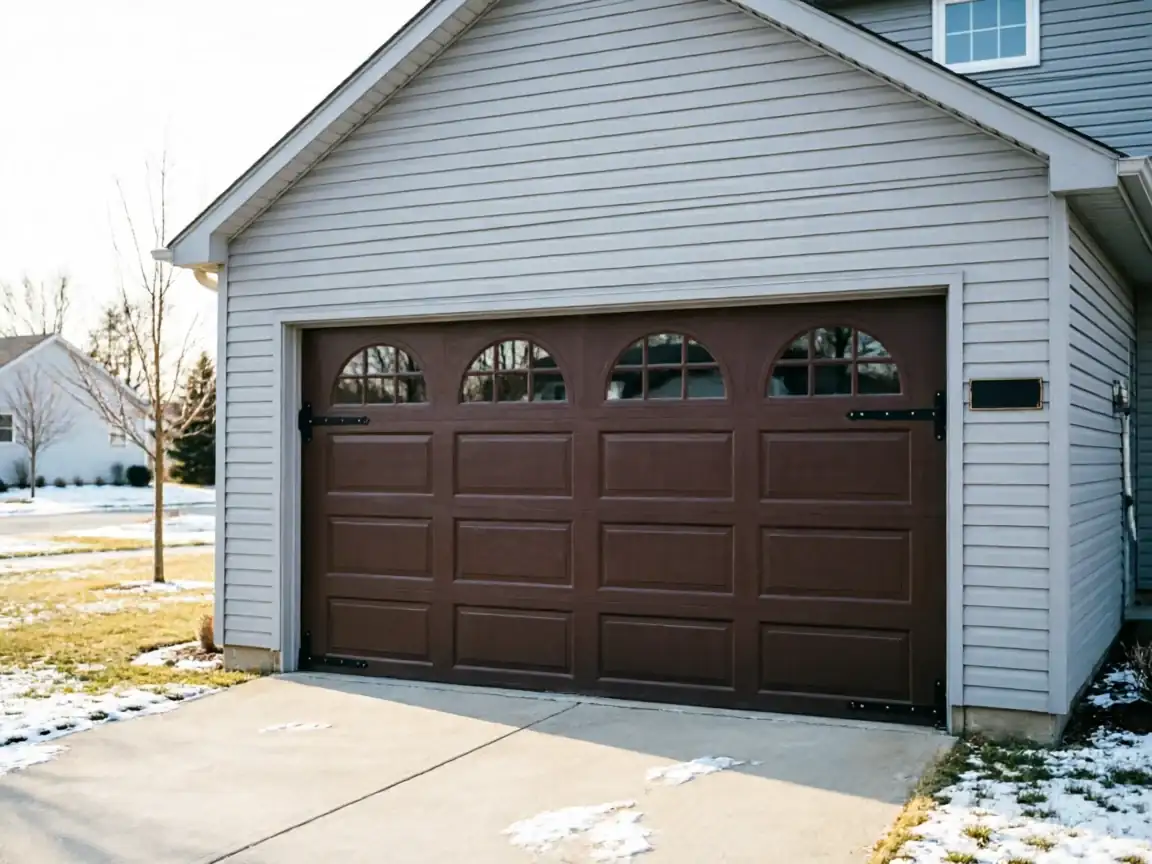
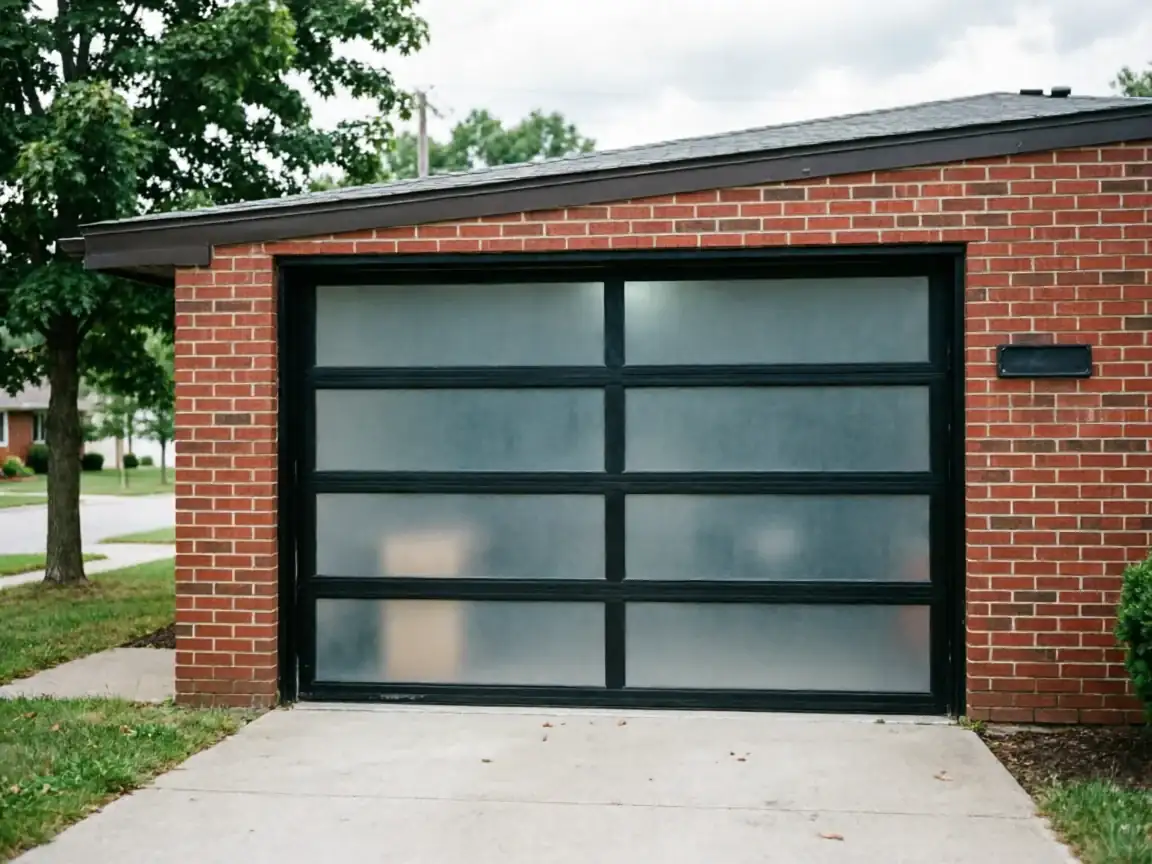
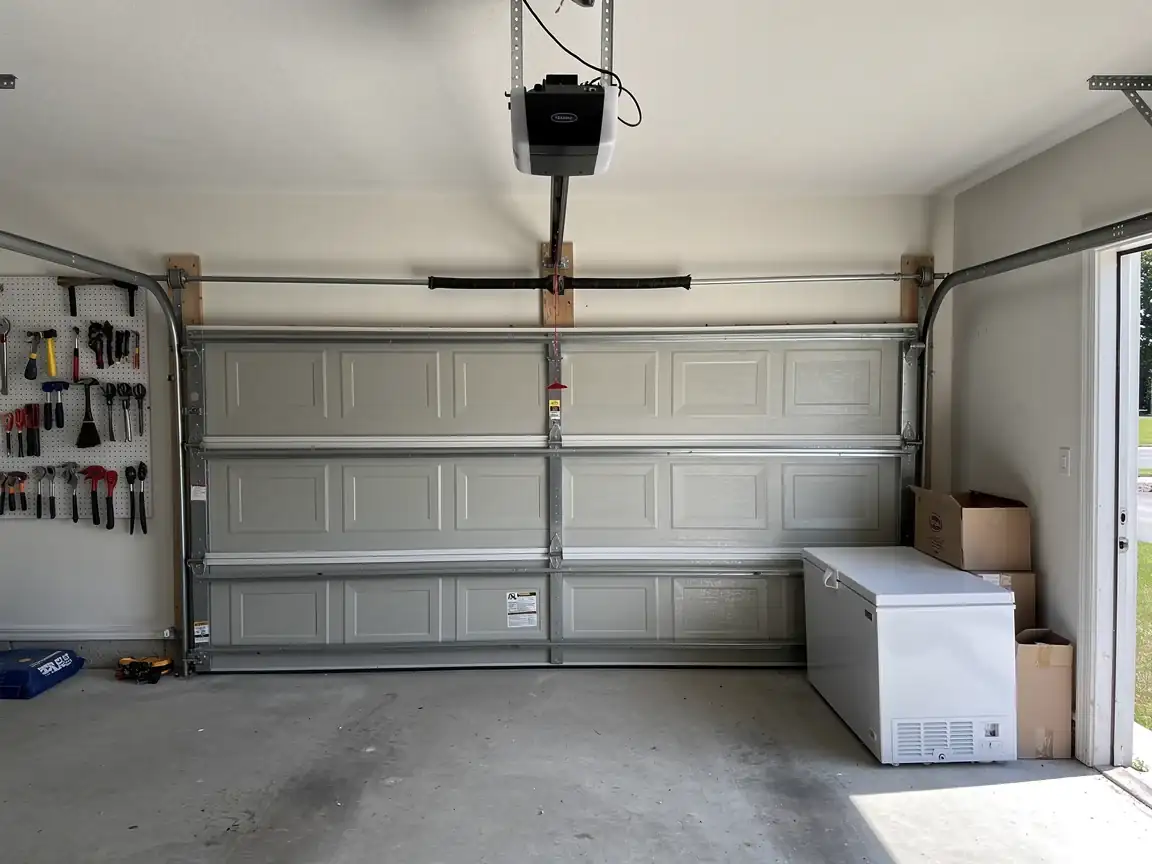
And the garage doors on them are steel sectional units from an era before foam-core insulation was standard. That matters if you're trying to swap a single dented or rusted panel yourself: the panel profile, screw spacing, and even the steel gauge from that period often don't match what's sold off the shelf today. You can order a close match and still end up with a seam that doesn't sit flush, or a door that now racks unevenly because the new panel is lighter than the old one.
If the damage is just the bottom panel
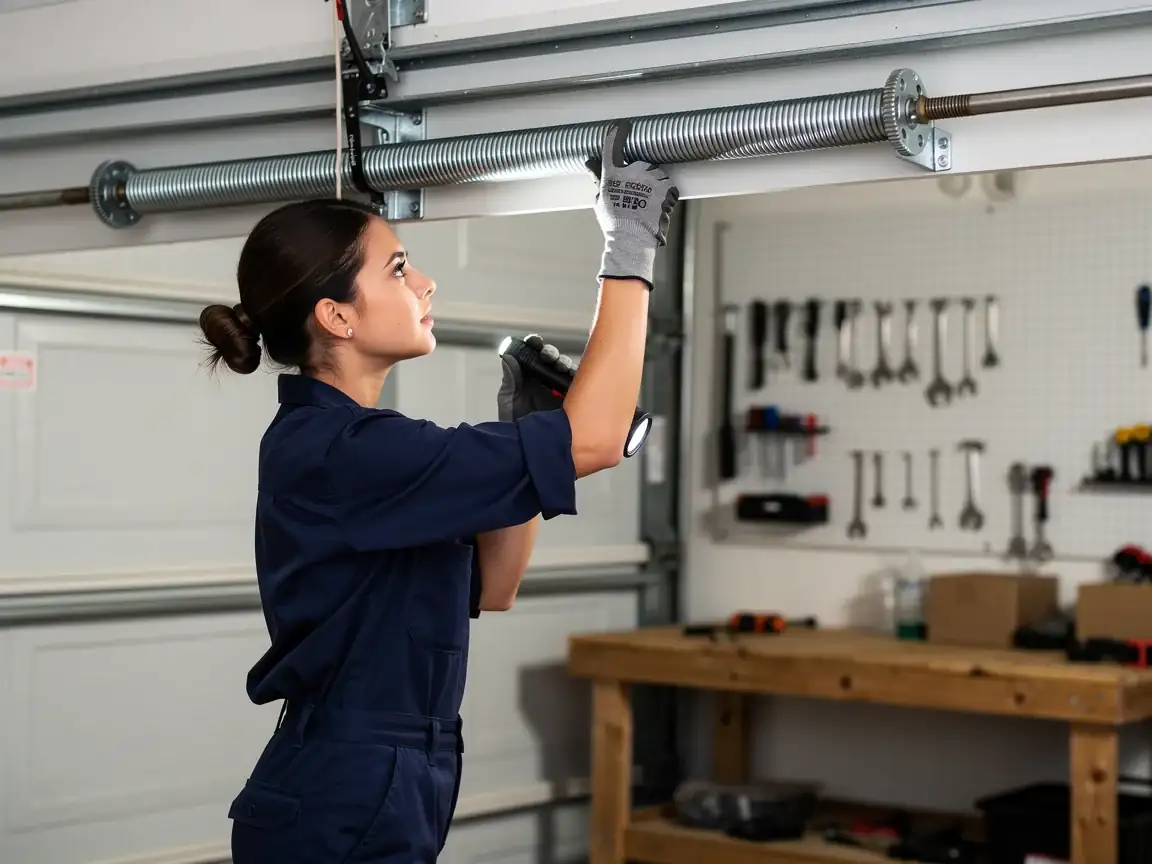
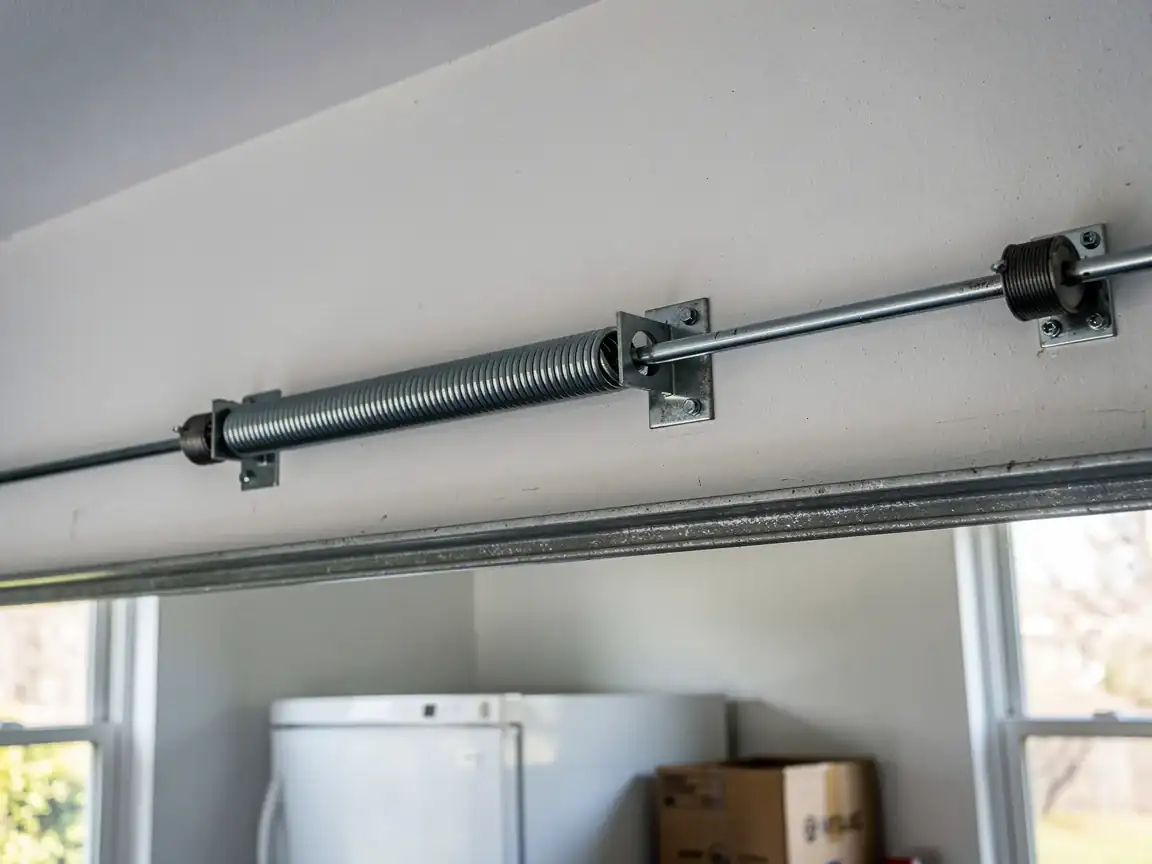
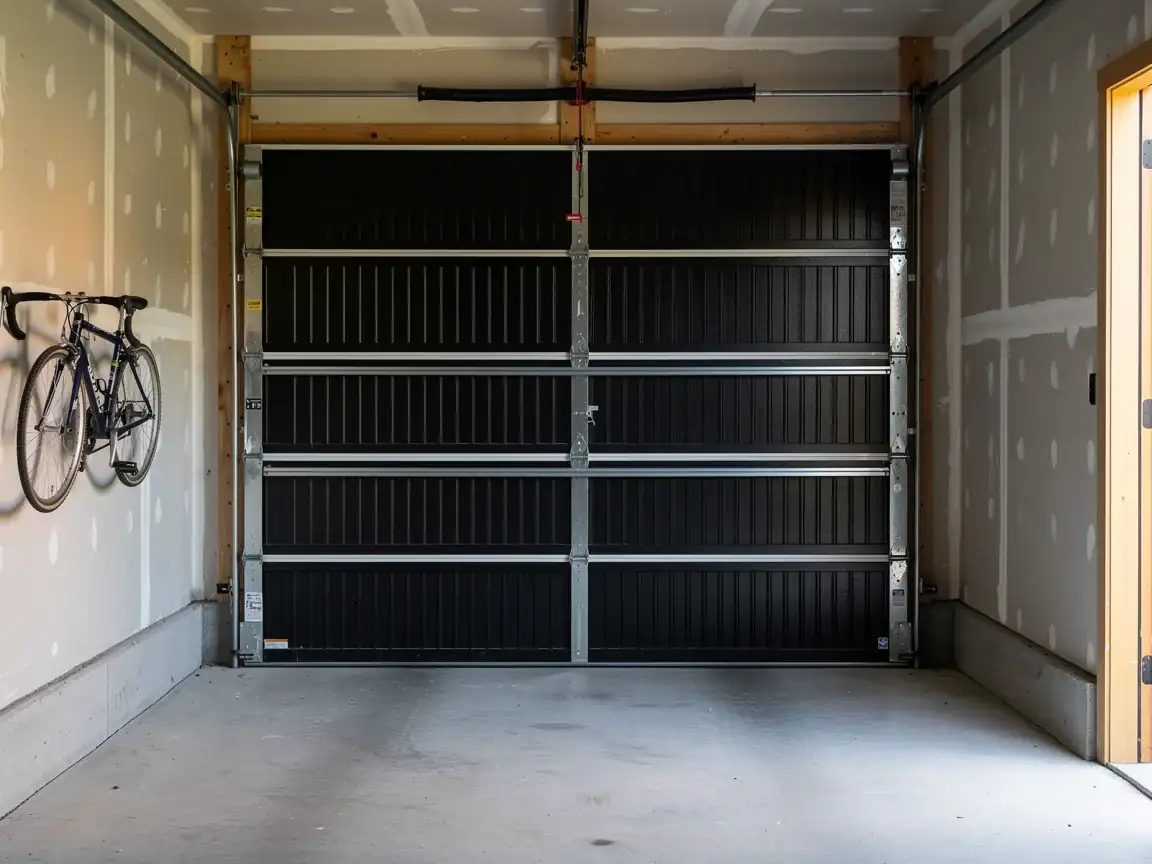
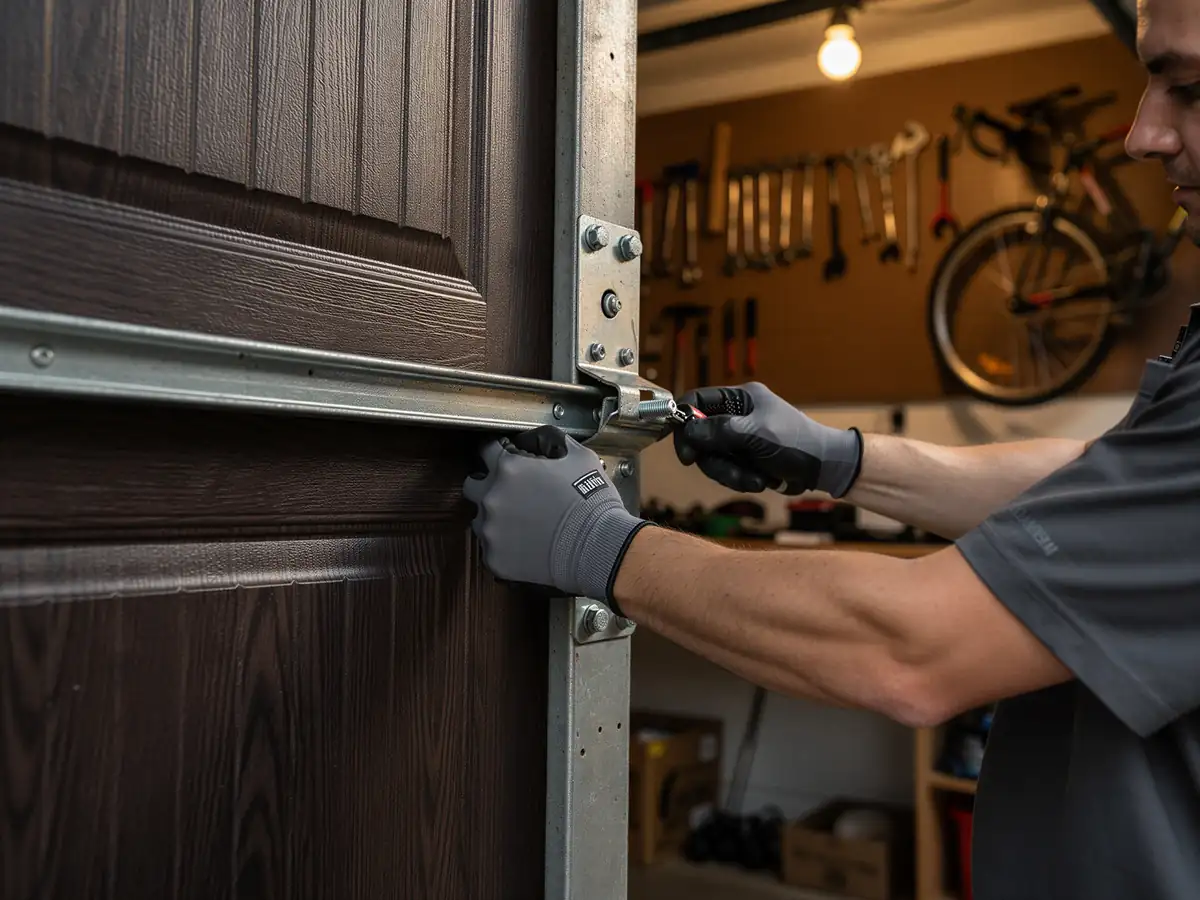
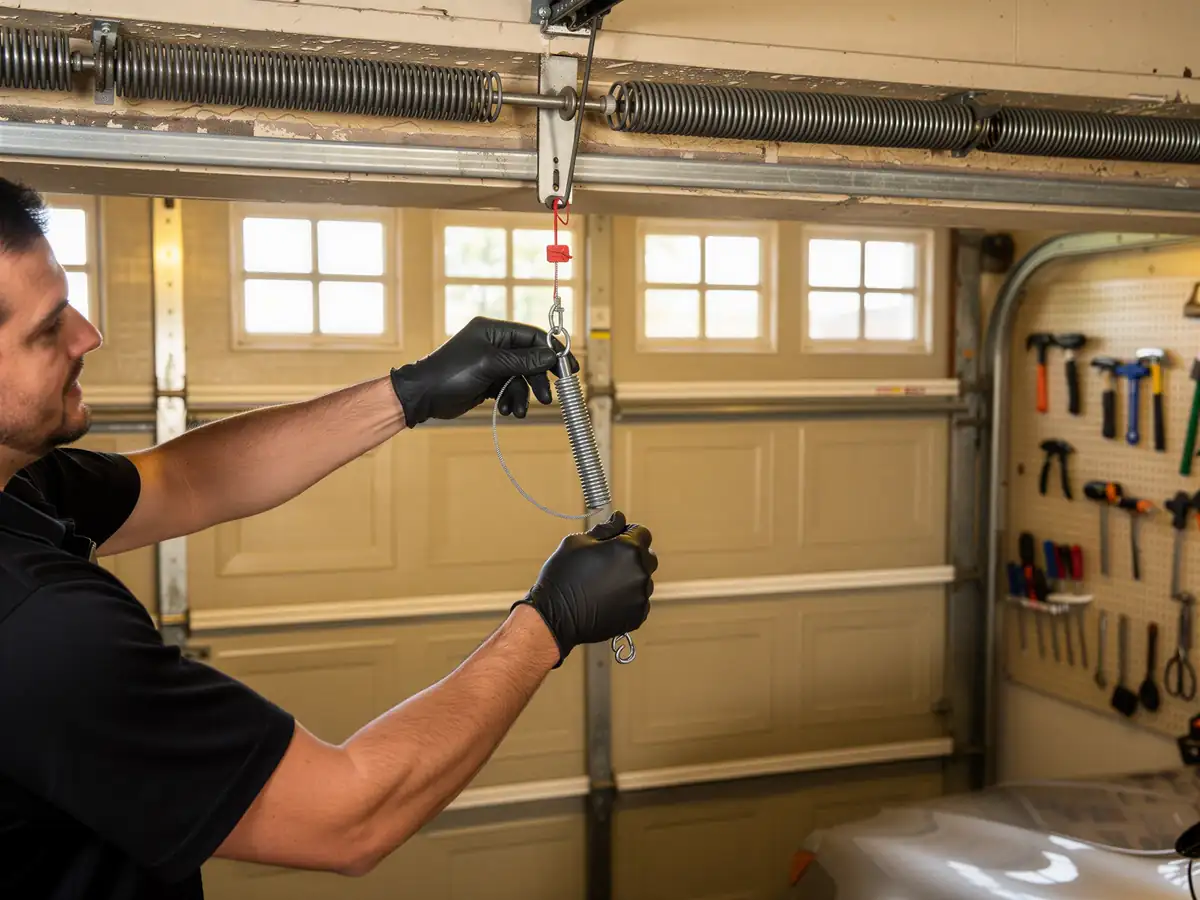
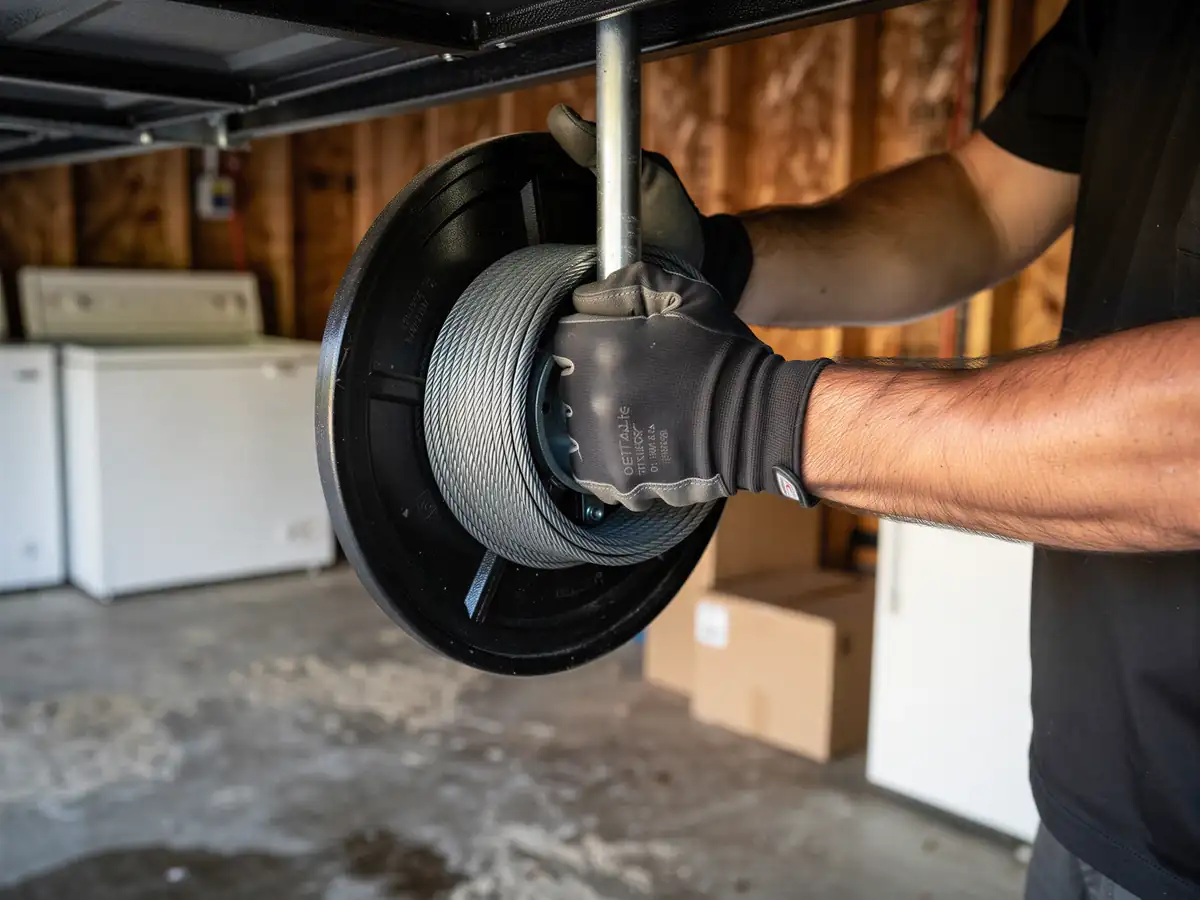
The one that takes the brunt of plow splash and ice buildup - a careful DIYer can sometimes get away with a generic replacement if the track hardware is in decent shape. But if the spring is torsion-mounted, which is common on doors from this build era, we'd tell you to stop there. Torsion springs are under enough tension to break bones, and matching an old torsion system to a new panel's weight is not a job to learn on your own garage. We're honest that not every panel job needs a truck from Fargo - but once springs or a cracked stile are involved, it's not a weekend project.
How to Book
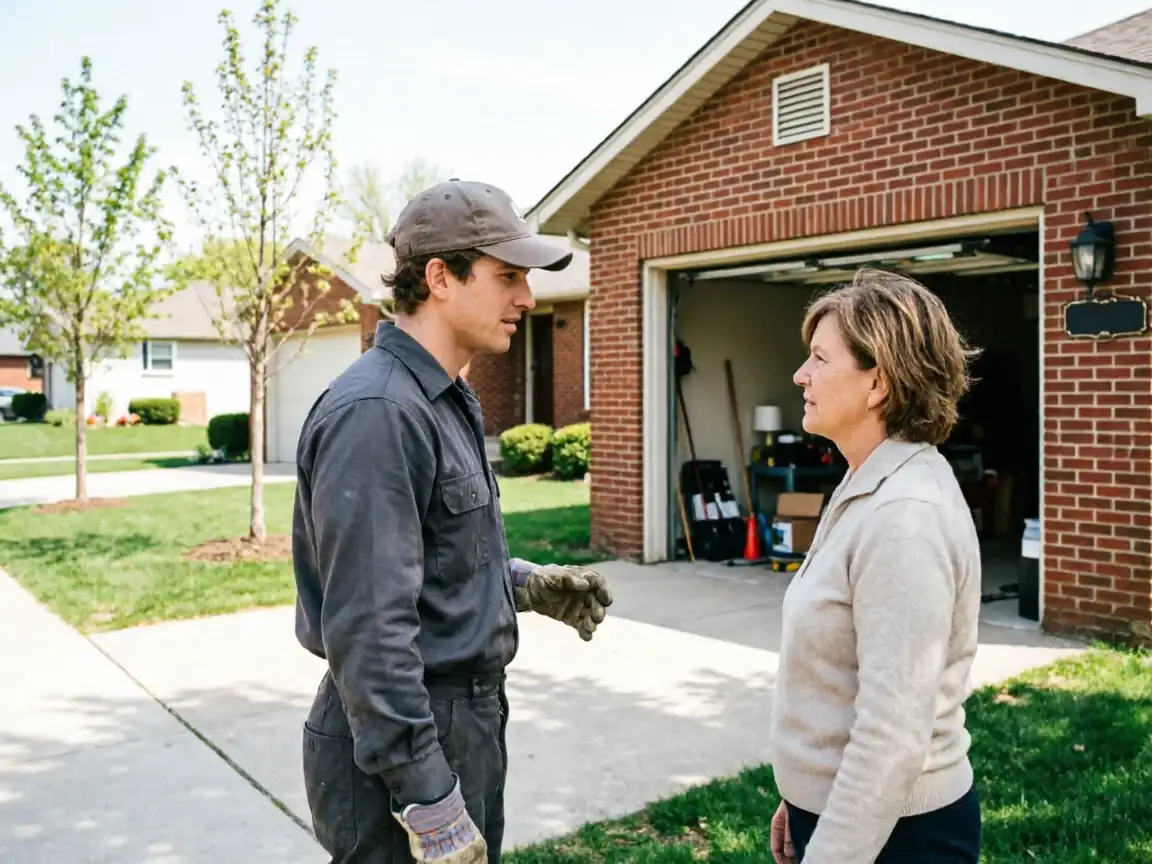
We run out of Fargo, about 18 miles from Casselton, so there's no local branch or drop-in counter here - you reach us the same way any Casselton homeowner does, by calling or booking through our Casselton page. Tell us the door's approximate age (1979-ish homes almost always mean steel sectional, non-insulated) and whether it's one damaged panel or the whole door is out of square. That lets us bring the right panel stock and hardware on the first trip instead of a second one.
If you're also weighing a full door swap instead of a panel patch, our broader panel replacement page for the Fargo area covers that comparison in more depth. For Casselton specifically, the short version is: if more than one panel section shows rust-through or the door no longer closes square, patching one panel just delays the real job.
The Symptom
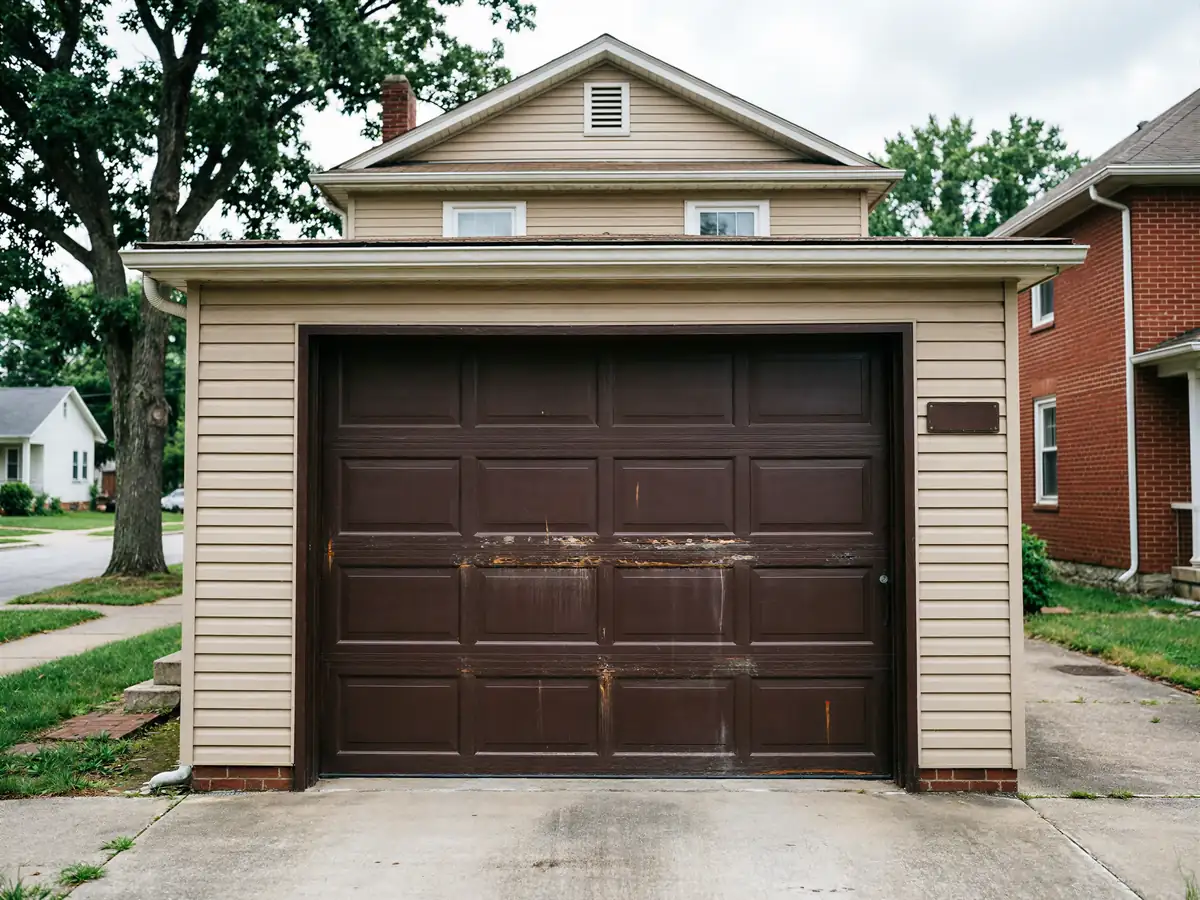
The panel failure we see most on Casselton's older stock starts at the bottom section - a crack along a seam, a dent that's pushed the steel skin away from the frame, or rust working through from the inside where winter moisture sits against an uninsulated core. Because this area sits in a cold, severe-winter climate band, that bottom panel takes repeated freeze-thaw cycling every year, and steel from the late 1970s and early 1980s doesn't have the galvanized coating thickness or foam backing that later doors got.
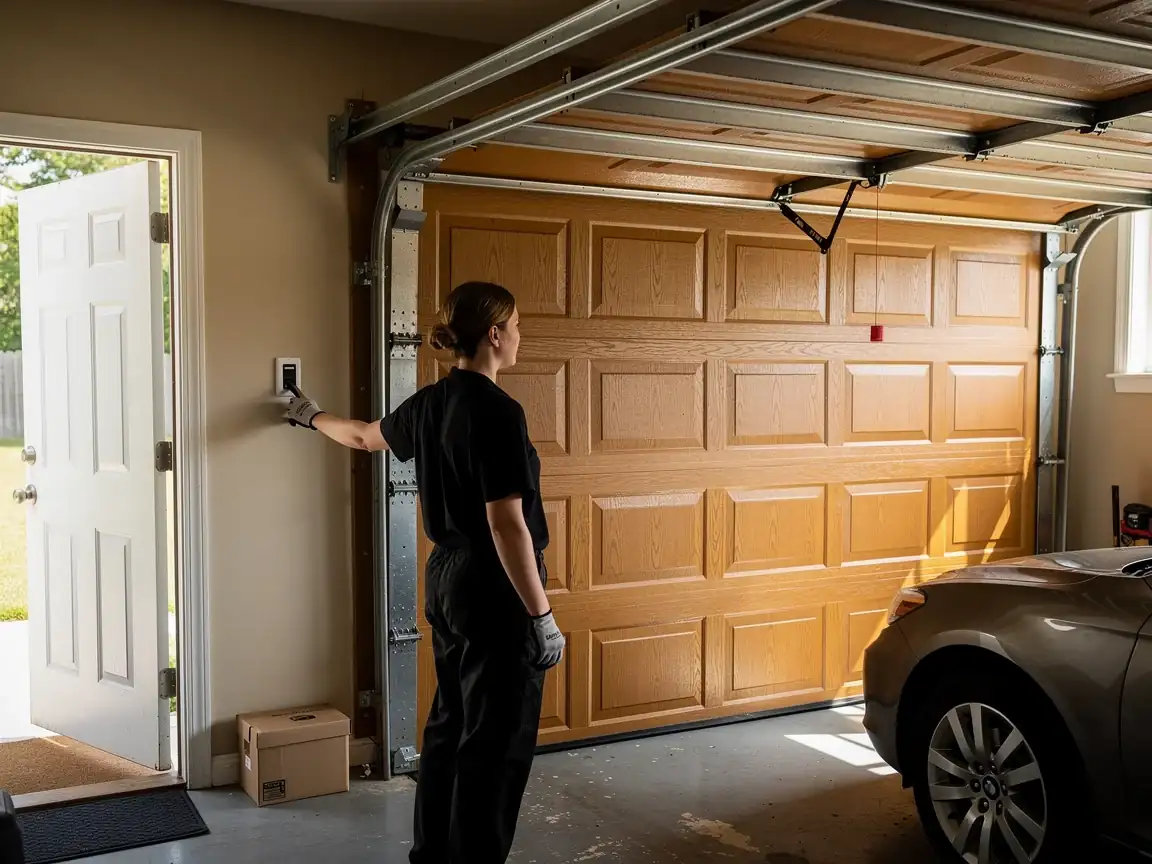
A second pattern: a panel that looks fine but has warped slightly, so the door binds in the track on one side. On a door this age, that's often the panel itself losing rigidity, not a track or roller problem, and no amount of track lubrication fixes it. If you're hearing a scrape only on the bottom third of the door's travel, look at that panel before you call about rollers.
How Long It Takes
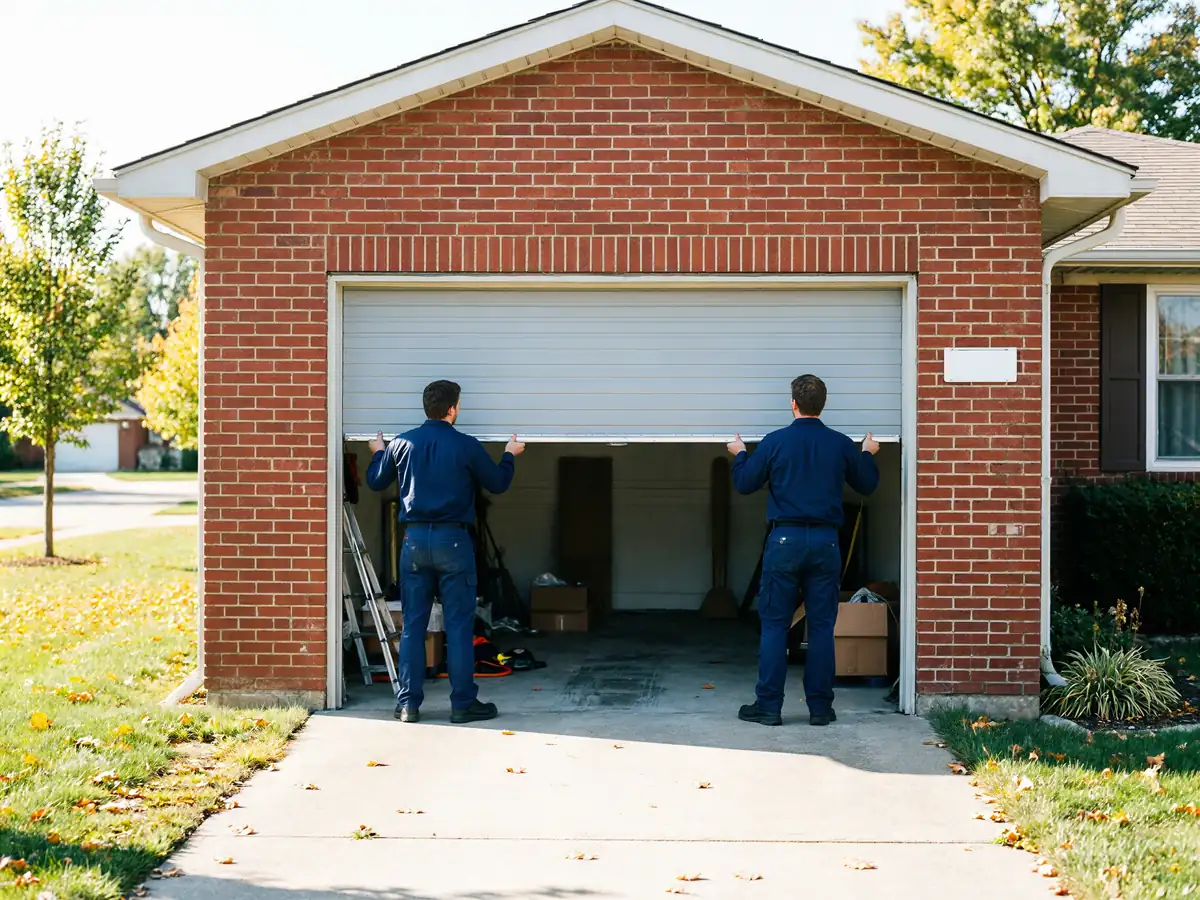
A single-panel swap on a door this age is a shorter job than a full door replacement
Mainly because we're not pulling the opener bracket or rebalancing a new torsion system from scratch - just fitting the replacement section, matching hinges, and resetting cable tension if the bottom panel was involved. A full-door job takes longer because the whole frame and spring setup comes into play.
What we can't promise here is a same-day fix
We travel from Fargo for Casselton calls, and panels matched to a 1979-era profile aren't always something we're carrying on the truck - sometimes it's a two-trip job: one visit to measure and confirm the match, a second to install. We'd rather tell you that up front than have you waiting on a truck that was never coming that day.