Doing It Yourself
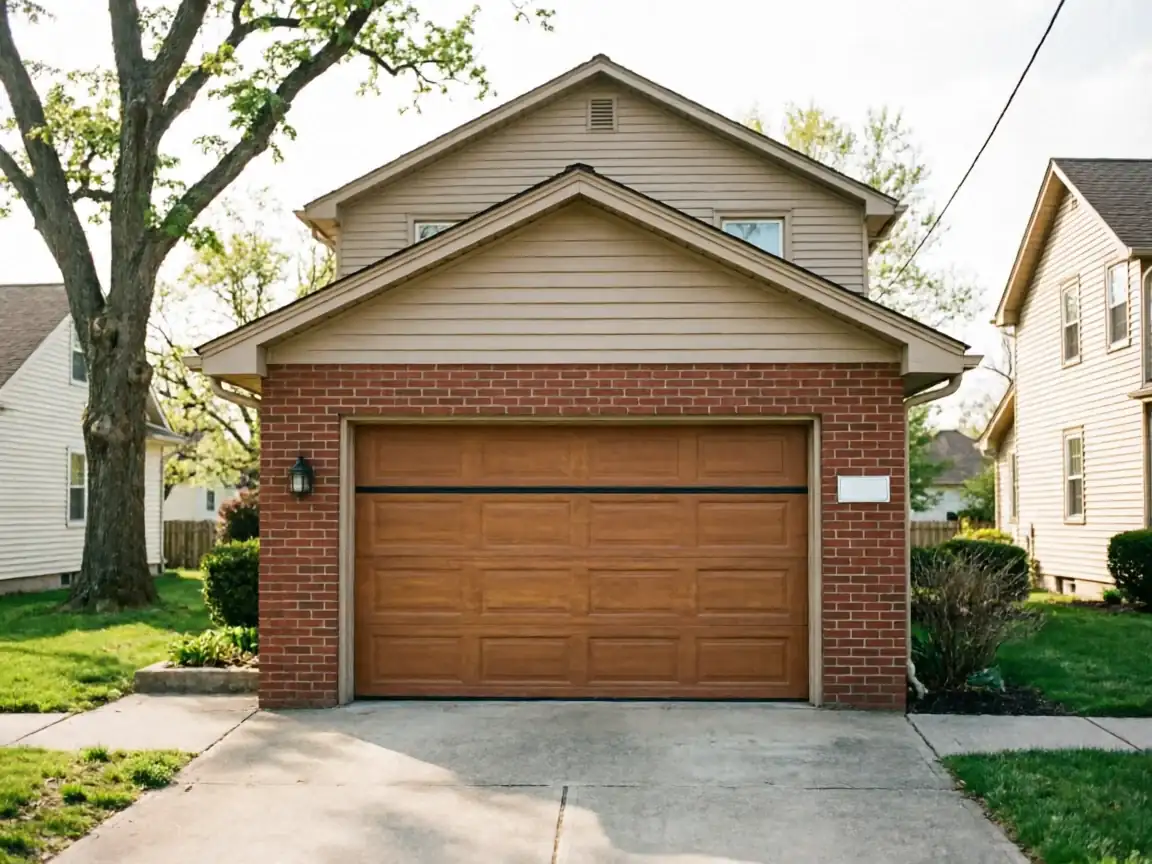
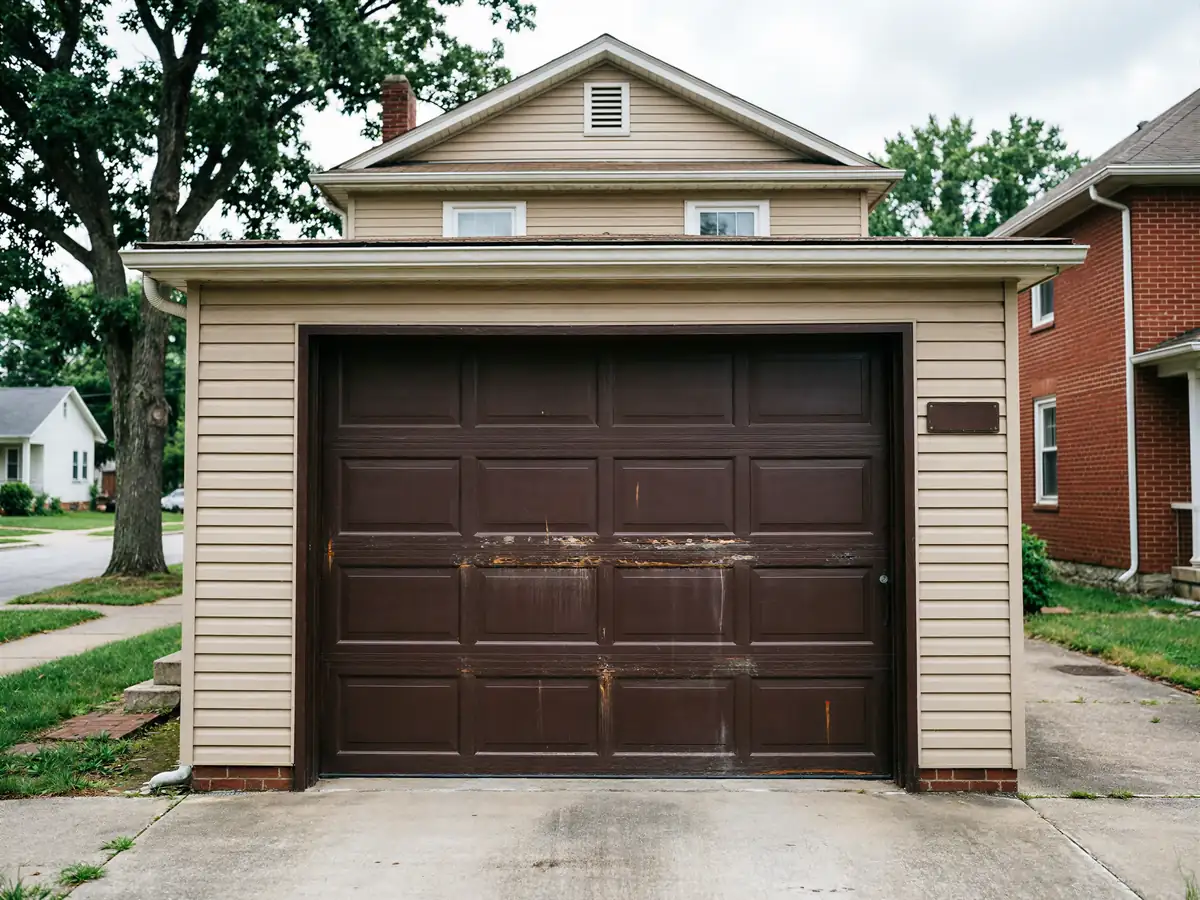
Most garage doors in Casselton went up around 1979
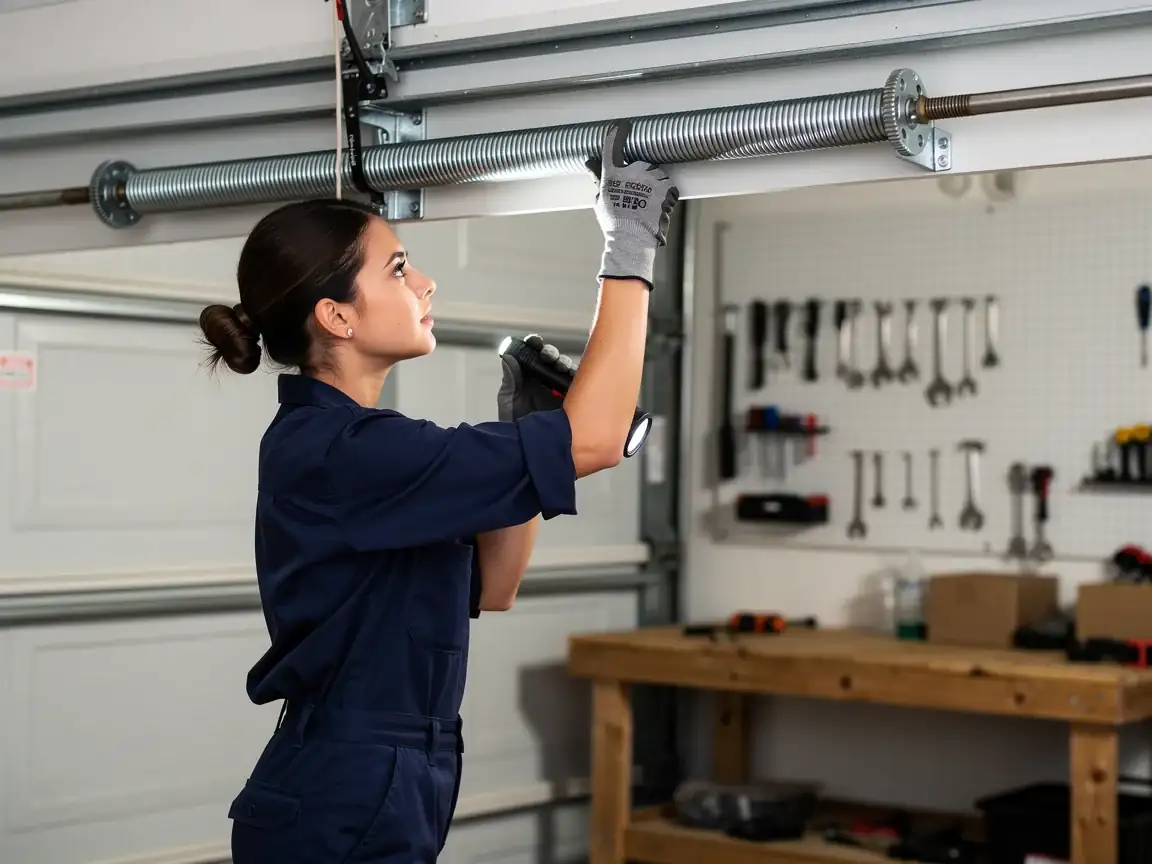
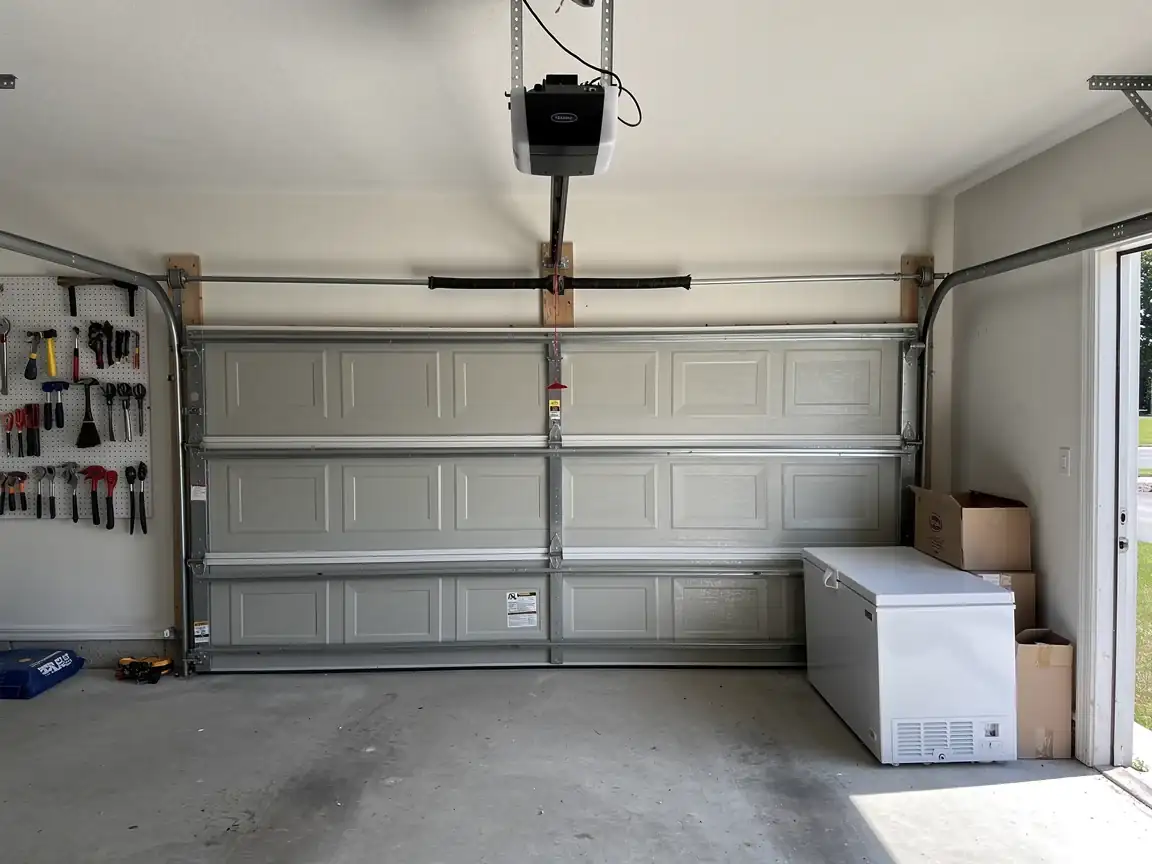
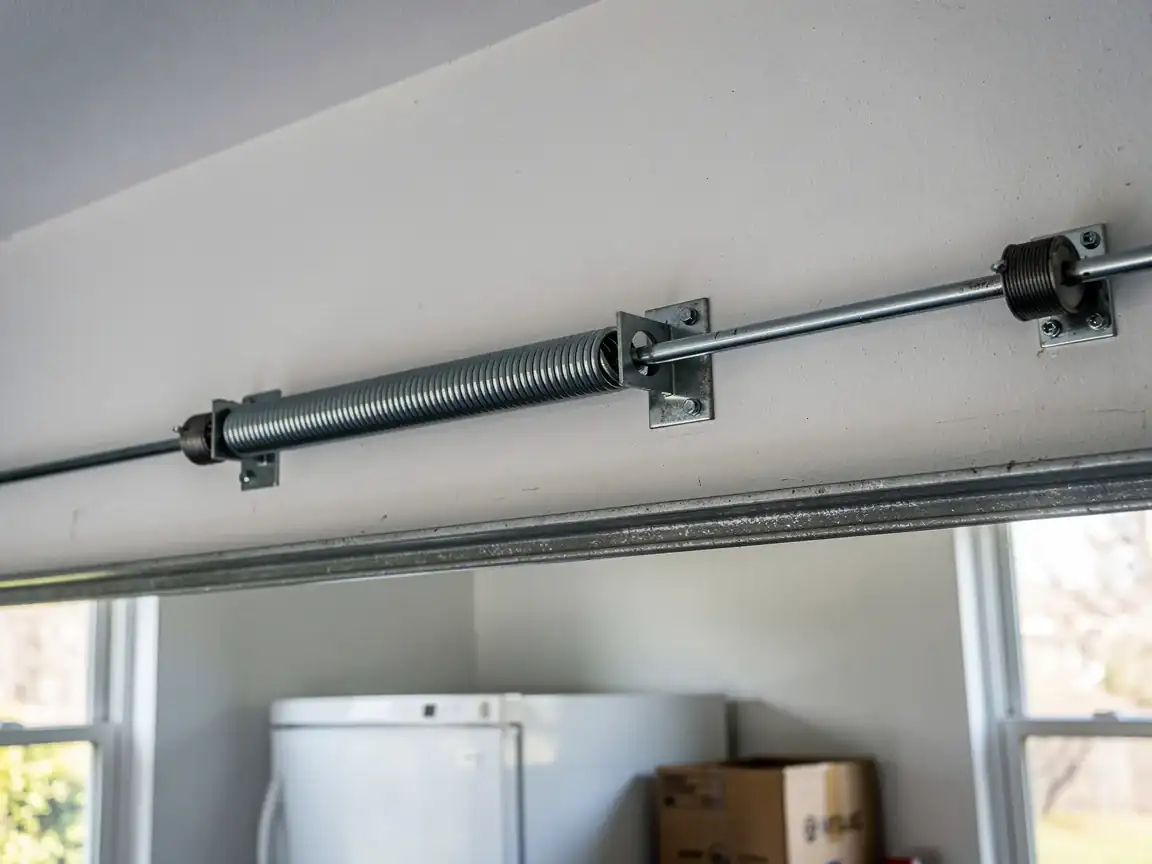
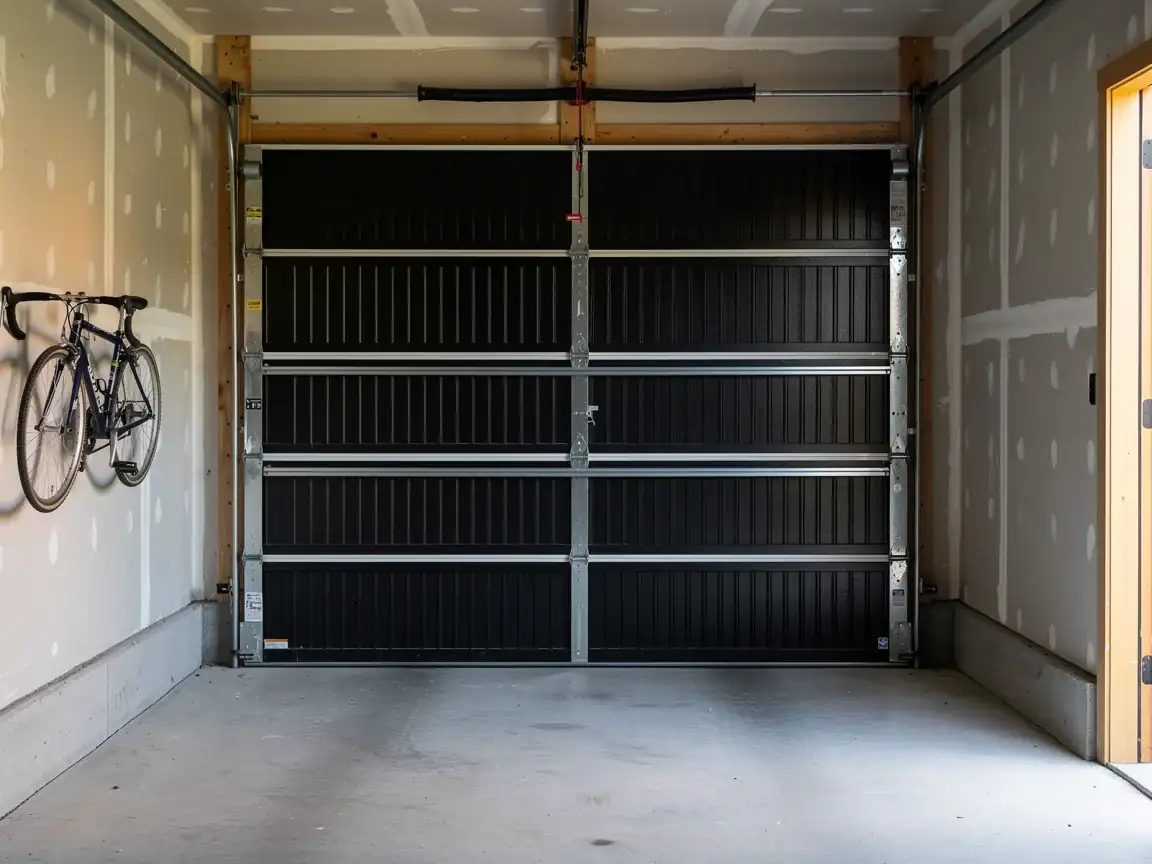
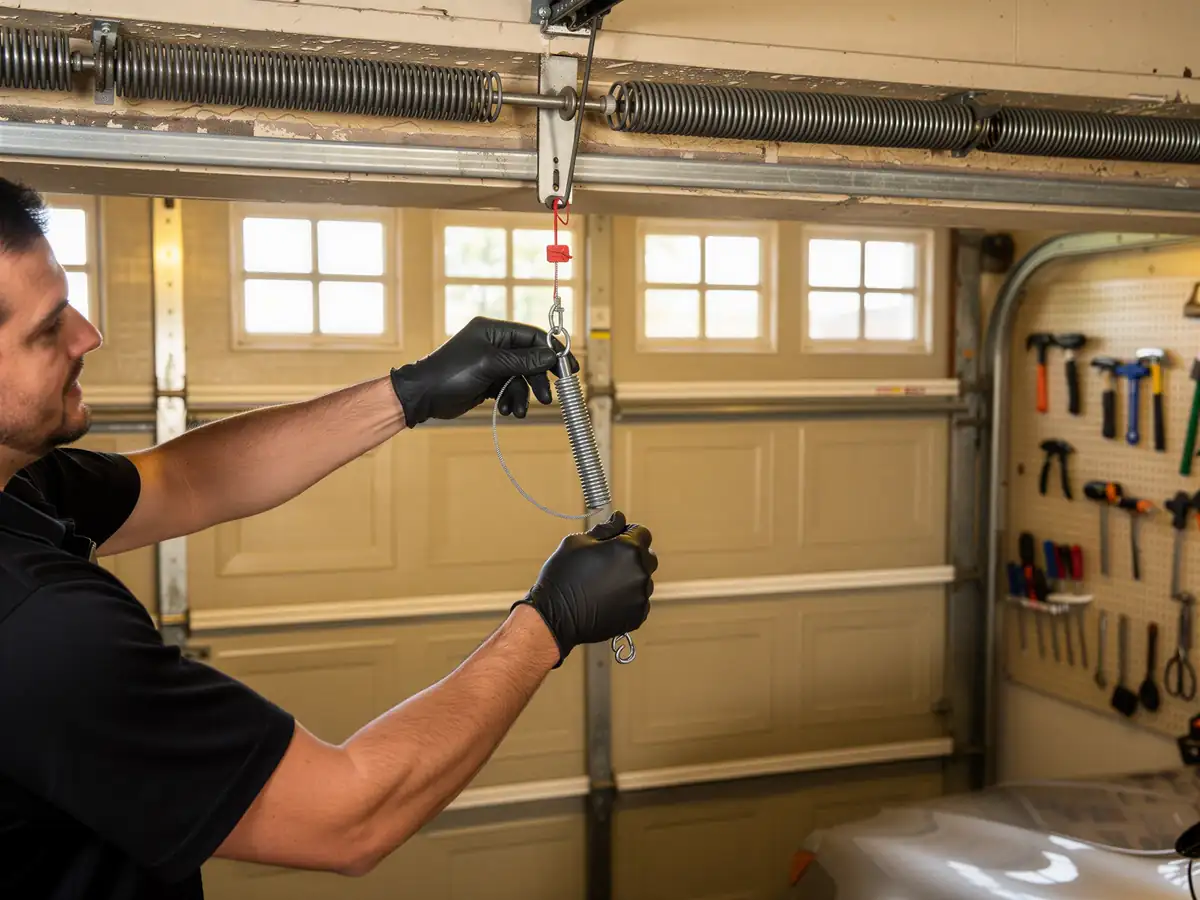
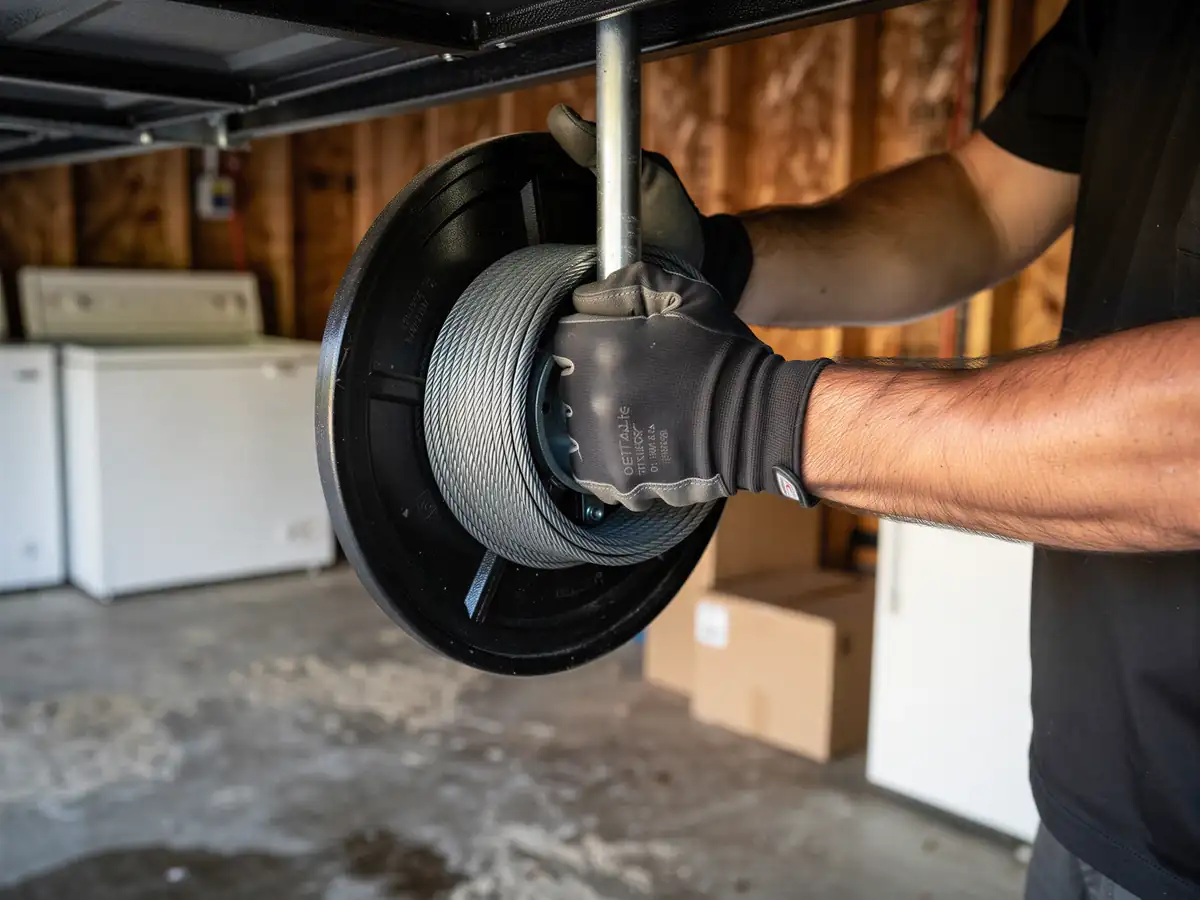
A good two decades ahead of the median across the wider Fargo service area. That matters because a door from that era is usually a steel sectional panel on galvanized track, running on hardware that was never designed for today's heavier insulated sections if someone upgraded the door but kept the opener and springs. Before you touch anything, look at the torsion spring above the door - if it's original to a 1979 build, the winding cones and the stationary cone plate are the parts most likely to have corroded from 40-plus winters of condensation.
What you can safely do yourself
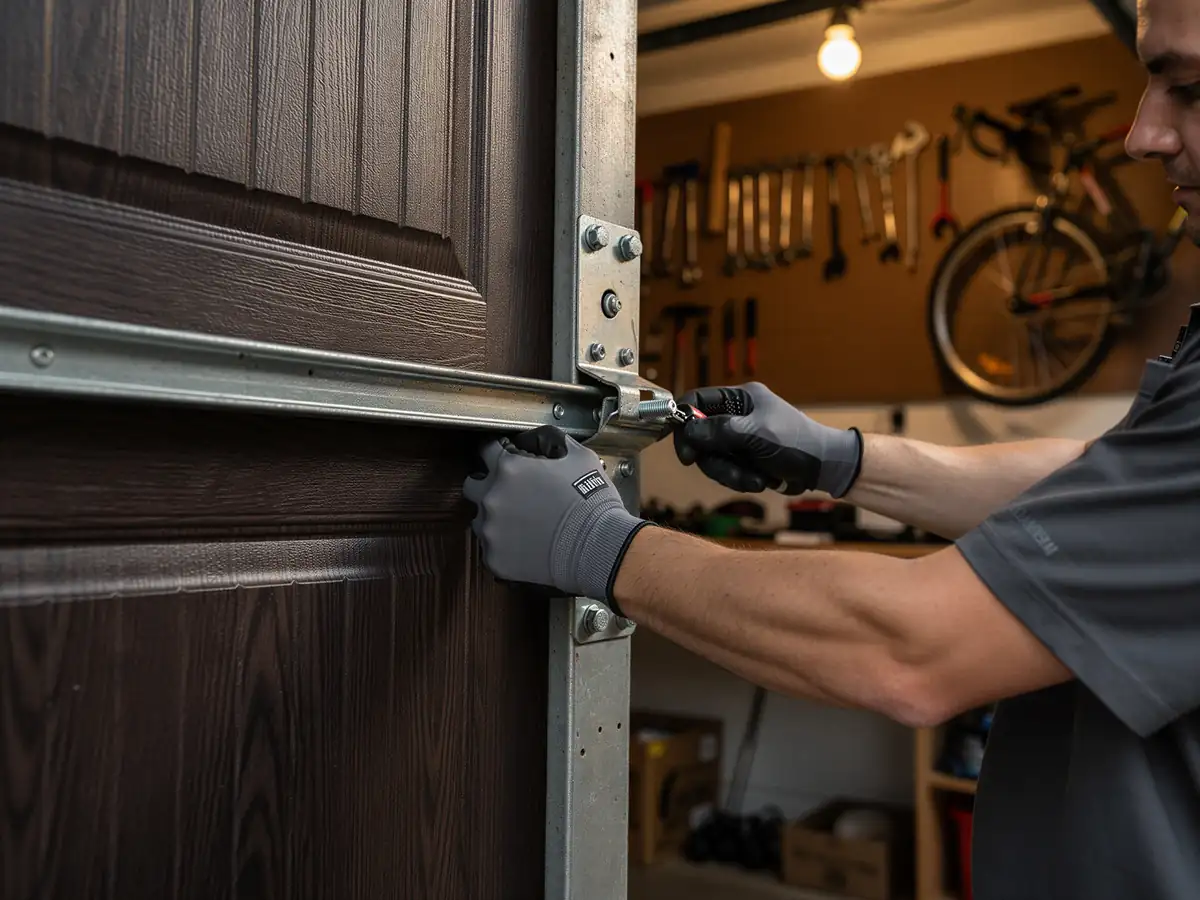
Wipe down the tracks with a dry cloth and check for rust flaking off the rollers, test the auto-reverse by laying a 2x4 flat under the door and closing it, and look at the bottom weatherstrip for cracking - on a door this old it's probably been replaced at least once already, so a gap doesn't always mean failure, it might just mean the strip is due again. Do not touch the torsion spring itself. On a door built before today's safety-cable standards, an ungoverned spring under tension is a genuine injury risk, and that's not a DIY line worth crossing for the few dollars it saves.
How to Book
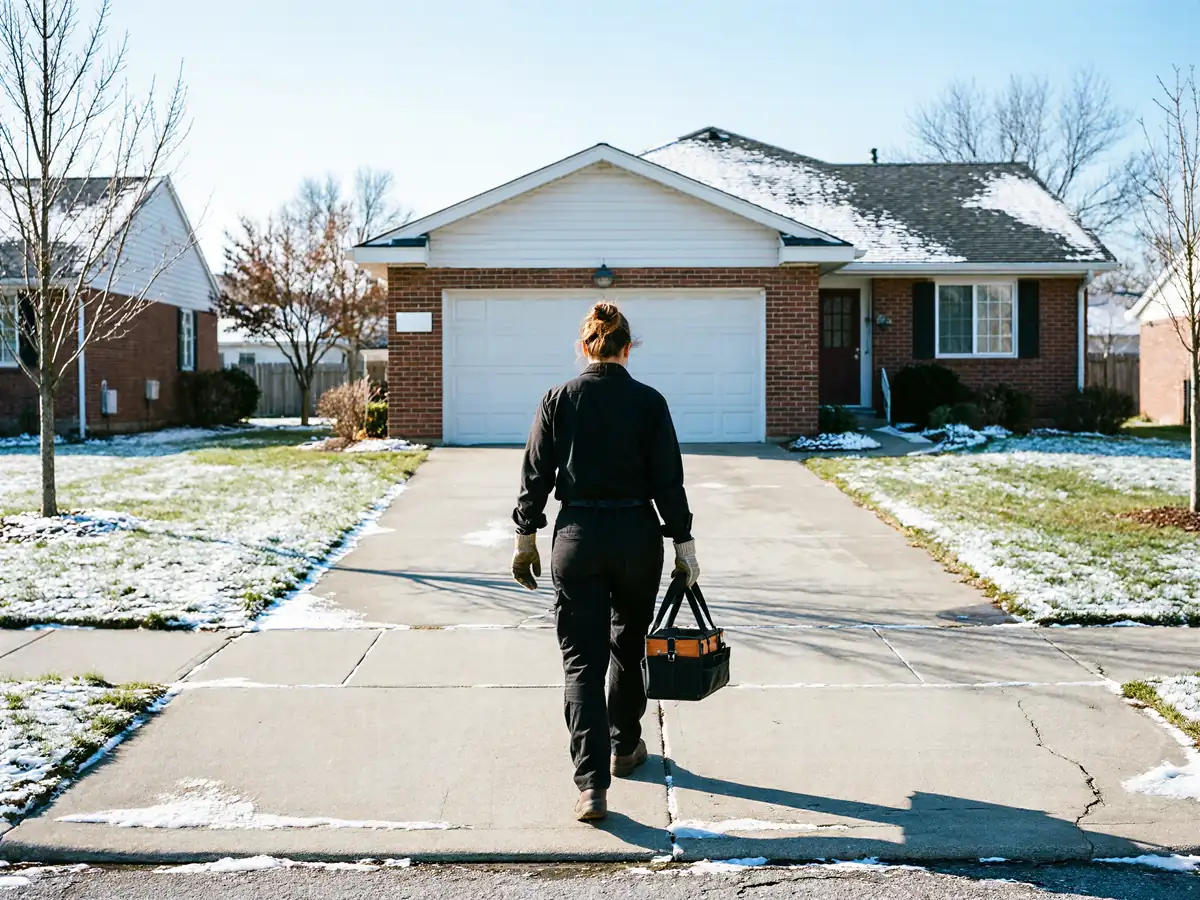
We run out of Fargo, about 18 miles east, so there's no branch office sitting in Casselton itself - a maintenance visit here is a scheduled trip, not a walk-in. That's worth knowing up front: we're not going to tell you we can be there in twenty minutes, because we can't, and a company that says otherwise on a Casselton job is guessing. What we can do is bundle the drive efficiently if you book ahead rather than calling the morning your door won't close.
If you want the full rundown of what a maintenance visit covers across the wider service area - lubrication schedule, spring balance check, opener force settings - that's laid out on our maintenance page for the Fargo area. For anything specific to doors in town, including repair work alongside maintenance, see the Casselton garage doors page.
The Symptom
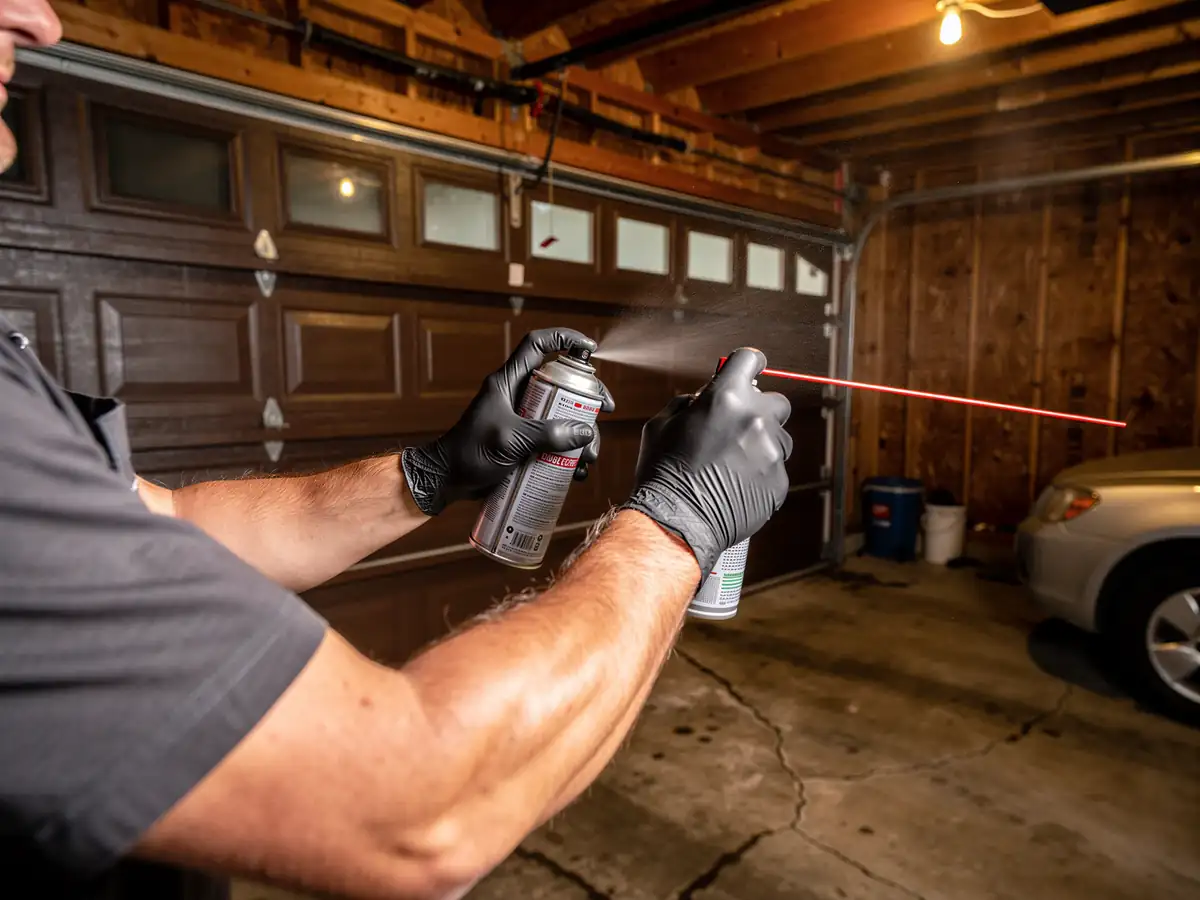
The complaint we hear most from this stretch of 1970s and '80s stock is a door that groans or catches partway up, especially on the first cold morning after a stretch below zero. That's consistent with the climate here - this is a severe cold band, and grease that was fine in October turns to something closer to wax by January. On a door built around 1979, the original rollers are likely nylon or steel without sealed bearings, and cold-hardened lubricant on top of worn roller stems is exactly what produces that catch-and-release motion partway up the track.
A second common symptom: the door reverses on its own a few inches from closed. On older openers paired with original springs, that's often a balance problem rather than a safety-sensor fault - the spring has lost tension over decades of cycling and the opener motor is straining to compensate. We won't guess at your specific unit over the phone; it needs eyes on the spring and a hand test with the opener disconnected.
How Long It Takes
A standard maintenance visit on one door runs under an hour once we're on site
Lubrication, hardware tightening, track alignment check, spring balance test, opener force and limit adjustment. The honest limitation is the trip itself: because Casselton is a drive from Fargo rather than a town we're based in, we schedule these visits in blocks rather than same-day, so plan on booking a few days out rather than calling at 8am for an 9am slot.
If the visit turns up a spring or cable that's past adjusting
Common enough on hardware this old - we'll tell you on site rather than quoting a repair over the phone, since parts for some older torsion setups aren't something we carry on the truck by default and may need to be ordered in.