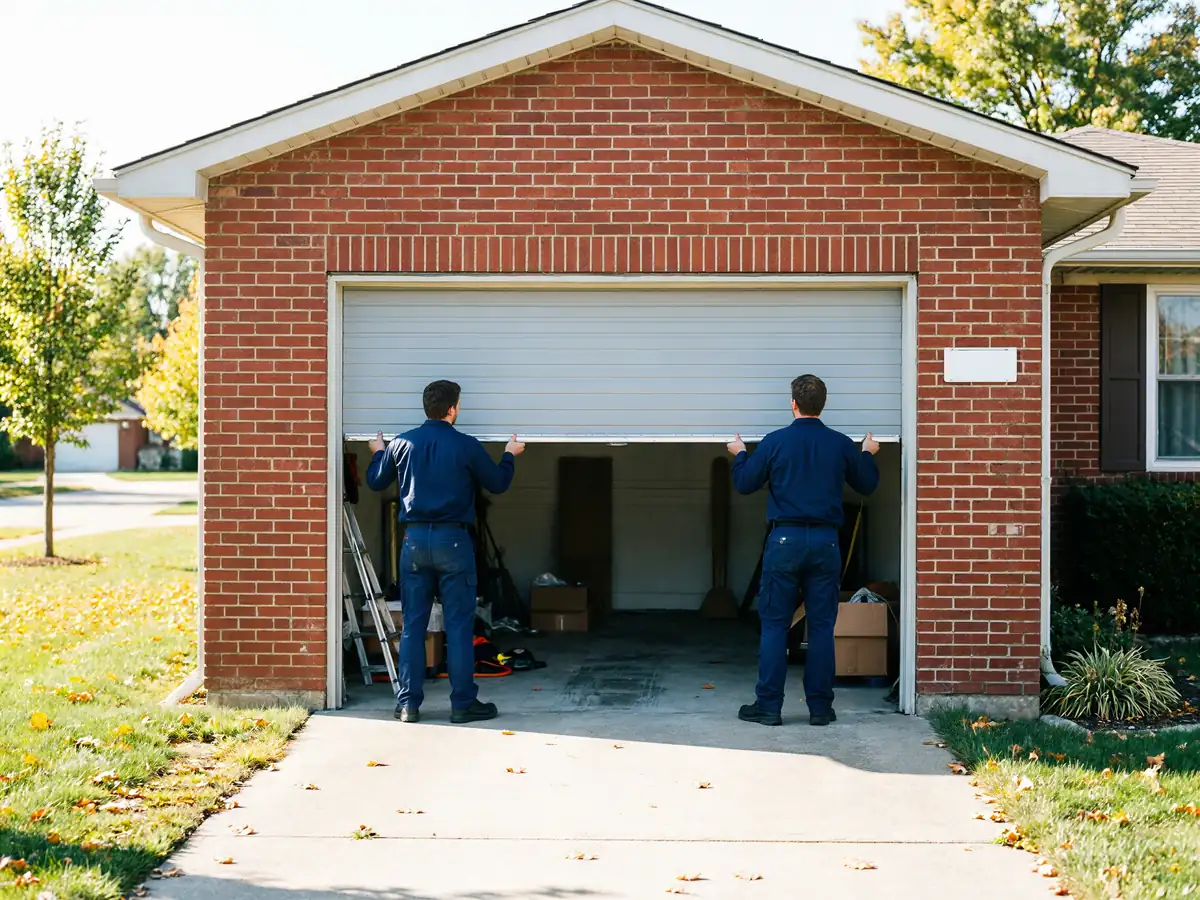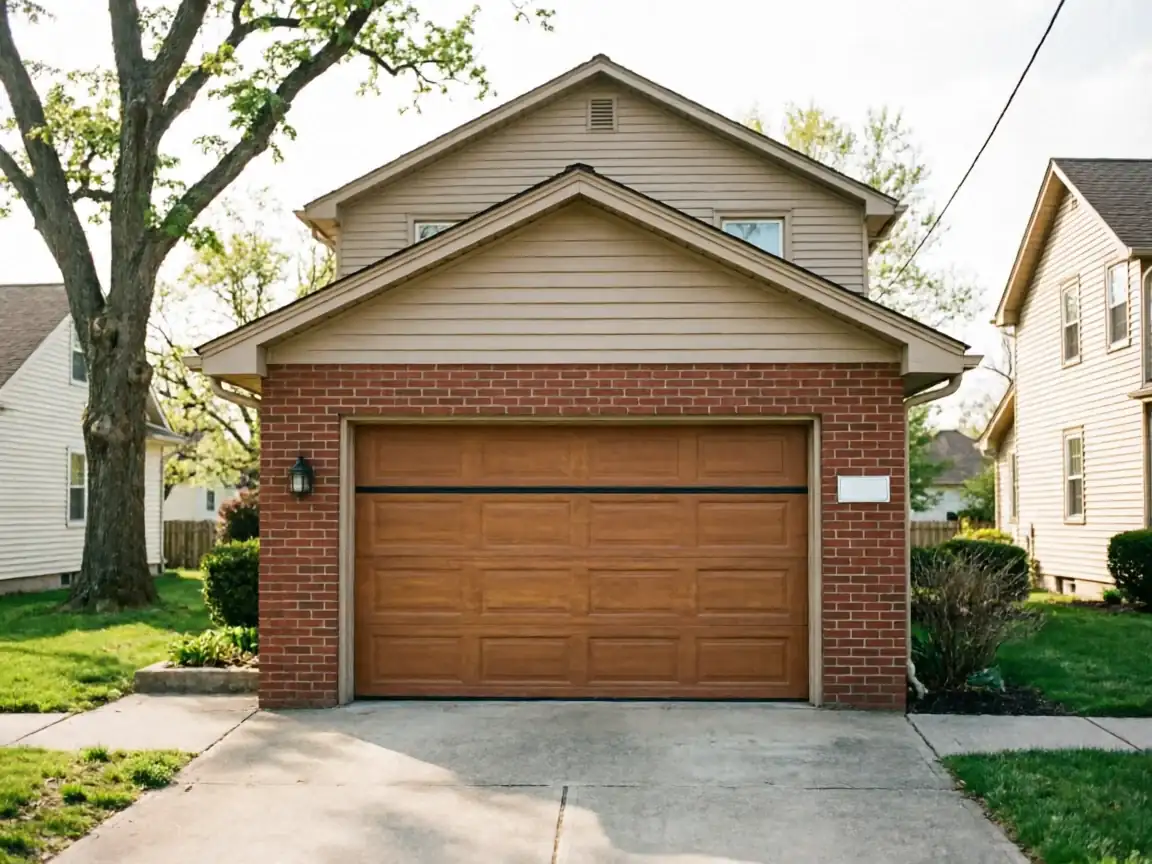
Doing It Yourself
Casselton is a small town
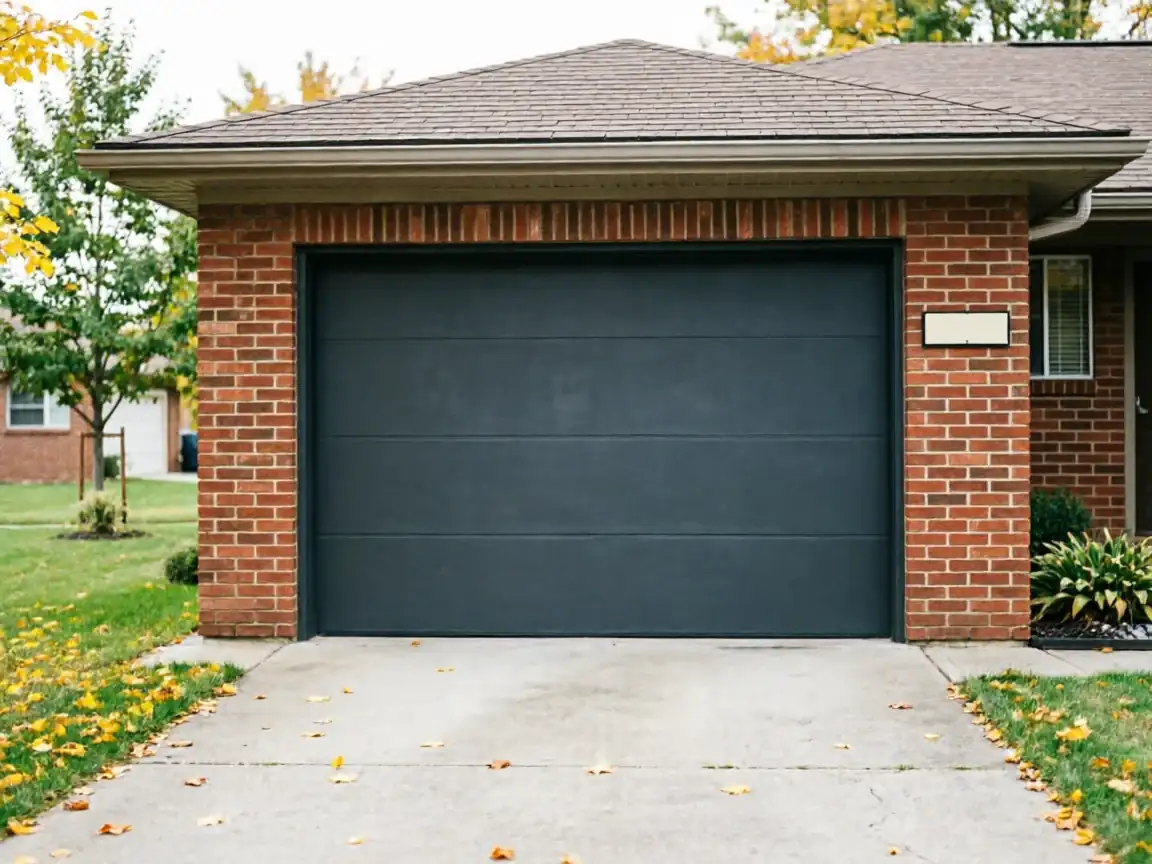
About 1,135 households, a fraction of the roughly 19,183 spread across the whole area we cover out of Fargo. That size matters: we don't see the same mix of door ages and failure types here that we'd see in a bigger pocket of the service area, because most of the housing stock went up around the same stretch of years, close to 1979. That means a lot of the doors in town share the same hardware generation, and a lot of the same fixes come up again and again.
- 1,135 households
Before you call anyone, there's plenty you can check yourself
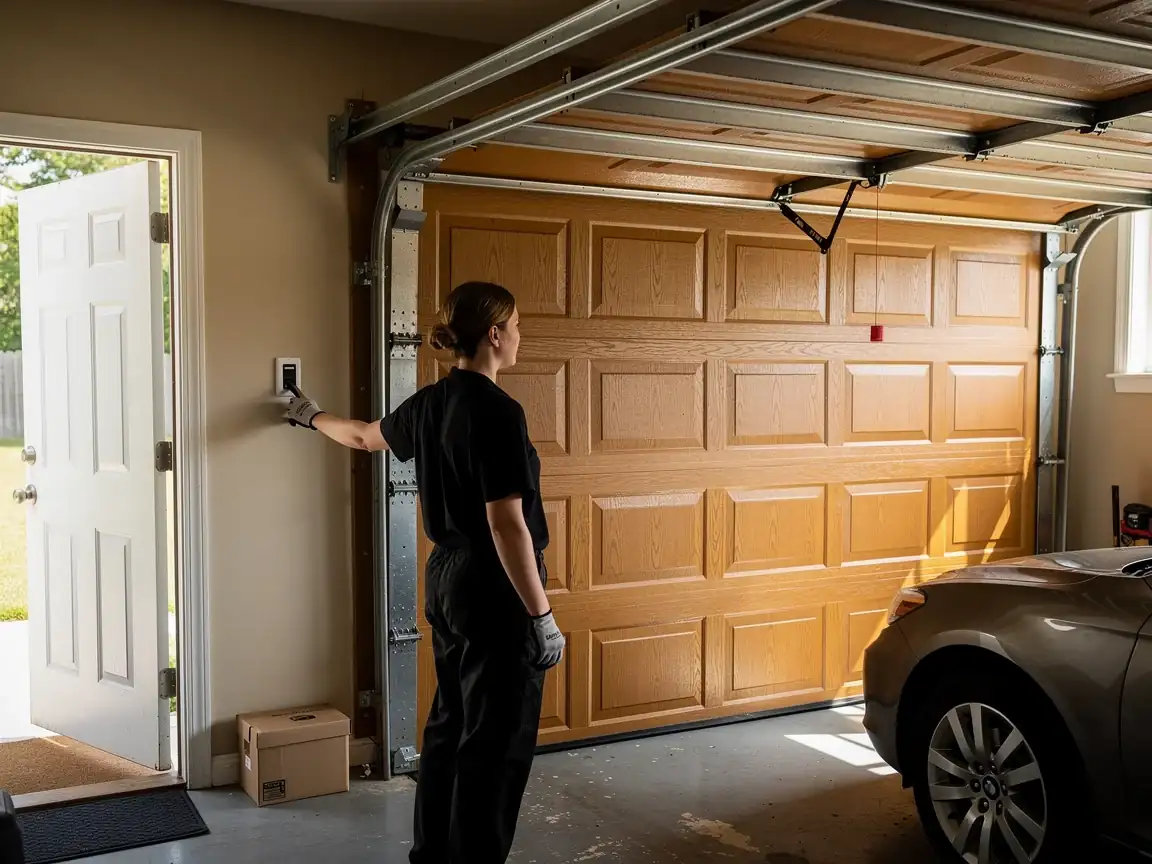
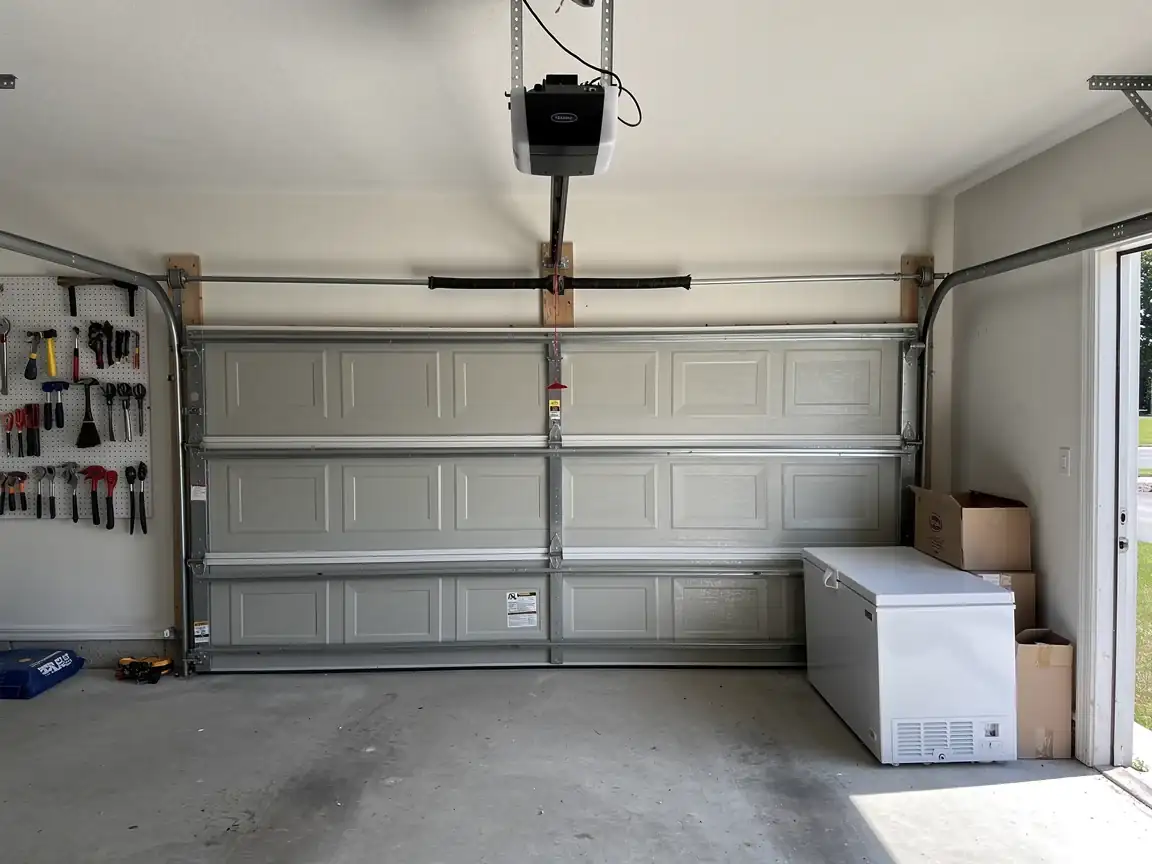
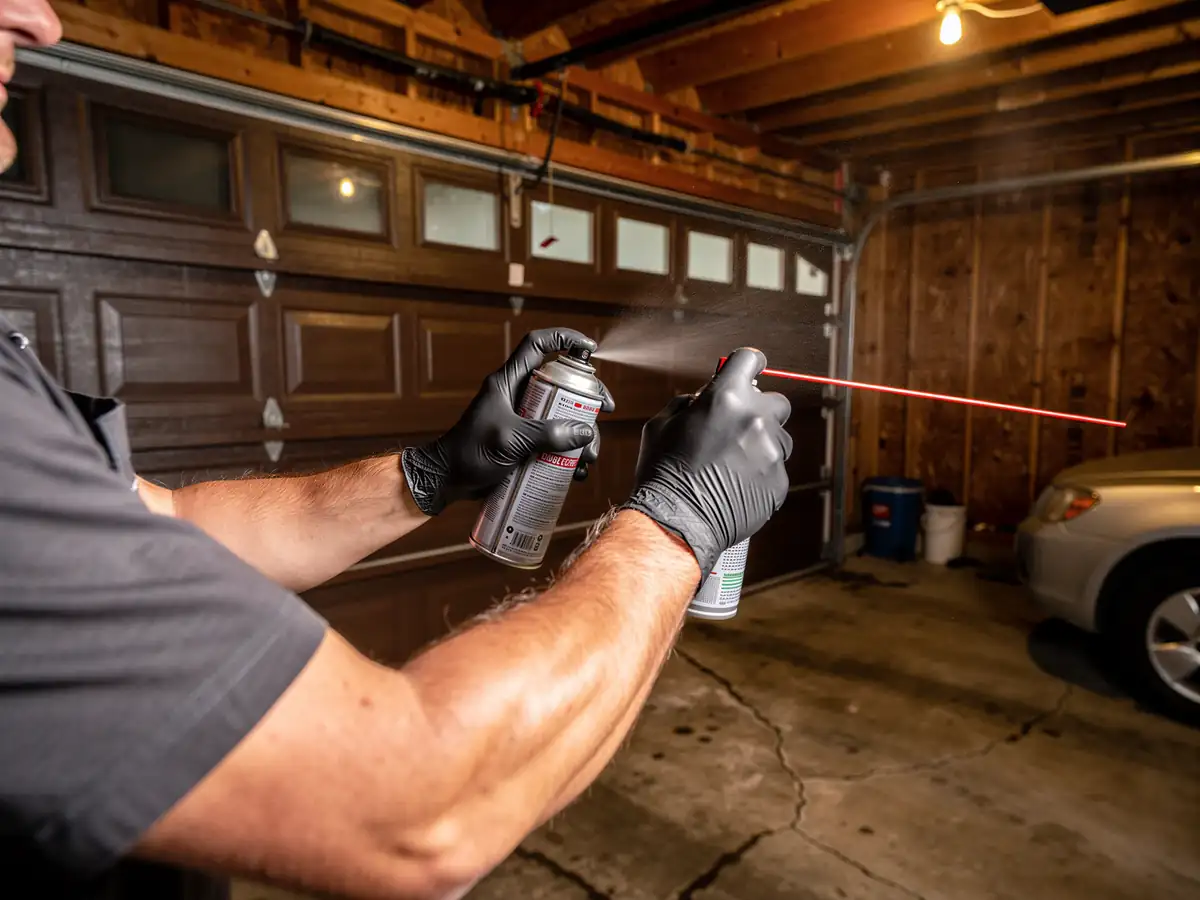
Vacuum out the tracks and wipe down the rollers - grit and dried grease are the most common reason a door starts grinding instead of sliding. Look at the weatherstripping along the bottom panel; on a door built in the late 70s or early 80s it's often cracked or missing outright, which lets cold air and meltwater in under the door. Test the auto-reverse by setting a 2x4 flat under the door and closing it - it should bounce back on contact.
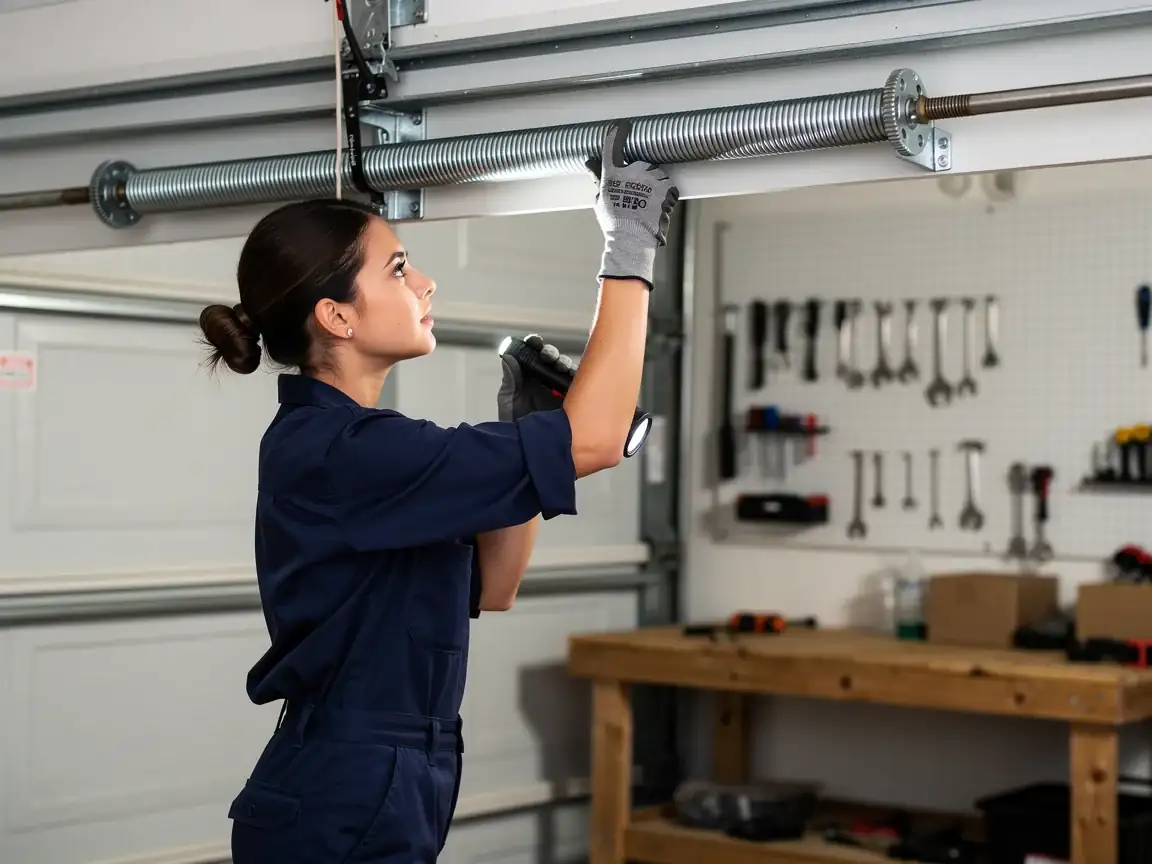
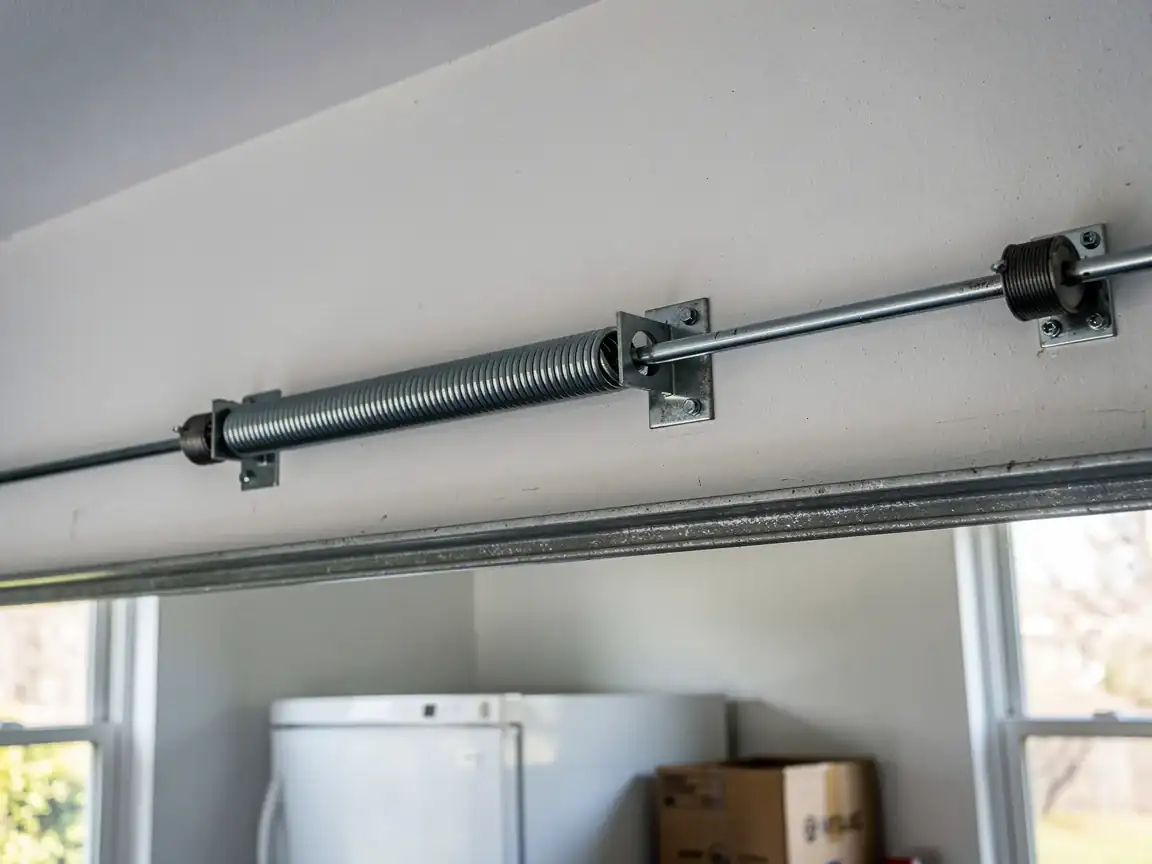
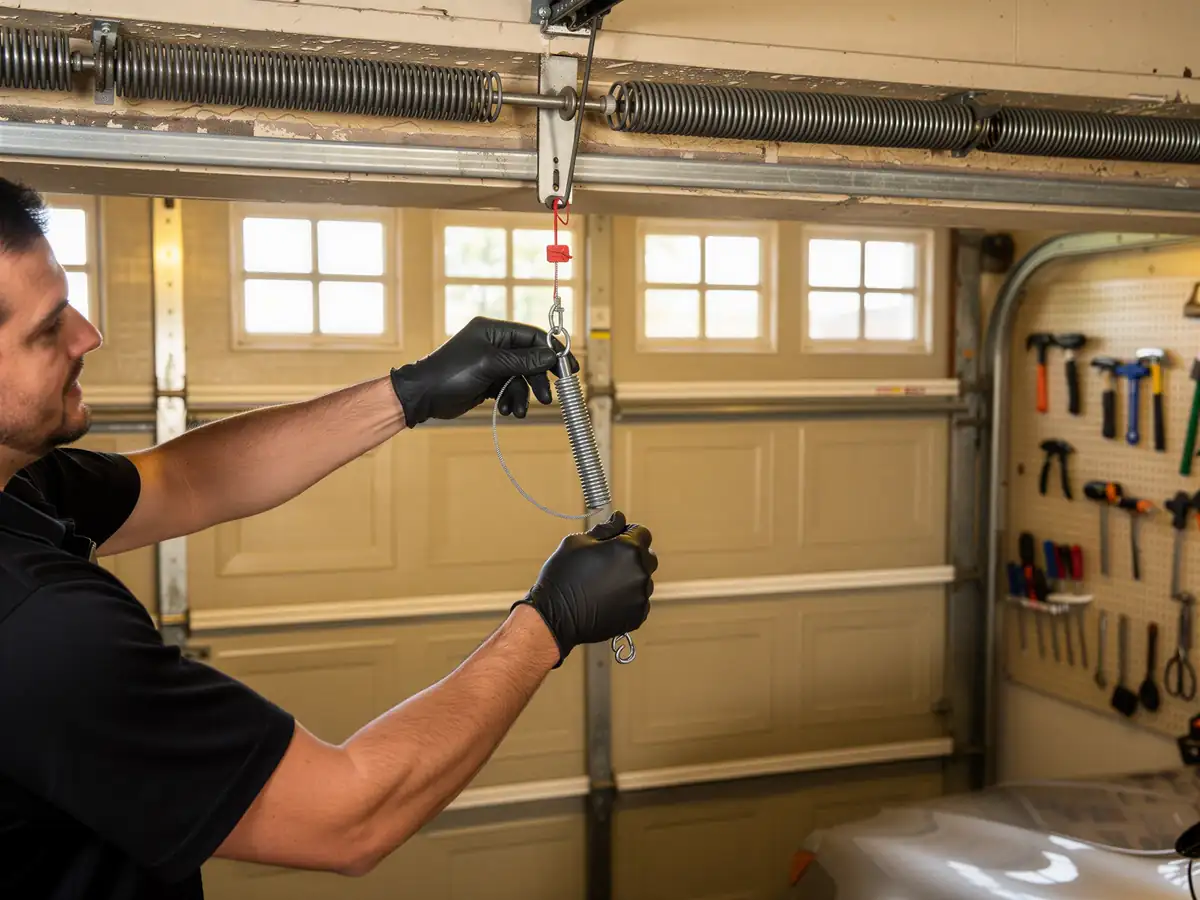
What you shouldn't touch: the torsion spring
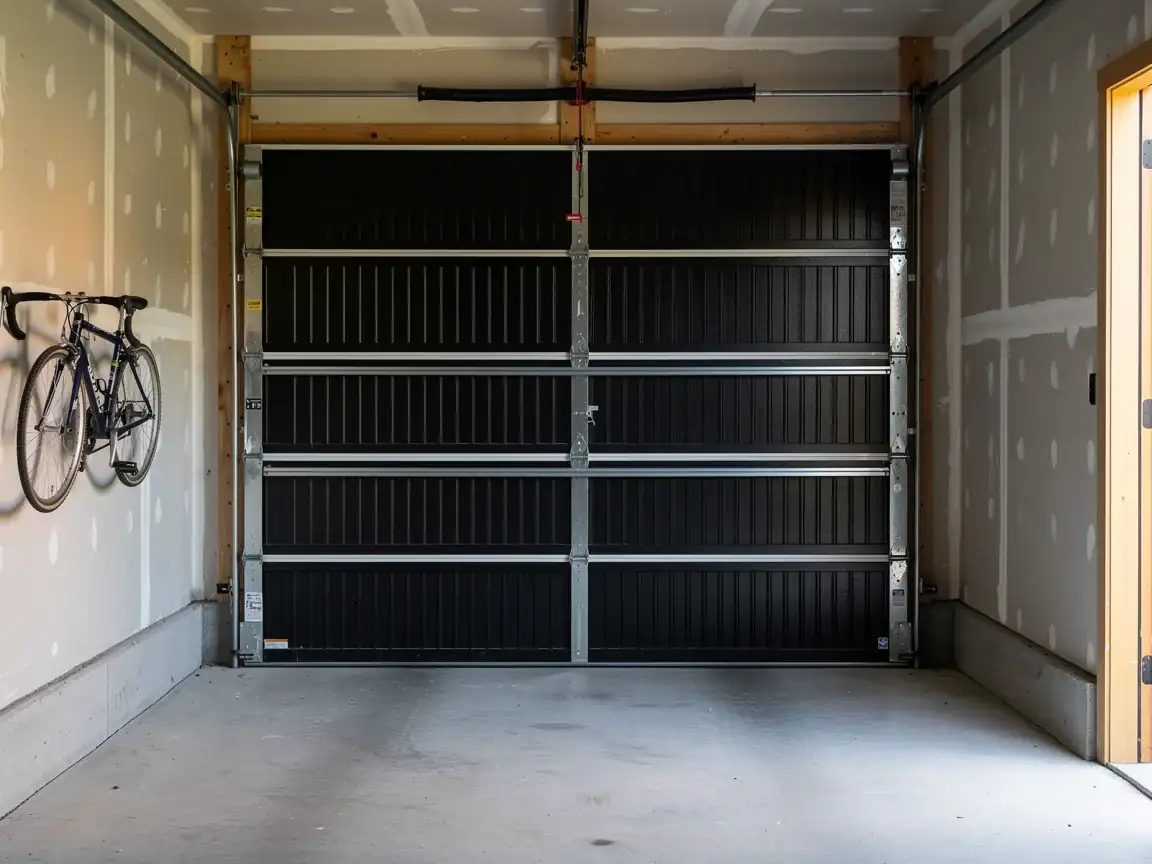
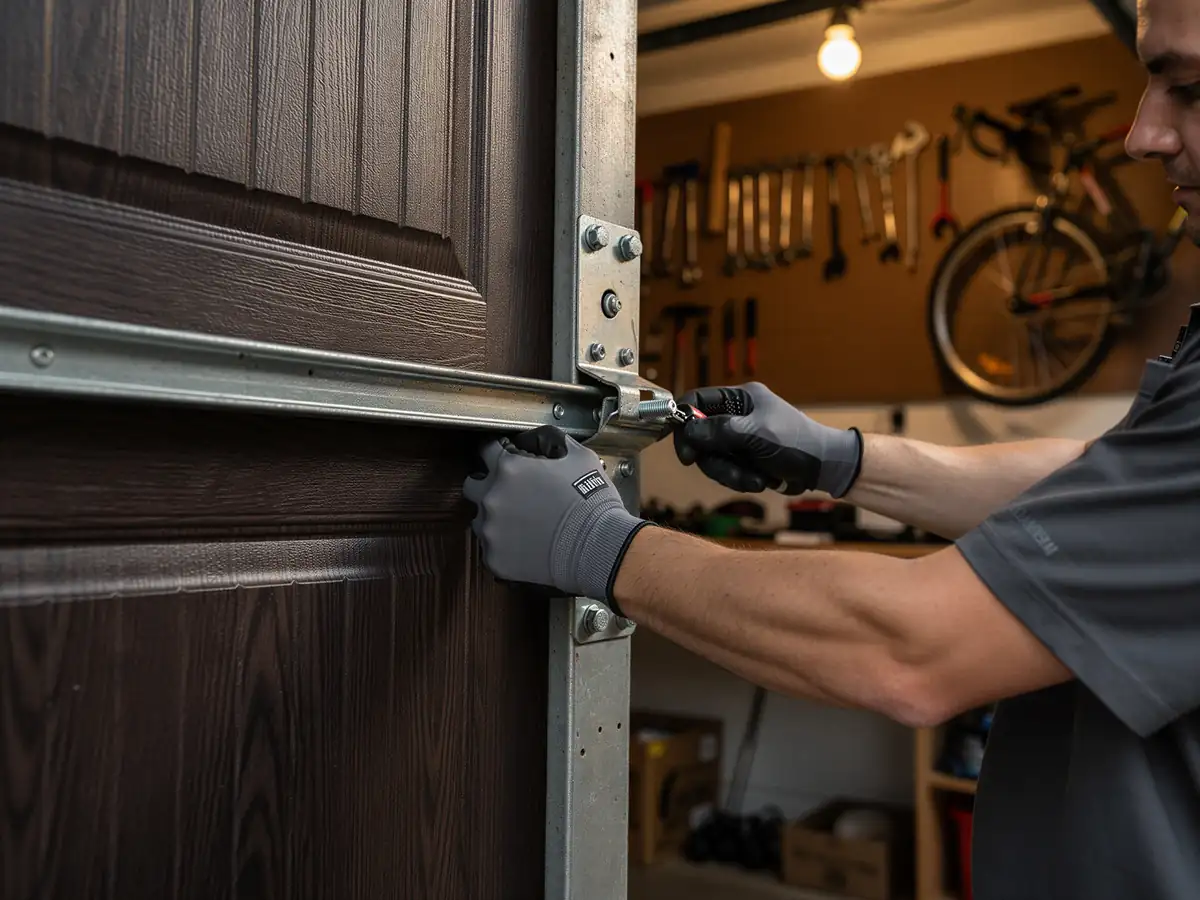
It's wound under enough tension to break a bone or worse if you don't have the right bars and know the turns. If the door feels heavy to lift by hand, or won't stay up, that's a spring job, not a weekend project.
How to Book
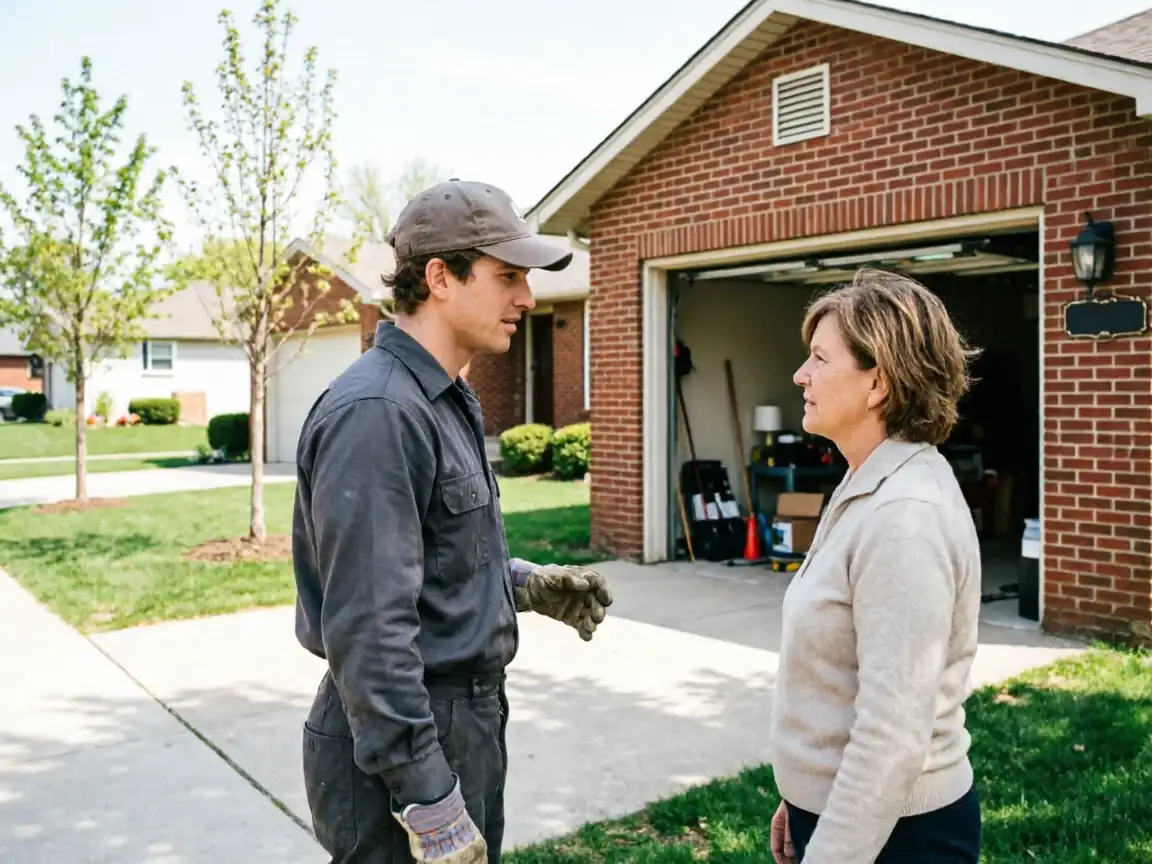
We're based in Fargo, and Casselton is about 18 miles out - there's no local branch here, so every job means a drive, not a walk-in. That's worth knowing up front: we schedule Casselton calls as trips, which is part of why it helps to describe the problem clearly when you reach out, so the right parts are on the truck before it leaves.
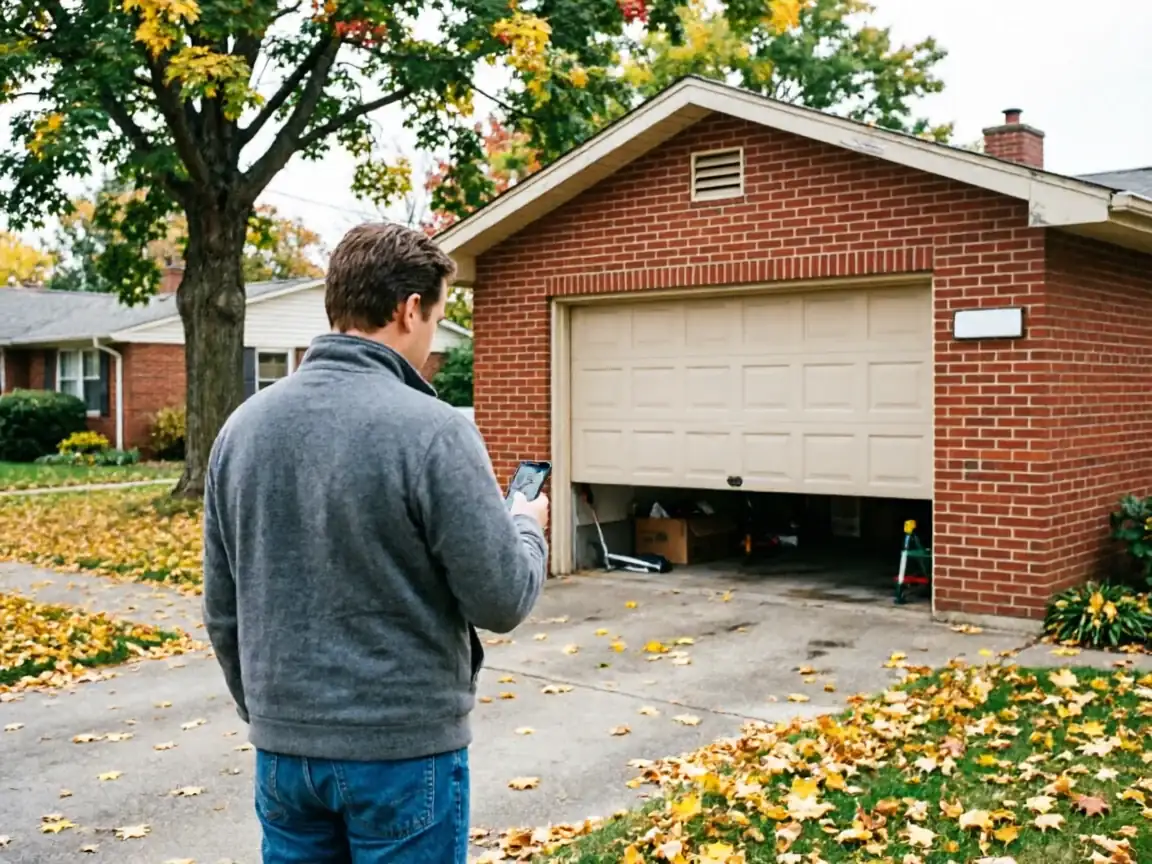
Tell us the door's approximate age if you know it - most houses in town are from around 1979, and that single detail tells us a lot about what's likely wrong before we even see the door. Mention whether it's a single or double door, whether the opener is original or has been replaced, and whether the spring is visible overhead (torsion) or along the sides (extension). A photo of the track and the spring area, sent ahead, often saves a second trip for a part we didn't know we needed.
We don't keep a depot or drop-in counter in Casselton itself, so same-day isn't something we promise here the way we might closer to Fargo. We'll give you a window when you call, and we'll stick to it, but factor the drive into your own planning if the door is stuck in a position that's a security problem overnight.
The Symptom
The symptom we hear most out of Casselton is a door that's suddenly heavy, or that won't stay up on its own - classic signs of a torsion spring that's lost tension or snapped outright. Given that most houses in town date to around 1979, a lot of these springs are original or close to it, and galvanized torsion springs from that era weren't built to last fifty winters. Cold makes it worse: this area sits in a severe cold climate band, and steel fatigues faster through repeated hard freezes and thaws than it would somewhere milder.
A second pattern we see: openers that chatter, reverse without contact, or stop responding to the remote. On houses from the late 70s into the 80s, it's common to find an opener that's been swapped once already, sometimes mismatched to the original door weight - which shows up as strain on the drive gear long before the motor itself quits.
What we don't recommend: patching a cracked wood panel door from this era with filler and paint. Panels from the 1979-ish build years are often a gauge or profile that isn't stocked anymore, and a patched panel usually fails again within a season or two in this climate. Past a certain point, replacing the section - or the door - costs less over time than repeated patch jobs.
How Long It Takes
A straightforward spring replacement on a standard door usually takes under two hours once the truck is on site
Where Casselton differs from a call closer to Fargo is the front end: add the drive time both ways, and plan the appointment window around that rather than expecting a quick turnaround the same hour you call.
Parts are the other variable
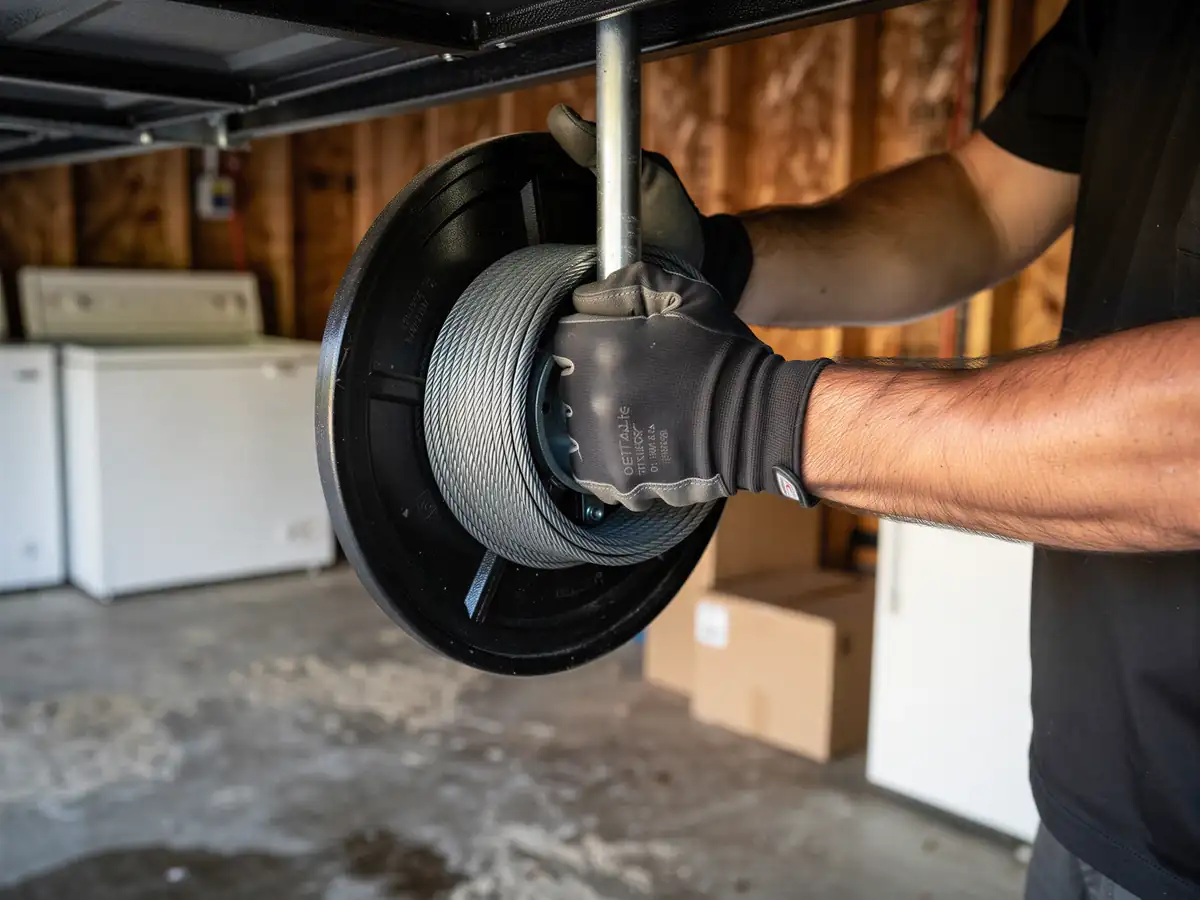
Most torsion springs, cables, and standard rollers are stock items we carry on the truck regardless of the job's location. Where it slows down is hardware specific to older doors - certain panel sections or original-spec opener parts from the 1979-era builds common around Casselton aren't something we keep on hand, and those can mean a second trip once the part arrives.
We'll be straight about that at the time we quote the job
If it's a common spring or roller fix, we're usually done in one visit. If it's a part that has to be ordered for an older door, we'll tell you that up front rather than let you assume it's a same-visit fix. Given the drive involved, we'd rather tell you the real timeline than guess low and have you wait around.