What You Pay
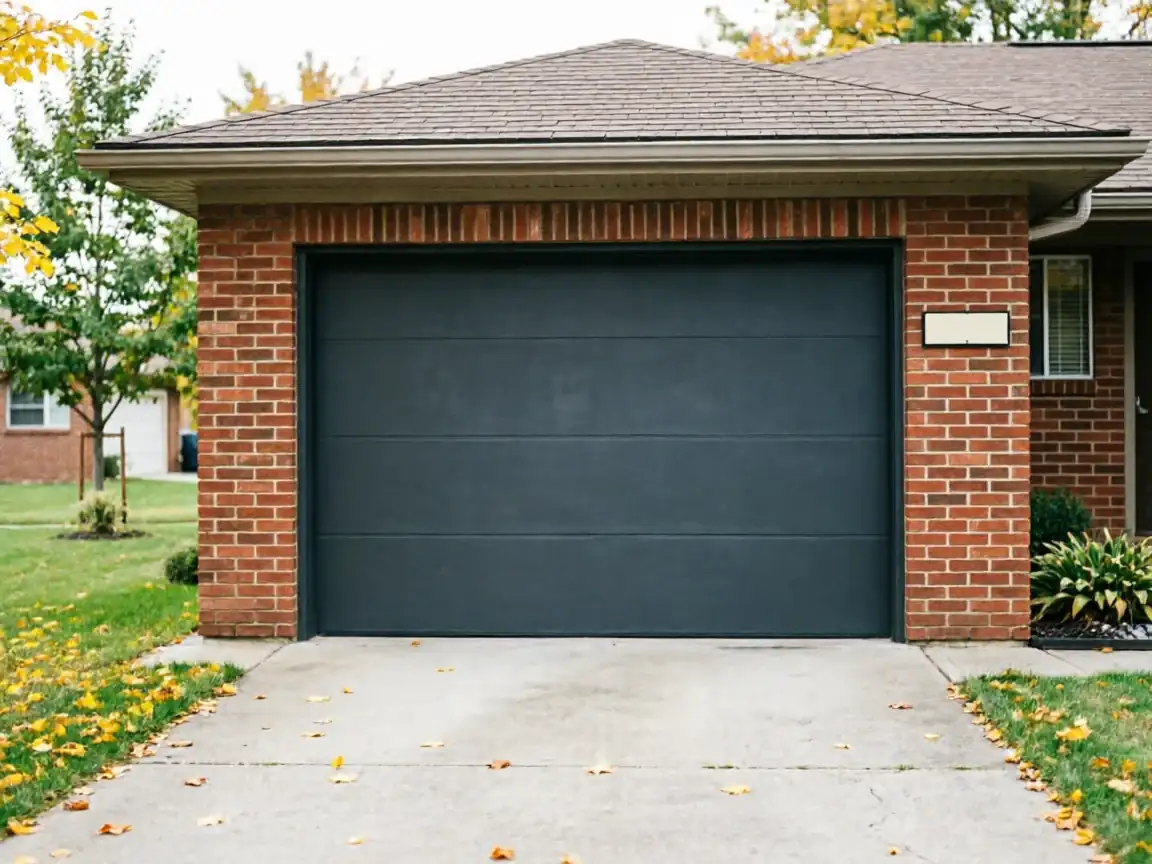
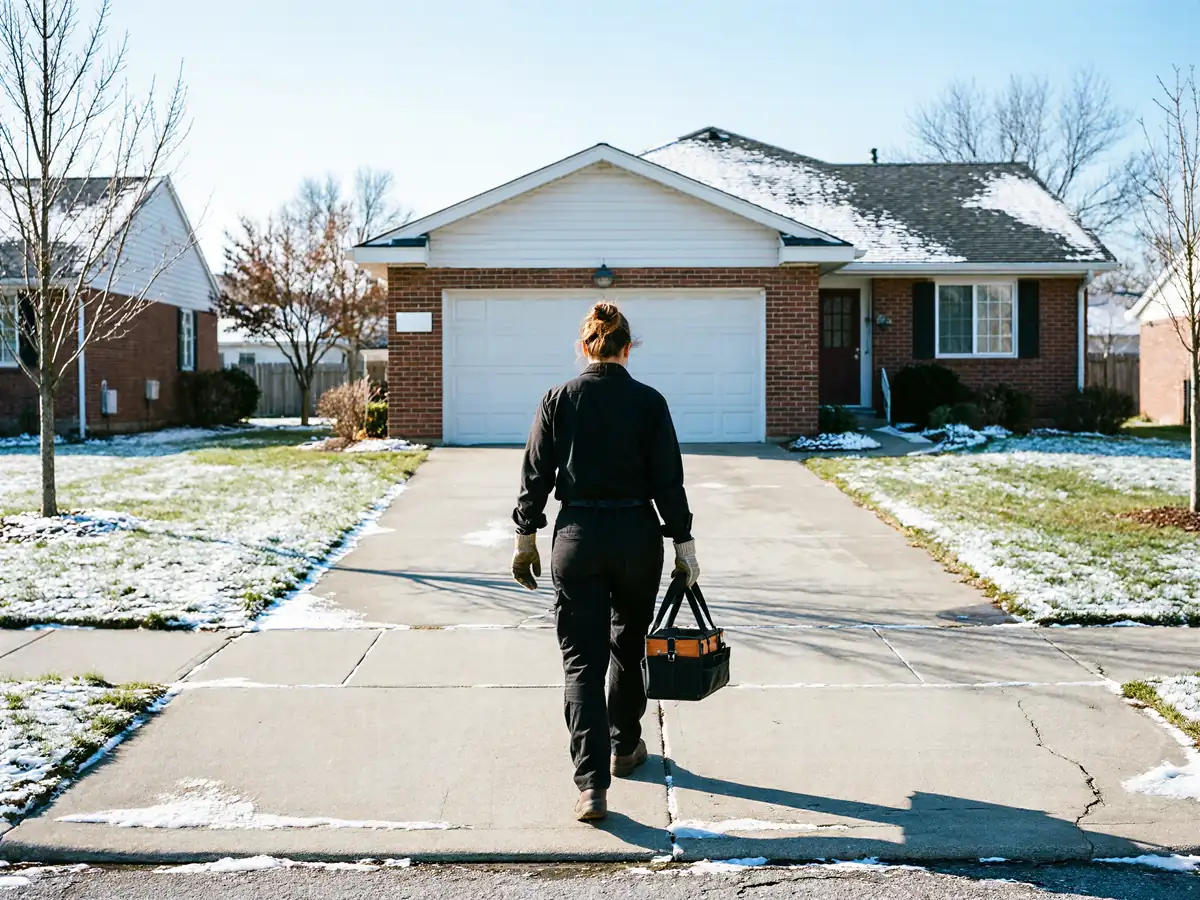
Argusville sits 14 miles out from our shop in Fargo
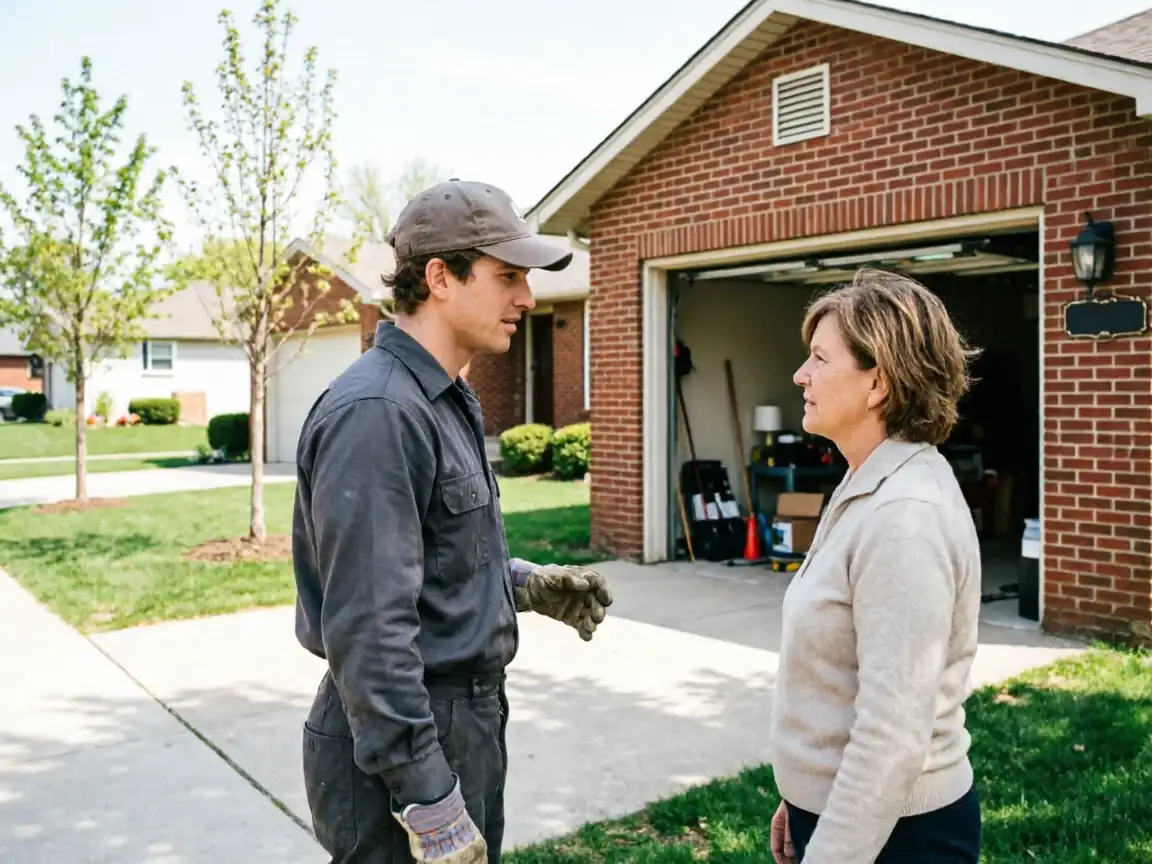
And that drive is part of how a cable call here actually works. We don't keep a branch in town, so every job starts with loading the right cable length and drum combo before we leave, based on what you tell us about the door on the phone. A snapped cable on a torsion system is a different repair than a frayed one on an older extension setup, and we want to roll out with both kinds of hardware rather than guess twice.
- 14 miles
We can't quote a flat number here because cable jobs split into two real categories
One broken cable on a double door with the other side still holding, versus both cables worn through on a door that's been dragging unevenly for months. The second one usually means we're also checking the drums and the bottom brackets while we're under the door, since a cable rarely fails alone. Tell us what the door is doing - which corner droops, whether it slams on one side - and we'll bring the parts that match, not a generic kit.
Stocked Parts
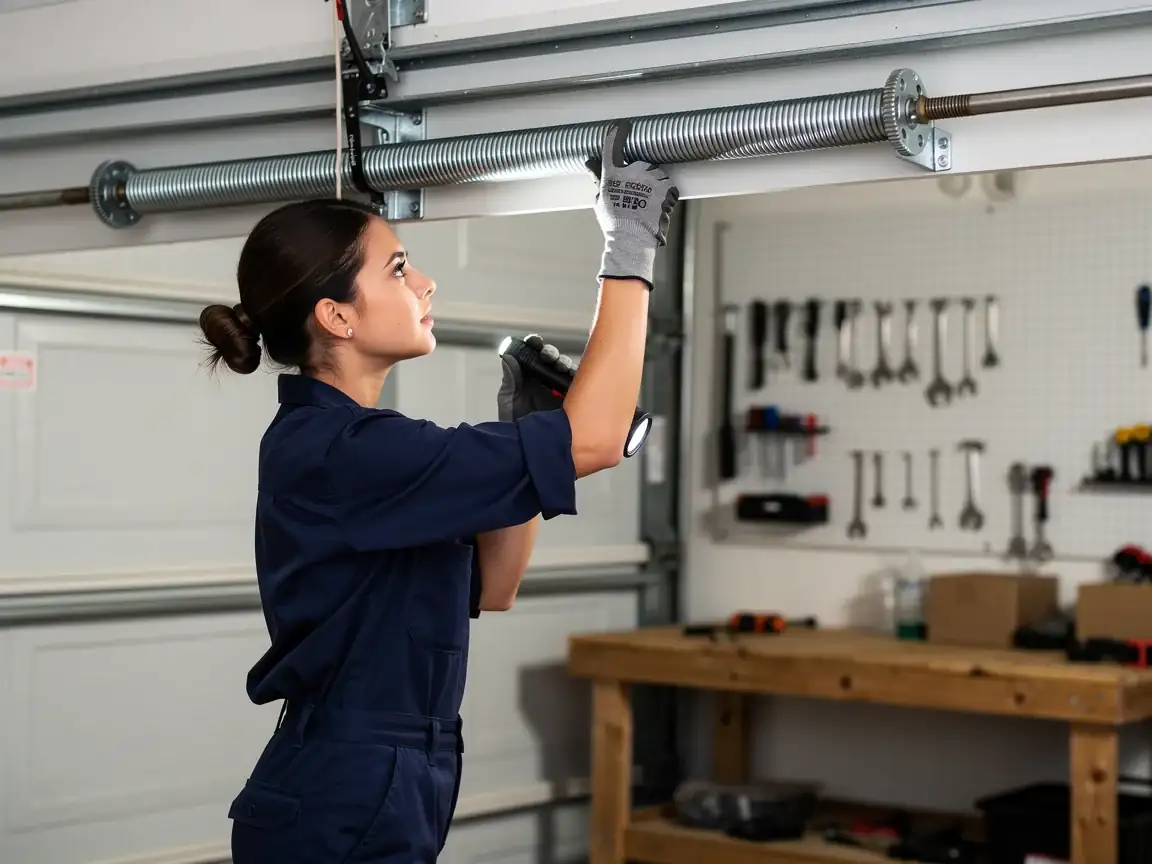
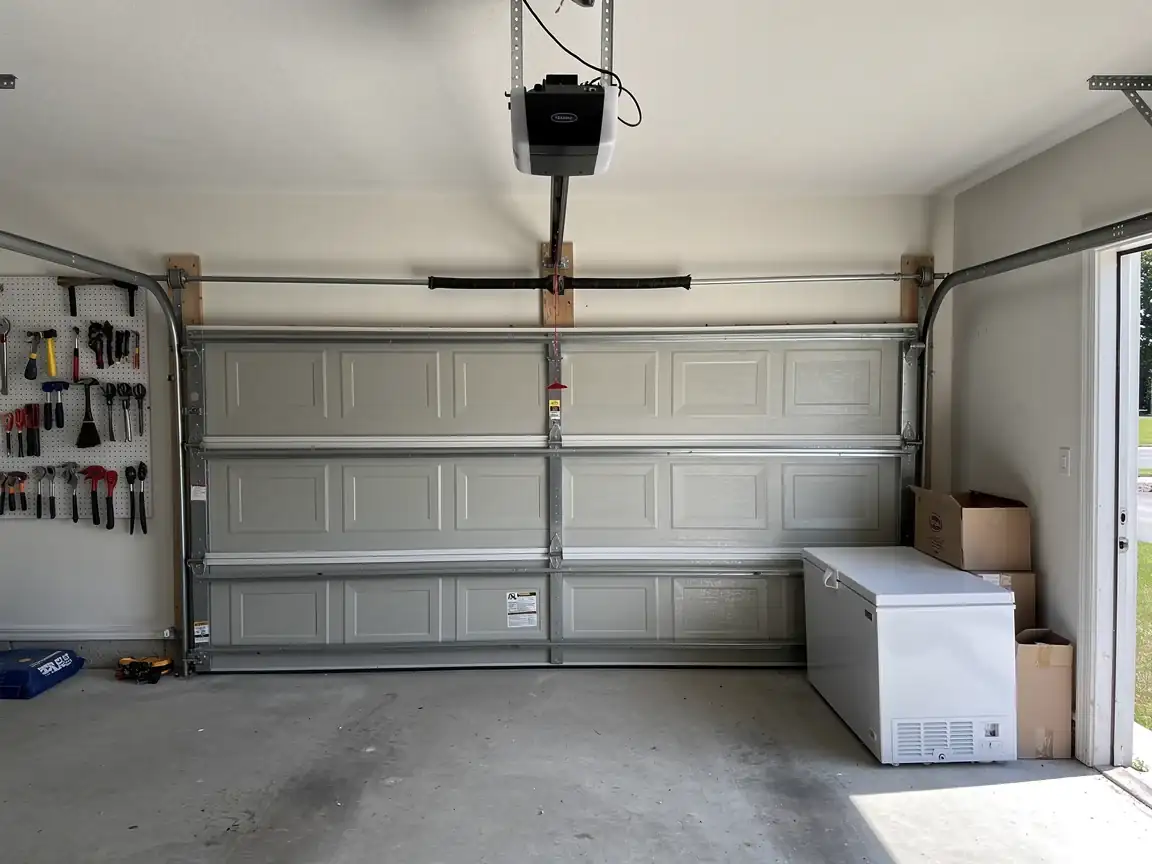
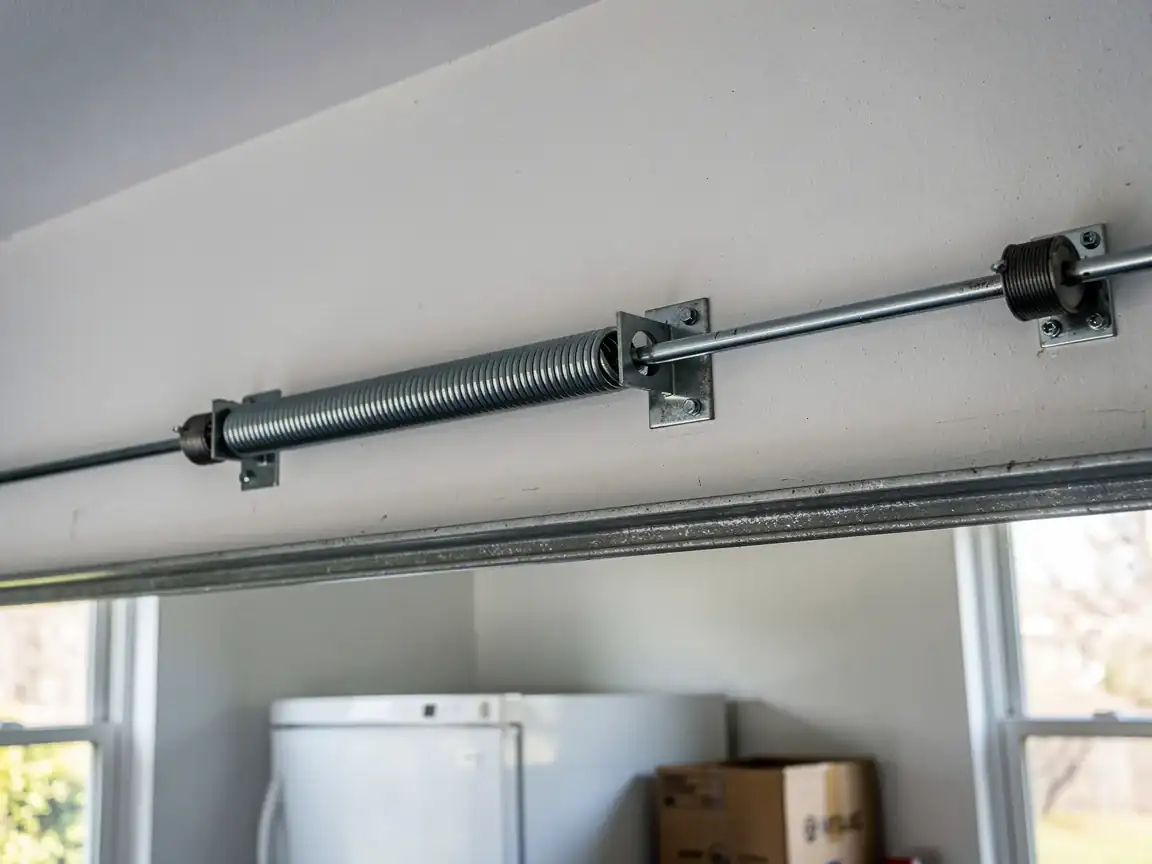
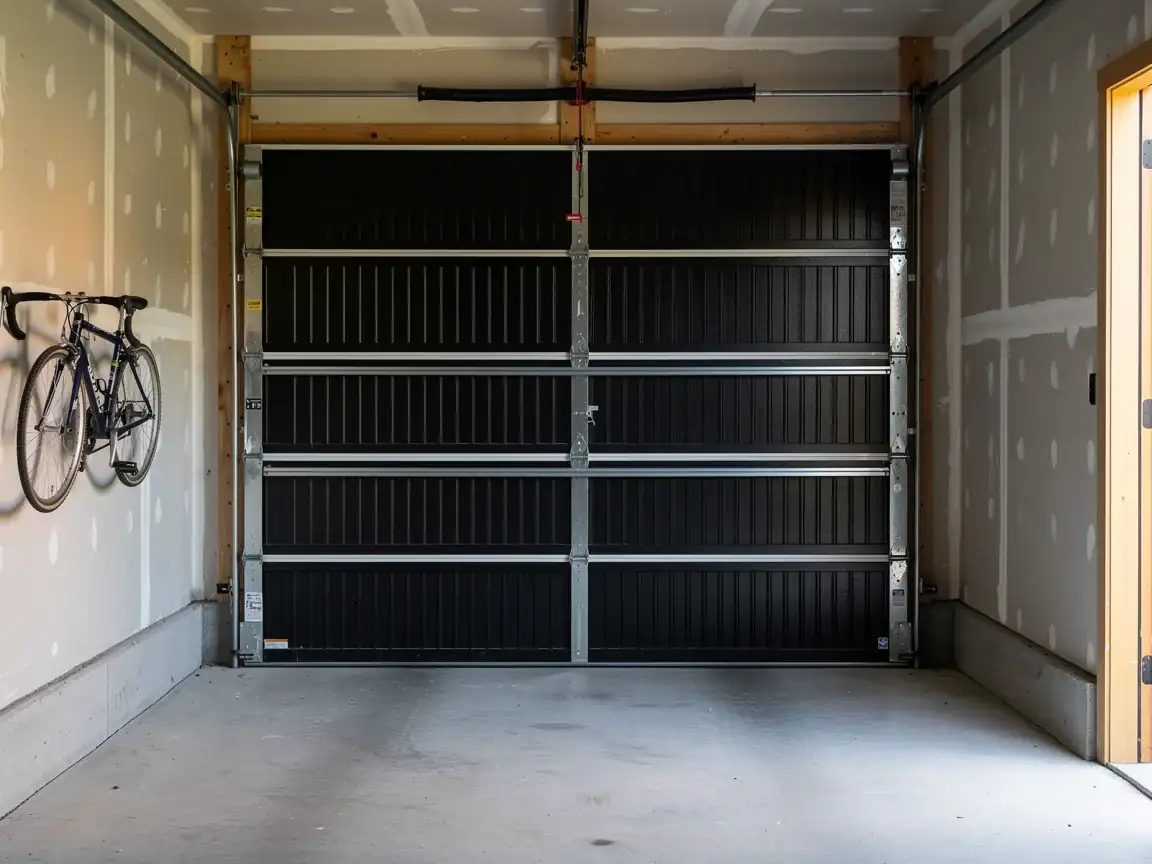
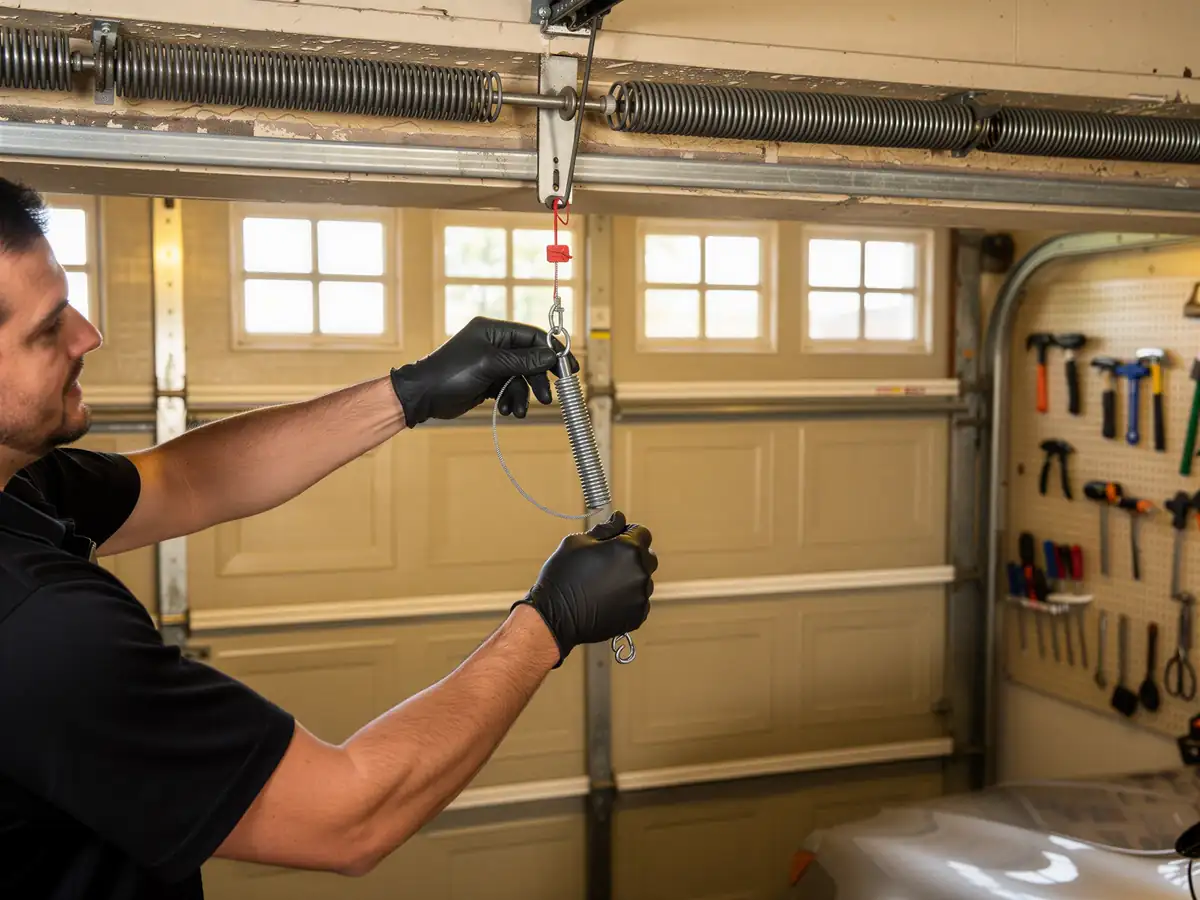
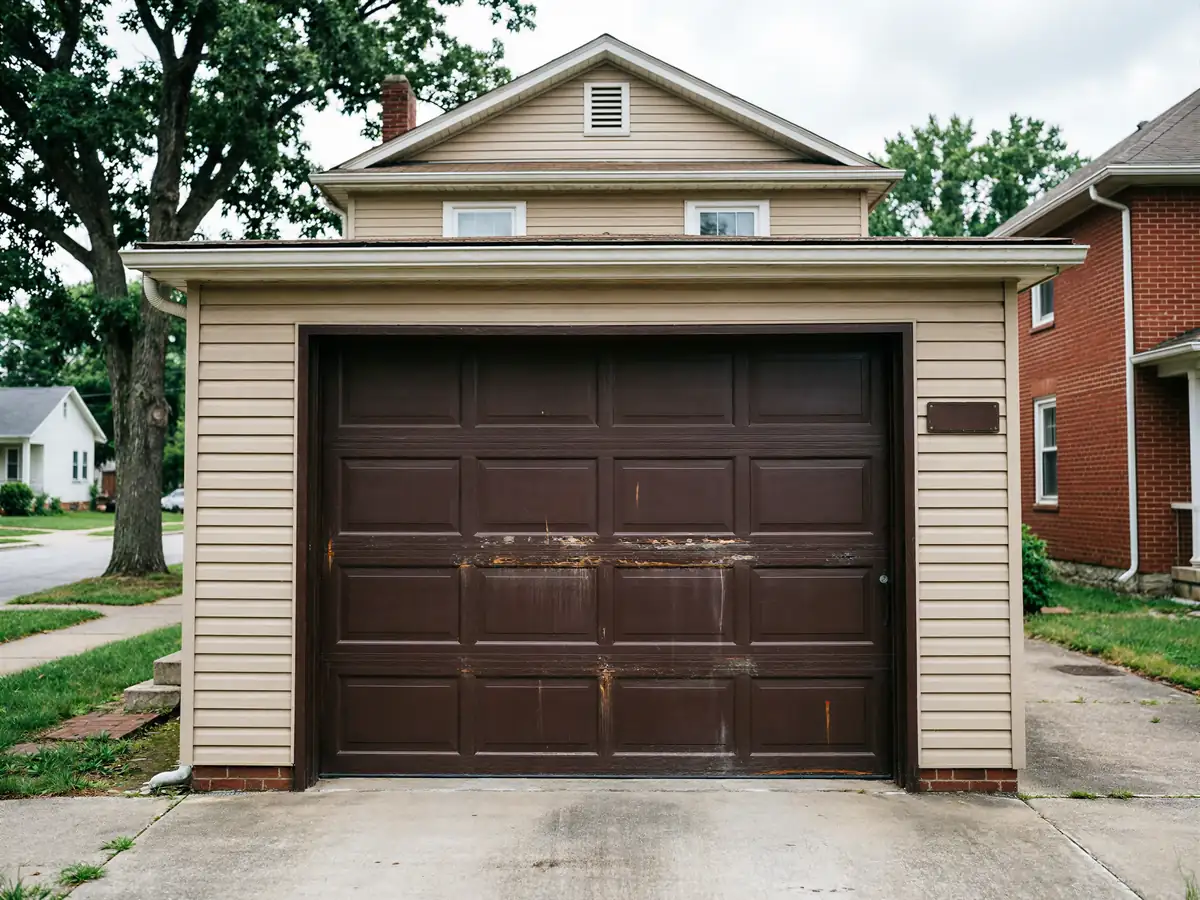
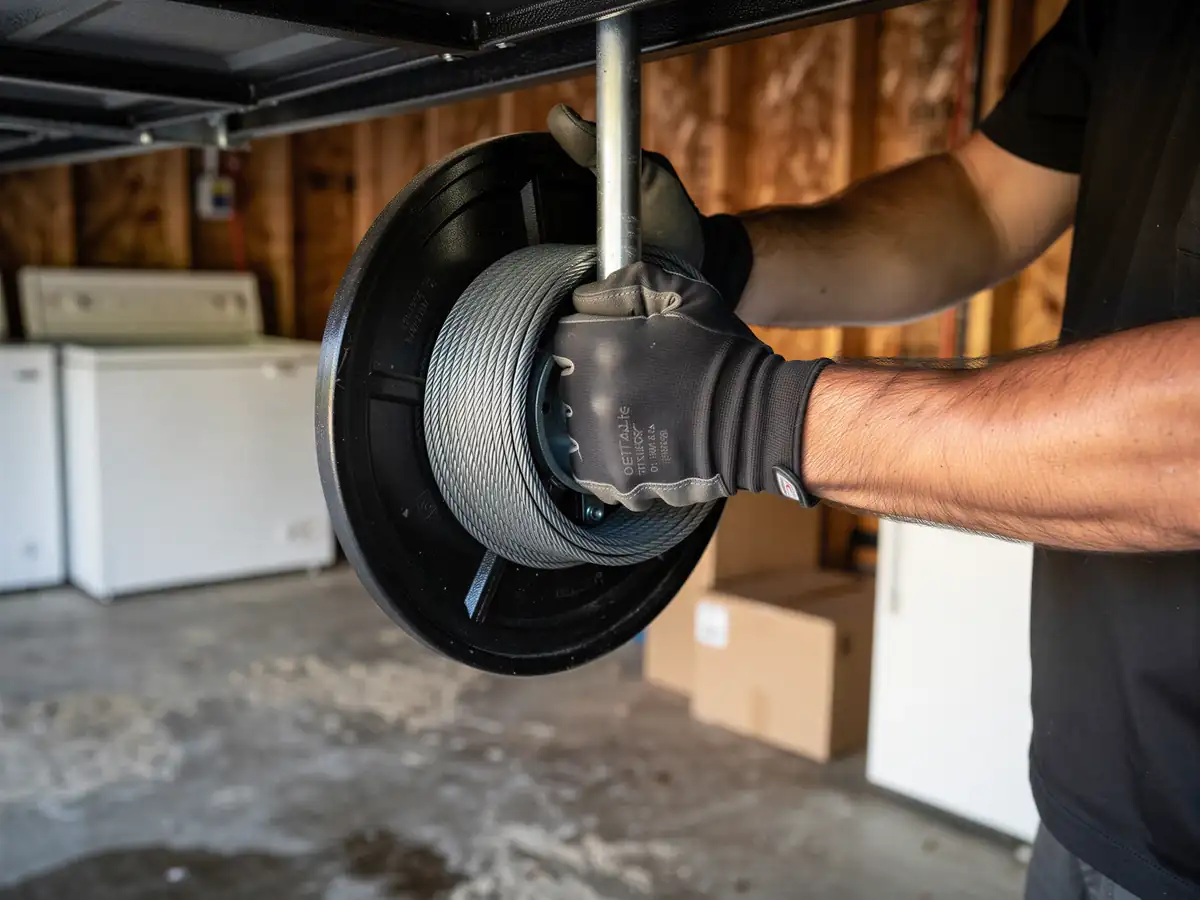
Argusville's housing landed mostly in a tight window from 1969 through 2006, with the typical build year around 1999 - and the town's own homes skew to that later end of the range. That means the garage doors we see out here are overwhelmingly torsion-spring setups with galvanized aircraft cable running to a cable drum at each end of the torsion bar, not the older extension-spring-and-pulley arrangement you'd find on a door from decades earlier. We carry the cable gauges and drum sizes for that era of door as standard stock on the truck, so a straightforward snapped cable doesn't turn into a second trip waiting on a part.
What we don't carry as a default: cable for extension-spring systems with side pulleys. If your house is one of the few older holdouts with that setup, we may need to confirm the pulley and cable spec before we load the truck, which can mean a short delay. It's an honest gap, not a common one, but worth saying.
What Can Go Wrong
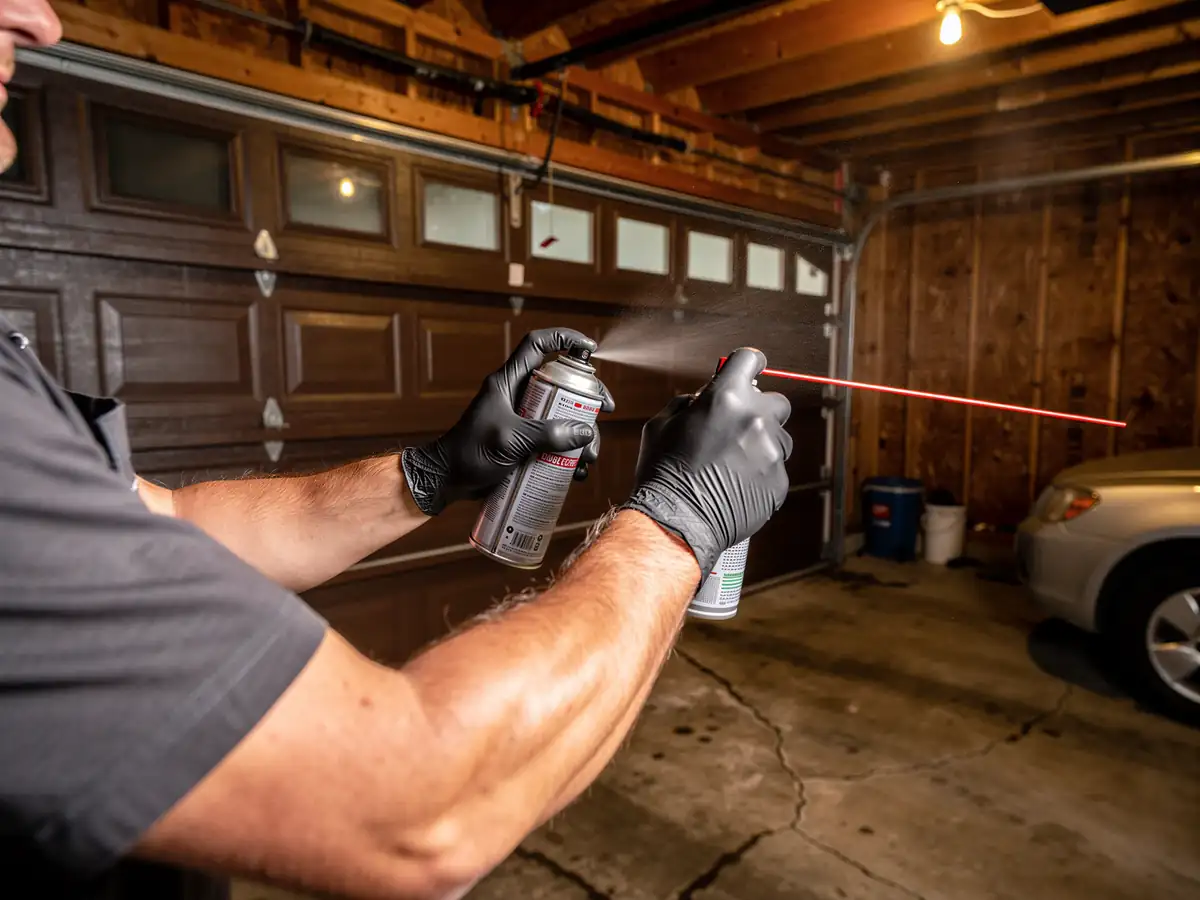
A frayed or snapped cable on a door this age almost always traces back to one of two things: a worn-out drum groove cutting into the cable strand by strand, or a torsion spring that's lost tension and is loading the cables unevenly every time the door cycles. Cold is part of the story too - this area sits in a severe cold climate band, and steel cable and galvanized coating both get more brittle and less forgiving on sub-zero mornings, which is when a cable that's been fraying quietly for a season finally lets go.
The other failure mode we see is a cable that's jumped the drum rather than broken outright - the door looks dead but the cable is actually just off-track, wound wrong, or pinched. That one can sometimes be re-seated rather than replaced, which is cheaper and faster, but only if nobody's forced the opener against it first. If the opener's been cranking against a jammed or off-track cable, you can tear the bracket or bend the drum, and at that point it's a parts job either way.
Doing It Yourself
A garage door under spring tension is not a safe DIY repair, full stop
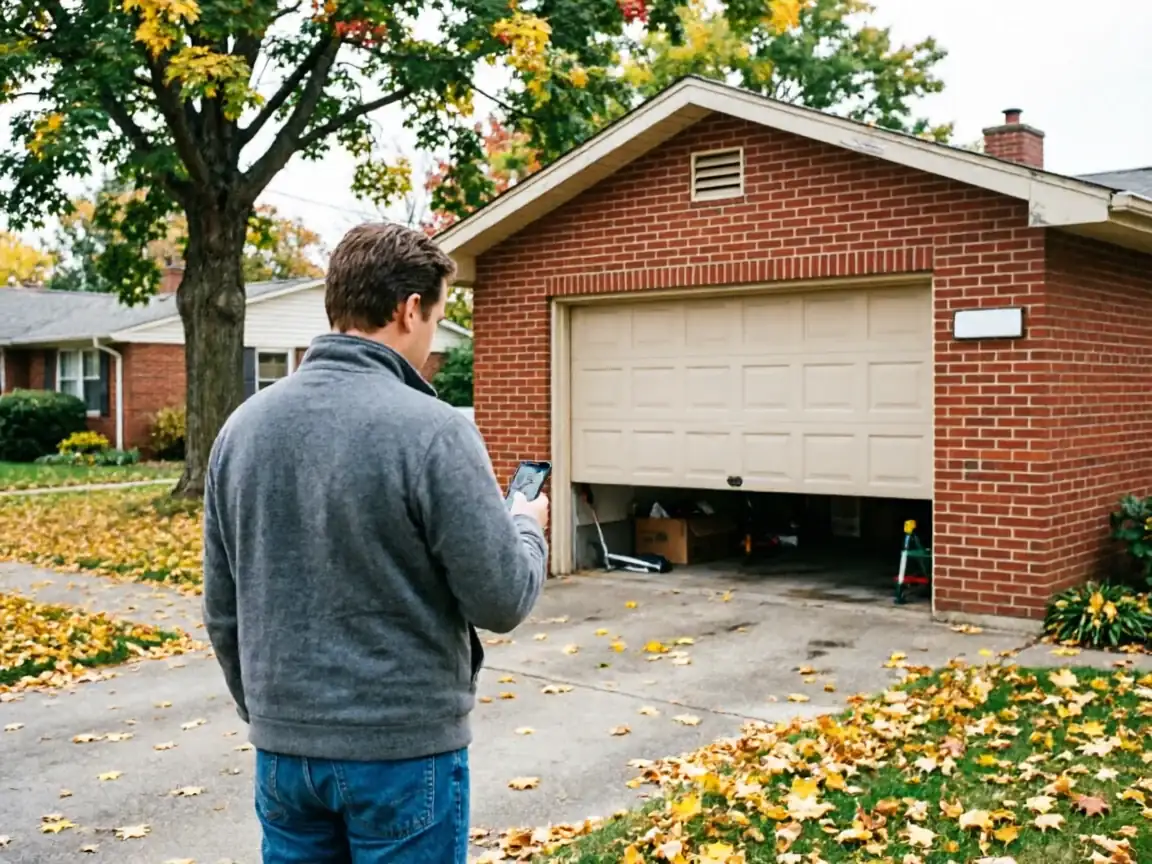
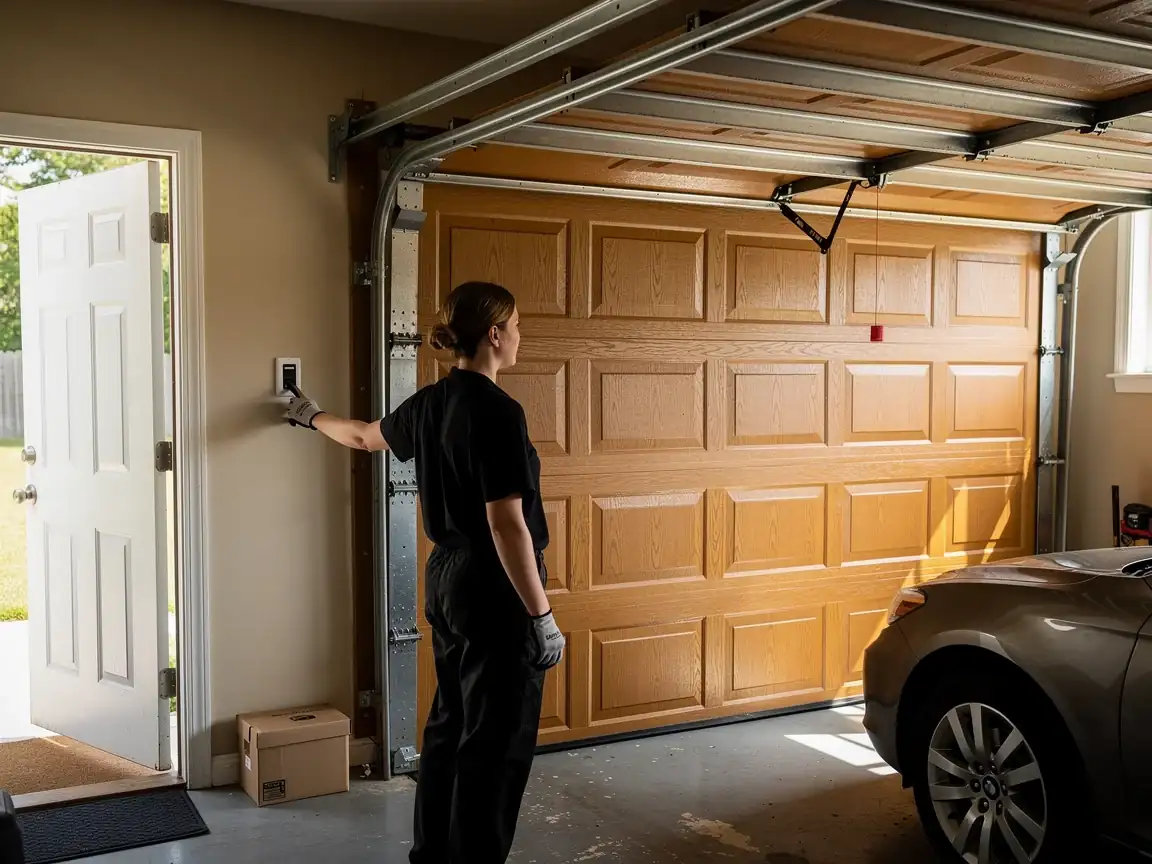
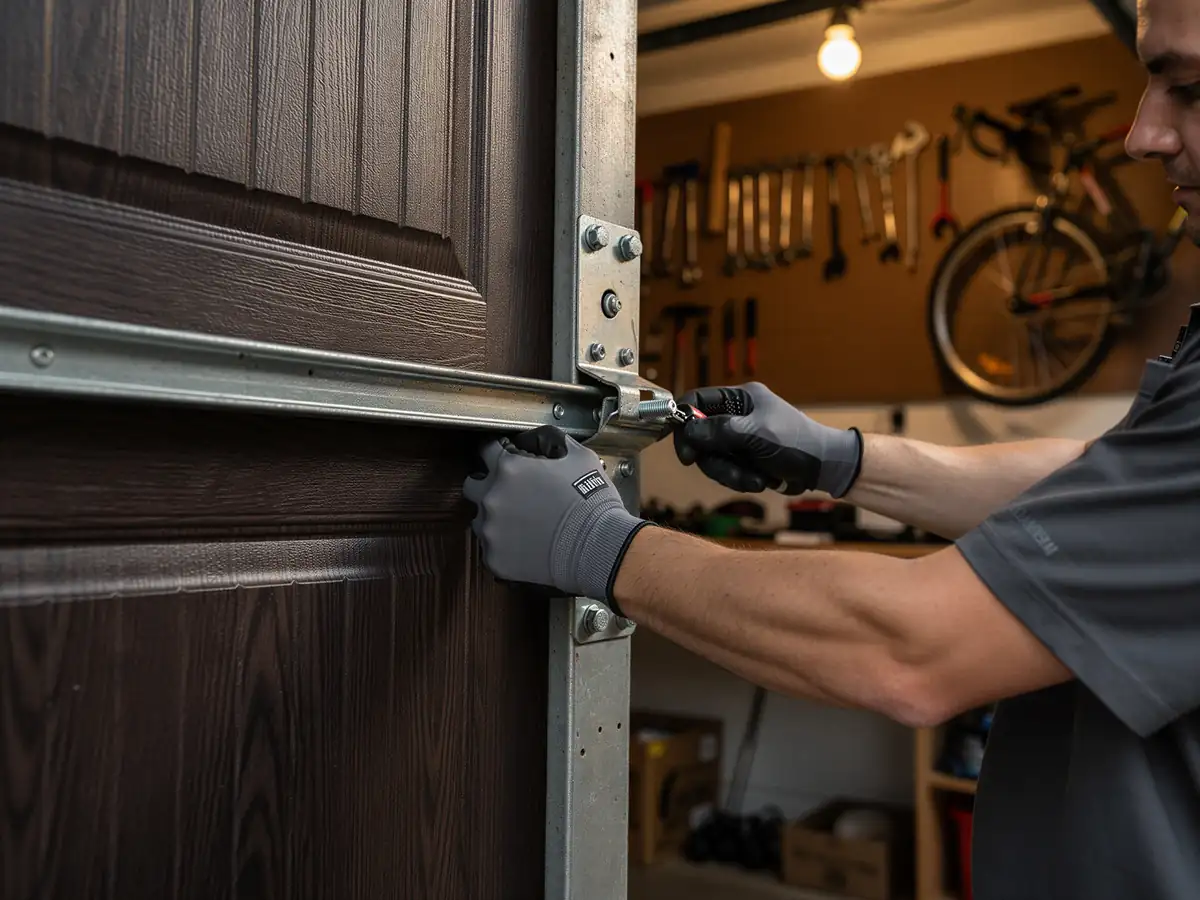
The cable and the torsion spring are storing enough force to break fingers or worse, and that doesn't change because the house is newer or the town is small. What you can safely do yourself: disconnect the opener by pulling the release cord, prop the door open if it's stuck partway, and look at the cable without touching it to see if it's frayed, off the drum, or fully snapped. That tells us what to load before we make the drive.
If the cable has snapped and the door is down, leave it down
Don't try to force it up by hand or run the opener against it - that's the fastest way to turn a cable repair into a cable-plus-track-plus-bracket repair. Take a photo if you can do it from a safe distance, and call. The 14-mile drive from Fargo means we're not showing up in ten minutes, so the more you can tell us up front, the less time we spend diagnosing once we're there.